São Tomé and Príncipe
África
São Tomé and Príncipe is a volcanic archipelago in the Gulf of Guinea that was never joined to the continent, which has made its two main islands one of the places in the world with the highest proportion of species found nowhere else per unit of area. Its mountains, covered in cloud forest and pierced by volcanic spires such as Pico Cão Grande, keep the native forest known as obô, dense, humid and with a flora full of endemics. The islands hold close to thirty birds that exist nowhere else, as well as frogs, bats, snails and reptiles of their own. The southern beaches receive the nesting of five species of sea turtle, and the surrounding waters are a humpback whale breeding area between July and October.
The nature of São Tomé and Príncipe
National animal: No official national animal; the grey parrot is the archipelago's emblematic bird
Did you know?
The São Tomé grosbeak, the largest finch in the world, was known only from three specimens collected in 1888 and was given up for extinct for more than a century. In 1991 it was rediscovered in a remote valley in the southwest of the island, and it has been known since then to survive in a tiny area of primary forest with a population of barely a few dozen birds, which makes it one of the rarest birds on the planet.
Biodiversity profile
Climate
- •Ecuatorial humedo (Af), calido y humedo, con fuerte gradiente de precipitacion segun altitud
Main biomes
- •Bosque tropical humedo de tierras bajas (cubre aprox. 74% del territorio)
- •Bosque nuboso de montaña (Pico de Sao Tome, por encima de 1.400 m)
- •Bosque de niebla insular
- •Selva de tierras bajas obô
- •Isla volcánica oceánica
- •Playa de puesta de tortugas
- •Manglar
- •Aguja volcánica
- •Litoral rocoso
Marine and coastal ecosystems
- •Hotspot marino del Golfo de Guinea, con alta diversidad de peces e invertebrados de arrecife
- •Islotes Tinhosas, colonia de aves marinas de importancia mundial
Flagship wildlife
- •Ibis oliva (subespecie endemica de Principe, posiblemente la mas rara del archipielago)
- •Tortuga carey, verde y laud (anidacion costera)
- •Aves endemicas de bosque nuboso
- •Picogordo de Santo Tomé
- •Ibis enano de Santo Tomé
- •Loro gris
- •Ballena jorobada
- •Tortuga verde
- •Tortuga laúd
- •Rana arborícola gigante de Santo Tomé
- •Rabijunco etéreo
- •Delfín mular
- •Murciélago frugívoro
Notable endemic species
- •28 especies de aves endemicas de la ecoregion (16 exclusivas de Sao Tome, 7 de Principe)
- •Unico gimnosperma del pais (Afrocarpus mannii) es endemico y exclusivo del bosque nuboso de Sao Tome
- •4 especies vegetales restringidas exclusivamente al bosque de niebla del Pico de Sao Tome (1.400 m hasta la cumbre)
- •Picogordo de Santo Tomé
- •Ibis enano de Santo Tomé
- •Estornino de Príncipe
- •Rana arborícola gigante de Santo Tomé
- •Musaraña de Santo Tomé
Notable threatened species
- •Ibis oliva de Principe (posiblemente la especie de ave mas rara del archipielago)
- •Casi todos los bosques de tierras bajas del pais ya han sido alterados o perturbados, concentrando el valor de conservacion en las zonas montañosas remanentes
Notable protected areas
- •Parque Natural Obo de Sao Tome (252 km2, bosque nuboso mejor conservado)
- •Parque Natural Obo de Principe (45 km2)
- •Islotes Tinhosas (colonia de aves marinas)
- •Parque Natural Obô de Santo Tomé
- •Reserva de la Biosfera de la Isla de Príncipe
- •Pico Cão Grande
- •Playa de Jalé
- •Islote de las Rolas
Main conservation threats
- •Alteracion casi total de los bosques de tierras bajas originales
- •Sobrepesca y practicas pesqueras dañinas en aguas costeras
- •Aislamiento insular que concentra riesgo de extincion en especies de rango extremadamente restringido
Notable natural phenomena
- •Principe fue reconocida como Reserva de la Biosfera UNESCO en años recientes, comparandose su riqueza de endemismo con archipielagos icónicos como Galapagos
Conservation
The island of Príncipe has been a biosphere reserve since 2012 and has markedly reduced the hunting of endemic birds. Invasive species, especially rats, cats and introduced mona monkeys, are the main threat to the islands' wildlife.
Where and when to watch wildlife
The obô forest between June and September for endemic birds. The southern beaches between November and February for turtle nesting. The waters of the archipelago between July and October for humpback whales.
Sources: Fauna & Flora - Sao Tome and Principe | Wikipedia - Sao Tome Principe Annobon forests | Wikipedia - Wildlife of Sao Tome and Principe | Springer - Biodiversity Conservation Gulf of Guinea Oceanic Islands
Parks and reserves
Países similares
¿A dónde más podría interesarme viajar?
Misma región: África Central
Misma región: África Central
Misma región: África Central
Misma región: África Central
Especies documentadas en São Tomé and Príncipe
73 species found
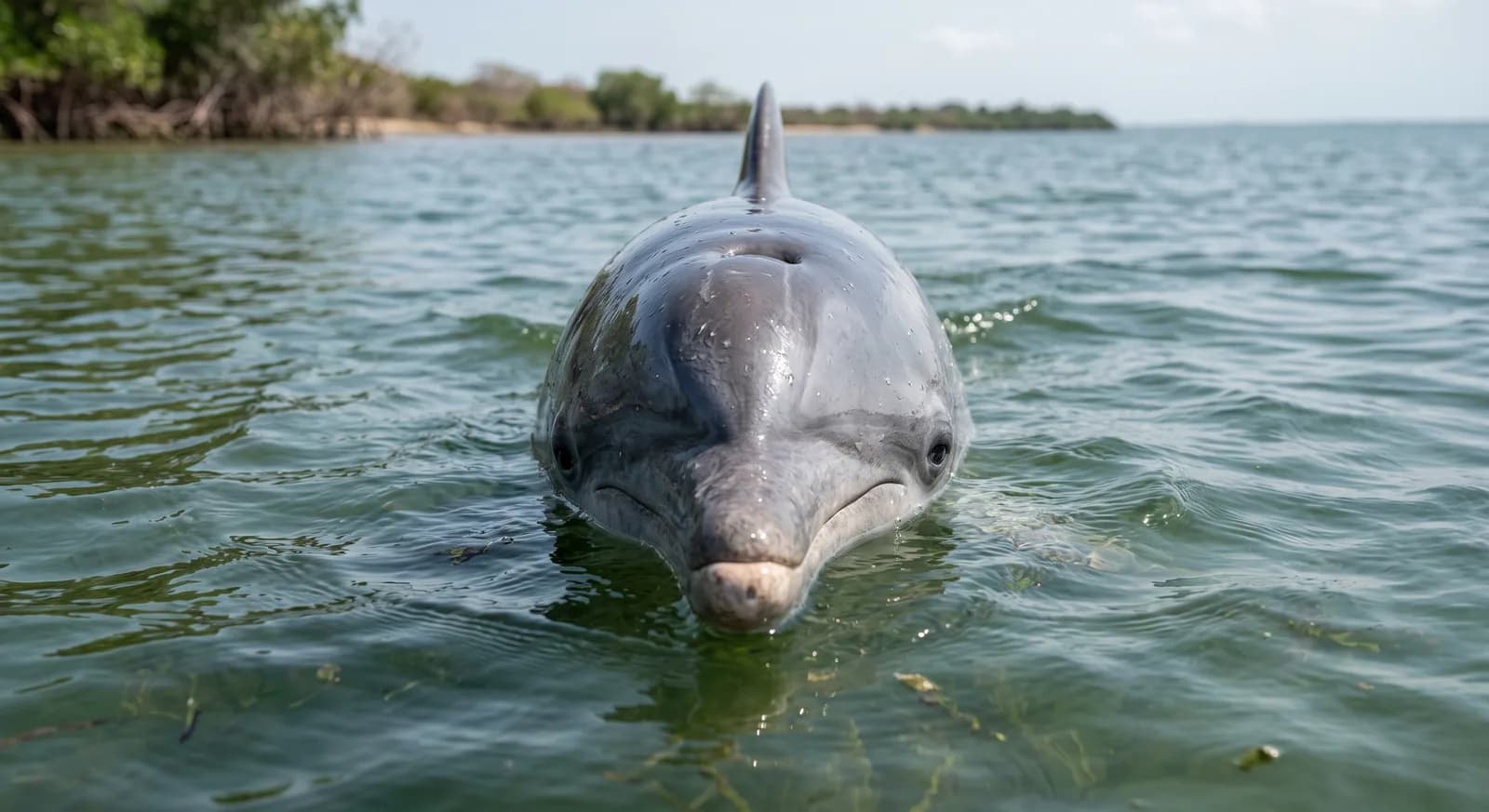 Critically Endangered
Atlantic Humpback Dolphin
Sousa teuszii
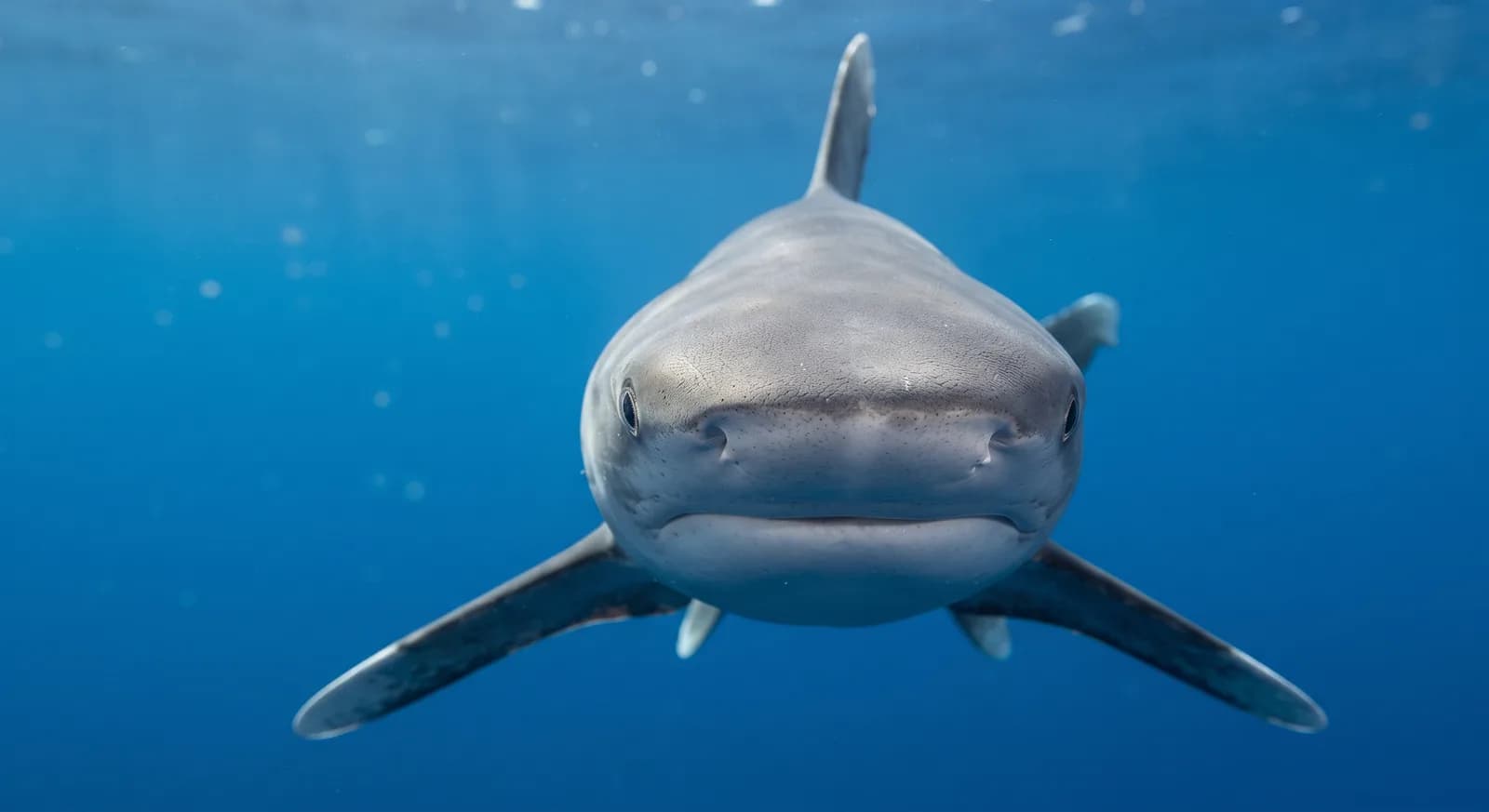 Critically Endangered
Oceanic Whitetip Shark
Carcharhinus longimanus
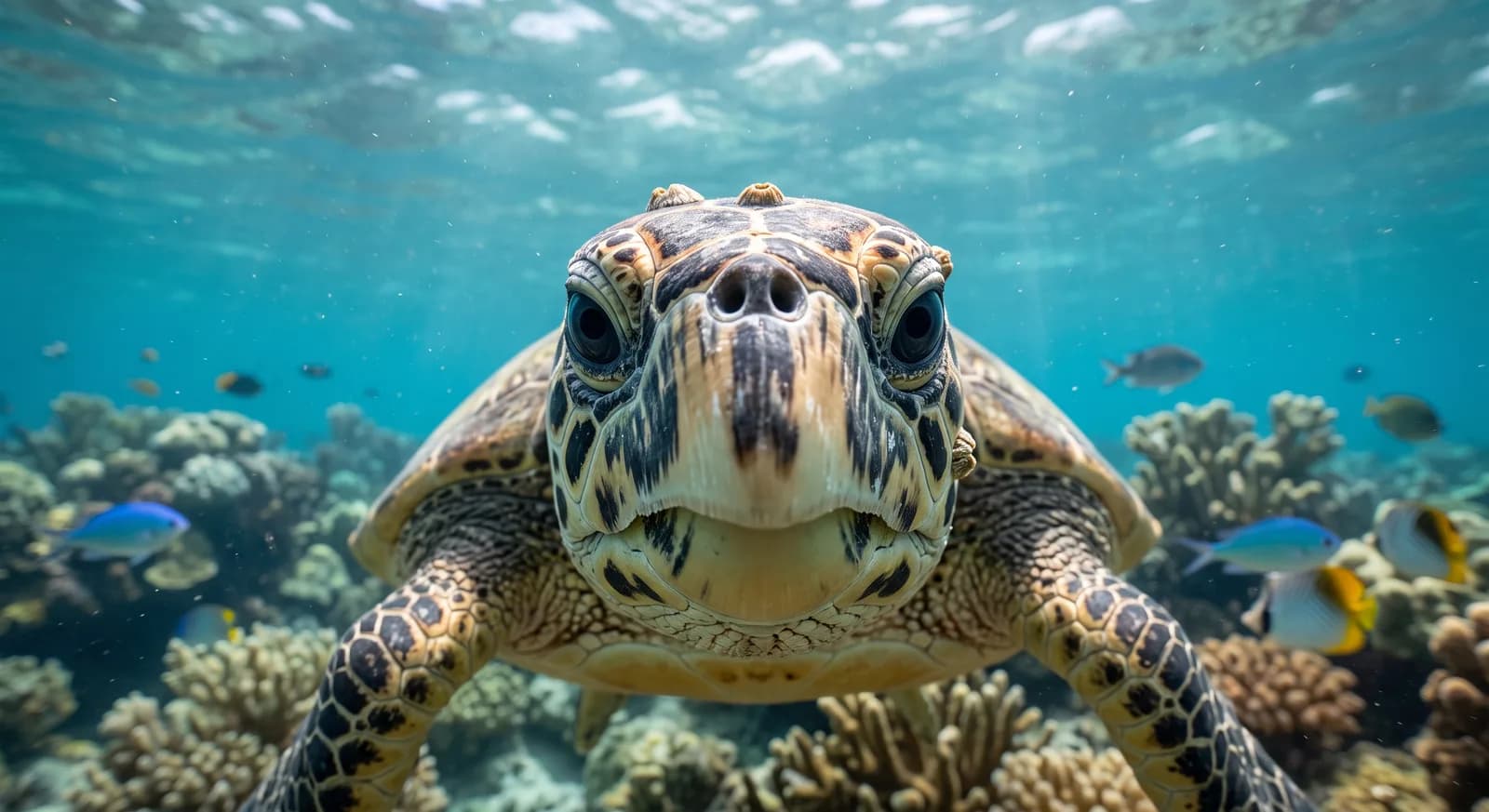 Critically Endangered
Hawksbill Turtle
Eretmochelys imbricata
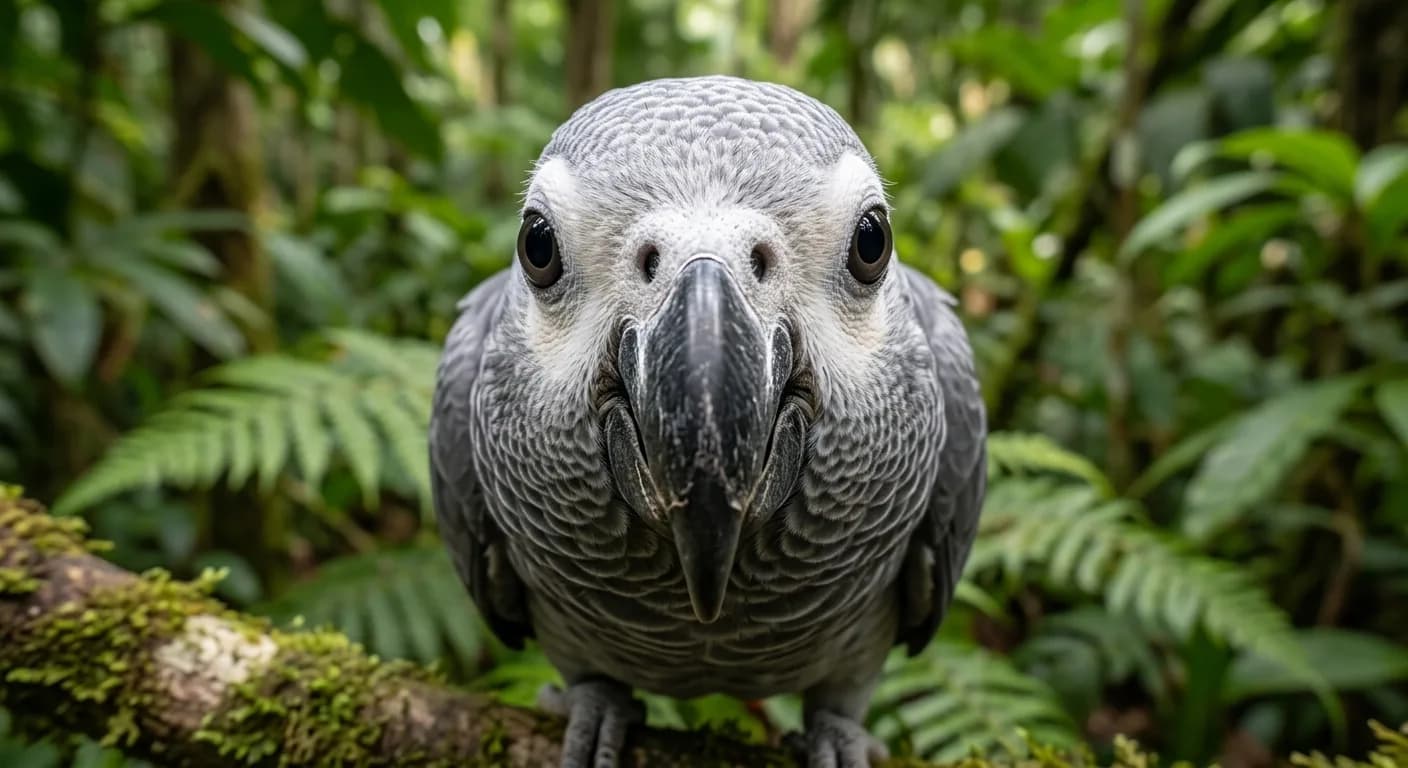 Endangered
Grey Parrot
Psittacus erithacus
 Endangered
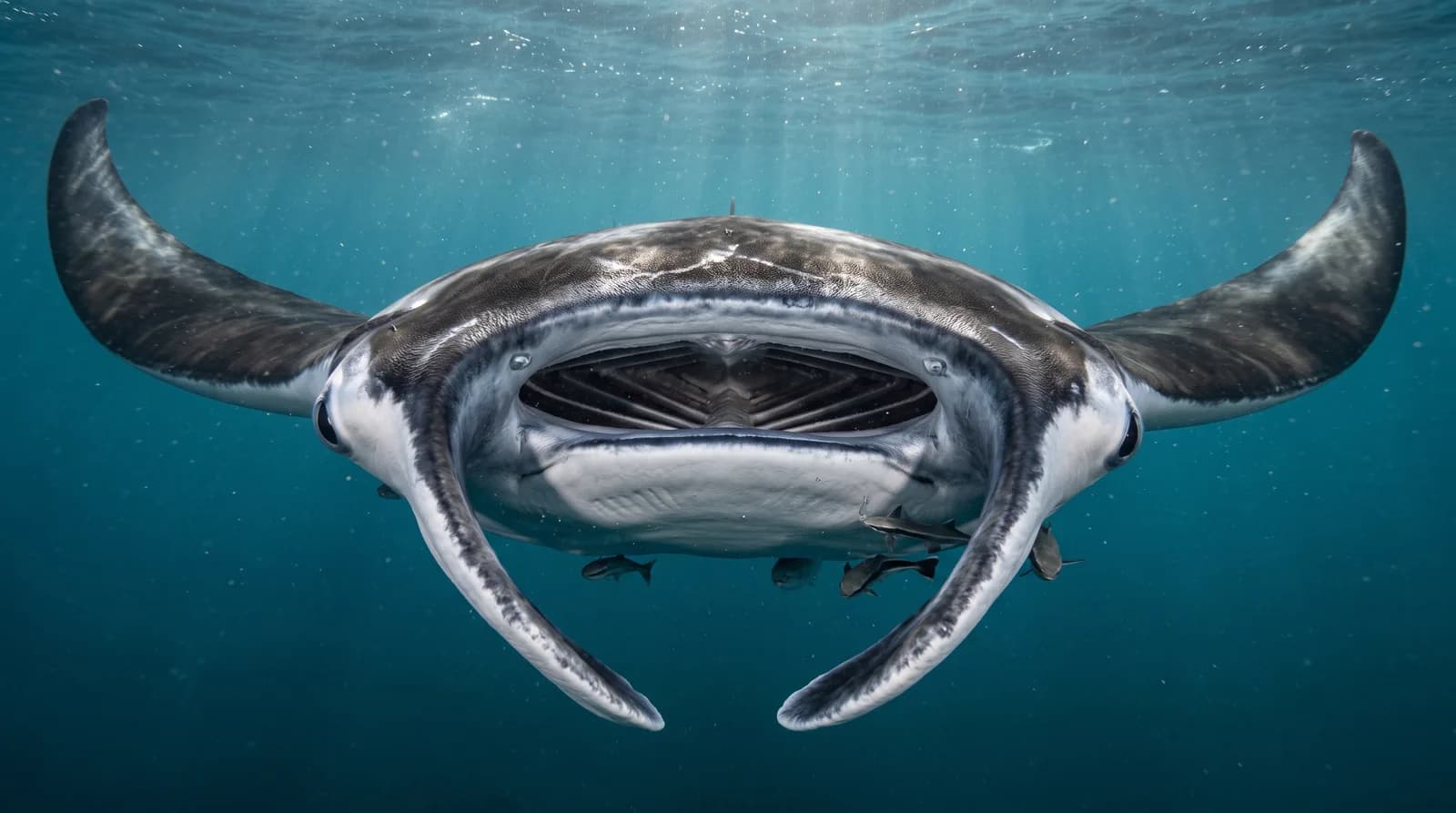
Giant Manta
Mobula birostris
 Endangered
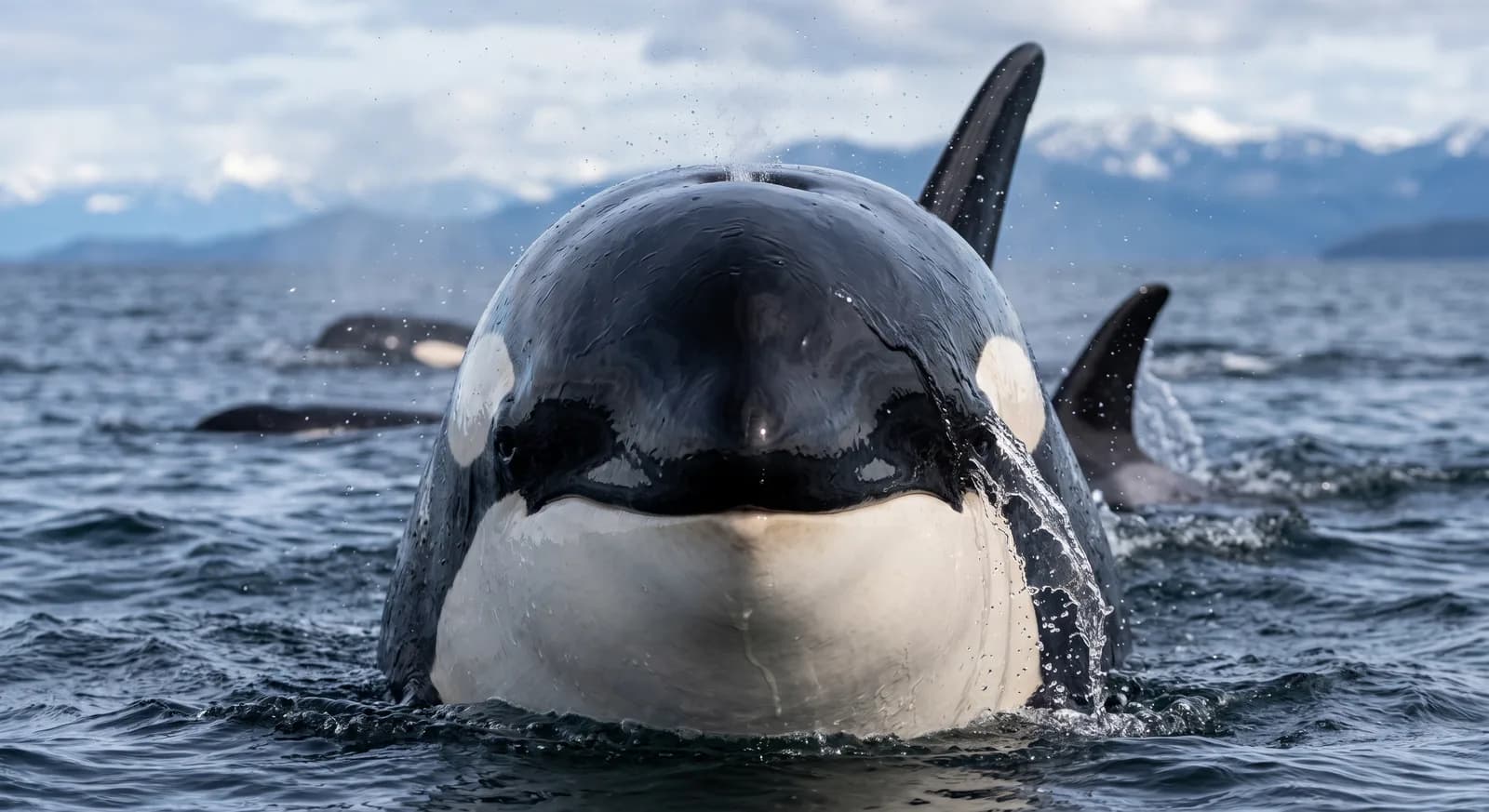
Killer Whale
Orcinus orca
 Endangered
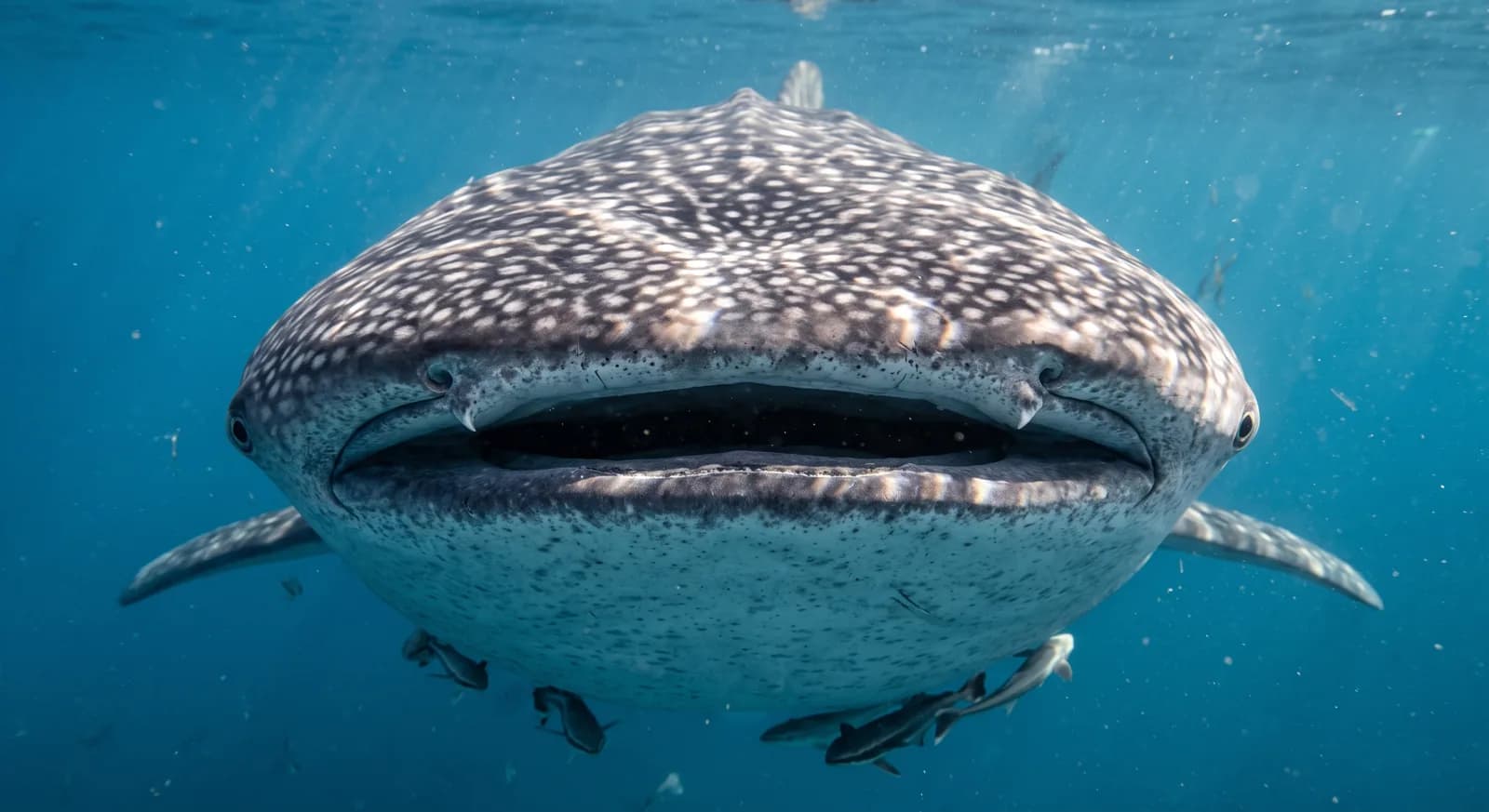
Whale Shark
Rhincodon typus
 Endangered
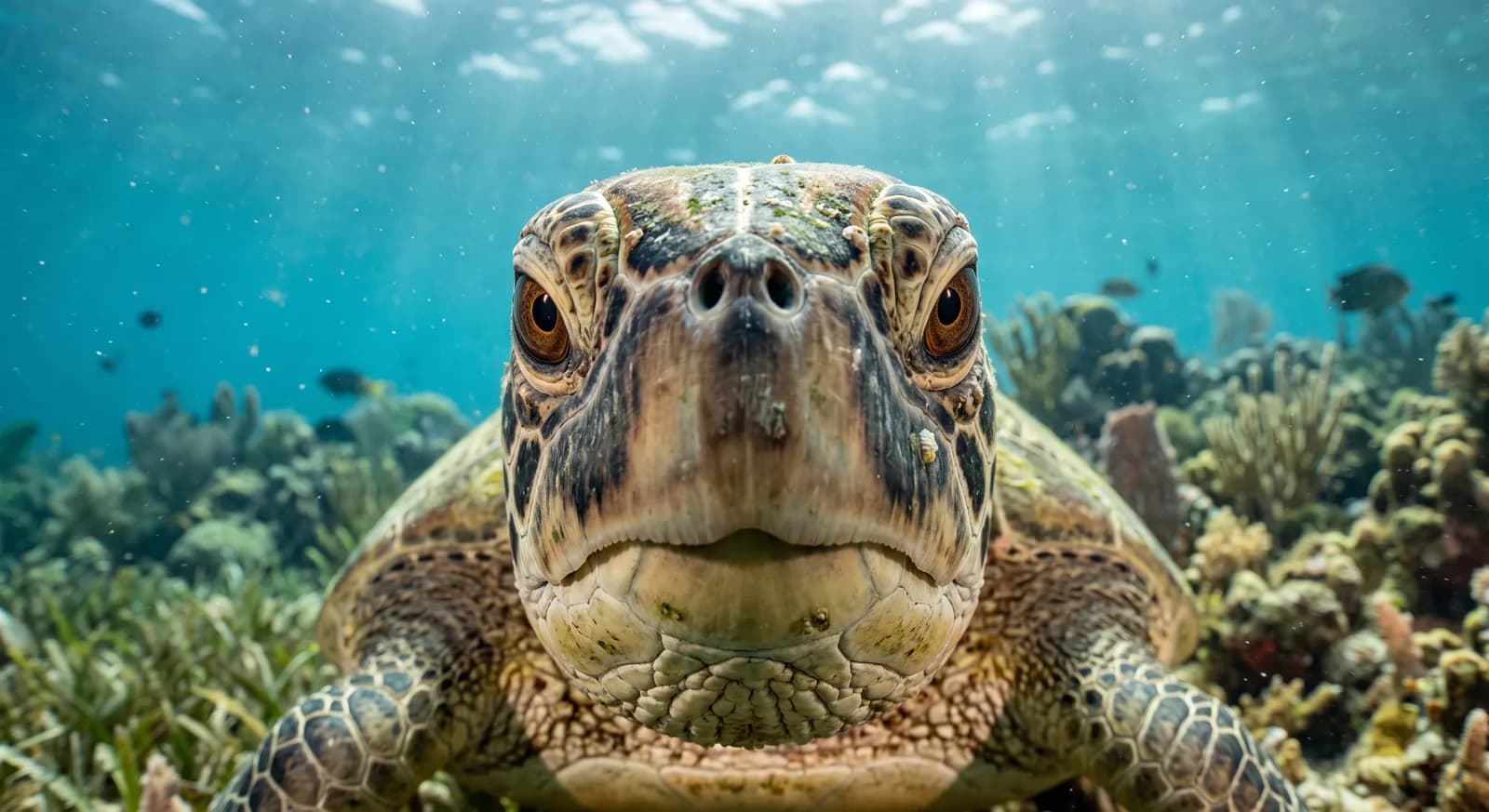
Green Turtle
Chelonia mydas
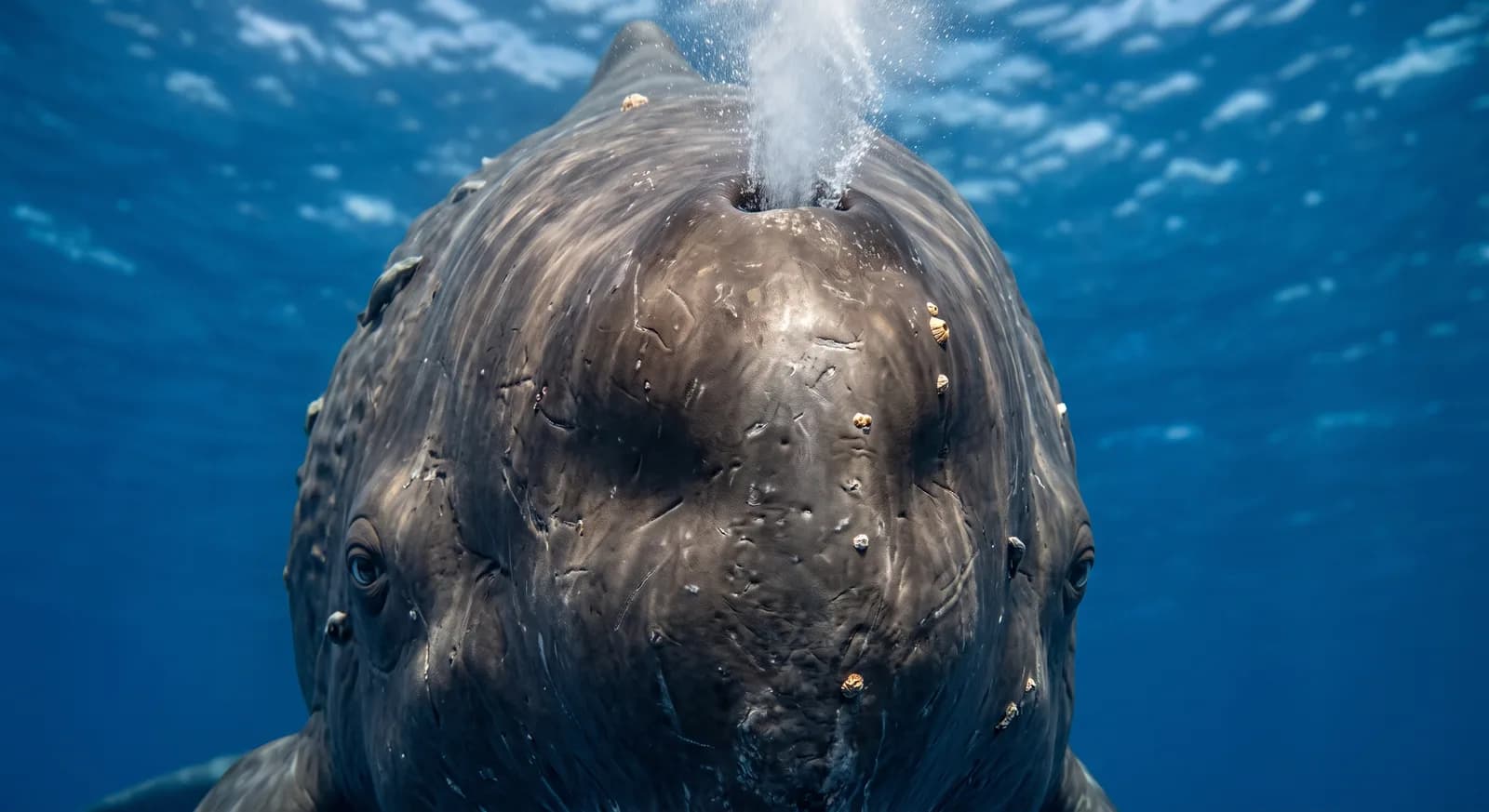 Vulnerable
Sperm Whale
Physeter macrocephalus
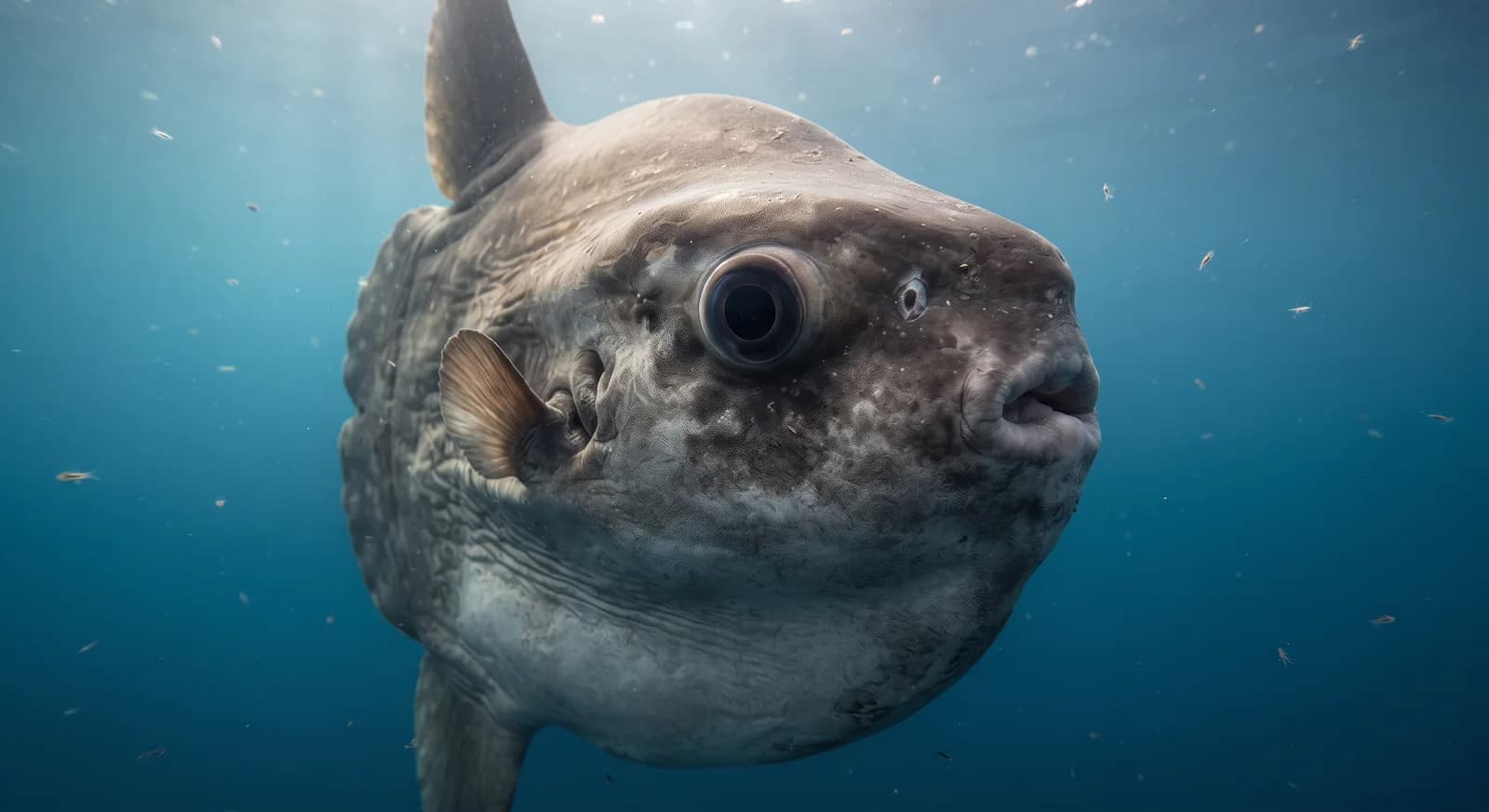 Vulnerable
Ocean Sunfish
Mola mola
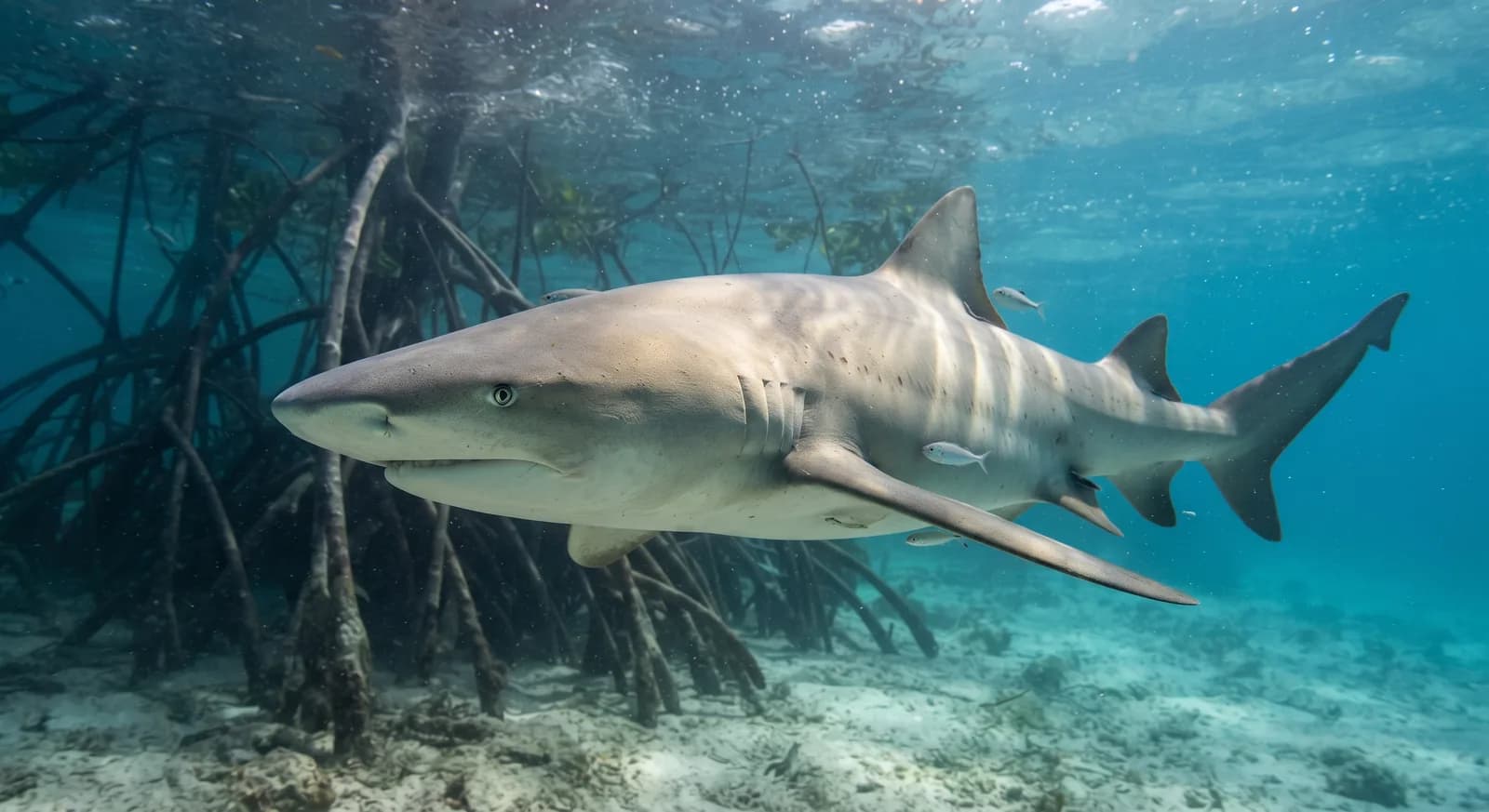 Vulnerable
Lemon Shark
Negaprion brevirostris
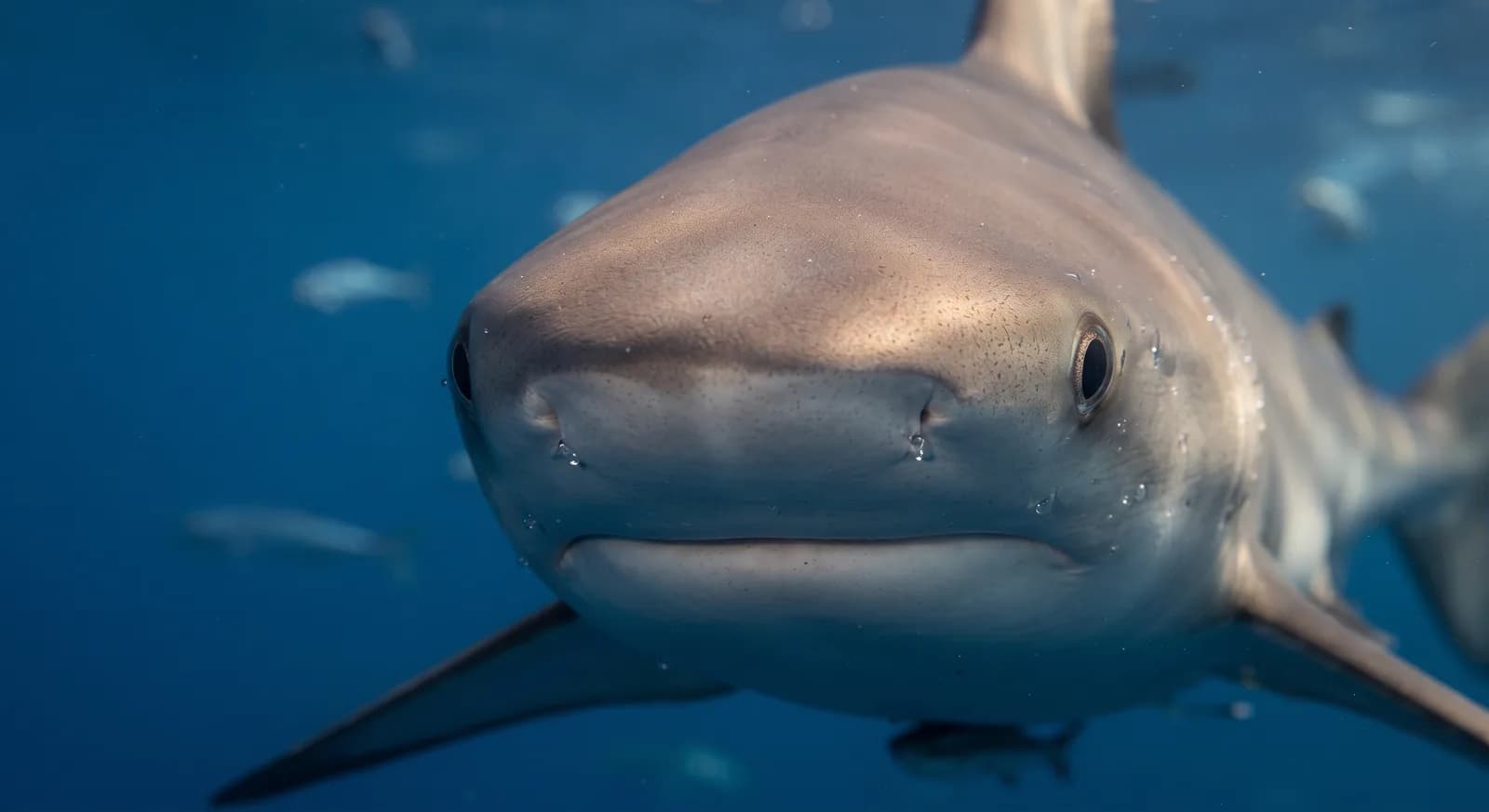 Vulnerable
Silky Shark
Carcharhinus falciformis
Keep exploring
Based on what we already know about São Tomé and Príncipe.