Trinidad and Tobago
América del Norte
Trinidad and Tobago are continental islands: they were joined to South America until very recently in geological terms, and for that reason their fauna is not the typical Caribbean island fauna but a reduced version of the mainland's, with almost a hundred mammal species and more than four hundred and eighty birds in a very small territory. The Northern Range of Trinidad keeps rainforest and cloud forest, and the Caroni swamp, a maze of mangroves beside Port of Spain, serves as a roost for the scarlet ibis. Tobago, smaller and of different origin, holds the oldest protected forest reserve in the western hemisphere, created in 1776, and well-preserved coral reefs. Grande Riviere beach is one of the densest leatherback turtle nesting sites in the world.
The nature of Trinidad and Tobago
National animal: The scarlet ibis and the cocrico are the two national birds, both represented on the country's coat of arms
Did you know?
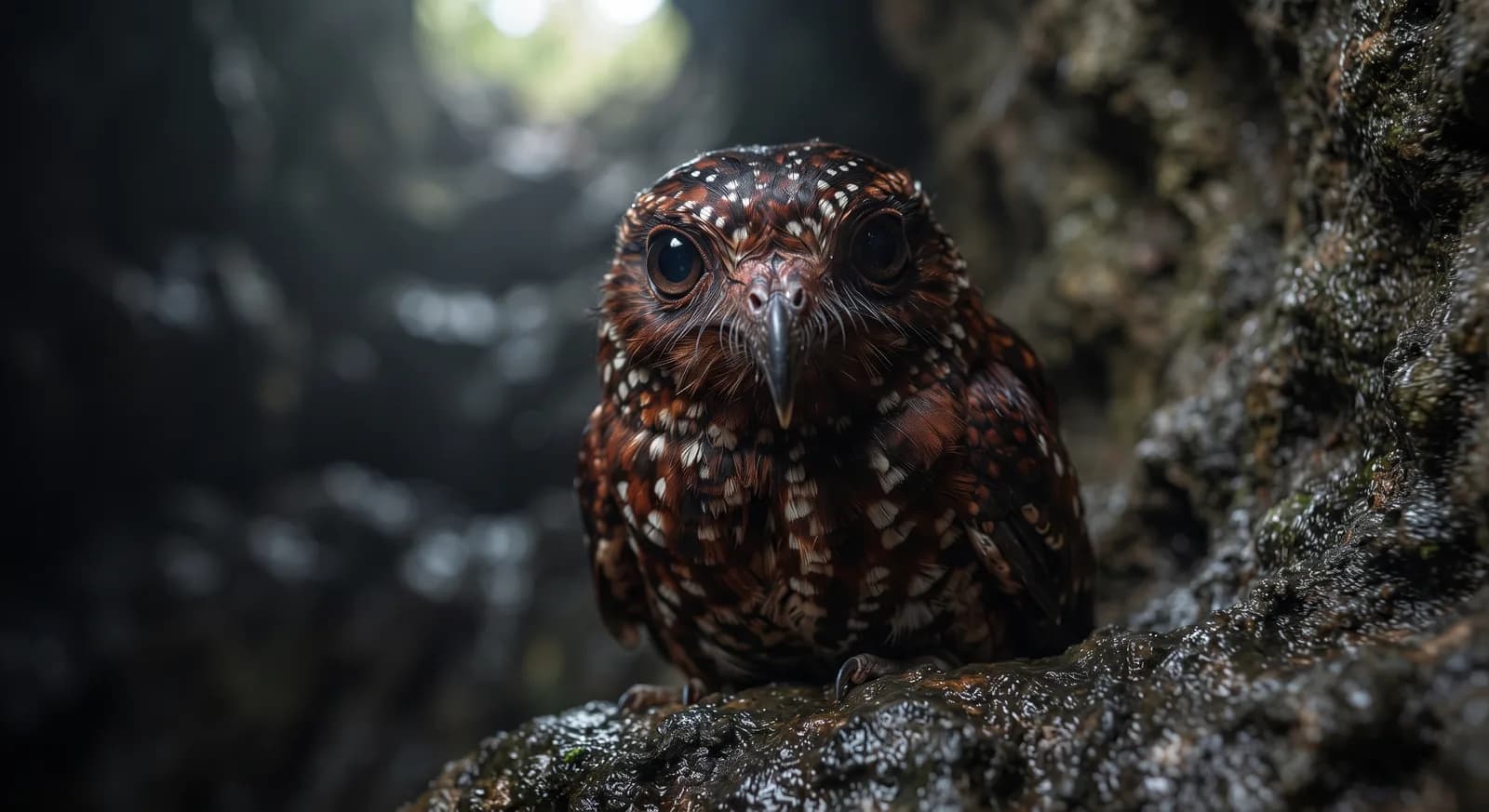
In Dunston cave, in the Arima valley, lives a colony of oilbirds, nocturnal fruit-eating birds that nest in caverns and find their way in total darkness by echolocation, emitting clicks audible to the human ear. They are the only birds in the world that combine a fruit diet, nocturnal habits and echolocation, a rarity that makes them a permanent case study.
Biodiversity profile
Climate
- •Tropical con estacion seca (Aw), con estaciones humeda y seca bien diferenciadas, lluvia anual entre 1.200 y 3.500 mm
Main biomes
- •Bosque tropical siempreverde estacional y semisiempreverde (biota similar a la de Sudamerica equatorial, a diferencia de otras islas de Barlovento)
- •Bosque montano y elfin en las montañas del norte de Trinidad
- •Sabanas y pantanos (Caroni, Nariva)
- •Selva húmeda continental
- •Manglar y pantano costero
- •Bosque nuboso de montaña
- •Arrecife de coral
- •Playa de puesta de tortugas
- •Bosque seco de Tobago
- •Lago de asfalto
Marine and coastal ecosystems
- •Pantano de Caroni (habitat clave del ibis escarlata)
- •Pantano y zona costera de Nariva (sitio Ramsar)
- •Arrecifes de coral y praderas marinas en el noreste de Tobago
Flagship wildlife
- •Ibis escarlata (ave nacional)
- •Guacharaca de Trinidad (pauji piping-guan, endemica)
- •Colibri ermitaño
- •Tití de cabeza blanca
- •Guácharo
- •Tortuga laúd
- •Cocrico
- •Mono capuchino
- •Oso hormiguero sedoso
- •Manatí del Caribe
- •Boa constrictor
- •Ocelote
Notable endemic species
- •110 de aprox. 2.160 especies de plantas con flor son endemicas
- •Guacharaca de Trinidad (Pipile pipile), ave endemica y en peligro, protegida en la Reserva Main Ridge
- •Cotorra de Trinidad
- •Rana dorada de Trinidad
- •Colibrí de Tobago
Notable threatened species
- •Guacharaca de Trinidad (En Peligro)
- •Aprox. 63% del territorio de Trinidad esta cubierto de bosque, aunque con perdidas notables por tala de bosques de plantacion
Notable protected areas
- •Main Ridge Forest Reserve (Tobago, reserva forestal mas antigua del hemisferio occidental)
- •Pantano de Caroni (sitio de anidacion del ibis escarlata)
- •Pantano y Zona Costera de Nariva (Ramsar)
- •Reserva Forestal Principal de Tobago
- •Playa de Grande Riviere
- •Cueva de Dunston en Asa Wright
- •Pantano de Nariva
- •Arrecife de Buccoo
Main conservation threats
- •Desarrollo urbano y costero acelerado en ambas islas
- •Tala de bosques de plantacion dentro de la red de areas protegidas
- •Cambio climatico, con estudios especificos que modelan su impacto sobre especies arboreas de alto valor de conservacion
Notable natural phenomena
- •Trinidad se separo del continente sudamericano hace solo unos 1.500 años (geologicamente reciente), por lo que su biota refleja la de la Sudamerica equatorial mas que la de otras islas caribeñas
Conservation
The Tobago forest reserve, declared in 1776 to protect the island's rainfall, is regarded as the first protected area in the western hemisphere created on an explicitly ecological argument. Grande Riviere concentrates hundreds of leatherback turtles a night on a few hundred metres of beach at the peak of the season.
Where and when to watch wildlife
Caroni at dusk for the scarlet ibis coming in to roost. Grande Riviere between March and August for leatherback turtles. Asa Wright year-round for hummingbirds and oilbirds.
Sources: biodiversity.gov.tt - Trinidad and Tobago Biodiversity | BioDB.com - Trinidad & Tobago | ScienceDirect - Assessing protected area effectiveness Trinidad
Natural phenomena in Trinidad and Tobago
- Anidación de tortugas laúd en Trinidad — Marzo a agosto (pico abril-mayo)
Parks and reserves
Diving and snorkelling
Especies documentadas en Trinidad and Tobago
222 species found
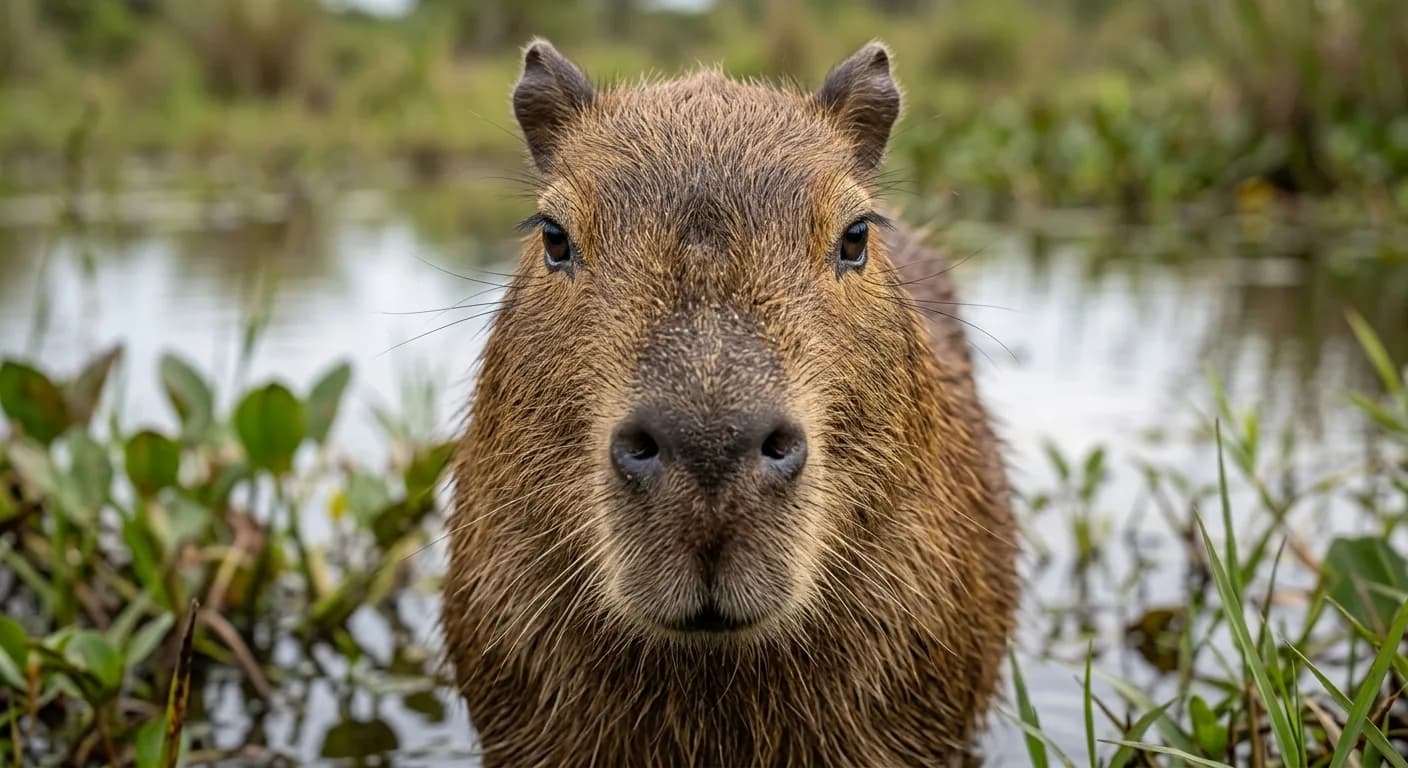 Least Concern
Capybara
Hydrochoerus hydrochaeris
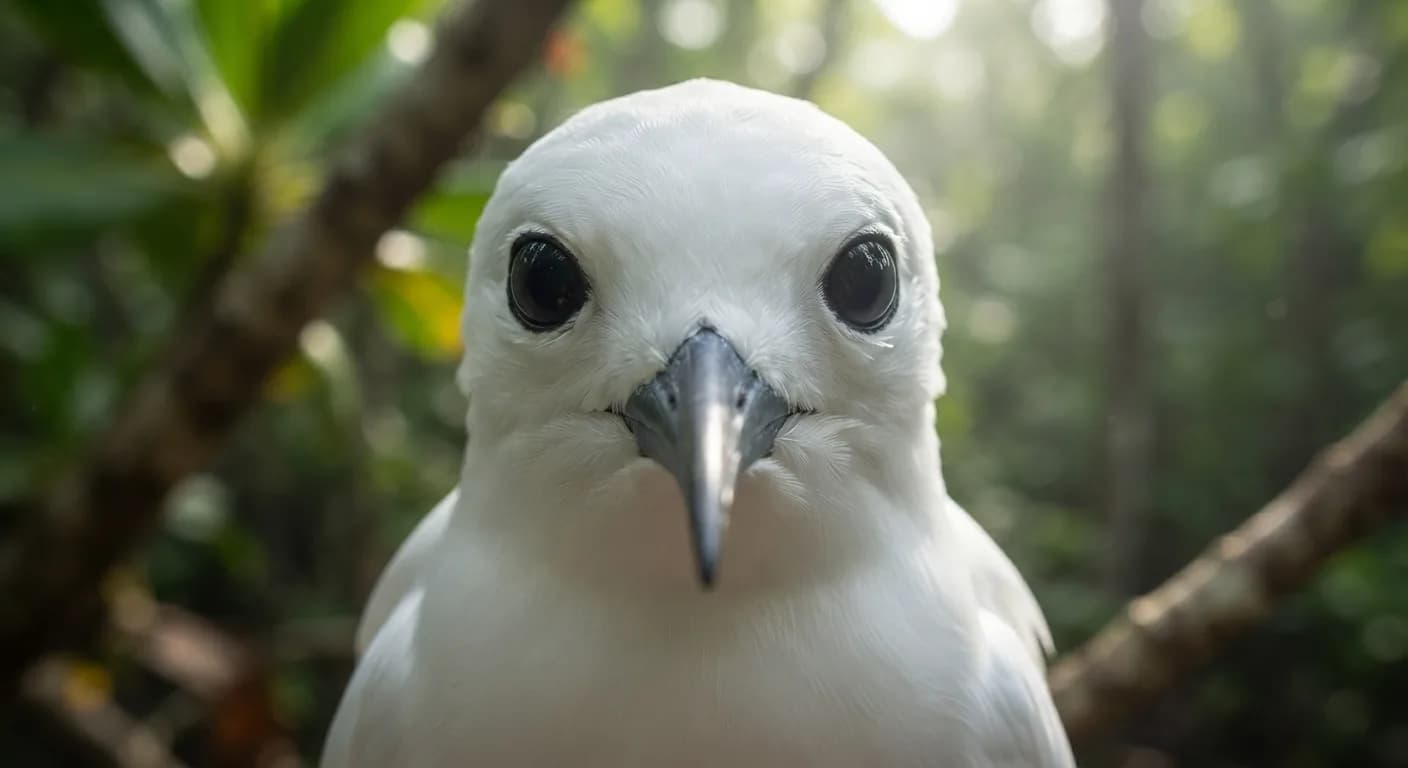 Least Concern
Atlantic White Tern
Gygis alba
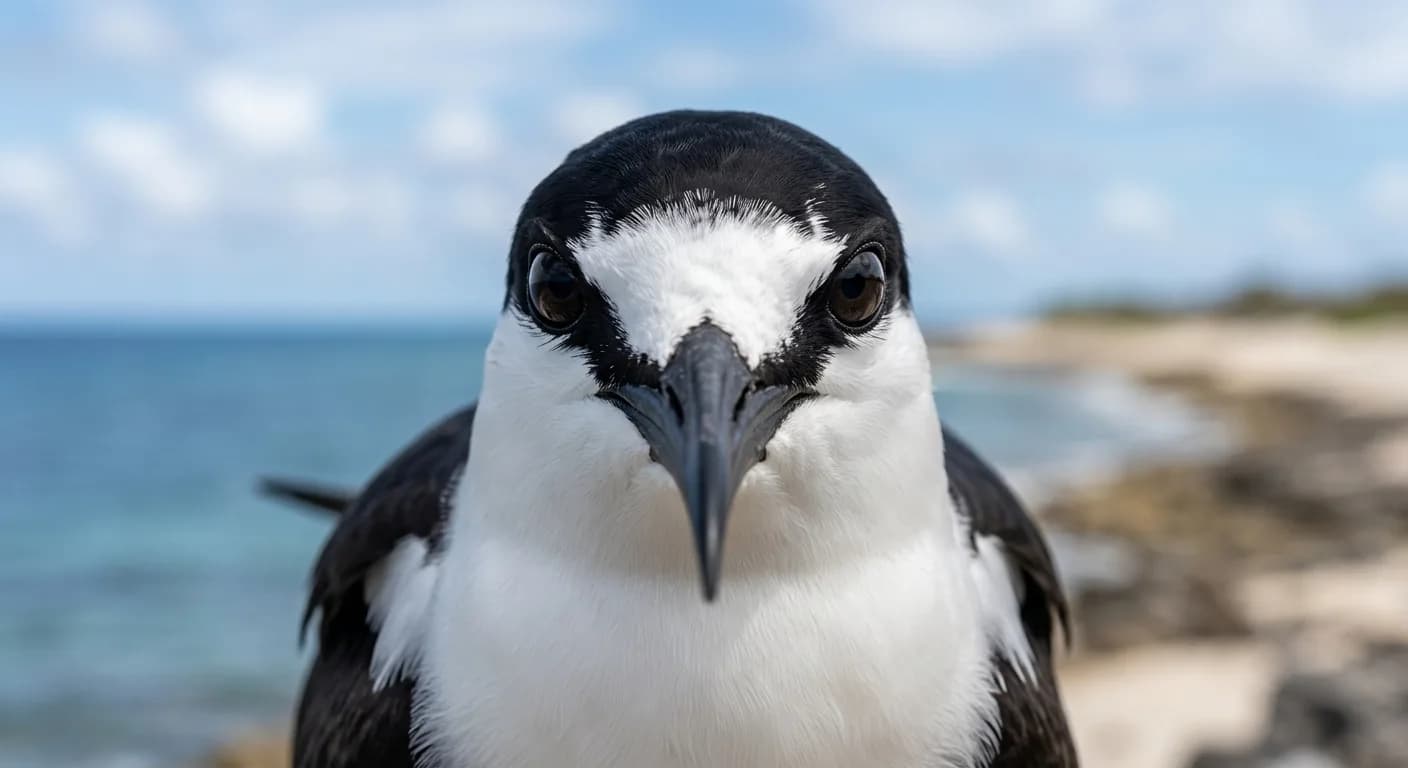 Least Concern
Sooty Tern
Onychoprion fuscatus
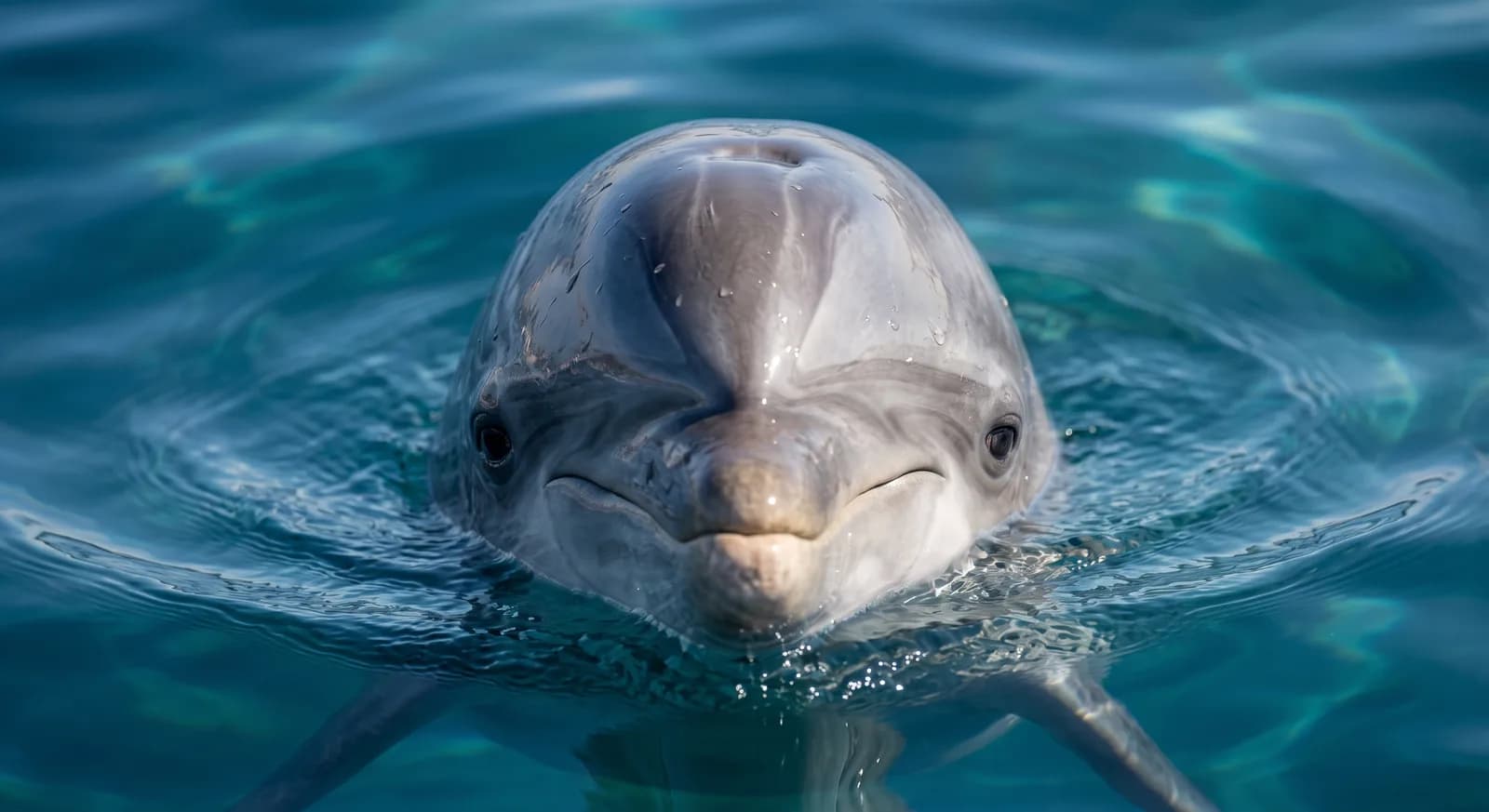 Least Concern
Bottlenose Dolphin
Tursiops truncatus
 Least Concern
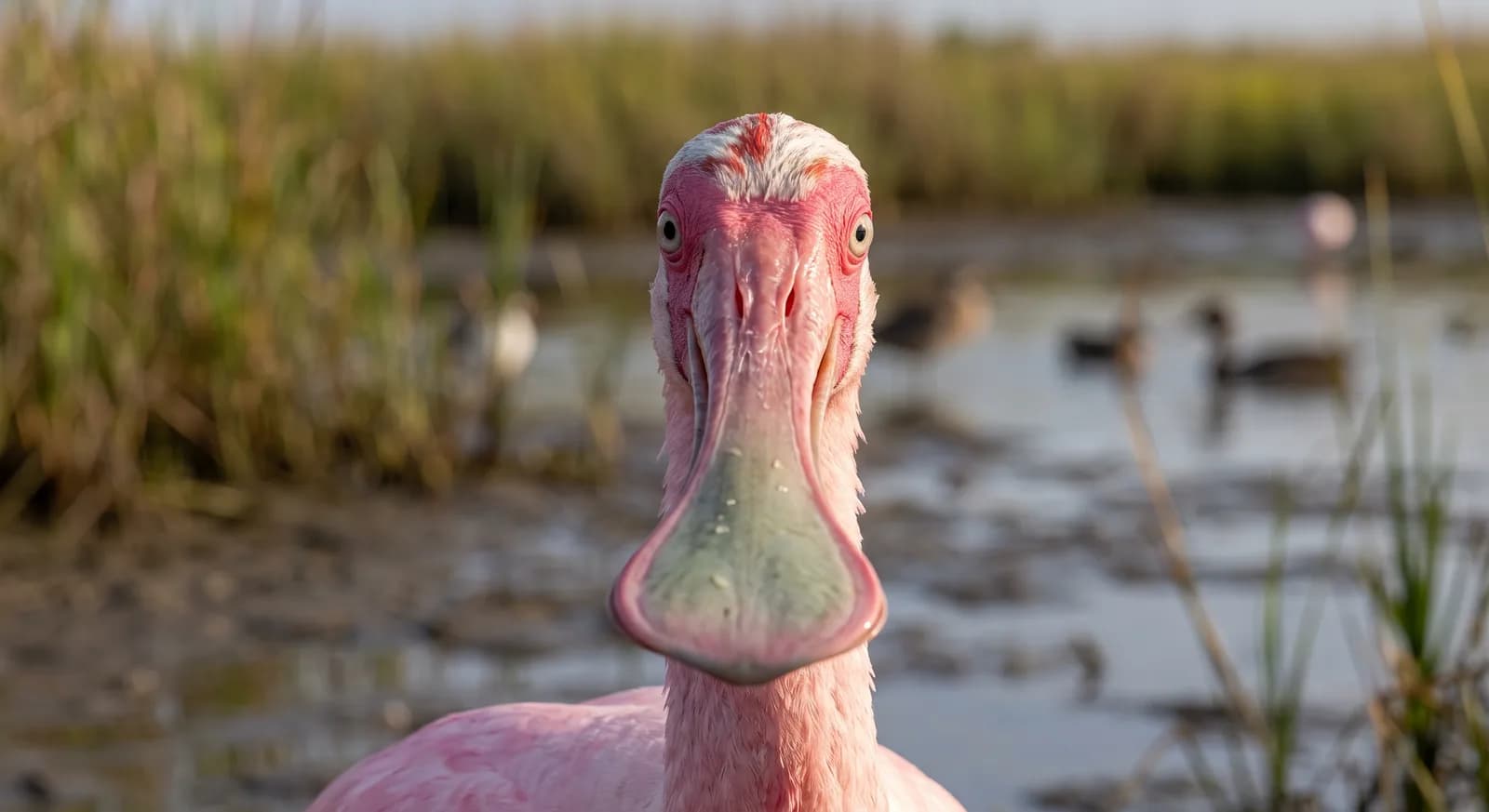
Roseate Spoonbill
Platalea ajaja
 Least Concern
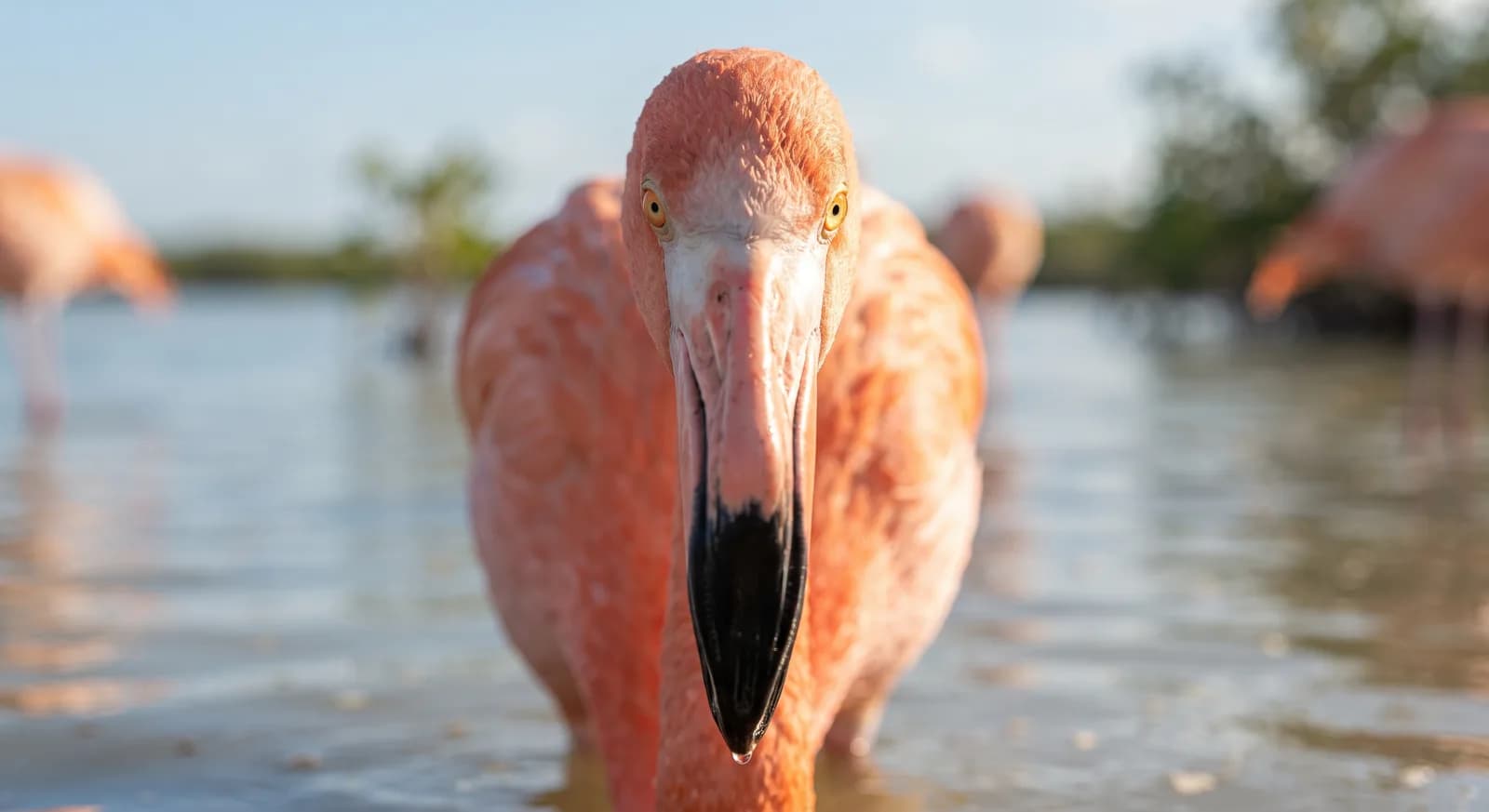
American Flamingo
Phoenicopterus ruber
 Least Concern
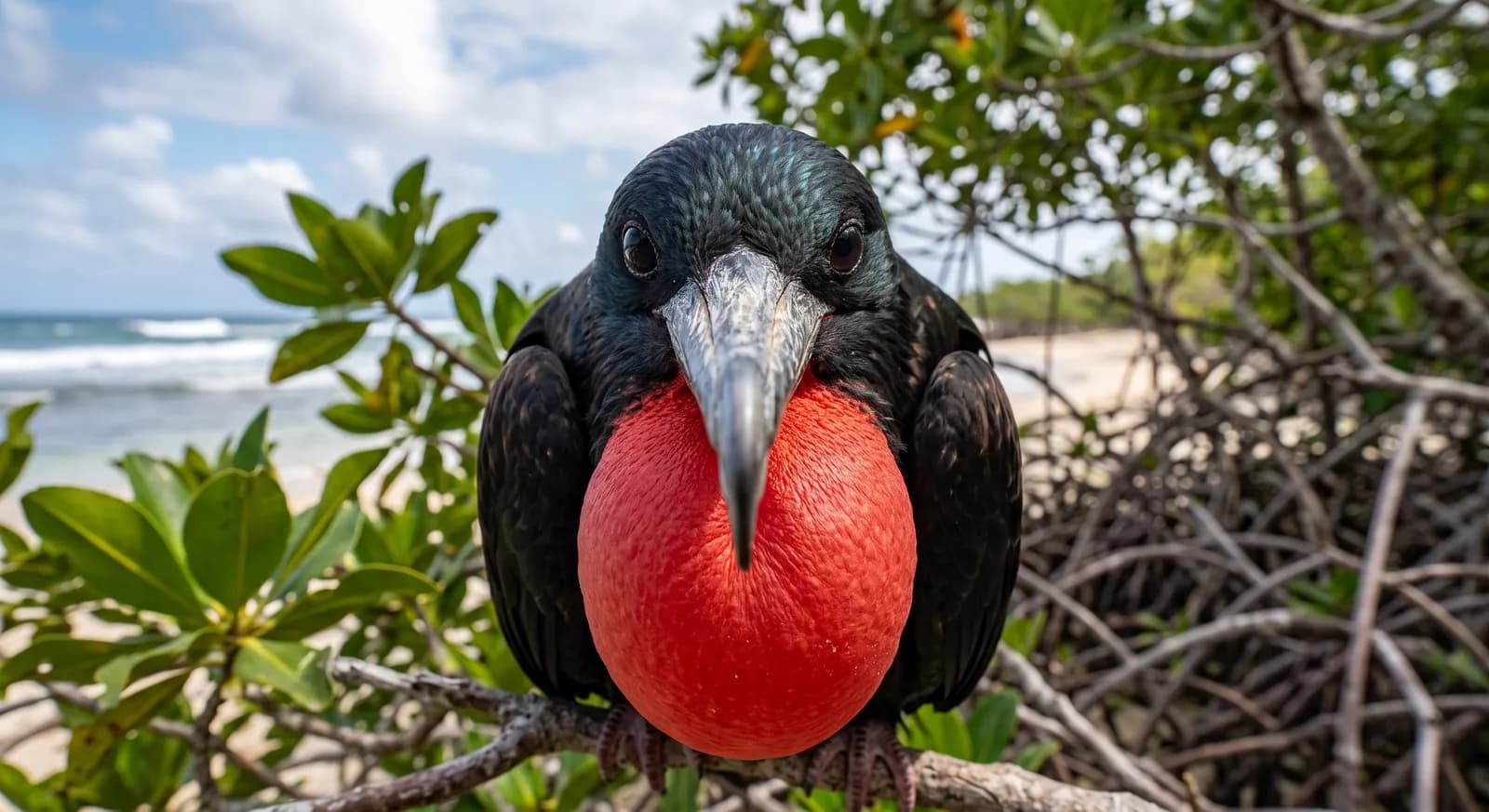
Magnificent Frigatebird
Fregata magnificens
 Least Concern
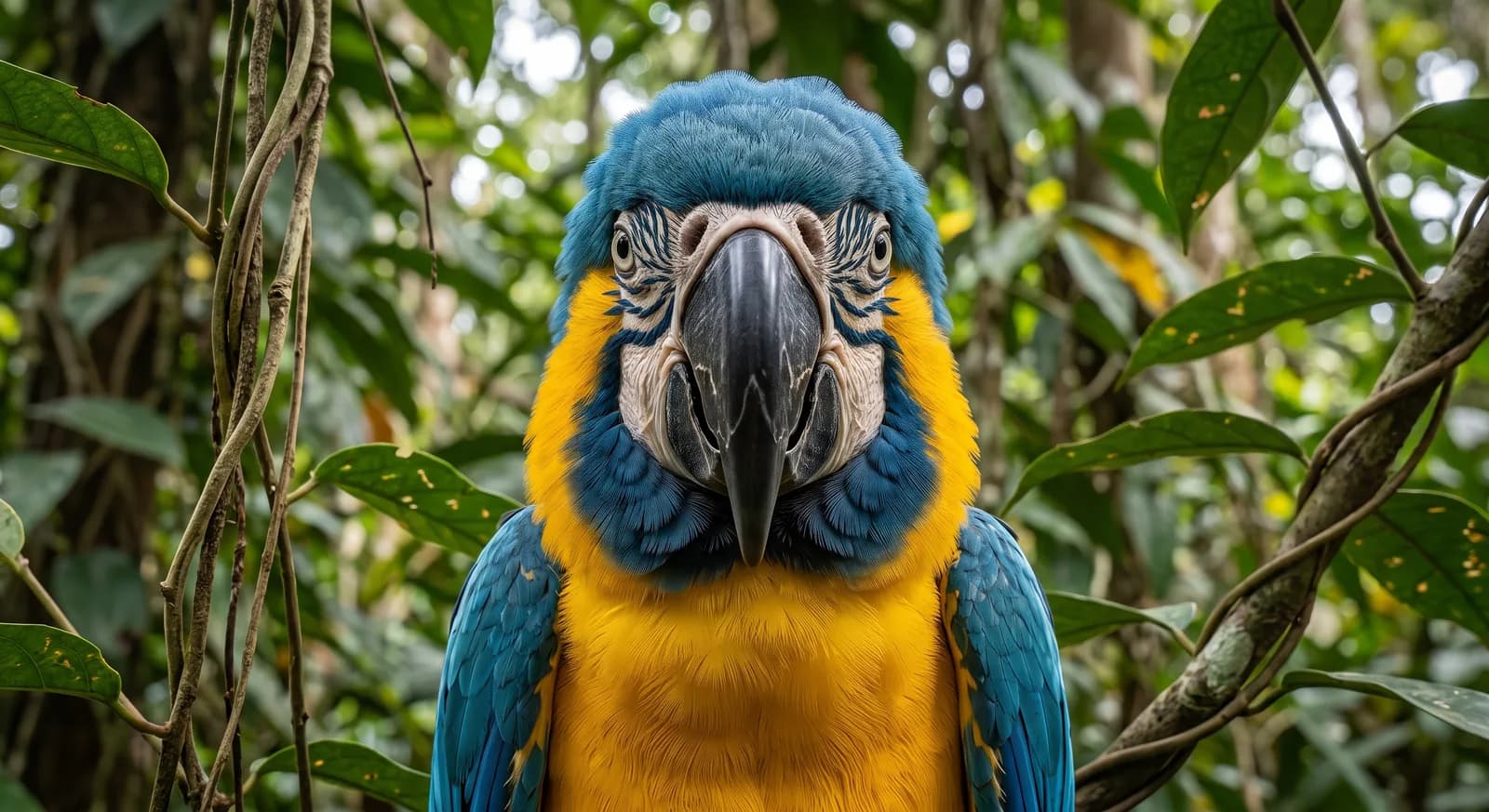
Blue-And-Yellow Macaw
Ara ararauna
 Least Concern
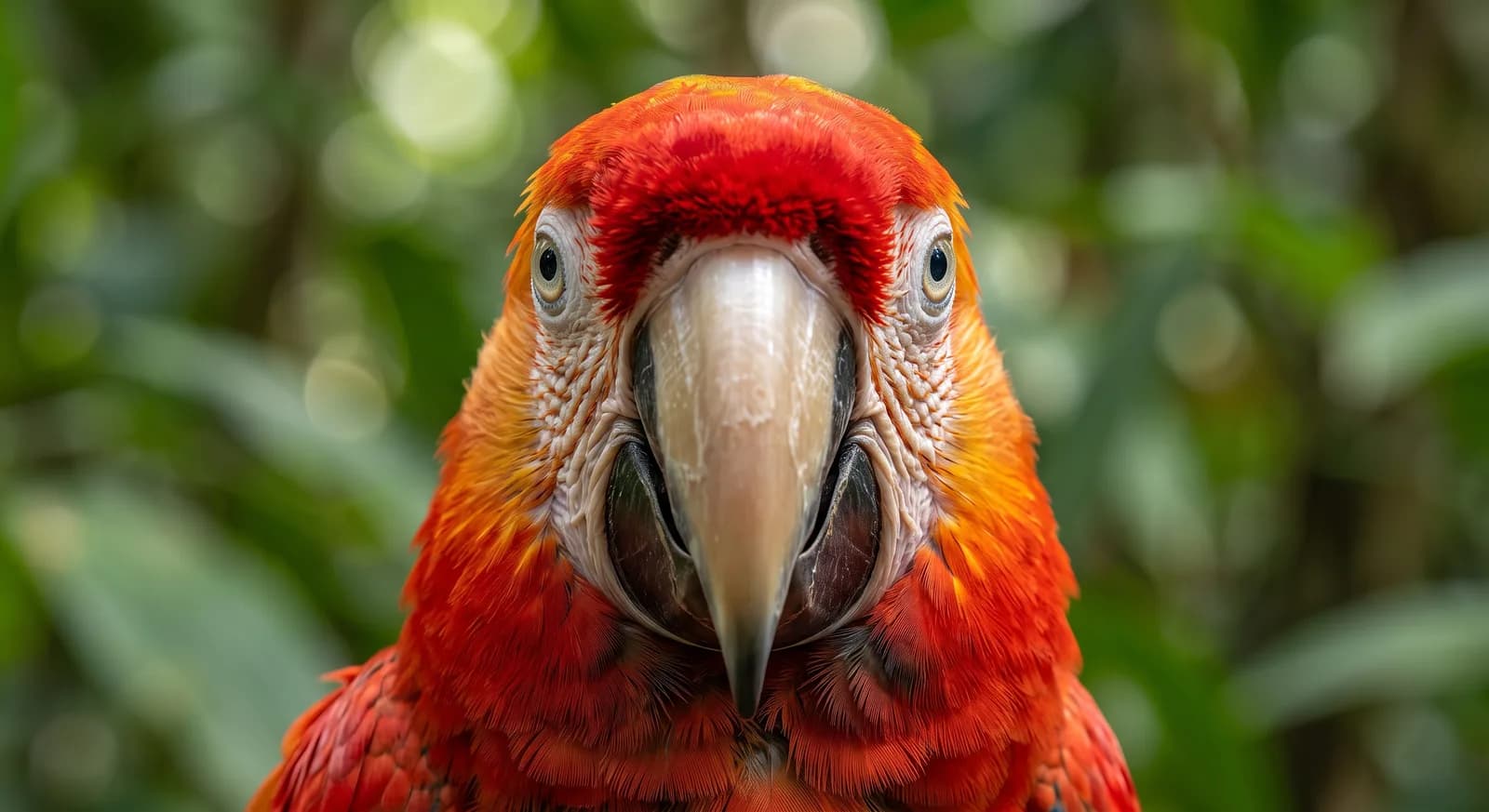
Scarlet Macaw
Ara macao
 Least Concern
Oilbird
Steatornis caripensis
 Least Concern
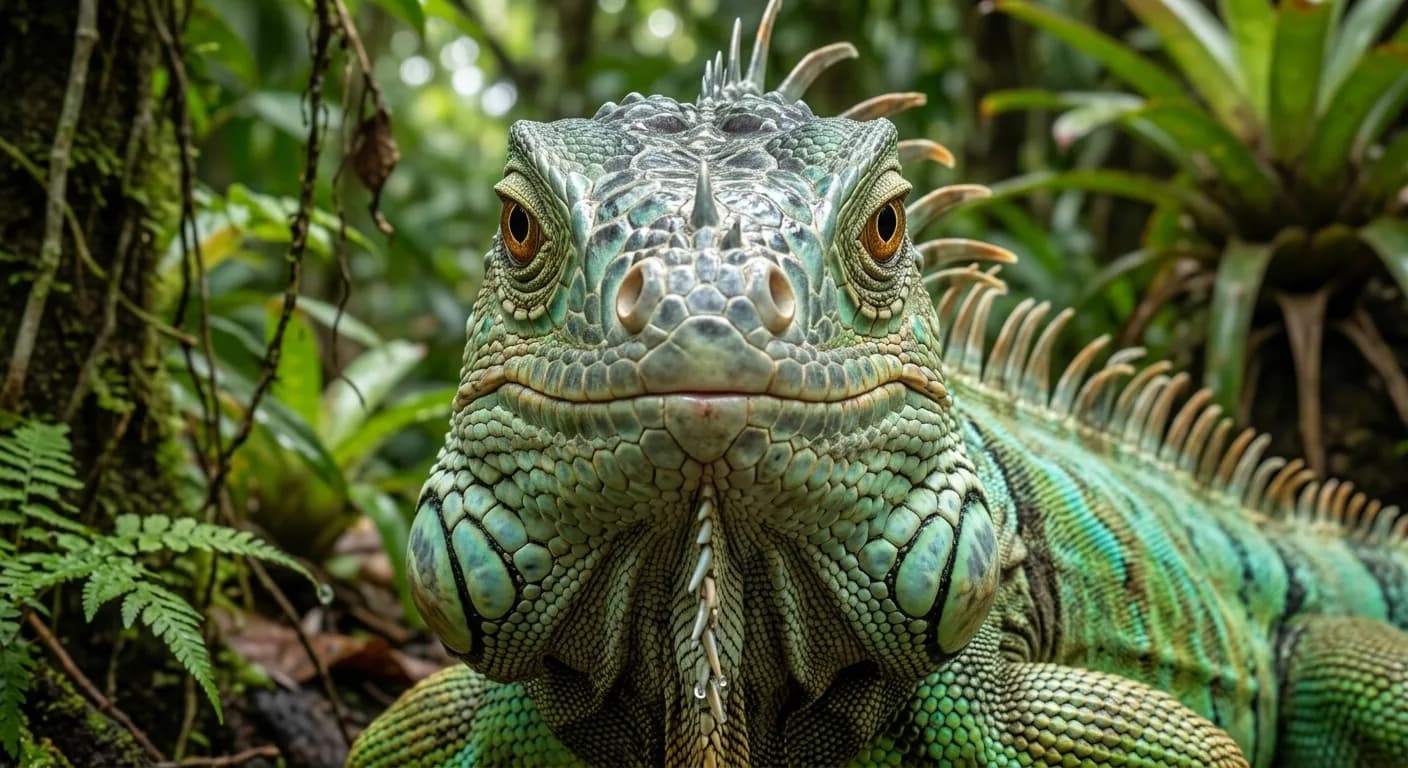
Green Iguana
Iguana iguana
 Least Concern
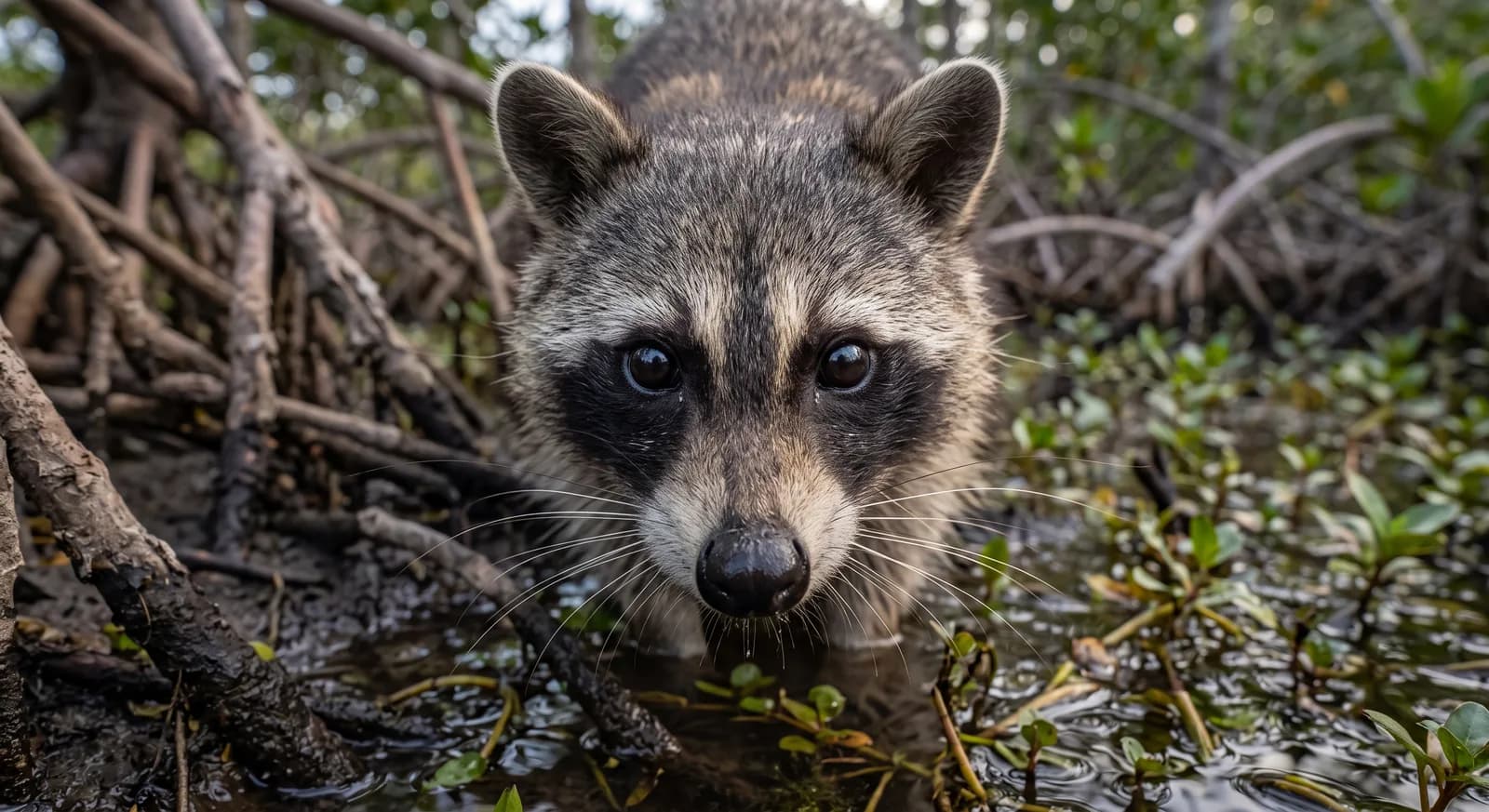
Crab-eating Raccoon
Procyon cancrivorus
Keep exploring
Based on what we already know about Trinidad and Tobago.