Spain's largest coastal freshwater lagoon, ringed by rice paddies and separated from the sea by the Dehesa del Saler.
Area
211 km²
Declared in
1986
Region
Southern Europe
Climate
Árido / desértico, Templado, Mediterráneo, Montañoso
Best time
All year round
Highlight
A shallow coastal lagoon, marshland and rice paddies
L'Albufera Natural Park protects 21,120 hectares some ten kilometres south of the city of Valencia, spread across thirteen municipalities. Its core is a shallow coastal lagoon, barely a metre deep on average and with some 24 km² of open water, ringed by more than 200 km² of rice paddies and separated from the Mediterranean by a narrow sand bar whose dunes are held in place by a pine wood: the Dehesa del Saler. The Romans called it Nacarum Stagnum and some Arab poems, Mirror of the Sun; its present name comes from the Arabic al-Buhayra, the lake.
The landscape is in equal parts geological and human. The Valencian plain, low-lying and subsiding, was filled in with Quaternary alluvium after the old gulf was closed off by a coastal bar, and the lagoon was left as the natural reservoir of a 917 km² catchment between the Turia and the Júcar; it connects with the sea through three drainage channels called golas, whose sluices allow the water level to be managed according to the needs of the rice. From the fifteenth century onwards human intervention gradually drained and narrowed the lagoon to win farmland. In the 1960s the process reached its limit: a plan was approved to develop the Dehesa del Saler that threatened to build over the dune bar. The public reaction and the request of Valencia City Council in 1984 led to its declaration as a natural park on 8 July 1986, by Decree 89/1986 of the Generalitat Valenciana.
Fresh water and salt, dehesa, cultivation and dune are the park's four environments, and each contributes its own set of species: coastal dunes with sea bindweed and couch grass, salt marshes, Mediterranean woodland of Aleppo pine, mastic, juniper, kermes oak and dwarf fan palm in the Saler, and extensive reedbeds along the shores. It is a key passage and wintering point for the migratory birds of the western Mediterranean. Among the fish, two threatened Iberian endemics stand out, the Valencia toothcarp (Valencia hispanica) and the Spanish toothcarp (Aphanius iberus), along with eel, mullet and sea bass, the basis of a traditional fishery that is now heavily restricted. The park has been on the Ramsar list of wetlands of international importance since 1990 and is a Special Protection Area for Birds and a Site of Community Importance in the Natura 2000 network.
Location
See on the interactive map4 dive sites within 300 km are also shown.
224 species documented in Albufera de Valencia
At conservation risk:Caballito de mar europeo,Dentón,Murciélago de cueva (murciélago de alas largas),Nacra,Pardela balear,Perdiz roja,Porrón europeo,Quelvacho,Sapo de espuelas ibérico
Abeja carpintera violeta
Xylocopa violacea
Abejaruco europeo
Merops apiaster
Abubilla
Upupa epops
Agachadiza común
Gallinago gallinago
Águila calzada
Hieraaetus pennatus
Aguilucho cenizo
Circus pygargus
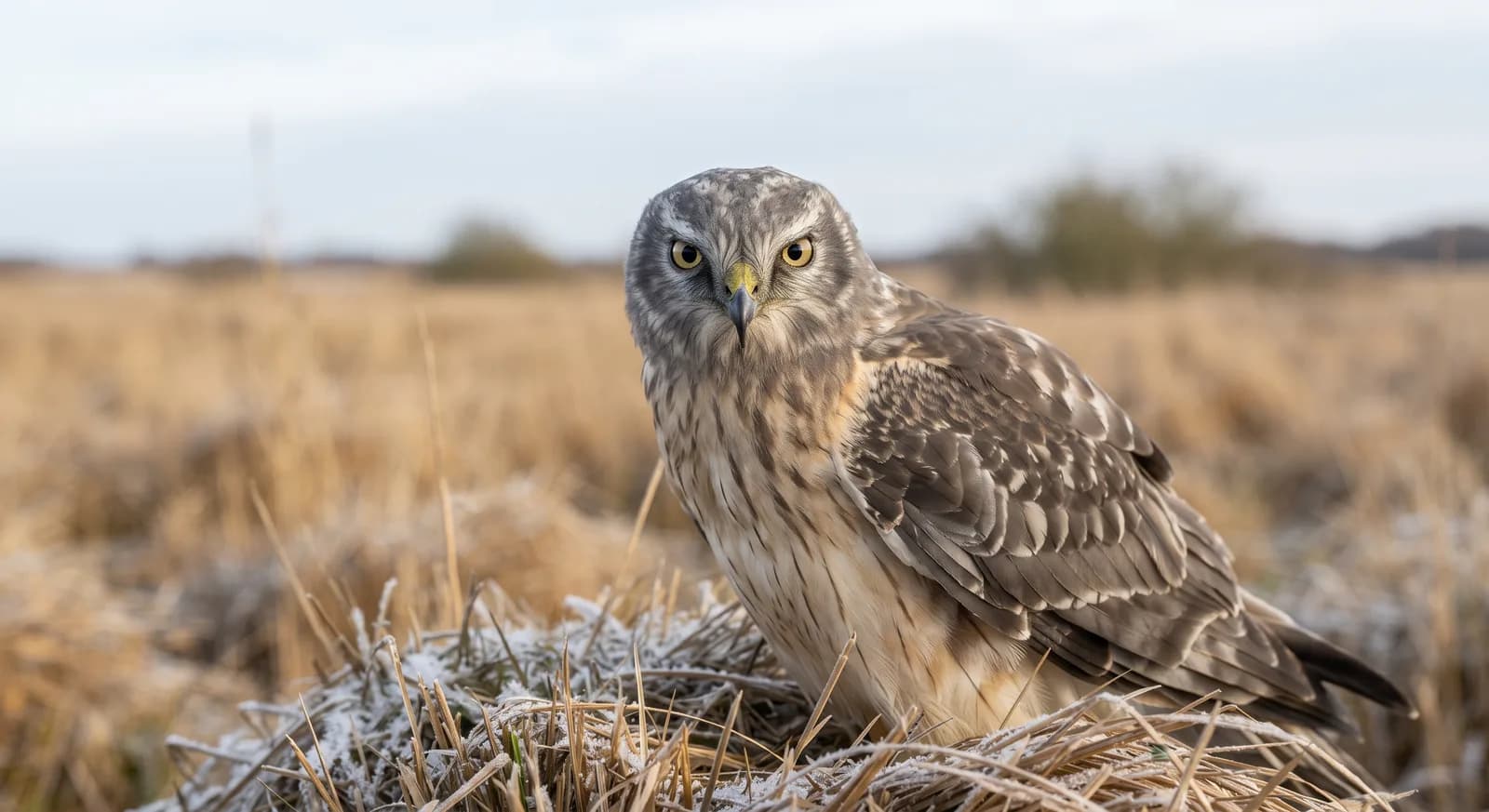 Least Concern
Aguilucho pálido
Circus cyaneus
Aguja colinegra
Limosa limosa
Aguja de mar
Syngnathus acus
Agujeta
Belone belone
 Least Concern
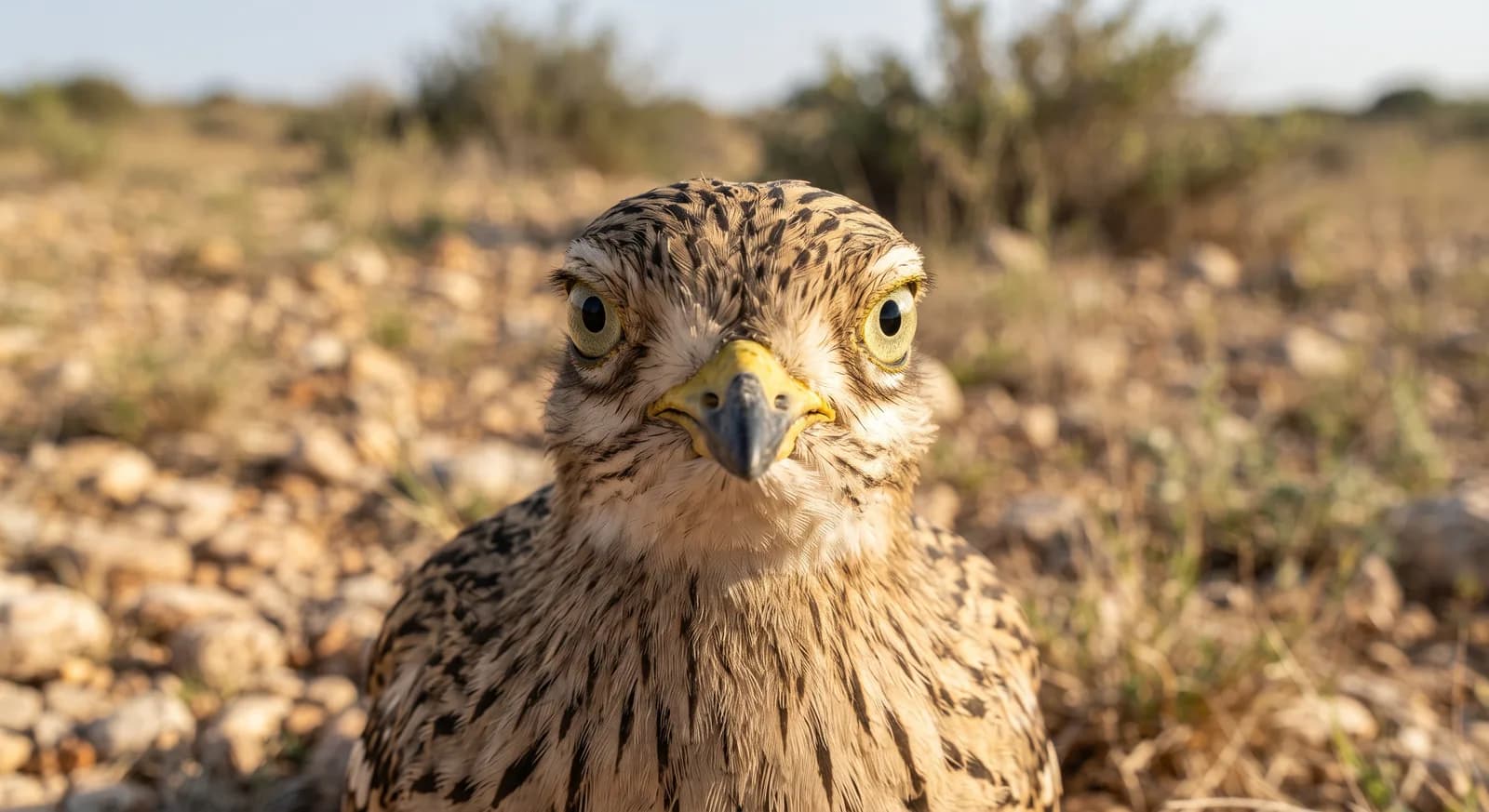
Alcaraván común
Burhinus oedicnemus
Alcaudón común
Lanius senator
Flora and ecosystems
Ecosystems found in Spain, where Albufera de Valencia lies.
Experiences in this park
Nearby dive sites
Where can I dive near here?
Columbretes Islands
108 km away
Formentera (Es Freus)
169 km away
Cabo de Palos
191 km away
Balearic Islands (Cabrera)
231 km away
Similar parks
Which other parks are like this one?
Keep exploring
Based on what we already know about Albufera de Valencia.
Your rating
How many stars would you give Albufera de Valencia?
Comments
Share your experience visiting Albufera de Valencia, or a tip for other travellers.
Be the first to comment.