Arcipelago Toscano
Italy · Southern EuropeThe largest marine park in the Mediterranean: seven Tyrrhenian islands between Tuscany and Corsica, a biosphere reserve since 2003.
Area
798 km²
Declared in
1996
Region
Southern Europe
Climate
Templado, Mediterráneo, Montañoso
Highlight
A Tyrrhenian archipelago that is predominantly marine
The Tuscan Archipelago National Park was created in 1996, with an extension in 1997, and protects the seven islands of the archipelago — Elba, the largest and most varied; Gorgona, the smallest; Capraia, the most remote; Pianosa, the flattest; Montecristo, a nature reserve since 1971 and the most intact; and Giglio and Giannutri, the southernmost — as well as several islets and rocks scattered between Tuscany and Corsica. It is the largest marine park in the Mediterranean: around 78 % of its area is sea and only 22 % land, with some 17,900 hectares on land and some 56,800 at sea.
The geology of the islands is very varied: Capraia is volcanic, while Elba and Giglio are fundamentally granitic, and that diversity translates into different landforms and landscapes on each. The archipelago has always acted as a refuge and a link between the Sardinian-Corsican system and the mainland, which has favoured the appearance of highly specialised species during the periods of isolation. Twenty-two natural habitat types and 37 rare or endemic animal species of Community interest have been identified, among them the peregrine falcon and the Mediterranean horseshoe bat. The dominant vegetation is Mediterranean scrub, with surviving holm oak woods in some sectors of Elba and chestnut groves in the mountains, an element uncommon on an island.
Human presence is very ancient and has profoundly transformed the original vegetation: there are some thirty prehistoric sites, numerous Etruscan sites linked to mining, remains of Roman maritime villas on Elba, Pianosa, Giannutri, Giglio and Capraia, and Pisan and Genoese fortresses. In 2003 UNESCO recognised the Isole di Toscana Biosphere Reserve, extended in 2015 to take in the seven islands and a broad stretch of sea, with ten municipalities involved and more than 30,000 permanent residents. Part of the area also forms the Pelagos Sanctuary for Mediterranean marine mammals.
Location
See on the interactive map4 dive sites within 300 km are also shown.
220 species documented in Arcipelago Toscano
At conservation risk:Angelote,Anjova,Atún rojo,Caballito de mar europeo,Cazón,Coral rojo,Dentón,Guitarra común,Jurel,Langosta europea,Marrajo dientuso,Mero morenoand 9 more
Abeja carpintera violeta
Xylocopa violacea
Abubilla
Upupa epops
Acentor común
Prunella modularis
Águila calzada
Hieraaetus pennatus
Aguja de mar
Syngnathus acus
Agujeta
Belone belone
Alcaudón común
Lanius senator
 Least Concern
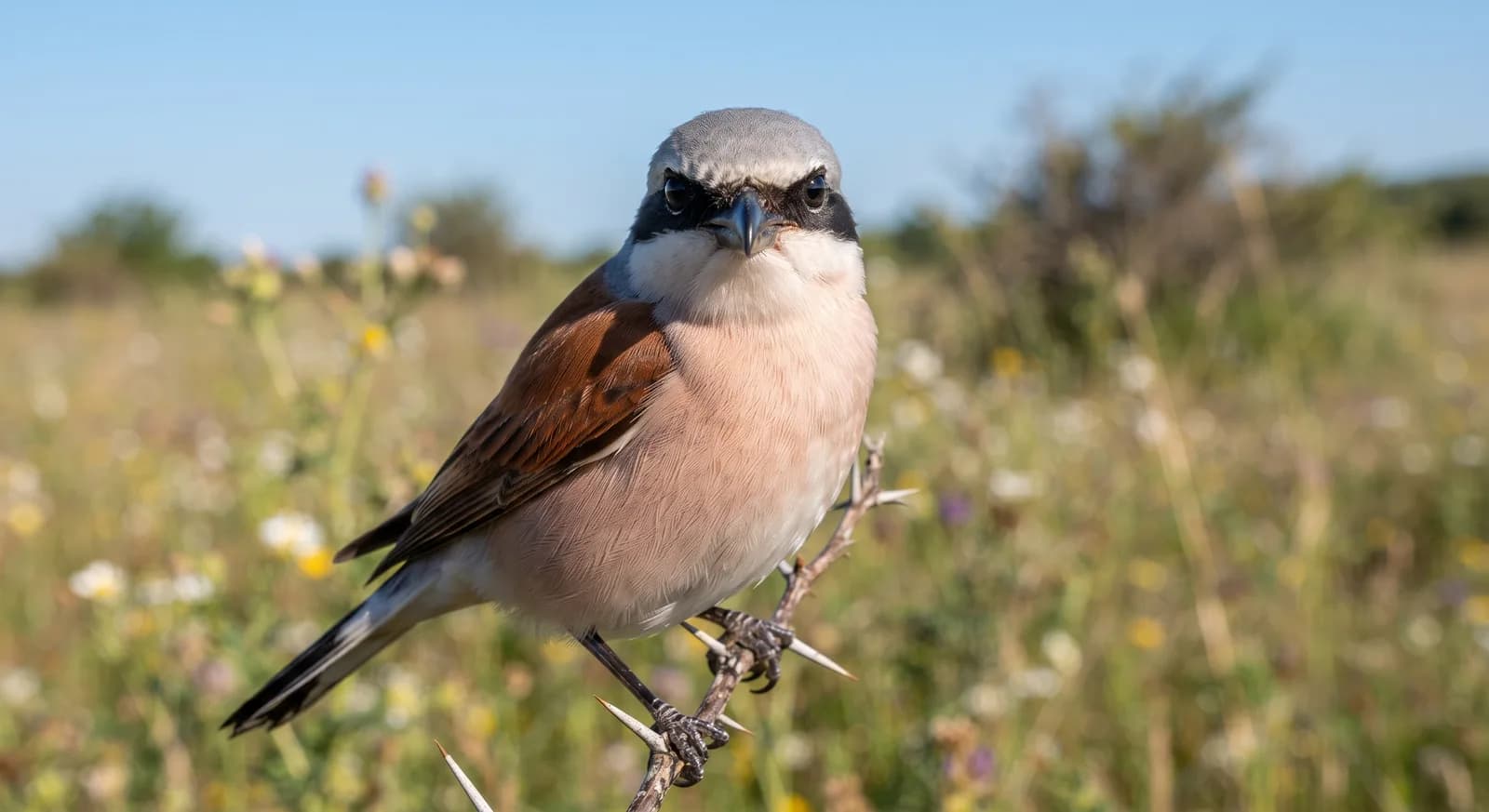
Alcaudón dorsirrojo
Lanius collurio
Alitán
Scyliorhinus stellaris
Almeja fina
Ruditapes decussatus
Alondra común
Alauda arvensis
 Least Concern
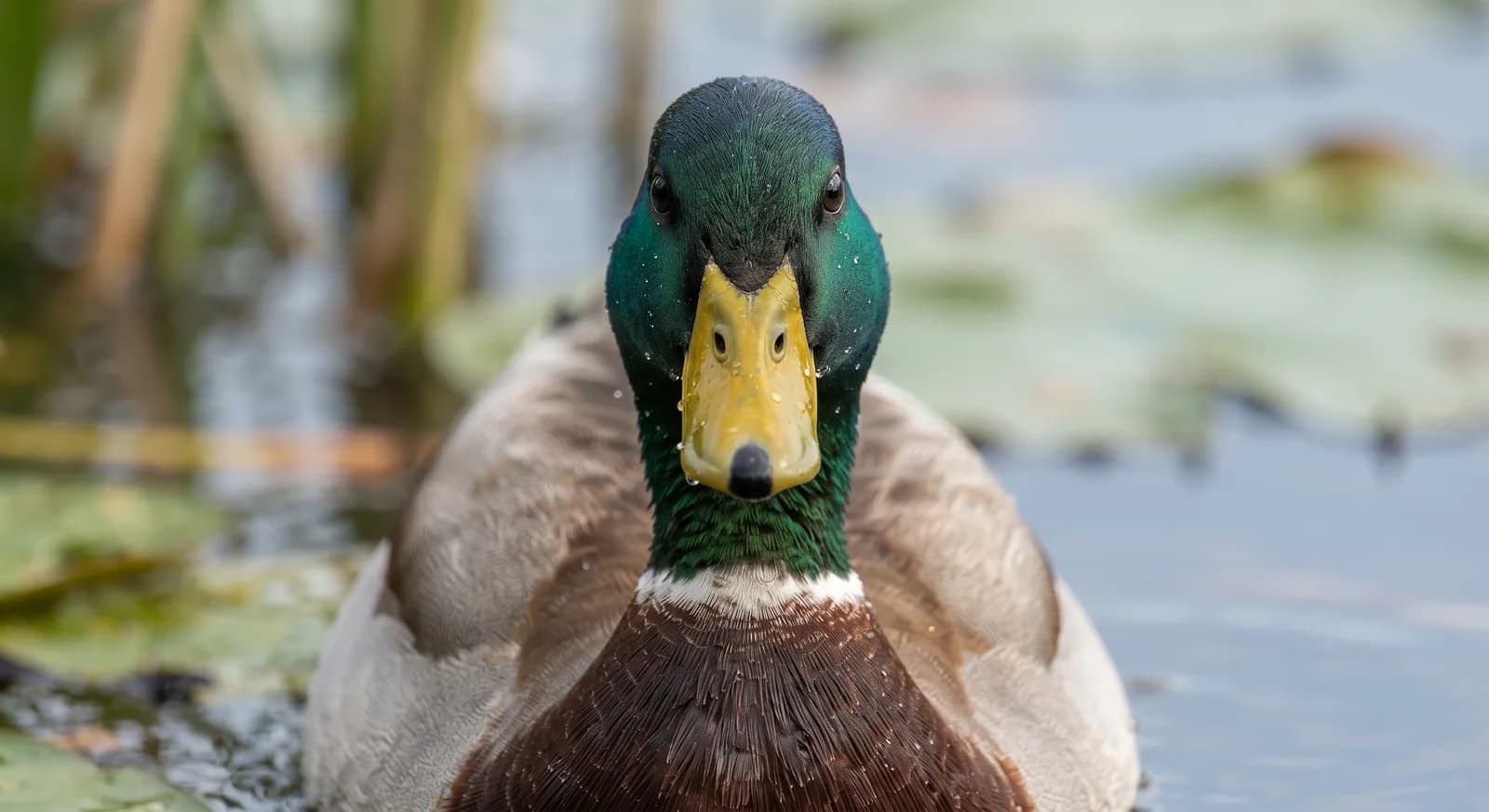
Ánade real
Anas platyrhynchos
Flora and ecosystems
Ecosystems found in Italy, where Arcipelago Toscano lies.
Experiences in this park
Nearby dive sites
Where can I dive near here?
Elba Island
4 km away
Scandola Reserve (Corsica)
151 km away
Portofino Marine Reserve
188 km away
Tavolara (Cerdeña)
217 km away
Similar parks
Which other parks are like this one?
Pollino
Italy
Apennine Wolf · Italian Roe Deer
View parkMismo país: Italy
Val Grande
Italy
Alpine Chamois · Roe Deer
View parkMismo país: Italy
Keep exploring
Based on what we already know about Arcipelago Toscano.
Your rating
How many stars would you give Arcipelago Toscano?
Comments
Share your experience visiting Arcipelago Toscano, or a tip for other travellers.
Be the first to comment.