Skip to content
WAnimals
  • Map
  • Species
  • Parks
  • Diving
Log inCreate account
WAnimals

The guide for travellers and animal lovers: discover, plan and share your wild adventures around the world.

Discover wildlife

  • Species
  • Ecosystems
  • Glossary
  • Tags

Explore places

  • Map
  • Countries
  • Parks
  • Diving

Plan experiences

  • Guides

Learn

  • Blog

Resources

  • About us
  • How we build our profiles
  • Help centre
  • Contact
  • Install the app

Follow us

Account

  • Log in
  • Create account

© 2026 WAnimals. All rights reserved.

Terms of servicePrivacyCookiesLegal notice
MapSpeciesParksDiving
  1. Home
  2. Species
  3. Rock Gunnel

Bony fish · Perciformes · Pholidae

Rock Gunnel

Pholis gunnellus

Least Concern

The species is abundant and widely distributed; it faces no significant short-term risk.

Spotted something wrong?

The rock gunnel is an elongated, compressed, eel-like fish with a row of white-edged black blotches along the base of the dorsal fin. It lives under stones and among algae in the intertidal zone, where it survives low tide thanks to a coat of mucus that keeps it from drying out.

Size

15 cm – 25 cm

Diet

Carnivore

Feeds mainly on other animals.

Social structure

Solitary

Lives and hunts alone, joining others only to breed.

17countries

Fun facts

  • It survives for hours out of the water under a damp stone, breathing partly through its skin.
  • The male and the female coil around the egg mass and take turns brooding it until it hatches.
  • It is a key food for cormorants, herons and otters on the coasts of the North Atlantic.
  • It survives out of the water. When the tide goes out it stays under a damp stone and breathes through its skin, which lets it hold on for hours until the sea returns.
  • Its body is elongated and compressed, almost eel-like, covered in a thick mucus that gives it a slippery feel and keeps it from drying out — hence its English name, butterfish.
  • It has between nine and fifteen dark spots edged in white along its dorsal fin, a pattern that helps identify it.
  • The parents coil their bodies around the egg mass, laid in an empty shell or under a stone, and guard it until it hatches.
  • It is an important prey of seabirds and larger fish on the rocky coasts of the North Atlantic.

Life cycle and biology

Skeleton type
Vertebrate - internal bony skeleton (bony fish)
Habitat and environment
Under stones and algae in the intertidal and shallow subtidal of the North Atlantic

Sources consulted: FishBase (Froese & Pauly, eds.) · Lista Roja de la UICN · Marine Life Information Network

Where to find it

Loading map…

Related species

Other species in the catalogue with the most in common with Rock Gunnel — same habitat, park, country, tags or family.

Related to
Related to
Related to
Related to
Related to
Related to

Keep exploring

Based on what we already know about rock gunnel.

Share an experience, a fun fact or a tip for seeing the rock gunnel.
See full glossary
This page in other languages: Español · Deutsch · Français · Português · Italiano
Ocean
See its range on the interactive map→
Least Concern

Horn Shark

Heterodontus francisci

Green MorayLeast Concern

Green Moray

Gymnothorax funebris

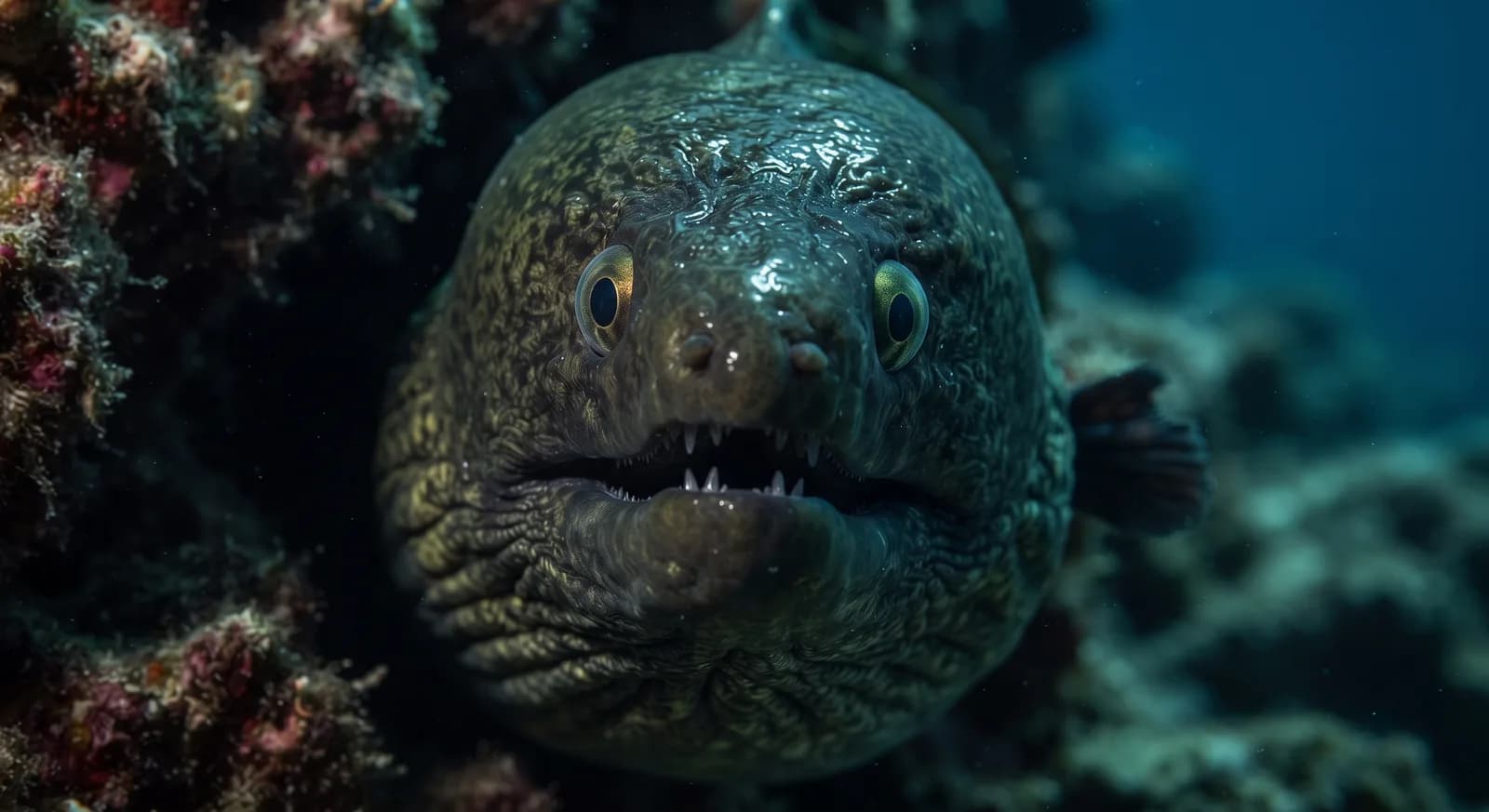
Mediterranean MorayLeast Concern

Mediterranean Moray

Muraena helena

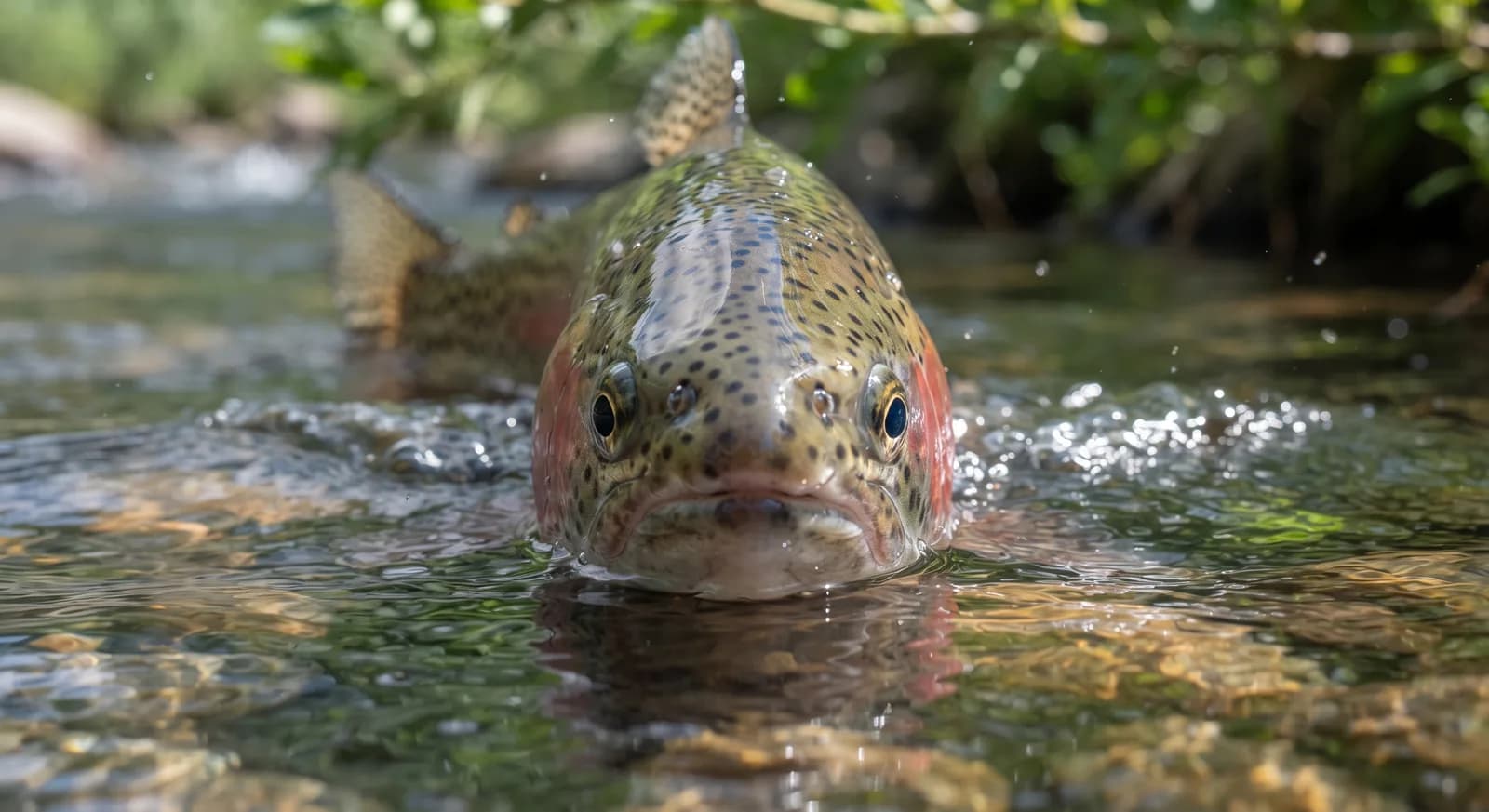
Rainbow TroutLeast Concern

Rainbow Trout

Oncorhynchus mykiss

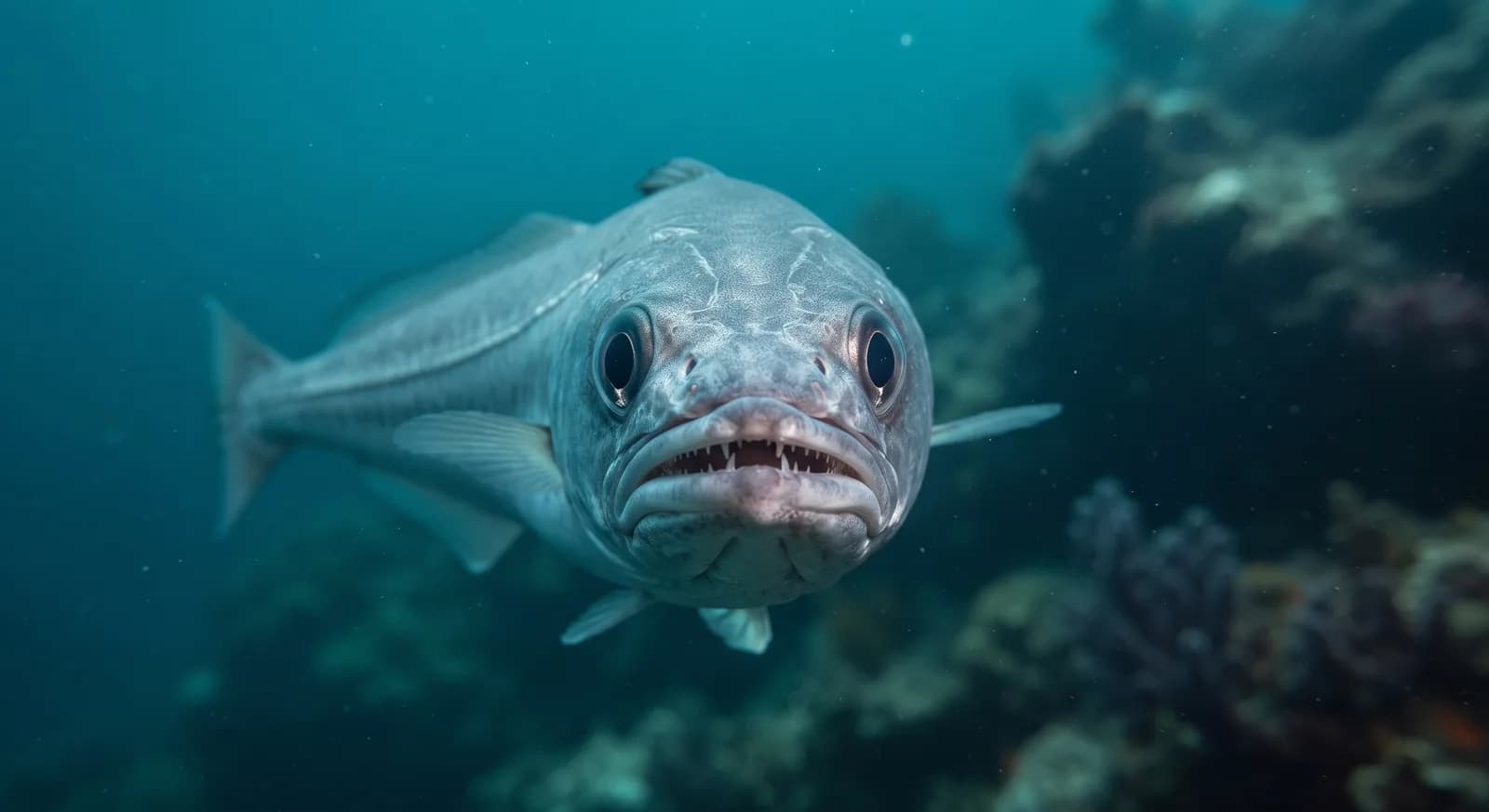
European HakeLeast Concern

European Hake

Merluccius merluccius

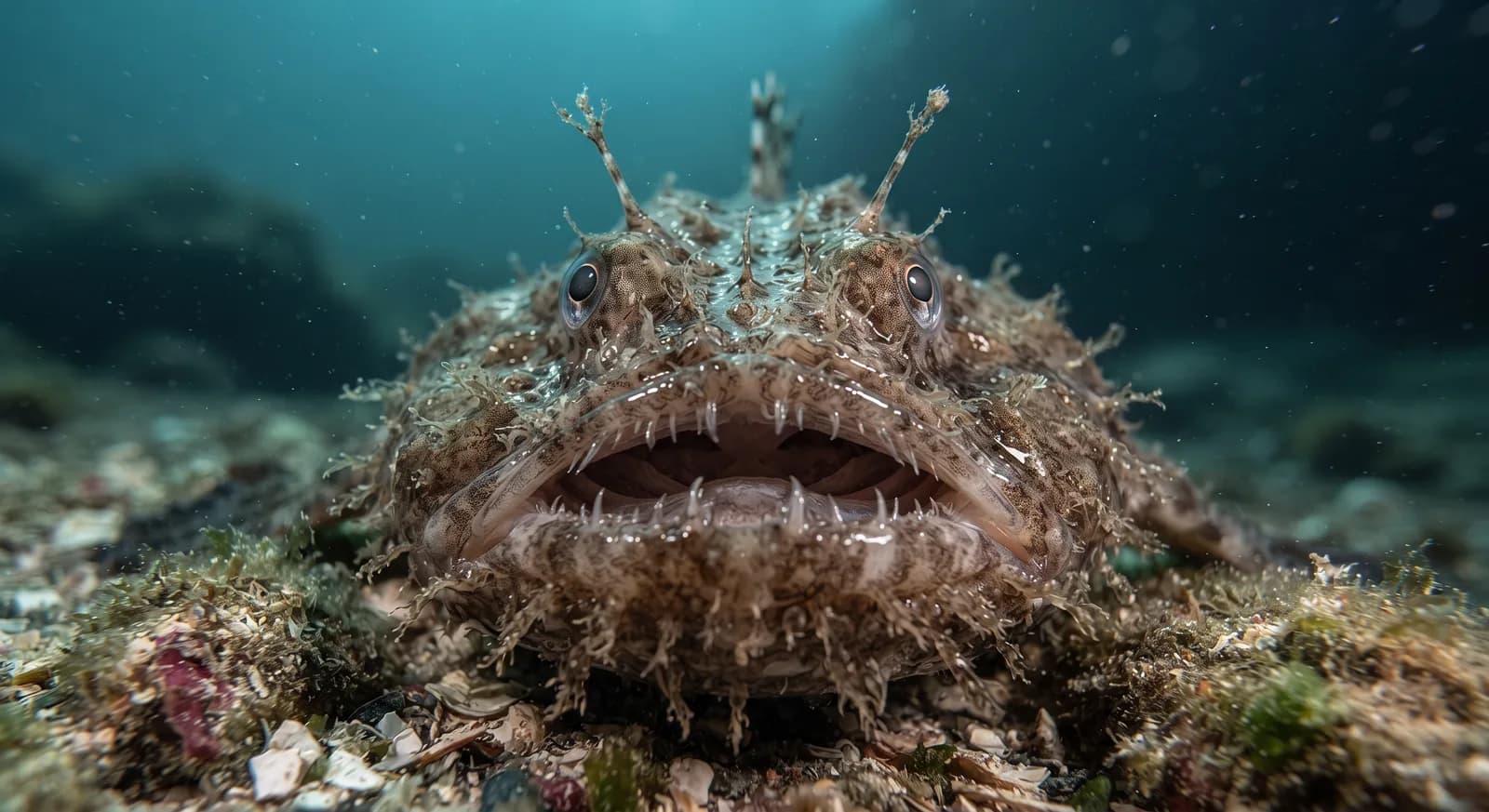
AnglerLeast Concern

Angler

Lophius piscatorius

CountriesBelgium
TagsCarnivore
Carnivore
Solitary
Fish
Ocean

Europe13

North America3

Asia1

Belgium
Canada
Denmark
Finland
France
Germany
Belgium
Denmark
Finland
France
Germany
Iceland
Ireland
Netherlands
Norway
Portugal
Spain
Sweden
United Kingdom
Canada
Greenland
United States
Russia