Skip to content
WAnimals
  • Map
  • Species
  • Parks
  • Diving
Log inCreate account
WAnimals

The guide for travellers and animal lovers: discover, plan and share your wild adventures around the world.

Discover wildlife

  • Species
  • Ecosystems
  • Glossary
  • Tags

Explore places

  • Map
  • Countries
  • Parks
  • Diving

Plan experiences

  • Guides

Learn

  • Blog

Resources

  • Help centre
  • Contact
  • Install the app

Follow us

Account

  • Log in
  • Create account

© 2026 WAnimals. All rights reserved.

About usHow we build our profilesTerms of servicePrivacyLegal notice
MapSpeciesParksDiving
  1. Home
  2. Species
  3. Striped Lynx Spider

One of the 26 spiders on WAnimals

Arachnids · Araneae · Oxyopidae

Striped Lynx Spider

Oxyopes lineatus

Not Evaluated

It has not yet been assessed against the IUCN criteria.

Spotted something wrong?

A lynx spider with a slender body and legs bristling with long black spines, and dark lengthwise lines on the back. It spins no web to hunt: it stalks over vegetation and pounces on its prey with a cat-like agility, which is what gives it its name.

Size

up to 0.9 cm

Diet

Carnivore

Feeds mainly on other animals.

Activity

Diurnal

Active mainly during the day.

Social structure

Solitary

Lives and hunts alone, joining others only to breed.

Sighting difficulty

Unknown

Grassland
16countries

Fun facts

  • Its eight eyes are set in a strongly raised hexagon that gives it almost all-round vision, uncommon among hunting spiders.
  • The long spines on its legs form a cage that holds the prey at the moment of the pounce.
  • The female fixes the egg sac to a plant and guards it until hatching, barely feeding at all.
  • It is a lynx spider: it hunts by running and leaping over vegetation, without spinning a web, and its legs are covered in long, bristling spines that form a cage to hold its prey.
  • Its eyes are arranged in a highly distinctive hexagon, which identifies it instantly within the family.
  • Other species in the genus can spit venom at a distance in defence, a behaviour documented in North American lynx spiders.
  • The female fastens her egg sac to the vegetation and guards it without leaving its side, even giving up feeding.
  • It is a useful predator in Mediterranean crops, where it consumes pests of herbaceous plants.

Life cycle and biology

Skeleton type
Invertebrate - chitin exoskeleton (arachnid)
Habitat and environment
Dry grassland, scrub and Mediterranean crops

Sources consulted: Nentwig, Spiders of Europe; Fauna Ibérica; Whitcomb, trabajos sobre Oxyopidae

Where to find it

Loading map…

Related species

Other species in the catalogue with the most in common with Striped Lynx Spider — same habitat, park, country, tags or family.

Related to
Related to
Related to
Related to
Related to
Related to

Keep exploring

Based on what we already know about striped lynx spider.

Comments

Share an experience, a fun fact or a tip for seeing the striped lynx spider.

Be the first to comment.
See full glossary
This page in other languages: Español · Deutsch · Français · Português · Italiano
See its range on the interactive map→
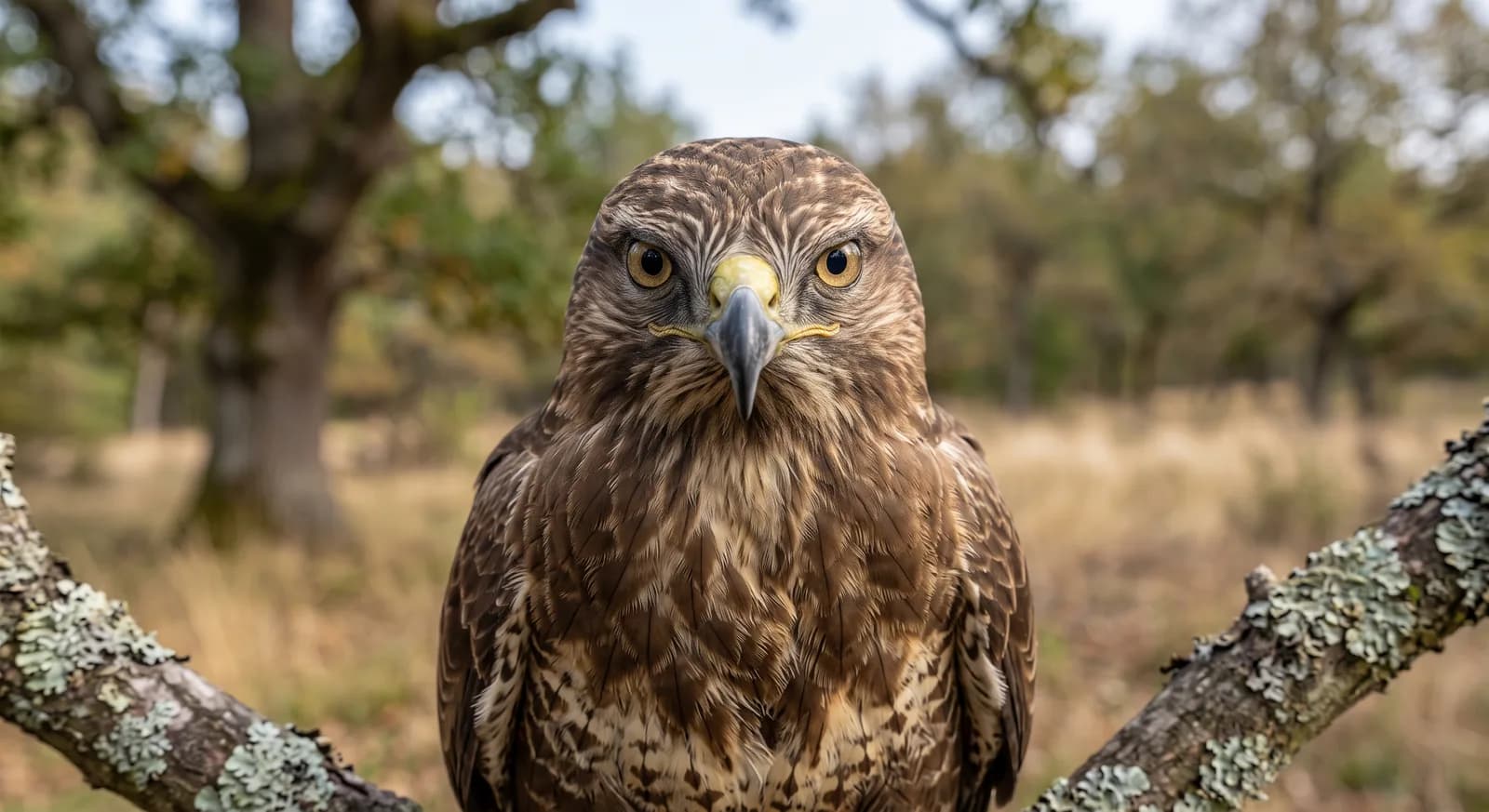
Common BuzzardLeast Concern

Common Buzzard

Buteo buteo

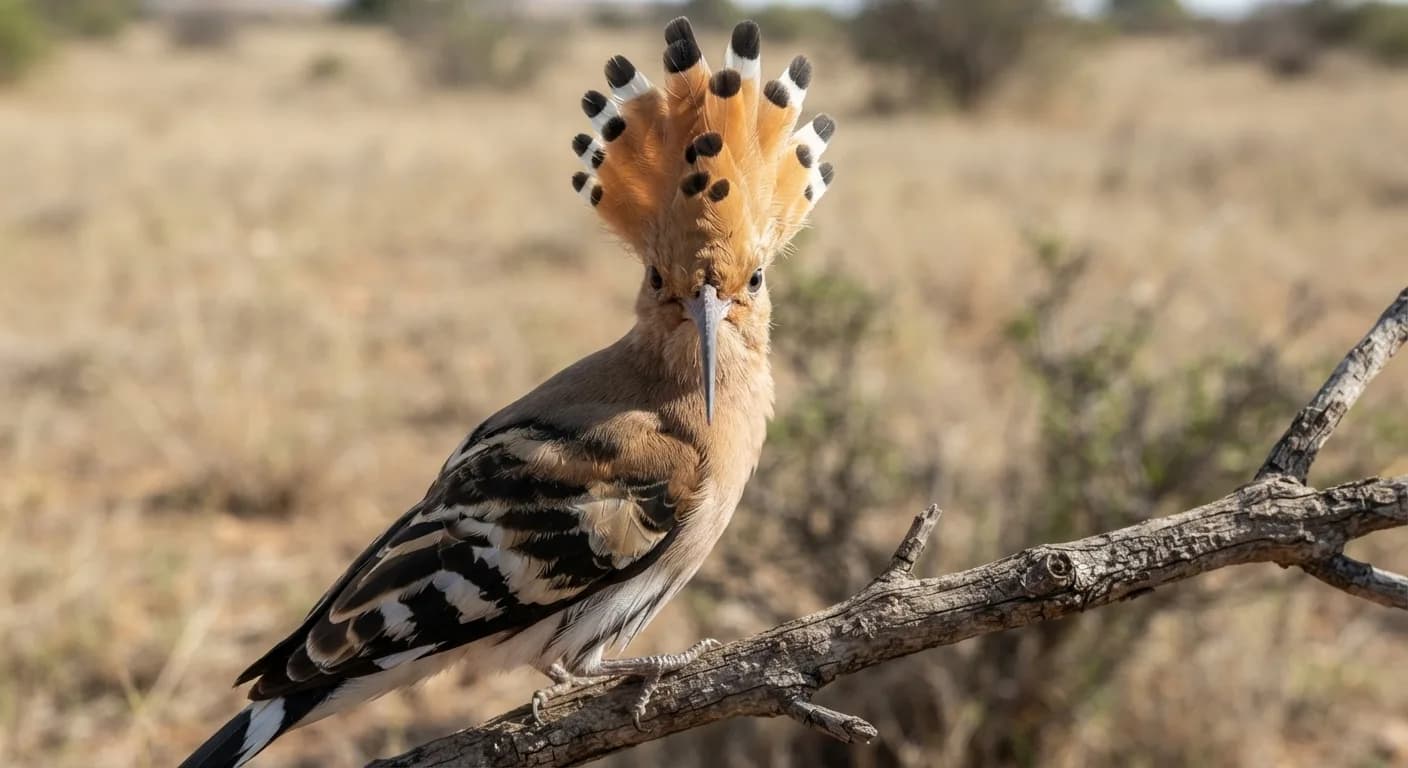
Eurasian HoopoeLeast Concern

Eurasian Hoopoe

Upupa epops

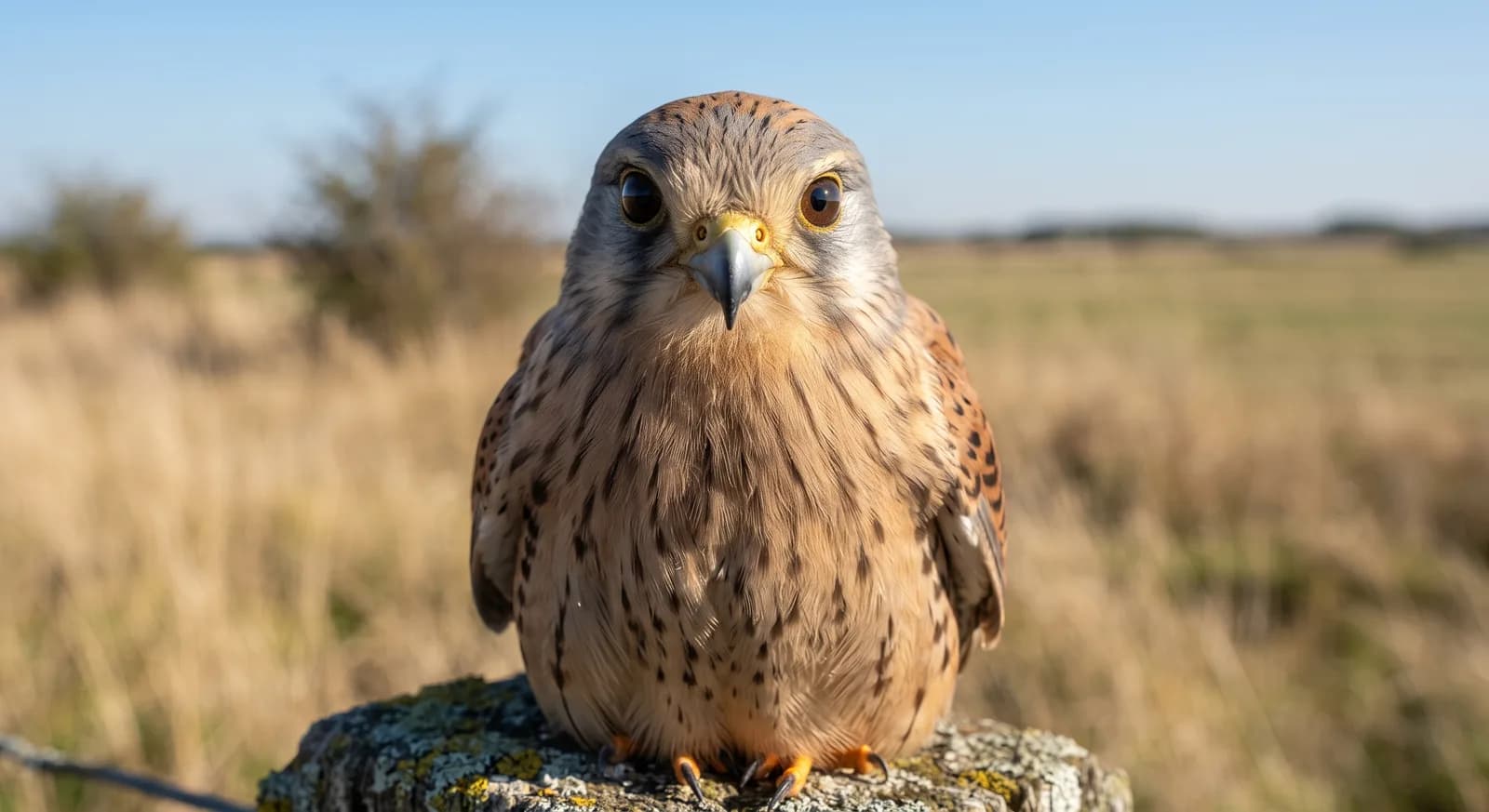
Common KestrelLeast Concern

Common Kestrel

Falco tinnunculus

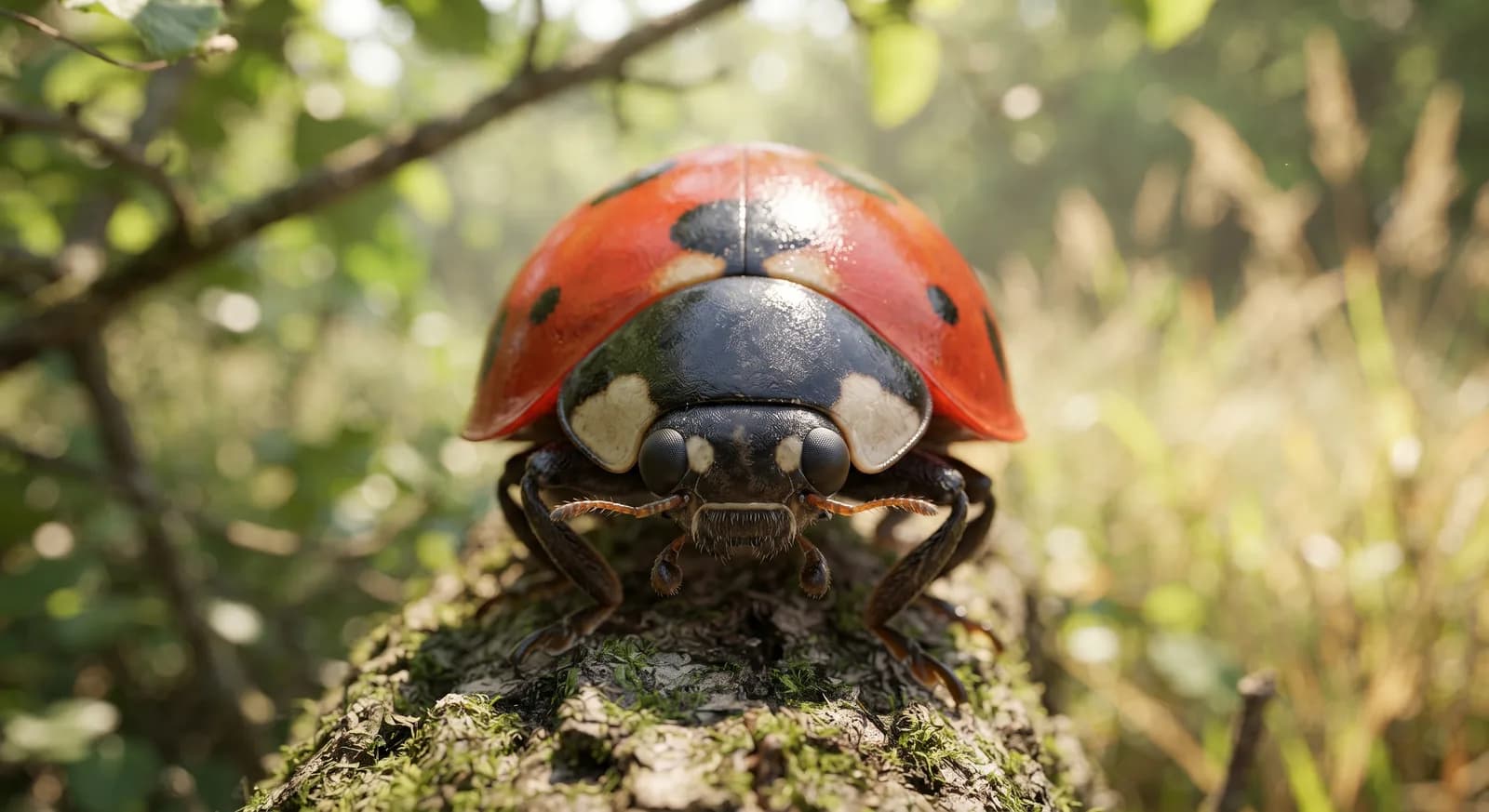
Seven-spotted Lady BeetleNot Evaluated

Seven-spotted Lady Beetle

Coccinella septempunctata

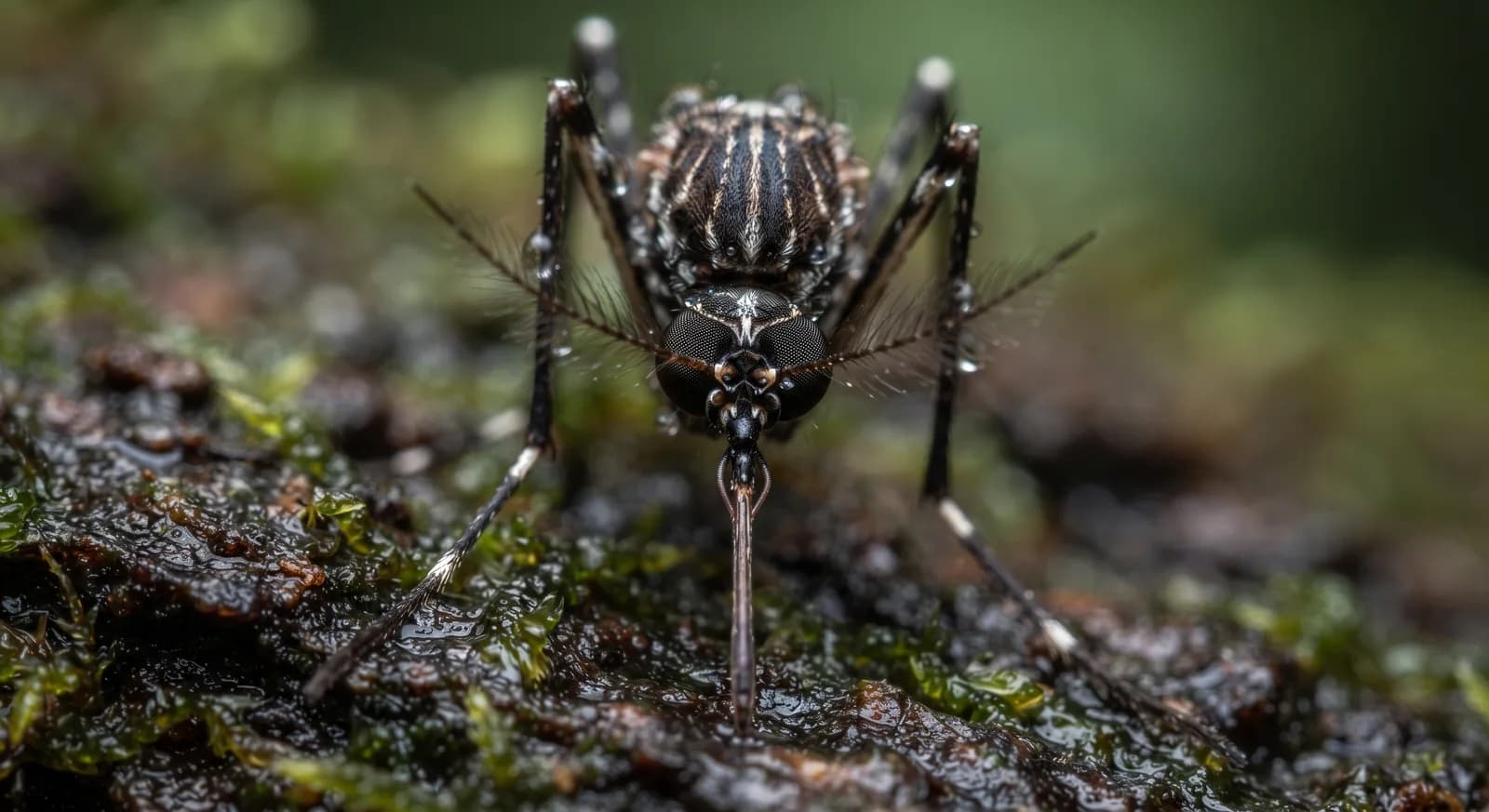
Yellow Fever MosquitoNot Evaluated

Yellow Fever Mosquito

Aedes aegypti

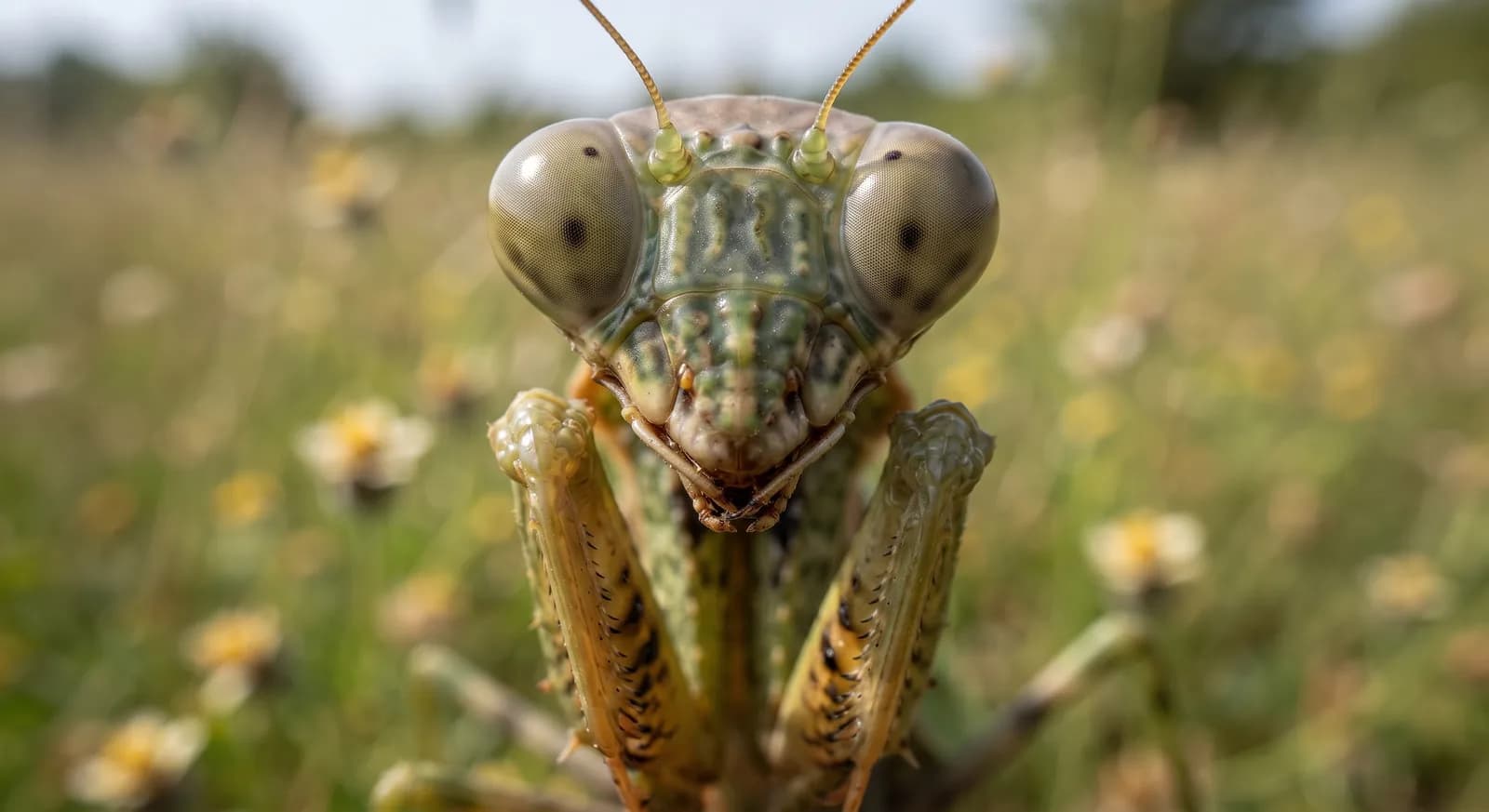
Praying MantisLeast Concern

Praying Mantis

Mantis religiosa

CountriesAndorra
TagsCarnivore
Carnivore
Diurnal
Solitary
Grassland
Arachnid
Andorra
Austria
Belgium
Denmark
France
Germany
Andorra
Austria
Belgium
Denmark
France
Germany
Ireland
Italy
Liechtenstein
Luxembourg
Monaco
Netherlands
Portugal
Spain
Switzerland
United Kingdom