Skip to content
WAnimals
  • Map
  • Species
  • Parks
  • Diving
Log inCreate account
WAnimals

The guide for travellers and animal lovers: discover, plan and share your wild adventures around the world.

Discover wildlife

  • Species
  • Ecosystems
  • Glossary
  • Tags

Explore places

  • Map
  • Countries
  • Parks
  • Diving

Plan experiences

  • Guides

Learn

  • Blog

Resources

  • About us
  • How we build our profiles
  • Help centre
  • Contact
  • Install the app

Follow us

Account

  • Log in
  • Create account

© 2026 WAnimals. All rights reserved.

Terms of servicePrivacyCookiesLegal notice
MapSpeciesParksDiving
  1. Home
  2. Species
  3. Wallcreeper
Wallcreeper (Tichodroma muraria)

Birds · Passeriformes · Tichodromidae

Wallcreeper

Tichodroma muraria

Least Concern

The species is abundant and widely distributed; it faces no significant short-term risk.

Spotted something wrong?

The wallcreeper is one of the most spectacular and hardest-to-see birds in Europe. Grey at rest, on opening its wings it reveals intense crimson patches that make it unmistakable. It lives on vertical high-mountain faces, where it works its way across the rock in short hops, probing the crevices for invertebrates with its long, curved bill. In winter it comes down to lower ground and turns up in gorges, on dams and even on cathedrals. In Spain it breeds in the Pyrenees and the Cantabrian Mountains.

Weight

15 g – 20 g

Size

15 cm – 17 cm

Life expectancy

8 years

Diet

Insectivore

Feeds mainly on insects and other invertebrates.

Activity

Diurnal

Active mainly during the day.

Social structure

Solitary

Lives and hunts alone, joining others only to breed.

Mountain
17countries23parks

AI-generated images: illustrations, not photographs.

Fun facts

  • As it works across the rock face it constantly opens and closes its wings, flashing the crimson in bursts that have earned it the nickname of the butterfly of the rocks.
  • It is the only species in its family: its lineage has been isolated from the other climbing birds for millions of years.

Life cycle and biology

Skeleton type
Vertebrate - internal bony skeleton (bird)
Habitat and environment
Rock faces and vertical walls of the high mountains; in winter it descends to ravines and gorges
Sexual maturity
12 months
Gestation / incubation
19 days of incubation
Litter / clutch size
4 eggs

Sources consulted: IUCN Red List · Animal Diversity Web · Wikipedia (es)

Where to find it

Loading map…

The pins mark the parks where its presence is documented.

Where to see it

Parks and dive sites where this species has been documented — showing 10 of 23.

Related species

Other species in the catalogue with the most in common with Wallcreeper — same habitat, park, country, tags or family.

Shares a park
Shares a park
Shares a park
Shares a park
Shares a park
Shares a park

Keep exploring

Based on what we already know about wallcreeper.

Share an experience, a fun fact or a tip for seeing the wallcreeper.
See full glossary
This page in other languages: Español · Deutsch · Français · Português · Italiano
See its range on the interactive map→
Swiss National ParkSwitzerland
Gran ParadisoItaly
VanoiseFrance
Hohe TauernAustria
Stelvio (Stilfserjoch)Italy
EcrinsFrance
MercantourFrance
Picos de EuropaSpain
Ordesa y Monte PerdidoSpain
Aiguestortes i Estany de Sant MauriciSpain
See all 23 parks
Western CapercaillieLeast Concern

Western Capercaillie

Tetrao urogallus

Least Concern

White-throated Dipper

Cinclus cinclus

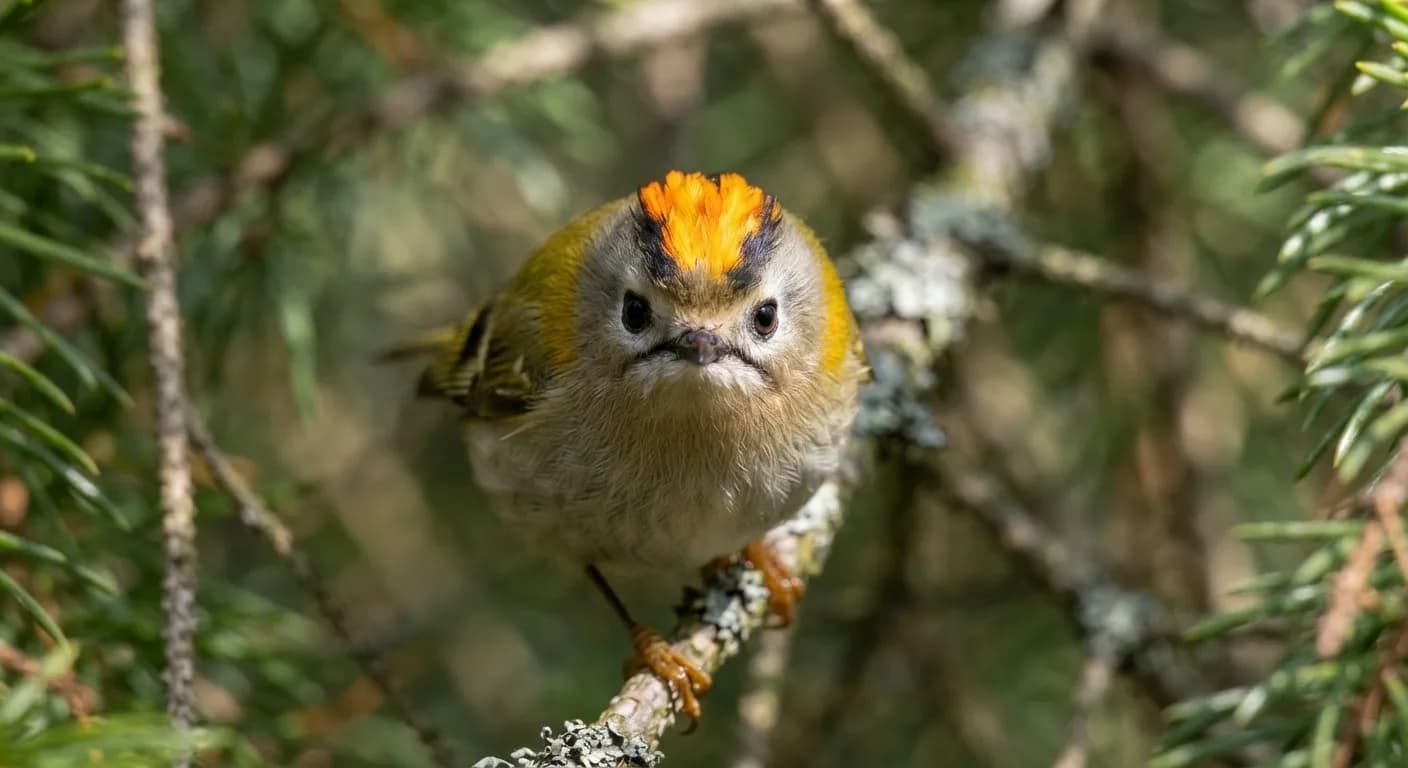
GoldcrestLeast Concern

Goldcrest

Regulus regulus

Least Concern

Spanish Wall Lizard

Podarcis hispanicus

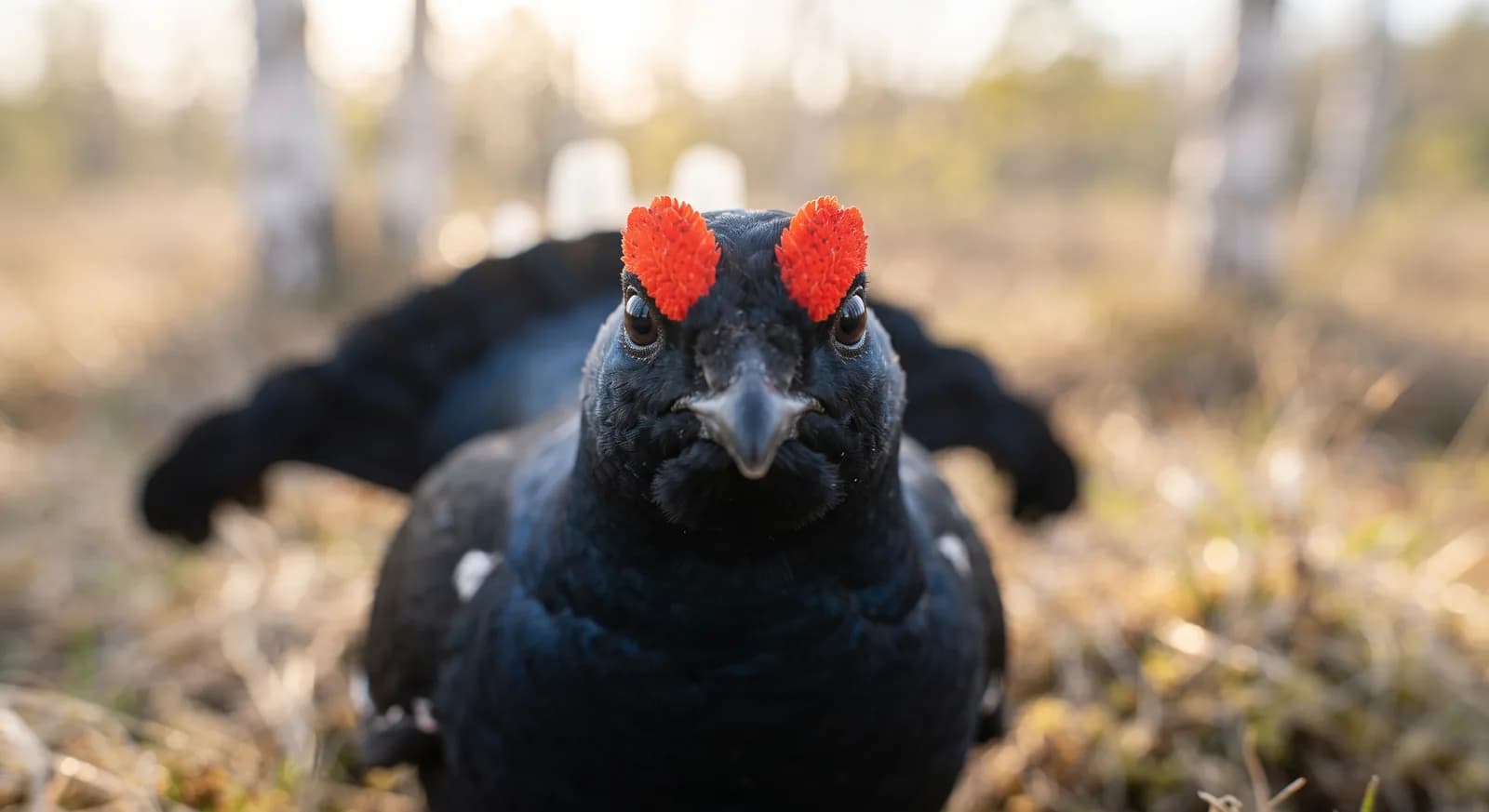
Black GrouseLeast Concern

Black Grouse

Lyrurus tetrix

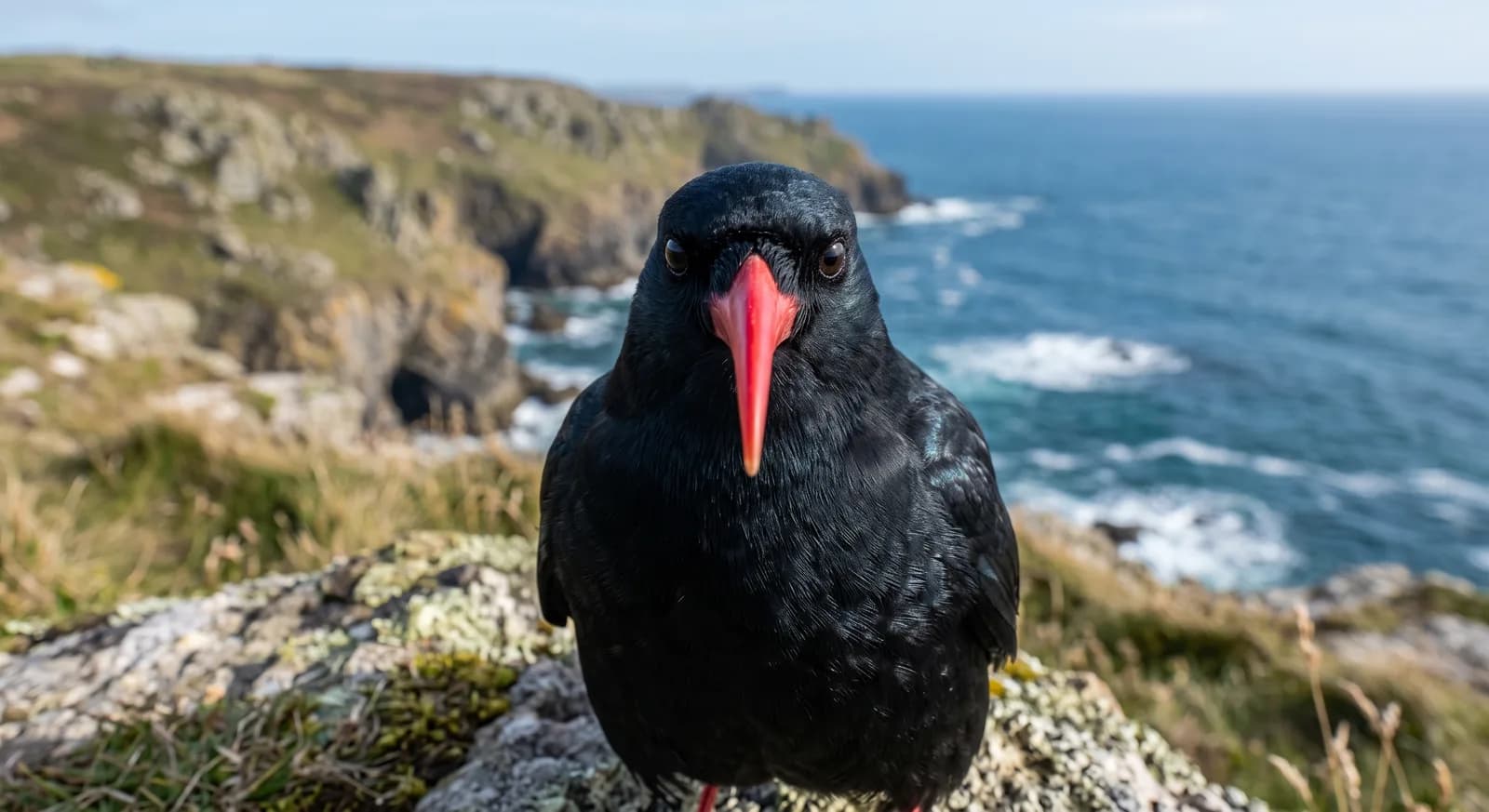
Red-billed ChoughLeast Concern

Red-billed Chough

Pyrrhocorax pyrrhocorax

CountriesSpain
ParksSwiss National ParkSwitzerland
TagsInsectivore
Insectivore
Diurnal
Solitary
Bird
Mountain

Asia10

Europe7

Spain
France
Austria
Italy
Russia
Switzerland
Afghanistan
Bhutan
China
India
Kyrgyzstan
Nepal
Pakistan
Russia
Tajikistan
Türkiye
Andorra
Austria
France
Greece
Italy
Spain
Switzerland