Skip to content
WAnimals
  • Map
  • Species
  • Parks
  • Diving
Log inCreate account
WAnimals

The guide for travellers and animal lovers: discover, plan and share your wild adventures around the world.

Discover wildlife

  • Species
  • Ecosystems
  • Glossary
  • Tags

Explore places

  • Map
  • Countries
  • Parks
  • Diving

Plan experiences

  • Guides

Learn

  • Blog

Resources

  • About us
  • How we build our profiles
  • Help centre
  • Contact
  • Install the app

Follow us

Account

  • Log in
  • Create account

© 2026 WAnimals. All rights reserved.

Terms of servicePrivacyCookiesLegal notice
MapSpeciesParksDiving
  1. Home
  2. countries
  3. Burundi

Burundi

Africa

174

Documented species

0

Parks and reserves

Burundi occupies the eastern edge of the Albertine Rift, with a mountain crest that separates the Nile and Congo basins and drops sharply towards Lake Tanganyika. That lake, one of the oldest and deepest in the world, is the country's great natural heritage: its waters hold an extraordinary assemblage of fish that evolved there and exist nowhere else. In the western mountains, Kibira park keeps montane rainforest continuous with Rwanda's Nyungwe, with chimpanzees, colobus and a rich forest birdlife. To the east, Ruvubu park protects a savannah crossed by the river of the same name, with buffalo, hippopotamuses and antelopes. The Rusizi wetlands, at the mouth of the river of the same name, concentrate hippopotamuses, crocodiles and waterbirds.

Nature in Burundi

National animal: No official national animal; the lion appears in the symbolism of the state

Did you know?

In Lake Tanganyika hundreds of cichlid fish species have evolved that live nowhere else, with astonishingly specialised ways of life. Some are tiny and spend their whole existence inside empty snail shells lying on the bottom, which they use as home, refuge and nest, defending them against intruders as though they were property.

Biodiversity profile

Conservation

Deforestation for firewood and cultivation and the silting of the rivers affect both Kibira and the water quality of Lake Tanganyika. Overfishing of the lake sardine compromises a protein source that is essential to the lakeside population.

Where and when to watch wildlife

Rusizi at dawn for hippopotamuses and crocodiles. Kibira in the dry season for chimpanzees and forest birds. The shores of Lake Tanganyika for cichlids with mask and snorkel.

Similar countries

Where else might I want to travel?

Rwanda

Same region: East Africa and the Horn of Africa

Uganda

Same region: East Africa and the Horn of Africa

South Sudan

Same region: East Africa and the Horn of Africa

Comoros

Same region: East Africa and the Horn of Africa

Species documented in Burundi

Filter
Class
Family
Habitat
Diet
Conservation

174 species found

Related guides

  • Threatened species of Burundi33 species
  • Threatened mammals of Burundi20 species
  • Threatened birds of Burundi9 species

Keep exploring

Based on what we already know about Burundi.
Explore by category

Discover wildlifeSpecies, ecosystems and everything protecting themExplore placesThe map, countries, parks and dive sites

Explore on the map

Interactive map

This page in other languages: Español · Deutsch · Français · Português · Italiano
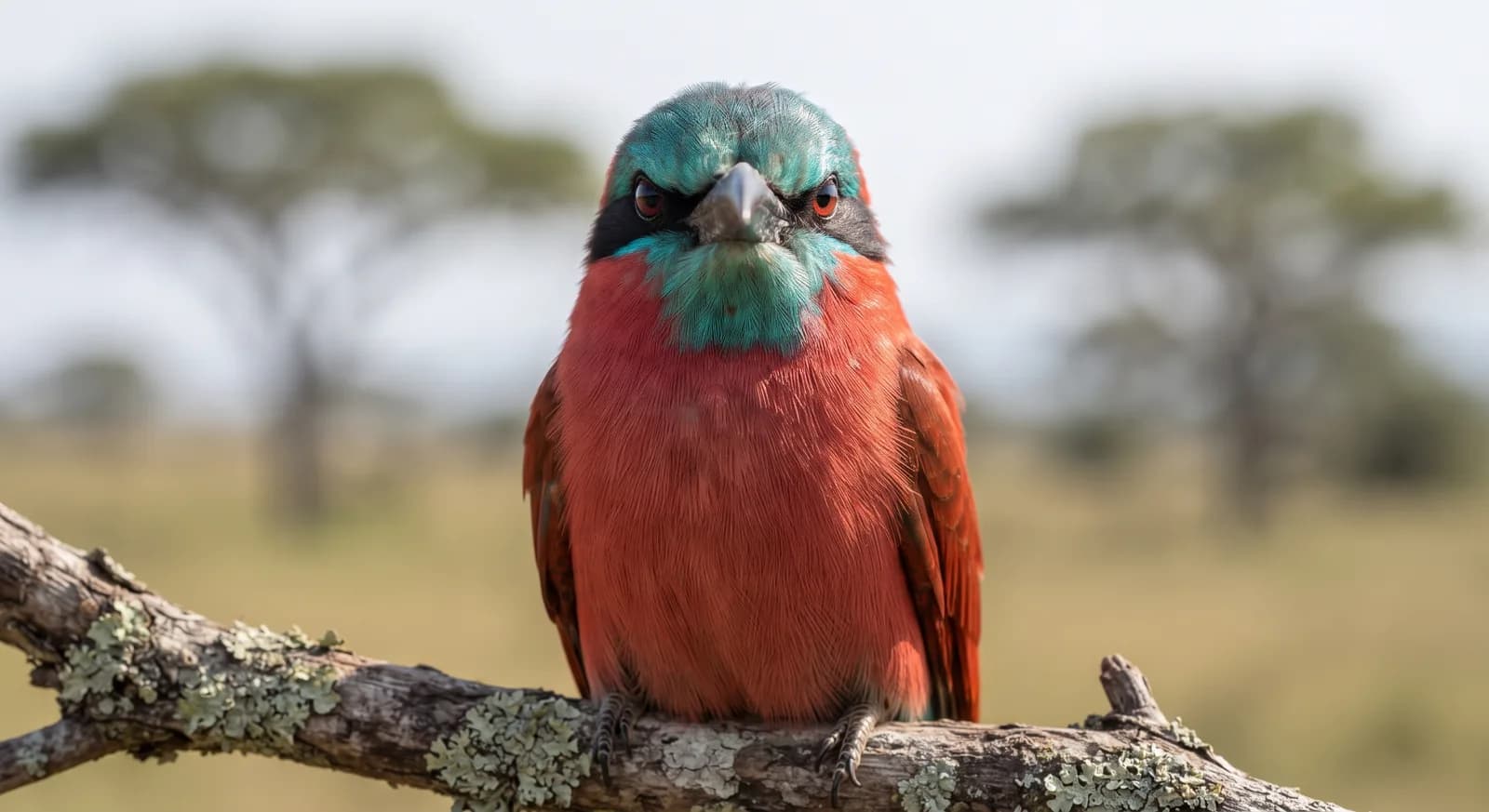
Northern Carmine Bee-eaterLeast Concern

Northern Carmine Bee-eater

Merops nubicus

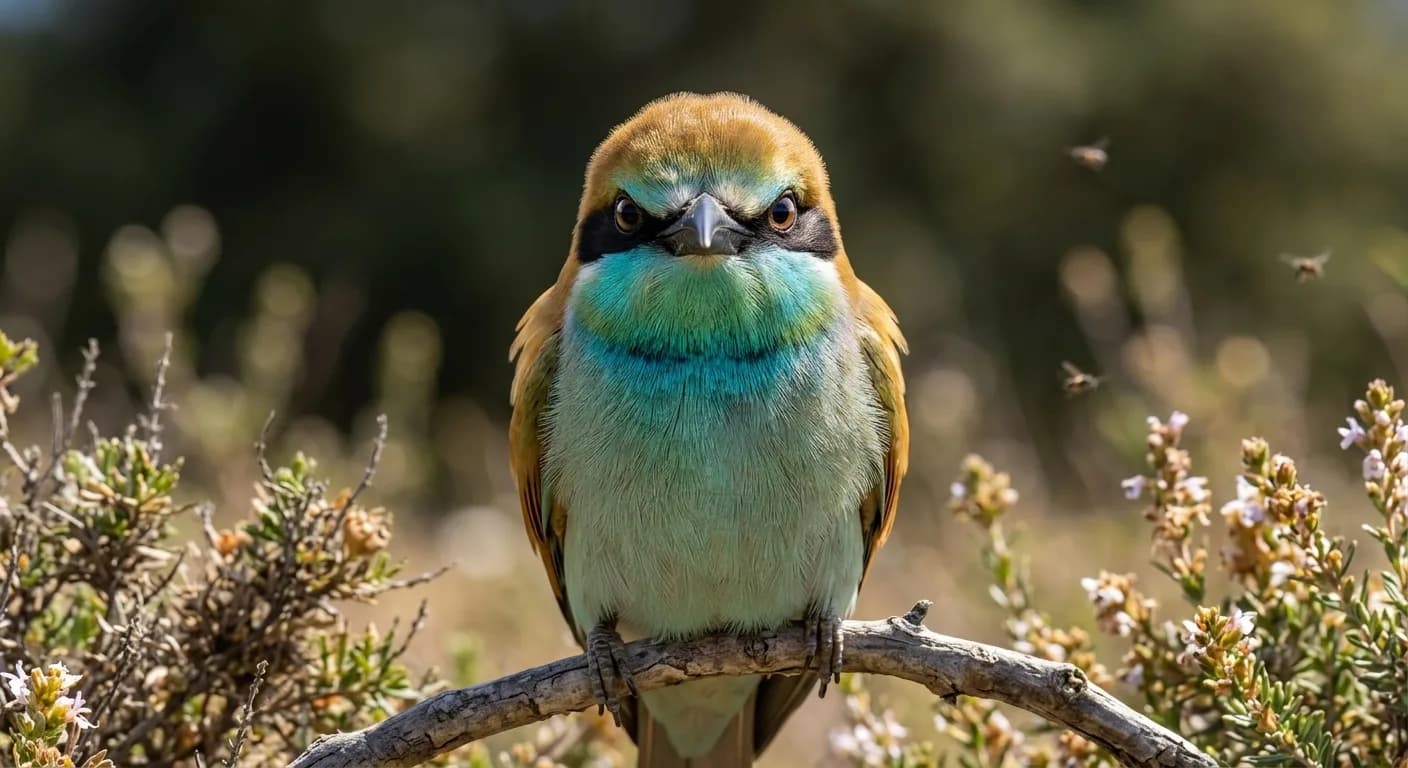
European Bee-eaterLeast Concern

European Bee-eater

Merops apiaster

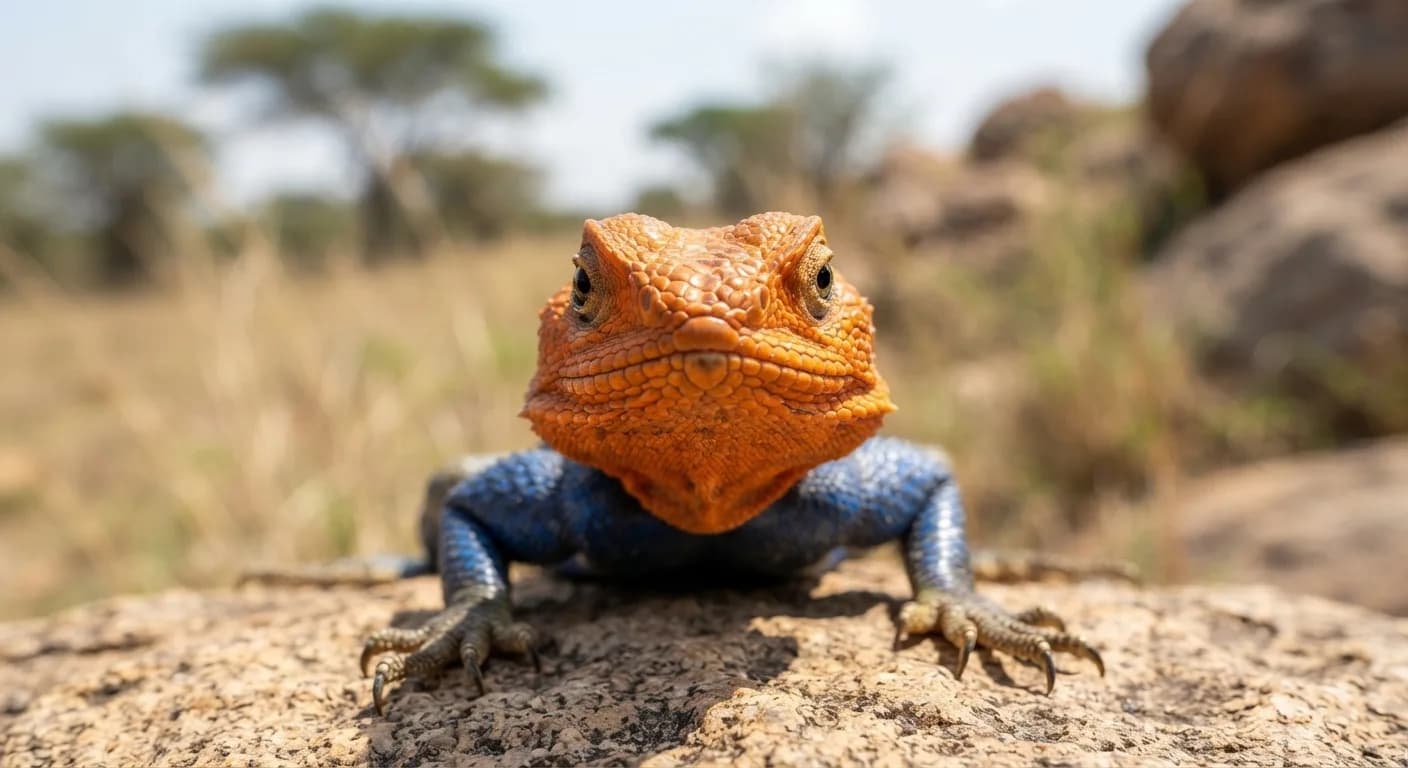
Common AgamaLeast Concern

Common Agama

Agama agama

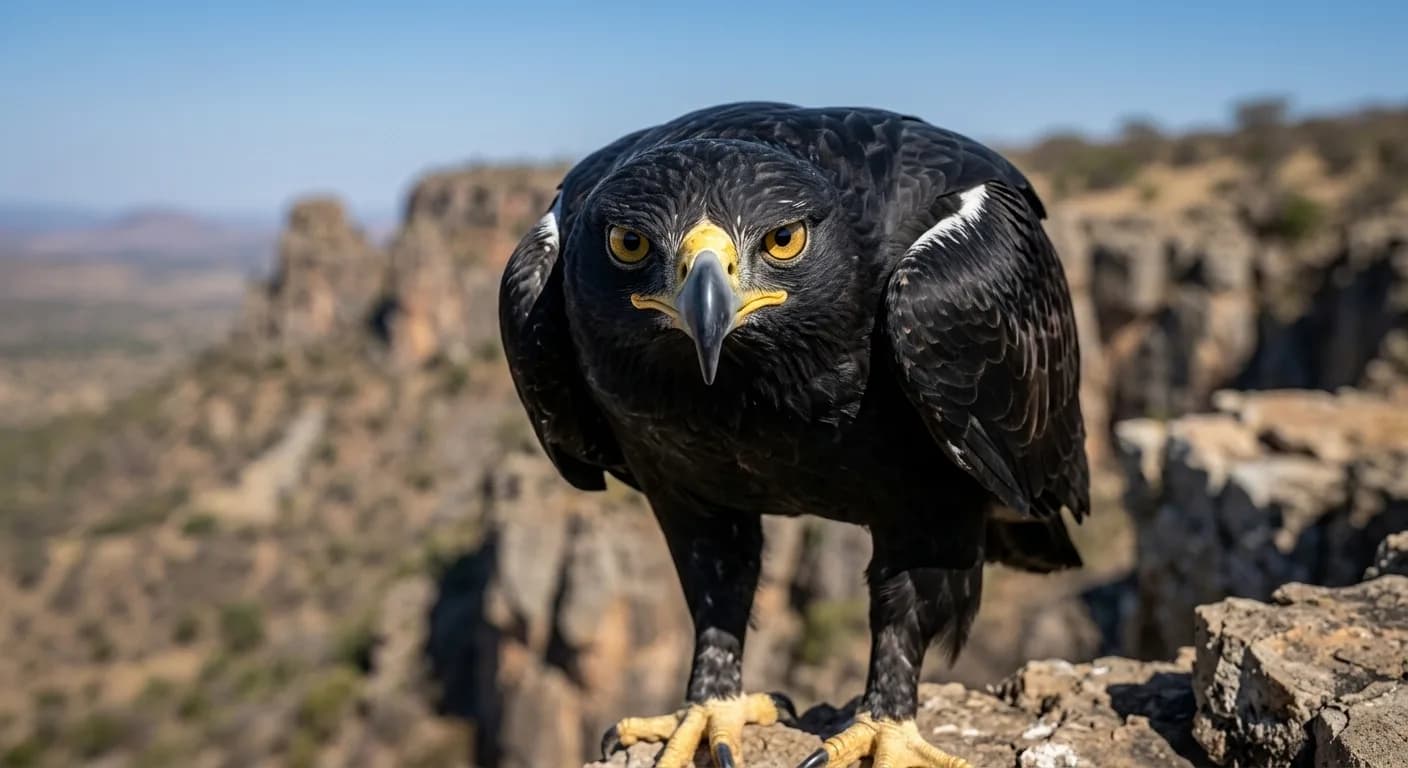
Verreaux's EagleLeast Concern

Verreaux's Eagle

Aquila verreauxii

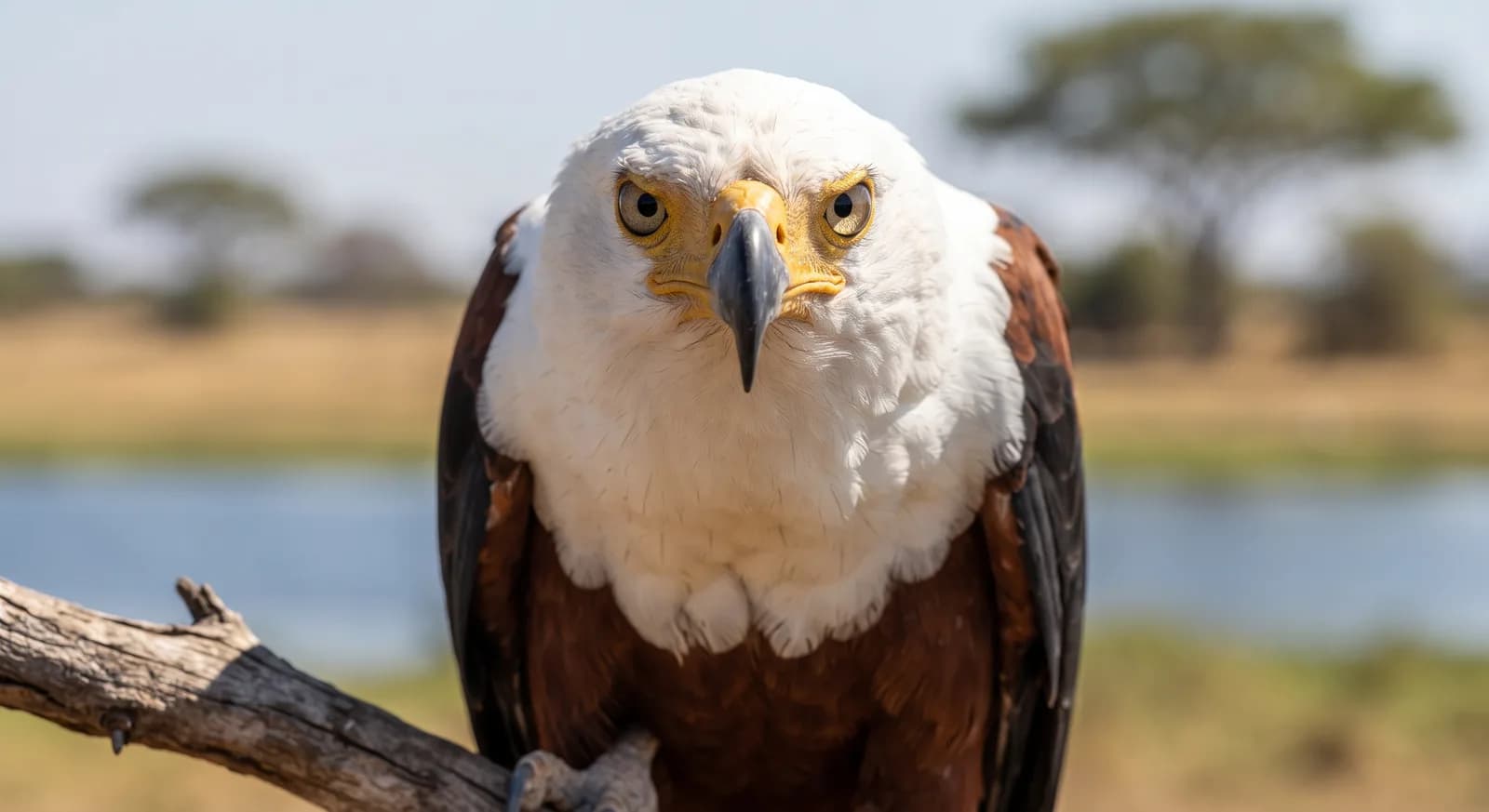
African Fish-EagleLeast Concern

African Fish-Eagle

Haliaeetus vocifer

Lesser Spotted EagleLeast Concern

Lesser Spotted Eagle

Clanga pomarina

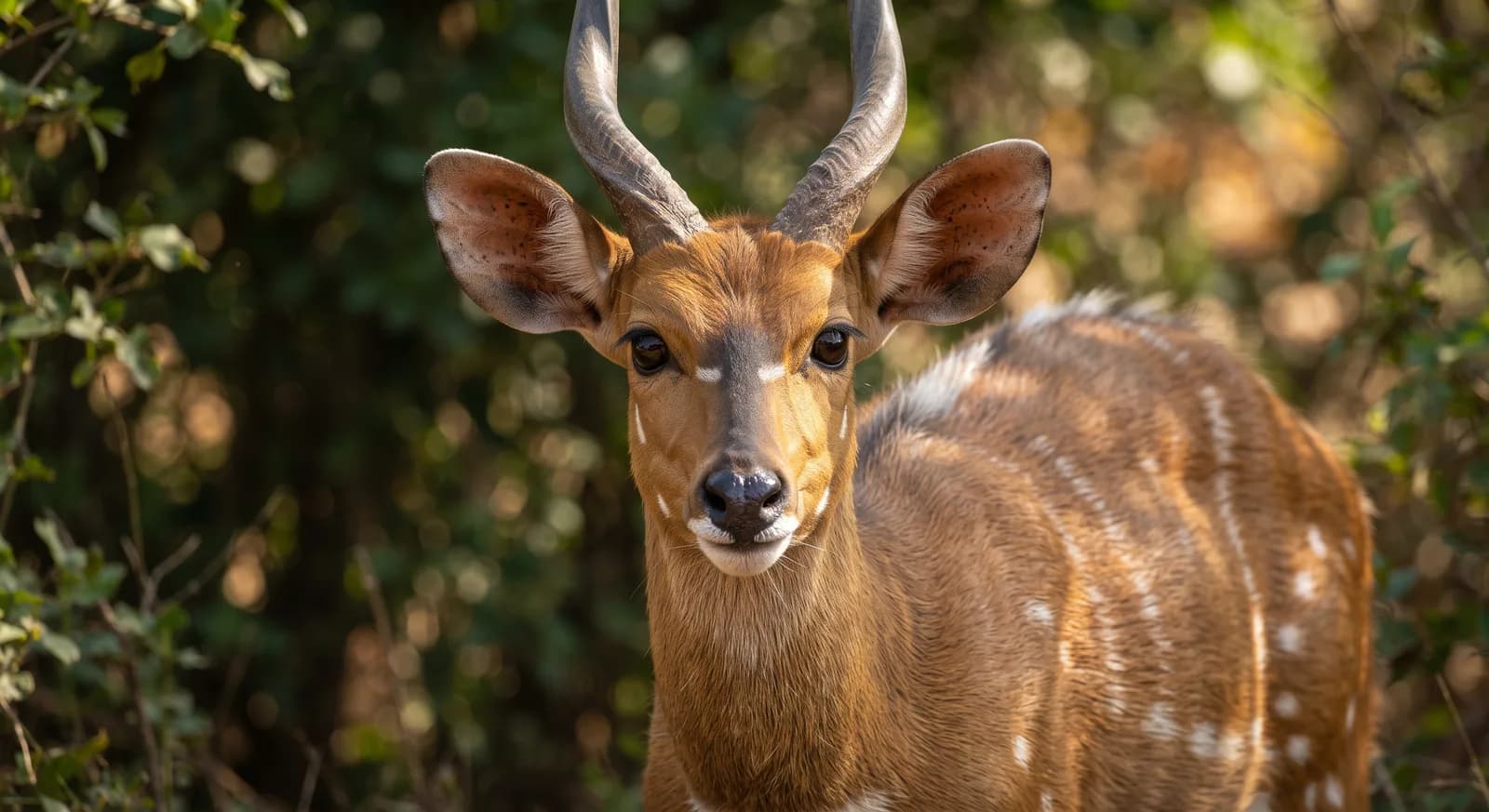
BushbuckLeast Concern

Bushbuck

Tragelaphus scriptus

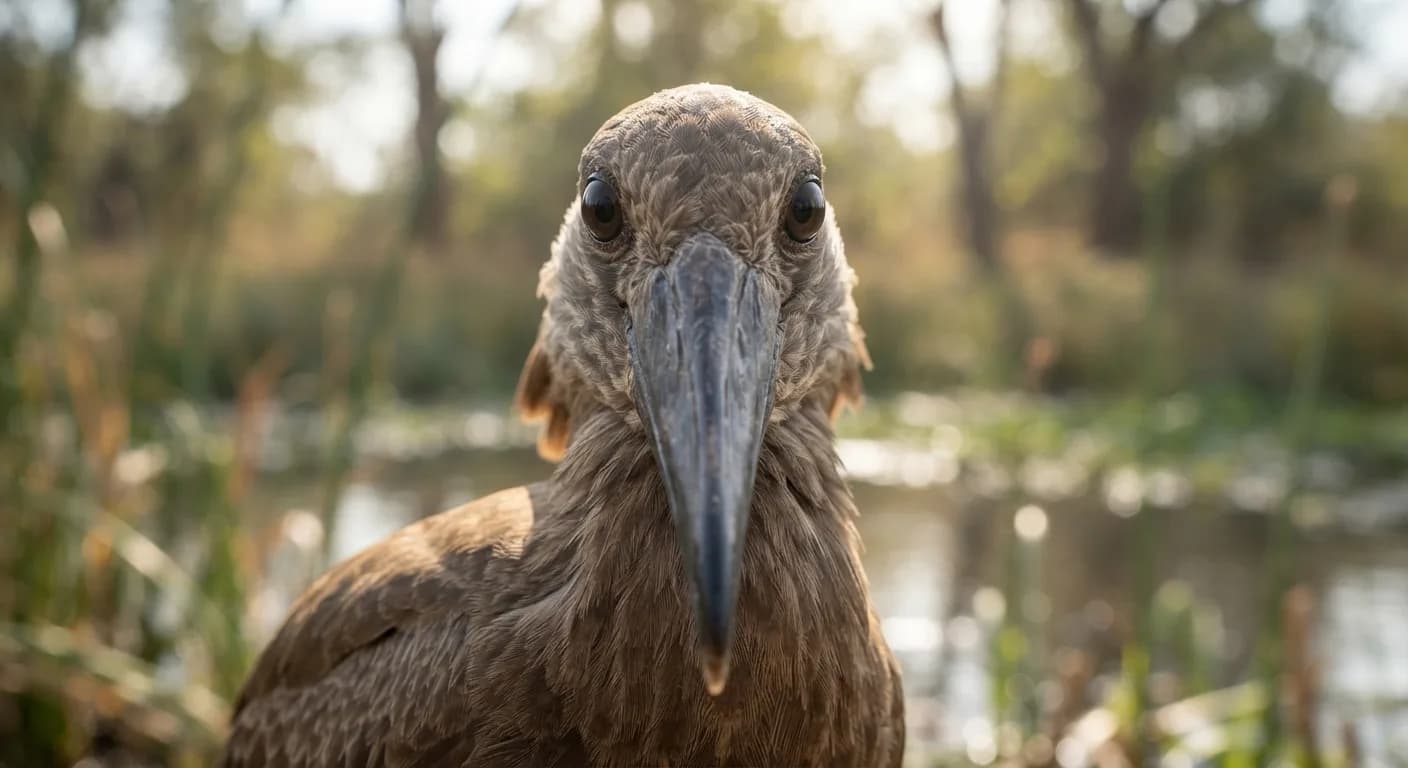
HamerkopLeast Concern

Hamerkop

Scopus umbretta

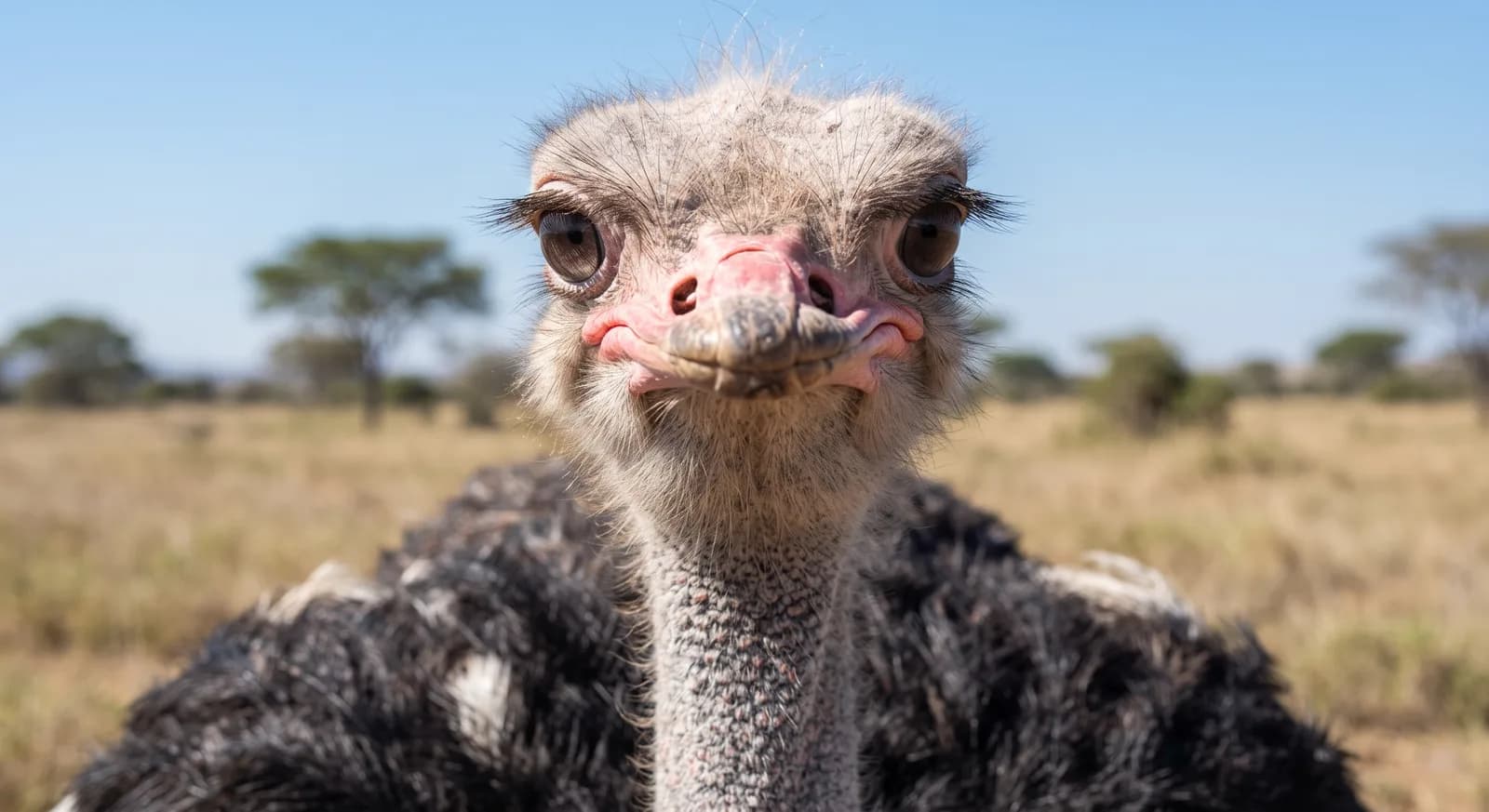
Common OstrichLeast Concern

Common Ostrich

Struthio camelus

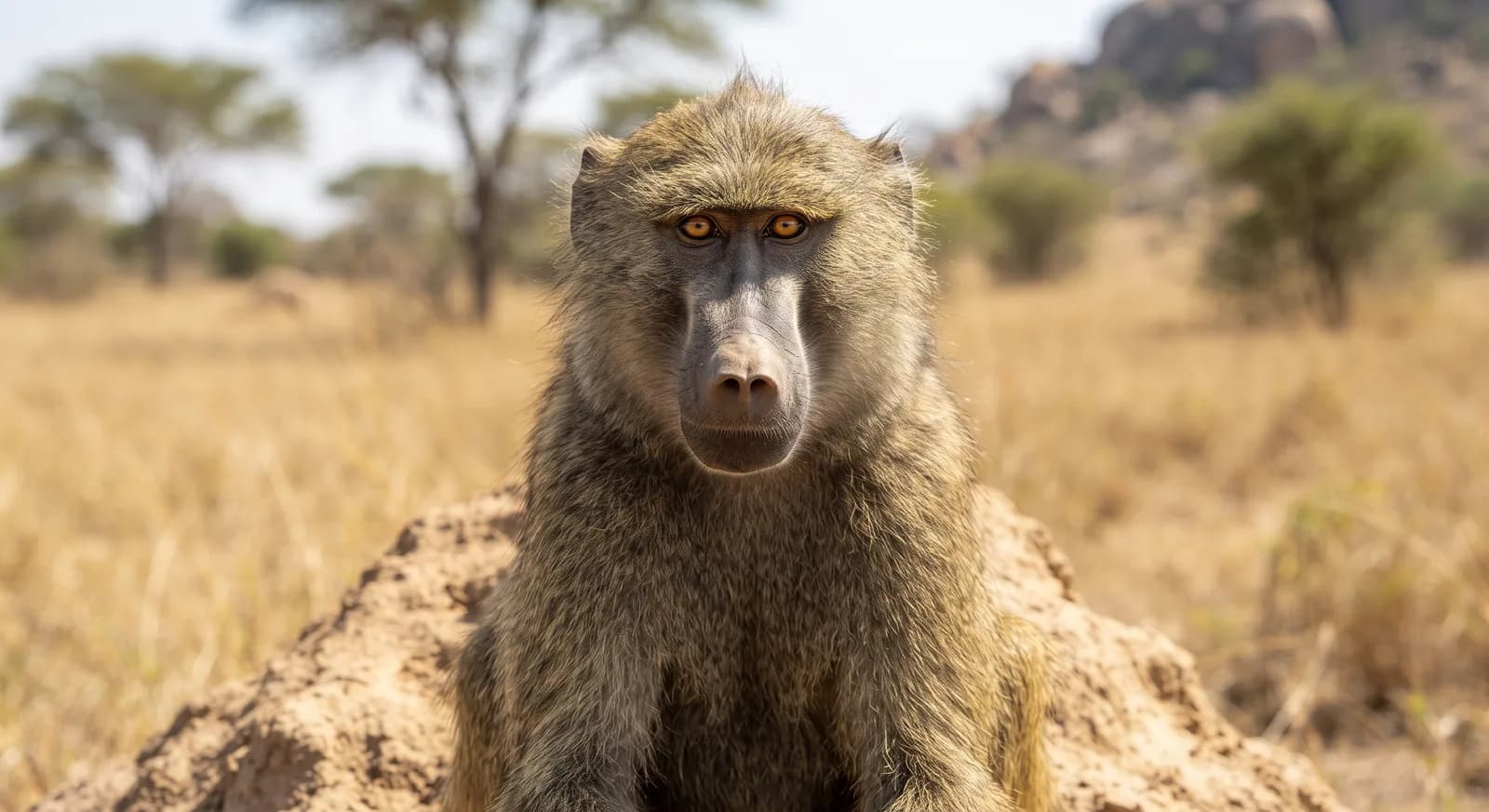
Yellow BaboonLeast Concern

Yellow Baboon

Papio cynocephalus

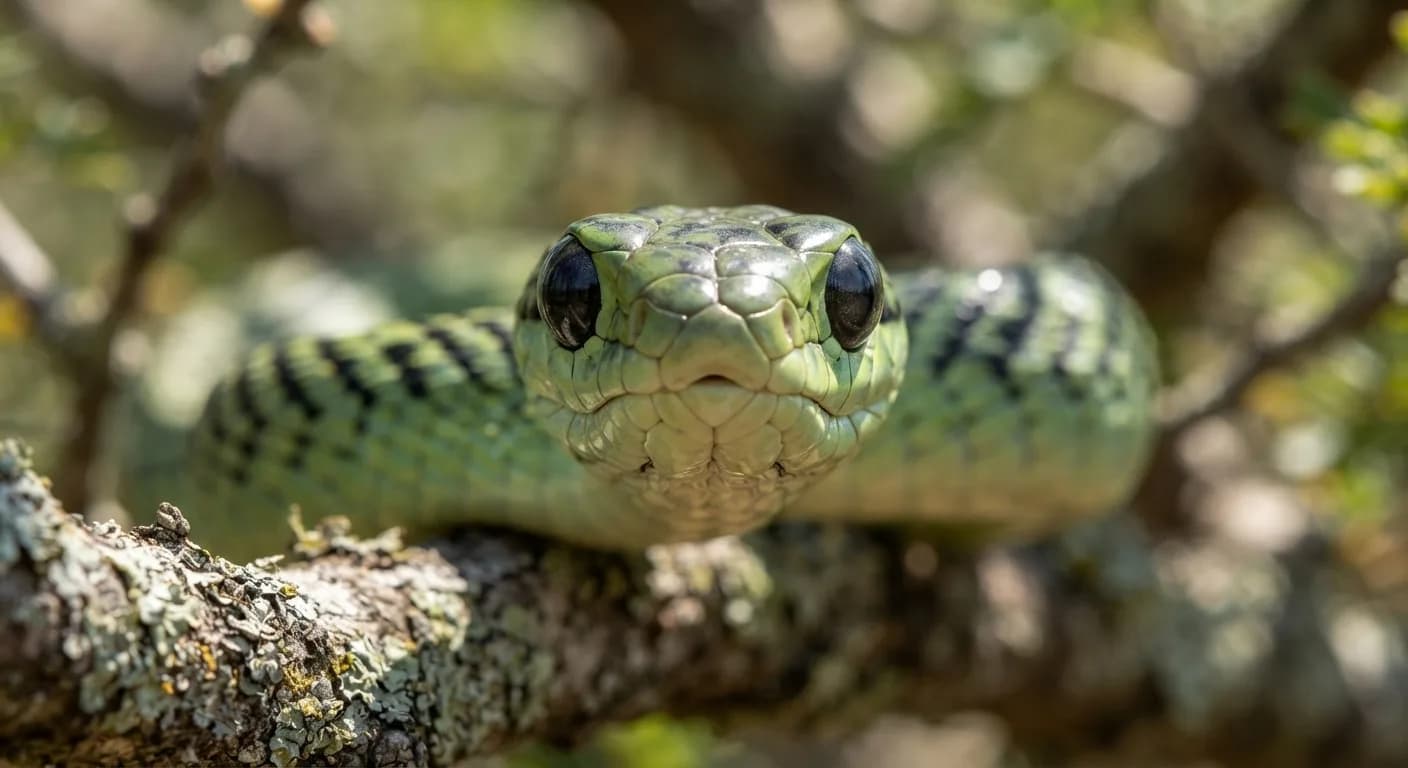
BoomslangLeast Concern

Boomslang

Dispholidus typus

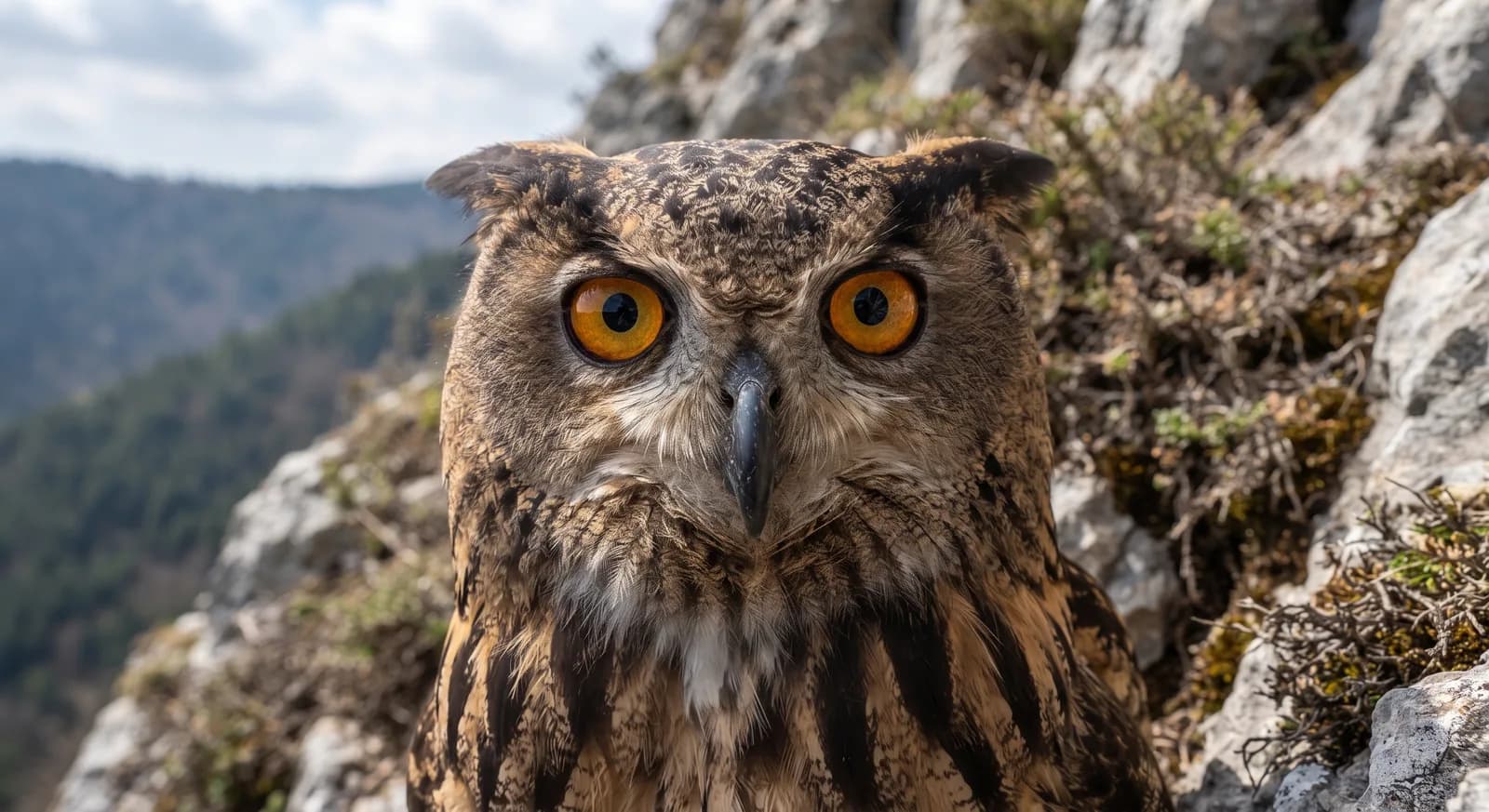
Eurasian Eagle-OwlLeast Concern

Eurasian Eagle-Owl

Bubo bubo

Page 4 of 15
Savannah
Mountain
Freshwater