Skip to content
WAnimals
  • Map
  • Species
  • Parks
  • Diving
Log inCreate account
WAnimals

The guide for travellers and animal lovers: discover, plan and share your wild adventures around the world.

Discover wildlife

  • Species
  • Ecosystems
  • Glossary
  • Tags

Explore places

  • Map
  • Countries
  • Parks
  • Diving

Plan experiences

  • Guides

Learn

  • Blog

Resources

  • About us
  • How we build our profiles
  • Help centre
  • Contact
  • Install the app

Follow us

Account

  • Log in
  • Create account

© 2026 WAnimals. All rights reserved.

Terms of servicePrivacyCookiesLegal notice
MapSpeciesParksDiving
  1. Home
  2. countries
  3. Germany

Germany

Europe

Capital: BerlinMay to September

586

Documented species

17

Parks and reserves

1

Dive sites

Germany is arranged in three natural bands: the northern plain with North Sea and Baltic coasts, the middle belt of wooded uplands and the Alpine south. The Wadden Sea, a system of tidal flats shared with the Netherlands and Denmark, is a World Heritage Site and one of the most important migratory stopovers on the planet: of the order of ten to twelve million waterbirds use it every year. The beech forests of the centre and east, at Hainich and Jasmund, represent what little remains of the primeval beechwood that covered central Europe. The Bavarian Forest, the country's first national park in 1970, applies a policy of non-intervention that has turned its bark-beetle-killed woodland into a laboratory of natural regeneration and a refuge for the Eurasian lynx. The Elbe, the Rhine and the Danube form the backbone of wetland corridors where beavers, otters and black storks are recovering.

Nature in Germany

National animal: The federal eagle, the heraldic emblem of the state

Did you know?

The wolf disappeared from Germany in the middle of the nineteenth century and returned of its own accord: in the year 2000 the first litter born in the wild in more than 150 years was documented on a former military training ground in Lusatia, next to the Polish border. From that single family group the population has expanded to more than a thousand animals spread across much of the country.

Biodiversity profile

Conservation

The spontaneous return of large carnivores and of the white-tailed eagle set against an agricultural intensification that has collapsed populations of insects and of open-country birds such as the skylark and the grey partridge.

Where and when to watch wildlife

The Wadden Sea between August and October for passing waders and for seals on the sandbanks. The Rügen-Bock lagoon in October for the gathering of tens of thousands of cranes. The Bavarian Forest in winter for lynx tracks.

Natural phenomena in Germany

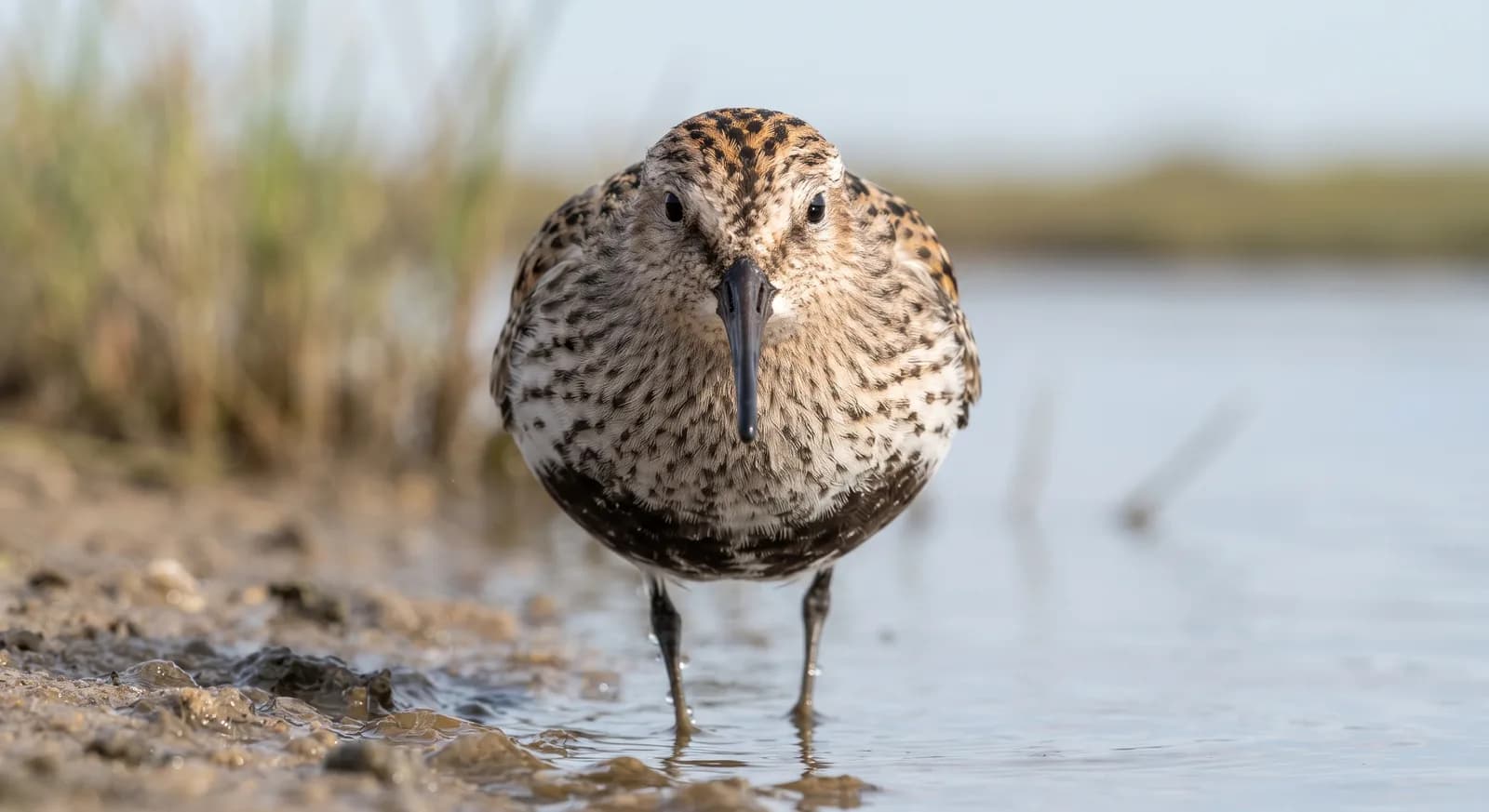
  • Migratory shorebird passage in the Wadden Sea — March to May and August to October (wintering October to April)
Parks and reserves

National Park

Wadden Sea (Lower Saxony)

The Lower Saxony sector of the Wadden Sea, the least populated biosphere reserve in Germany: a single inhabitant.

See park
National Park

Wadden Sea (Schleswig-Holstein)

Germany's largest national park and the largest in Europe between the North Cape and Sicily, with 68% of it under water.

See park
National Park (transboundary)

Wadden Sea

The largest unbroken system of intertidal sand and mud flats in the world

See park
World Heritage Site (Natural)

Messel Pit

The richest site in the world for understanding Eocene mammals, saved from becoming a landfill.

See park
National Park

Hainich

Thuringia's only national park; it protects one of the largest old-growth beech forests in central Germany, with a canopy walkway

See park
National Park

Jasmund

Germany's smallest national park; it protects the white chalk cliffs that inspired the Romantic painter Caspar David Friedrich

See park
National Park

Kellerwald-Edersee

One of the largest unfragmented slope beech forests in central Europe, inscribed within the serial primeval beech forest property.

See park
National Park

Berchtesgaden

The Watzmann massif and the Königssee

See park
National Park

Bavarian Forest (Bayerischer Wald)

Germany's first national park, run on the pioneering principle of letting nature be nature

See park
National Park

Eifel

A former British and Belgian military training ground through the Cold War, now turned over to wildlife

See park
National Park

Harz

Its summit, the Brocken, is the witches' mountain of German mythology, the setting of Walpurgis Night in Goethe's Faust

See park
National Park

Hunsrück-Hochwald

Beech woods, bogs and quartzite block fields on the border between Rhineland-Palatinate and Saarland.

See park
National Park

Müritz

Germany's greatest osprey and common crane sanctuary, declared two days before reunification took effect

See park
National Park

Black Forest (Schwarzwald)

The first national park in Baden-Württemberg, in the heart of the forest that gave rise to the Brothers Grimm's tales

See park
National Park

Saxon Switzerland

Sandstone towers and spires above the Elbe, birthplace of sandstone rock climbing and of German Romantic landscape painting.

See park
National Park

Unteres Odertal

Germany's only floodplain national park, on the Polish border.

See park
National Park

Vorpommersche Boddenlandschaft

Baltic coastal lagoons, dunes and peninsulas where tens of thousands of cranes gather on migration.

See park

Diving and snorkelling

Cold rocky reef/Wreck

Rügen (Baltic amber)

A German Baltic island where divers occasionally collect natural amber released from the seabed by storms.

See dive site

Wildlife you can see now

What is worth looking out for this month in Germany?

DunlinLeast Concern

Dunlin

Calidris alpina

Now is a good time: Migratory shorebird passage in the Wadden Sea (March to May and August to October (wintering October to April))

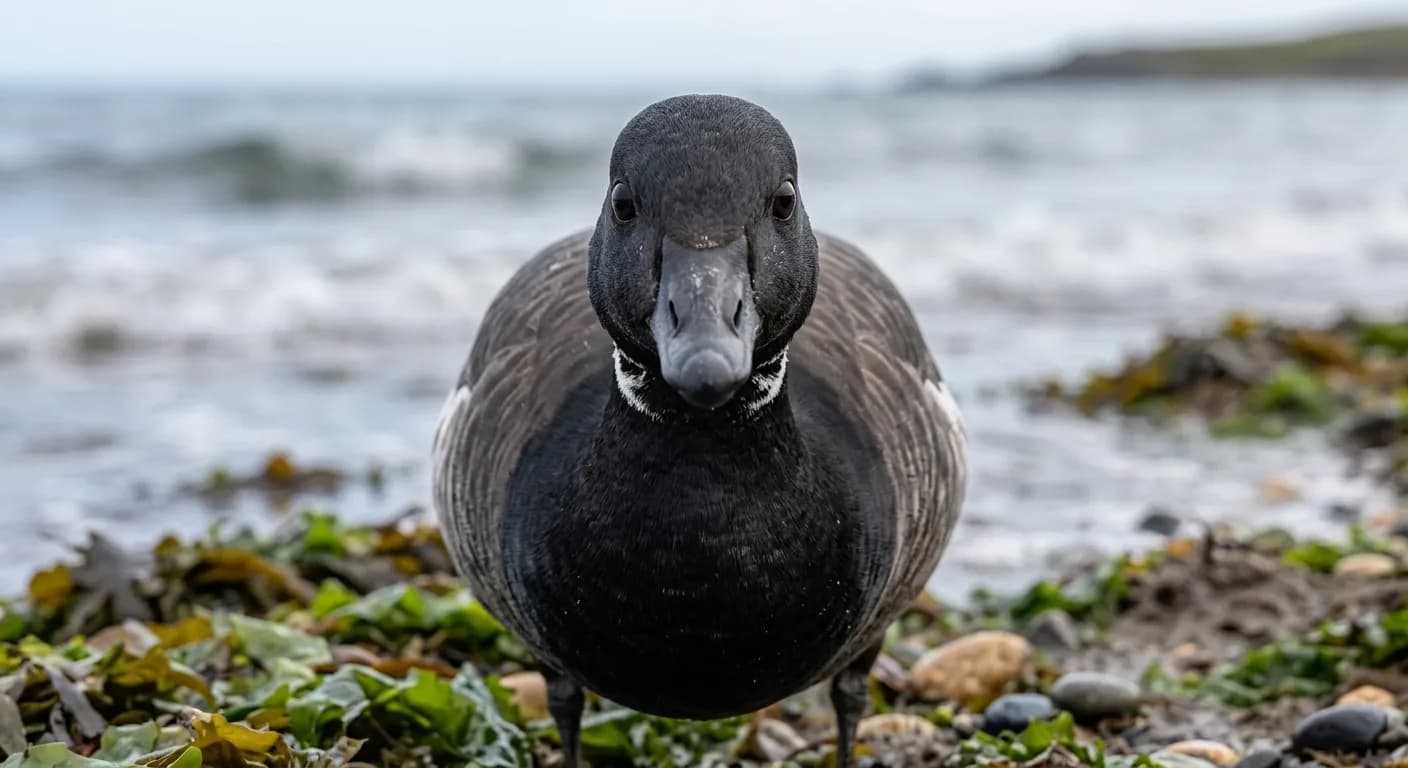
Brent GooseLeast Concern

Brent Goose

Branta bernicla

Now is a good time: Migratory shorebird passage in the Wadden Sea (March to May and August to October (wintering October to April))

Similar countries

Where else might I want to travel?

France

Same region: Western Europe

United Kingdom

Same region: Western Europe

Ireland

Same region: Western Europe

Netherlands

Same region: Western Europe

Species documented in Germany

Filter
Class
Family
Habitat
Diet
Conservation

586 species found

Related guides

  • Rodents in Germany6 species

Keep exploring

Based on what we already know about Germany.

ParkWadden Sea (Lower Saxony)DivingRügen (Baltic amber)

Explore on the map

Interactive map

This page in other languages: Español · Deutsch · Français · Português · Italiano
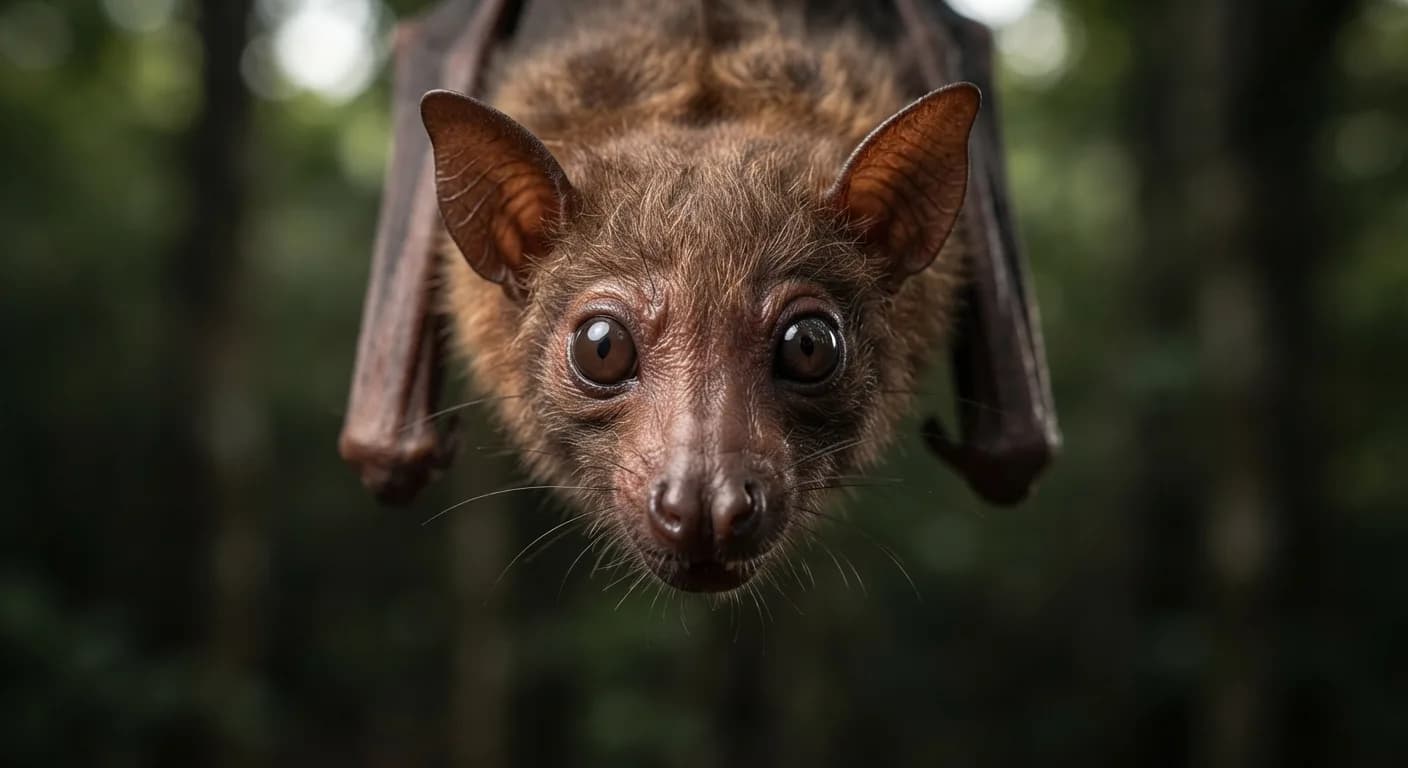
Giant NoctuleVulnerable

Giant Noctule

Nyctalus lasiopterus

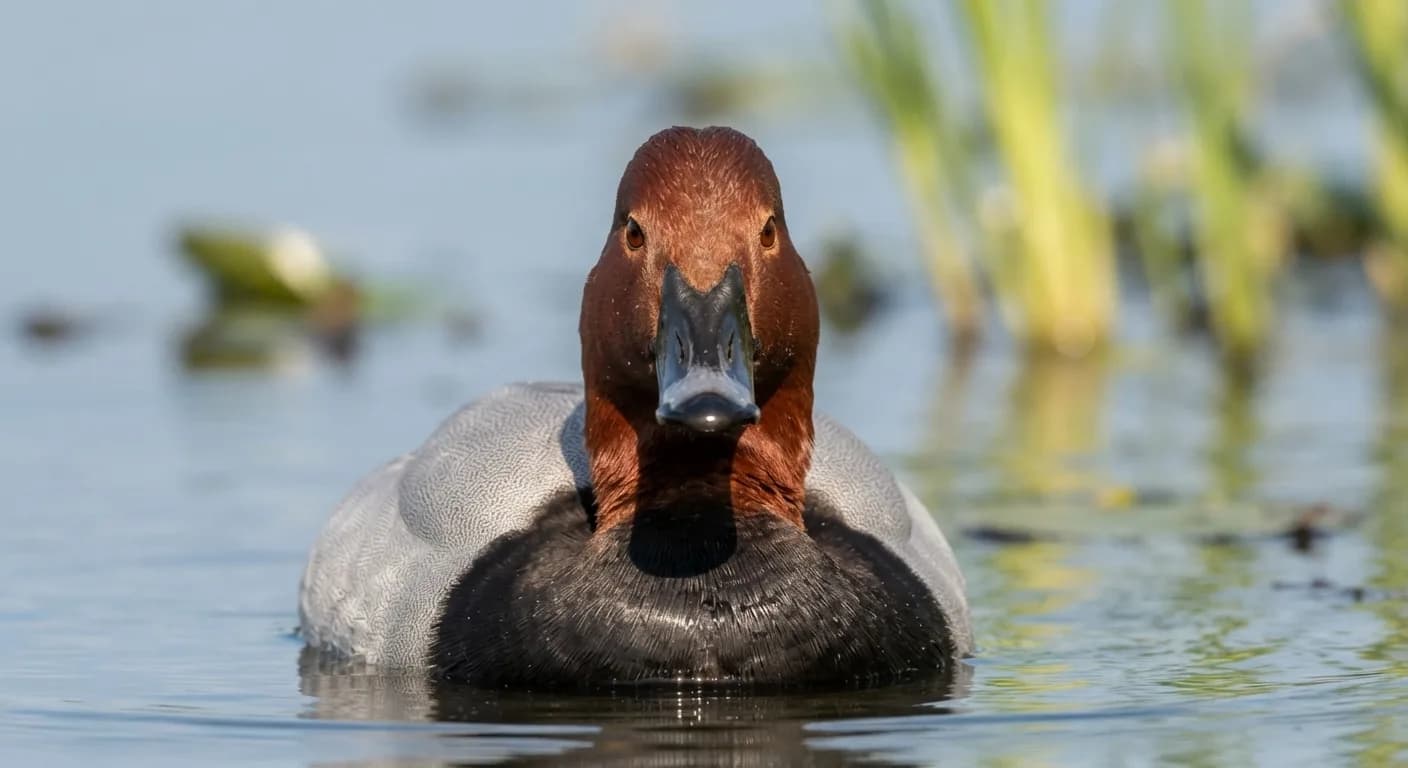
Common PochardVulnerable

Common Pochard

Aythya ferina

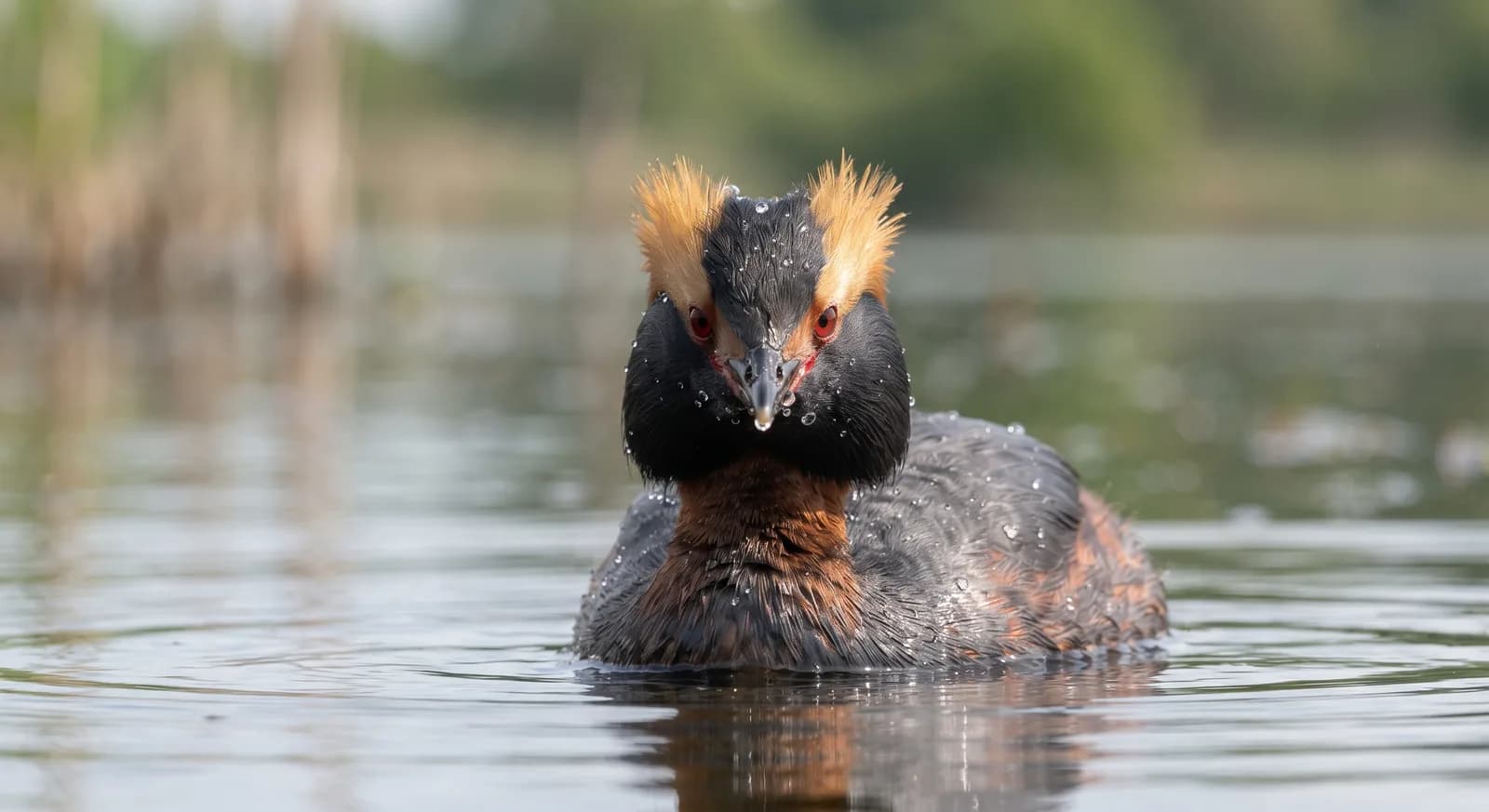
Horned GrebeVulnerable

Horned Grebe

Podiceps auritus

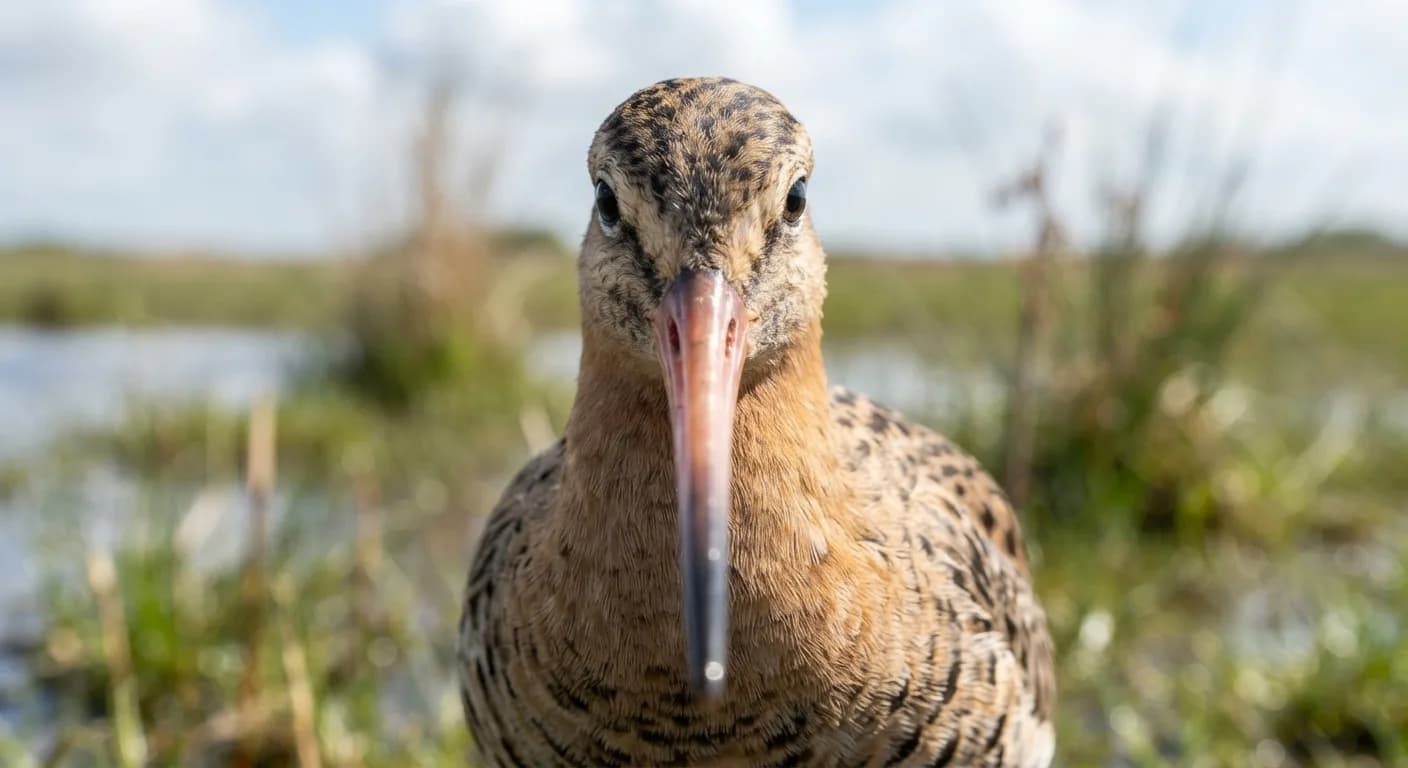
Black-tailed GodwitNear Threatened

Black-tailed Godwit

Limosa limosa

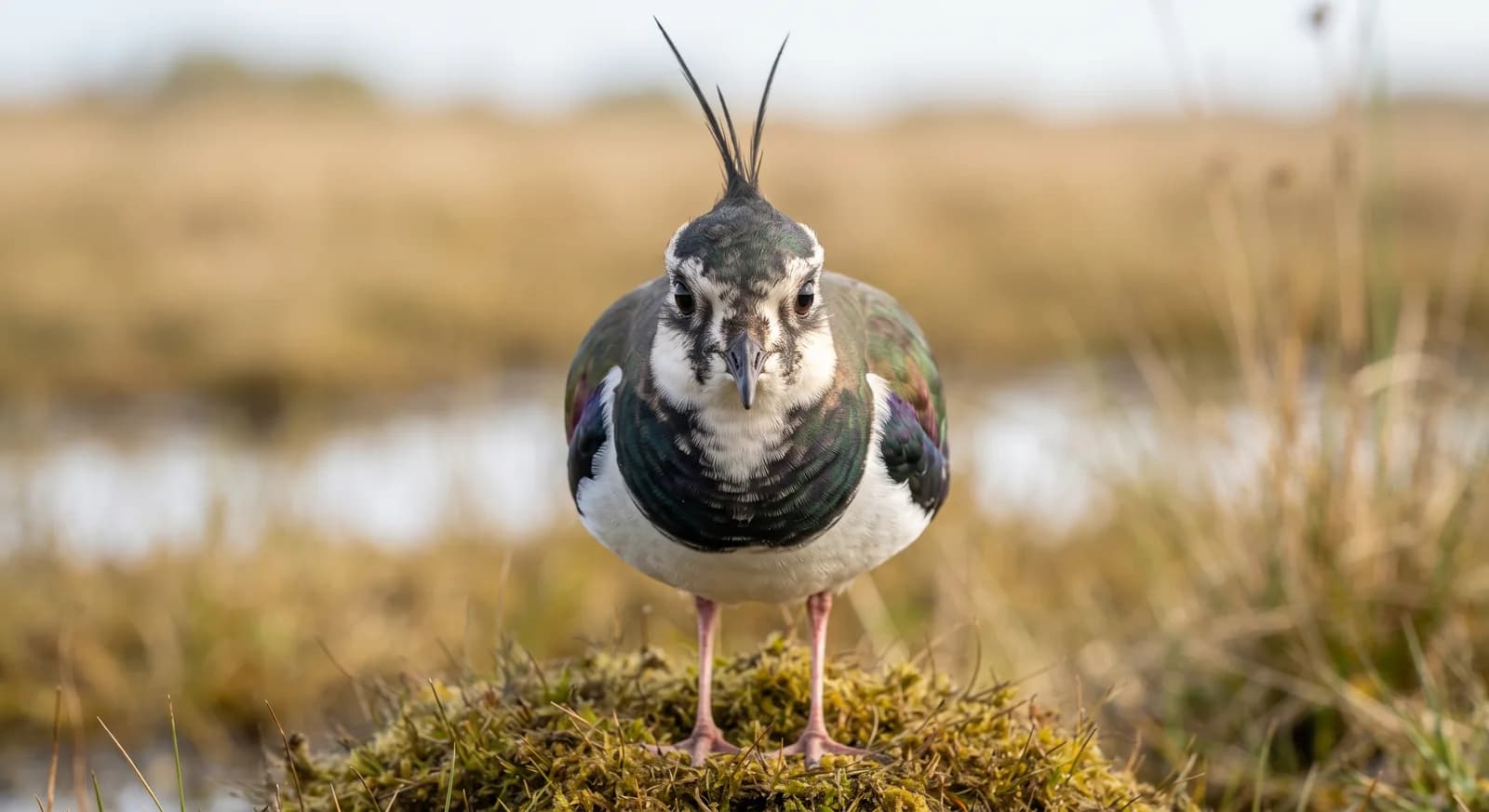
Northern LapwingNear Threatened

Northern Lapwing

Vanellus vanellus

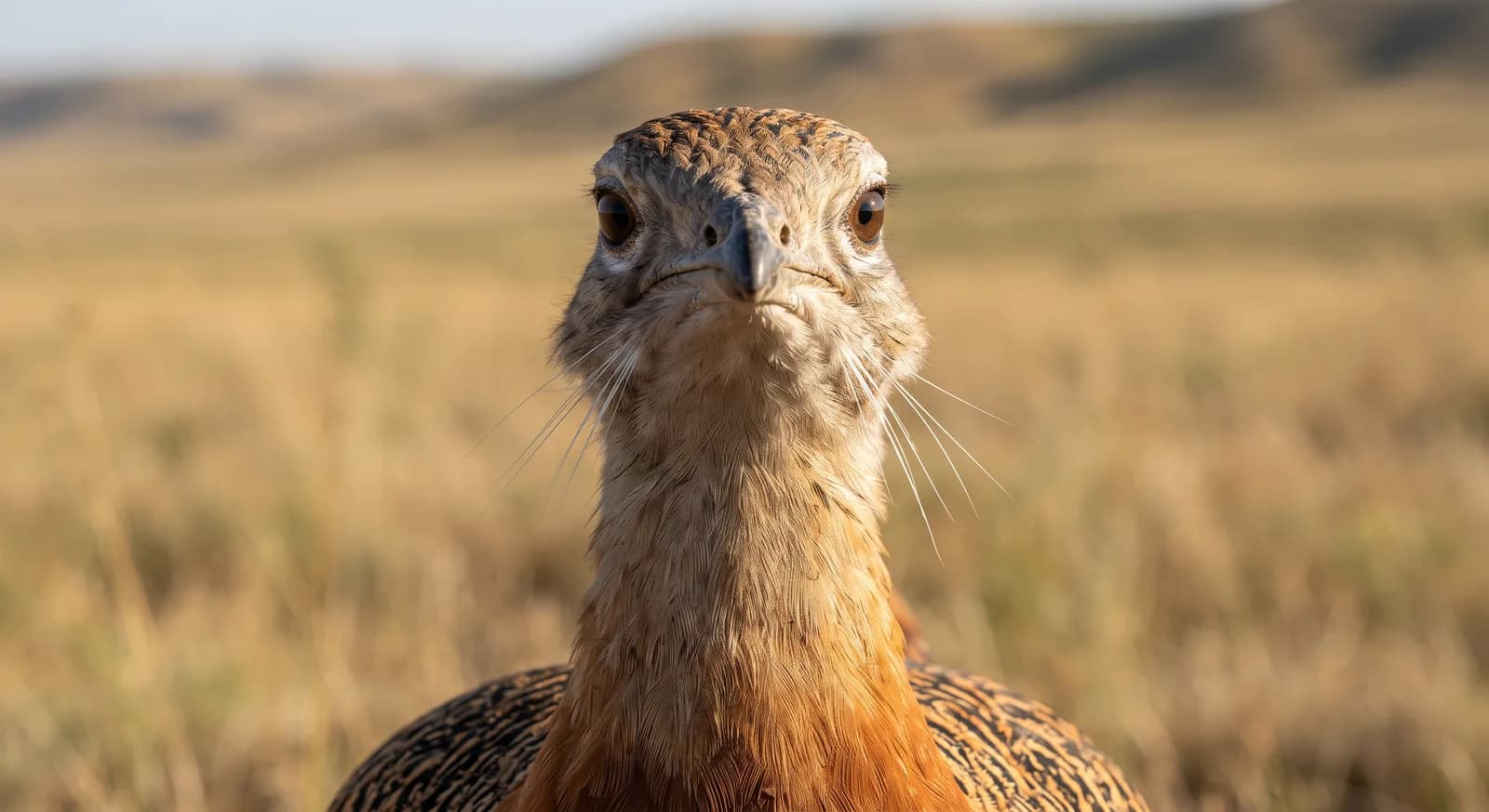
Great BustardNear Threatened

Great Bustard

Otis tarda

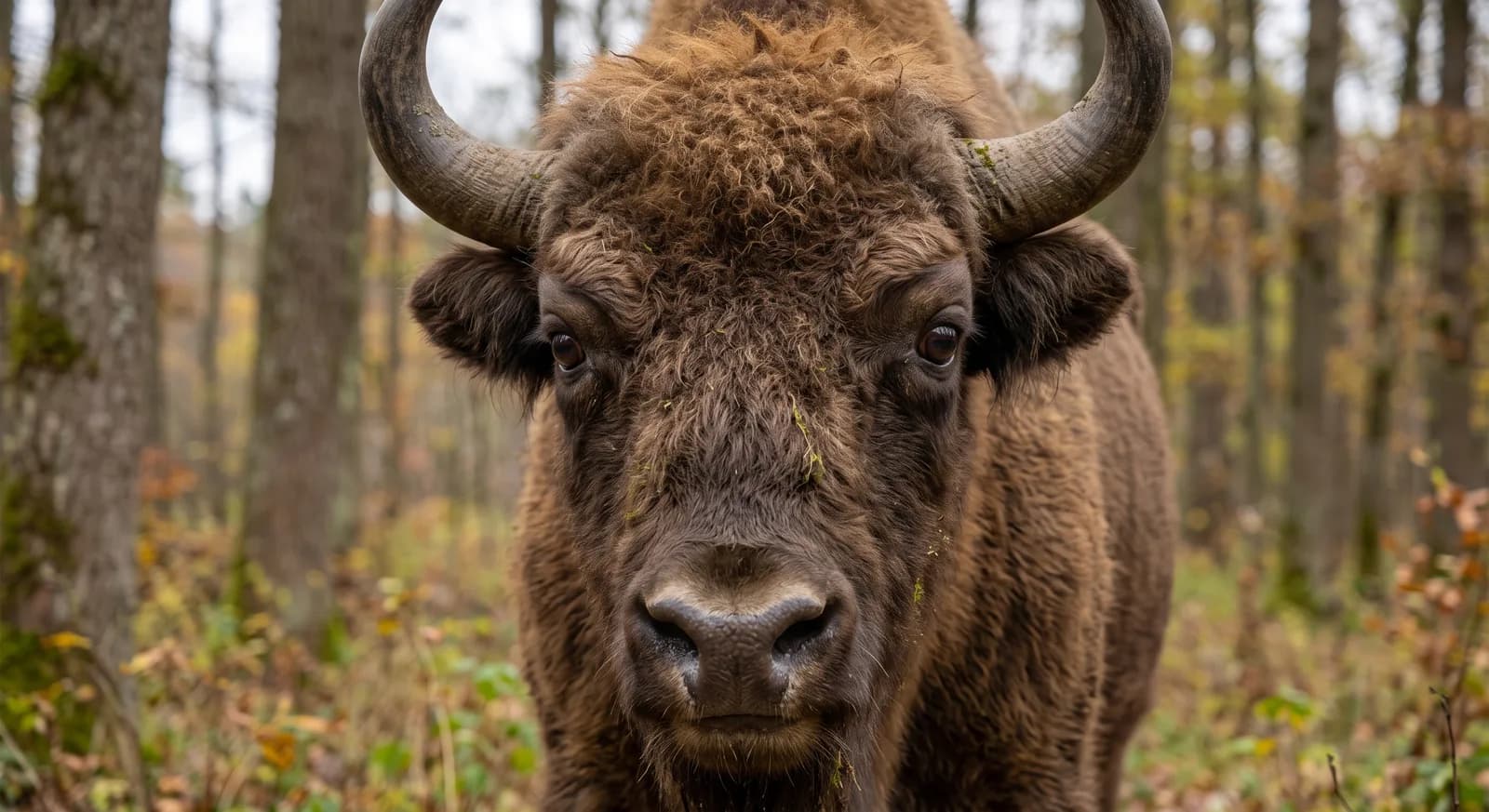
European BisonNear Threatened

European Bison

Bison bonasus

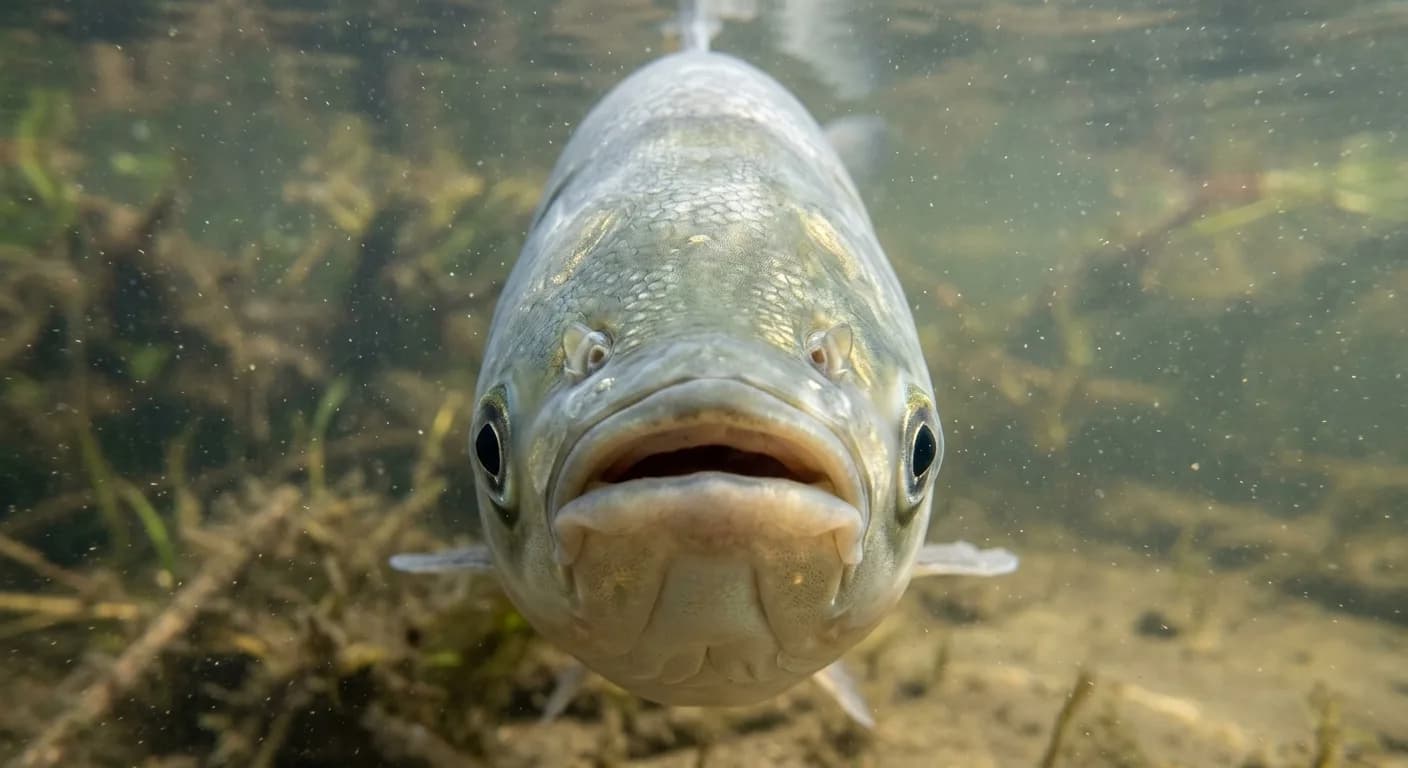
Silver CarpNear Threatened

Silver Carp

Hypophthalmichthys molitrix

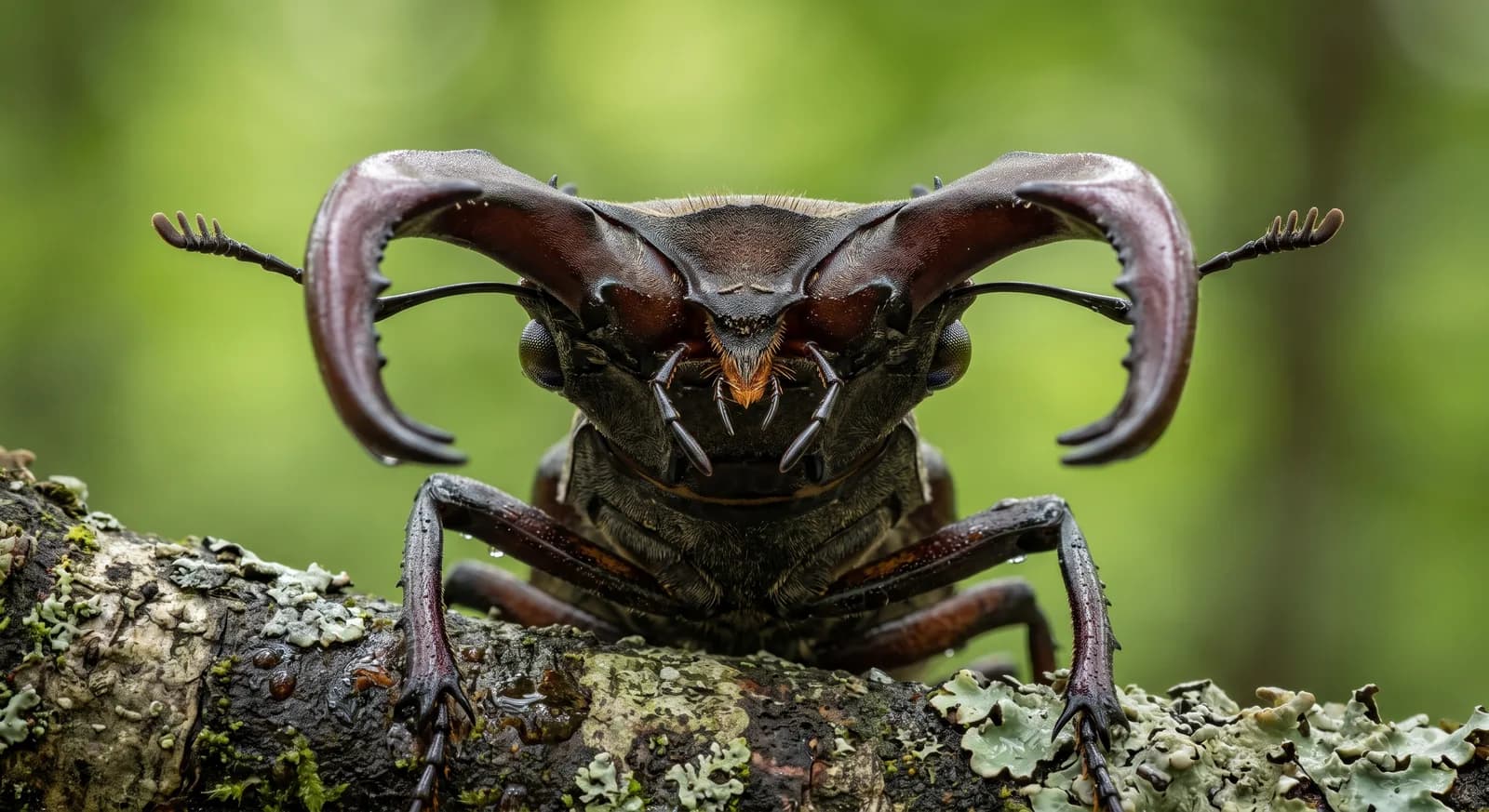
Stag BeetleNear Threatened

Stag Beetle

Lucanus cervus

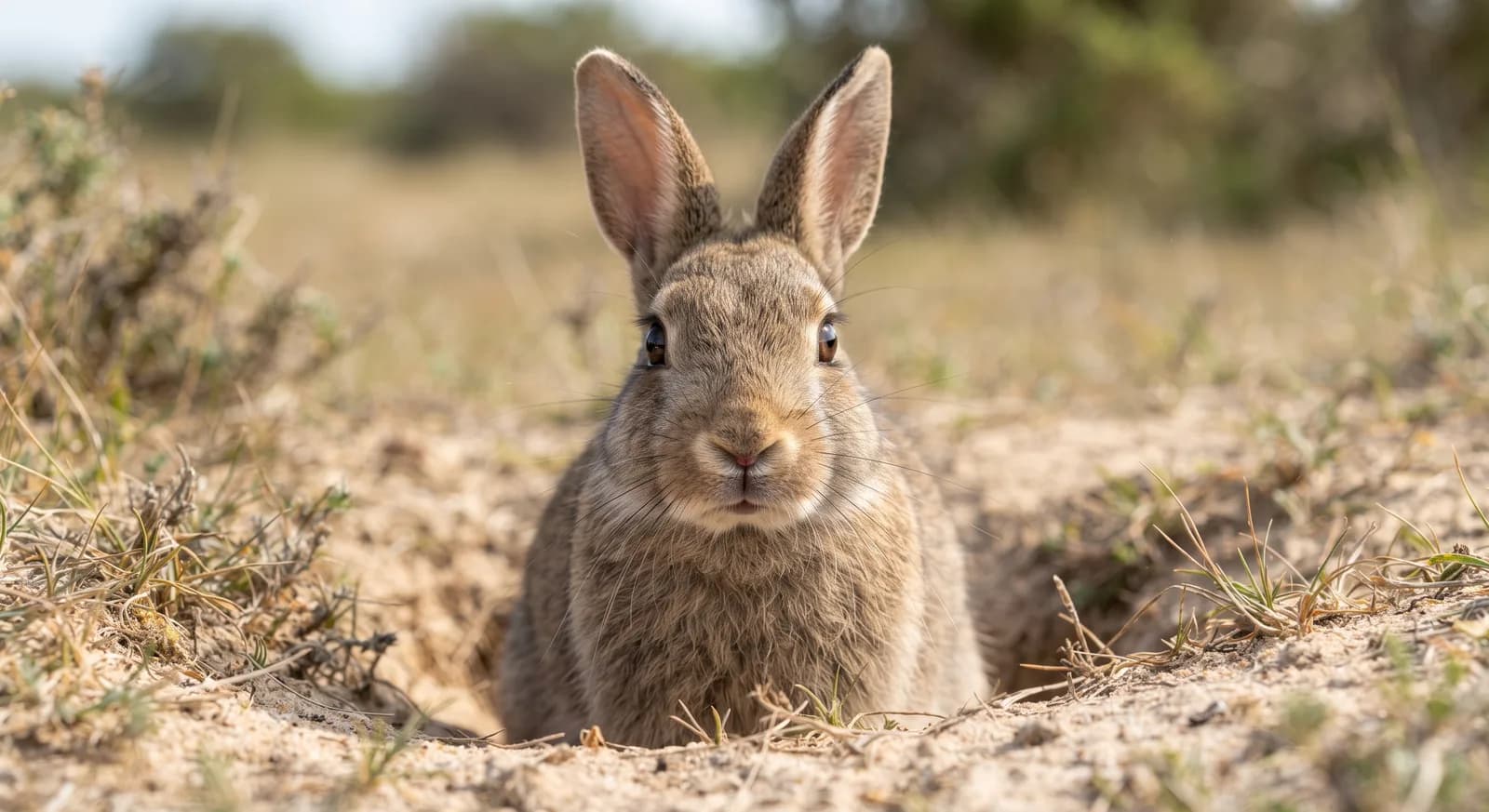
European RabbitNear Threatened

European Rabbit

Oryctolagus cuniculus

West European HedgehogNear Threatened

West European Hedgehog

Erinaceus europaeus

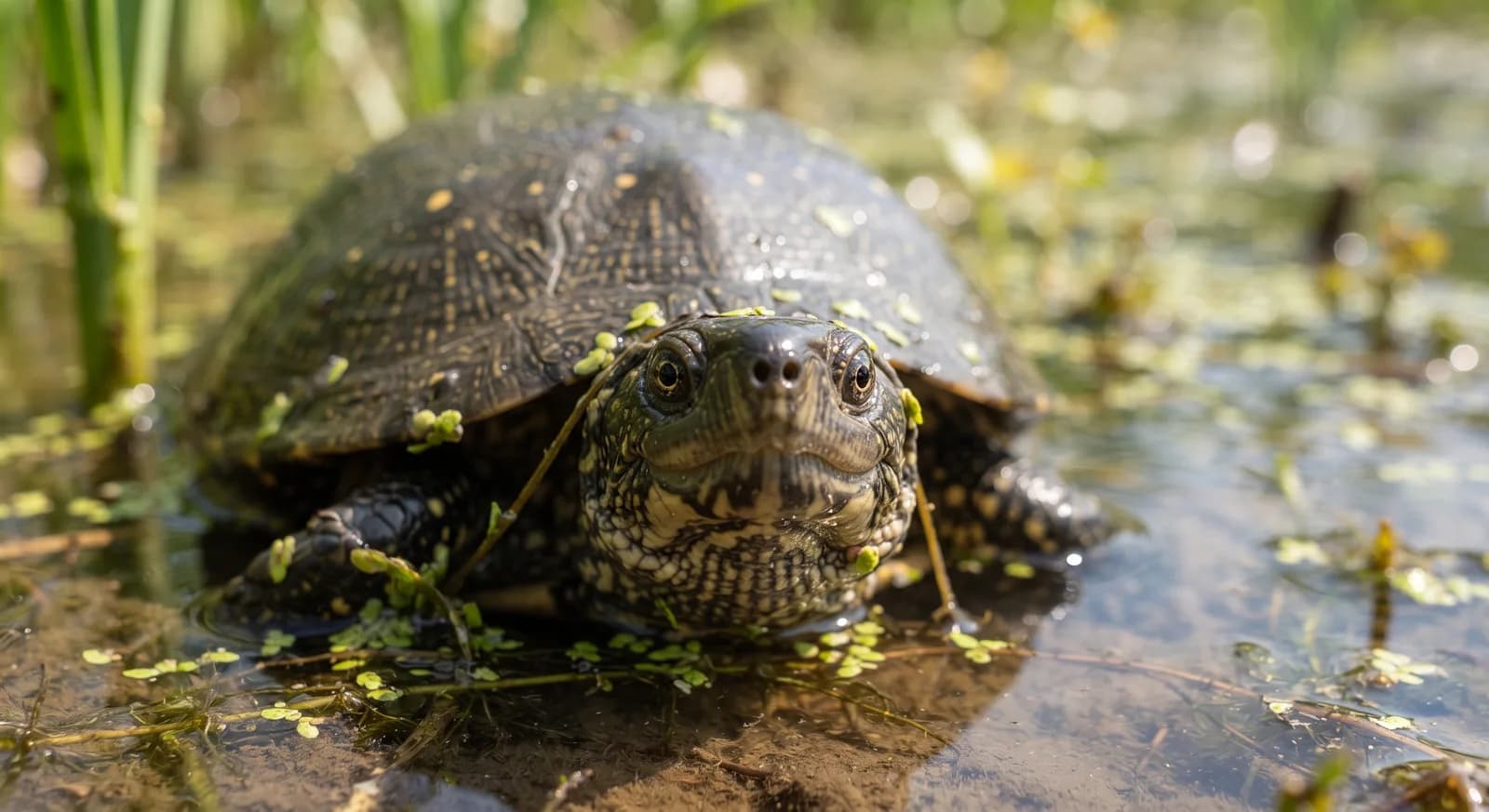
European Pond TurtleNear Threatened

European Pond Turtle

Emys orbicularis

Page 2 of 49
Temperate forest
Mountain
Grassland
Freshwater