 Endangered
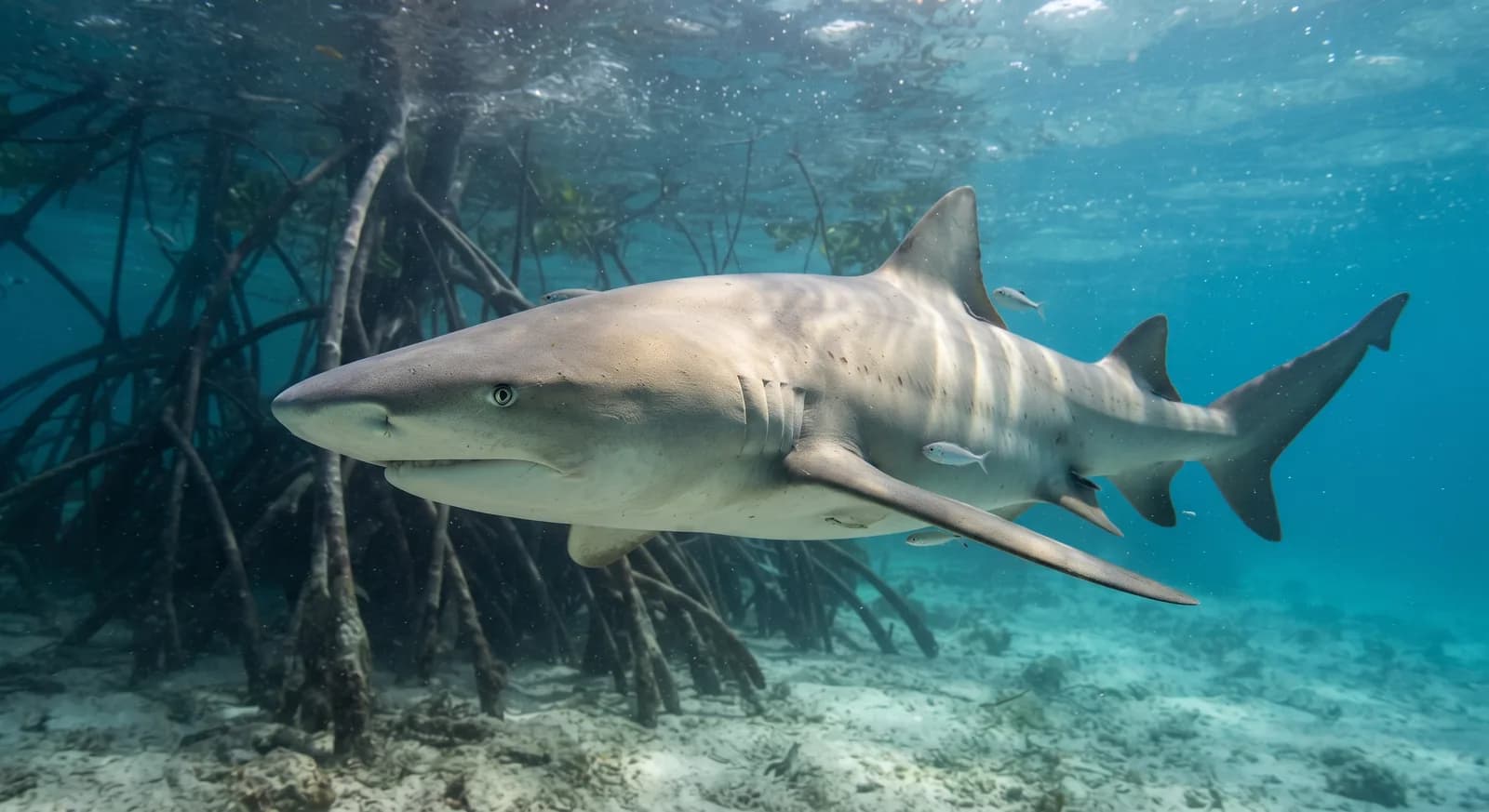
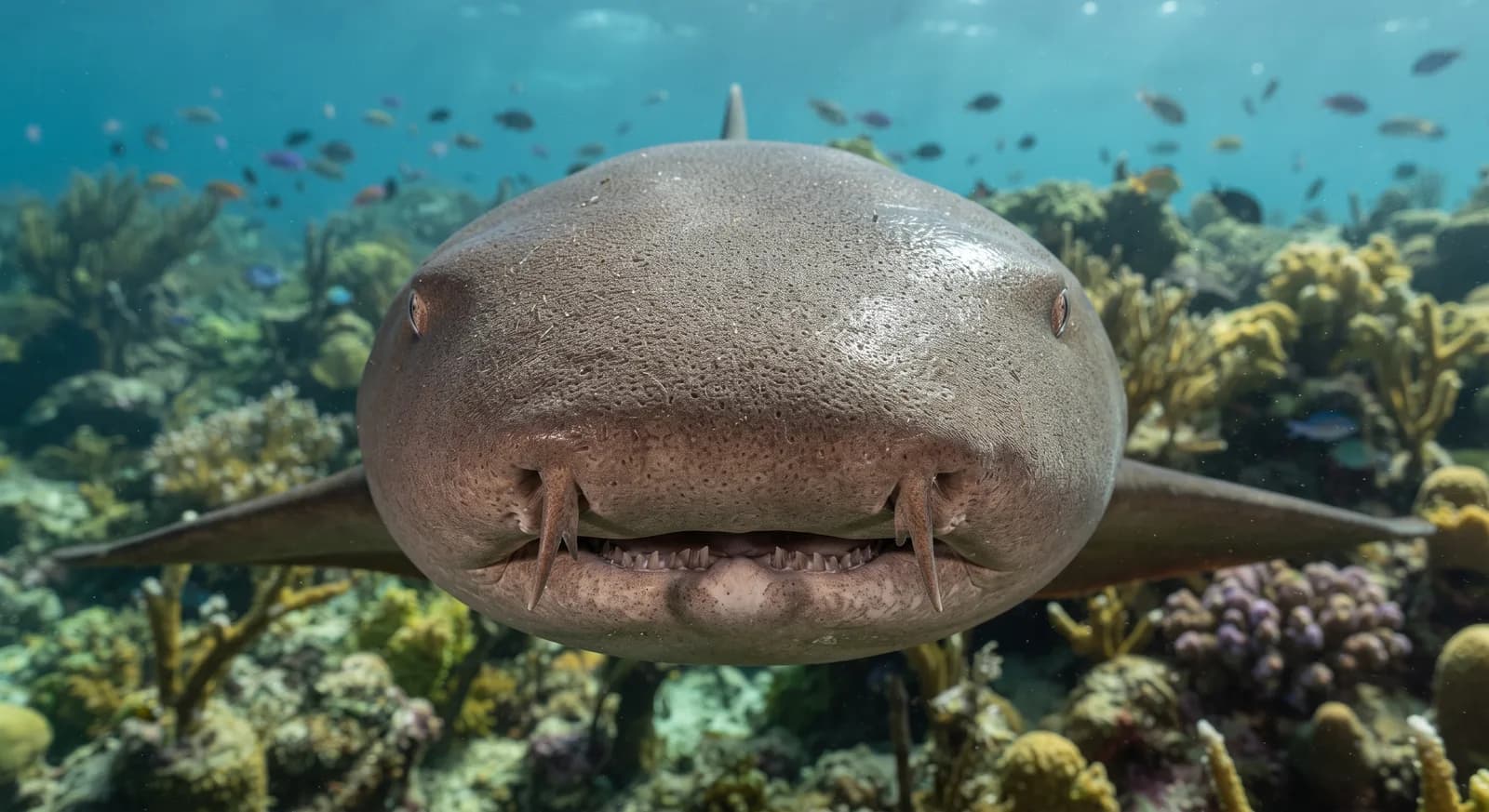
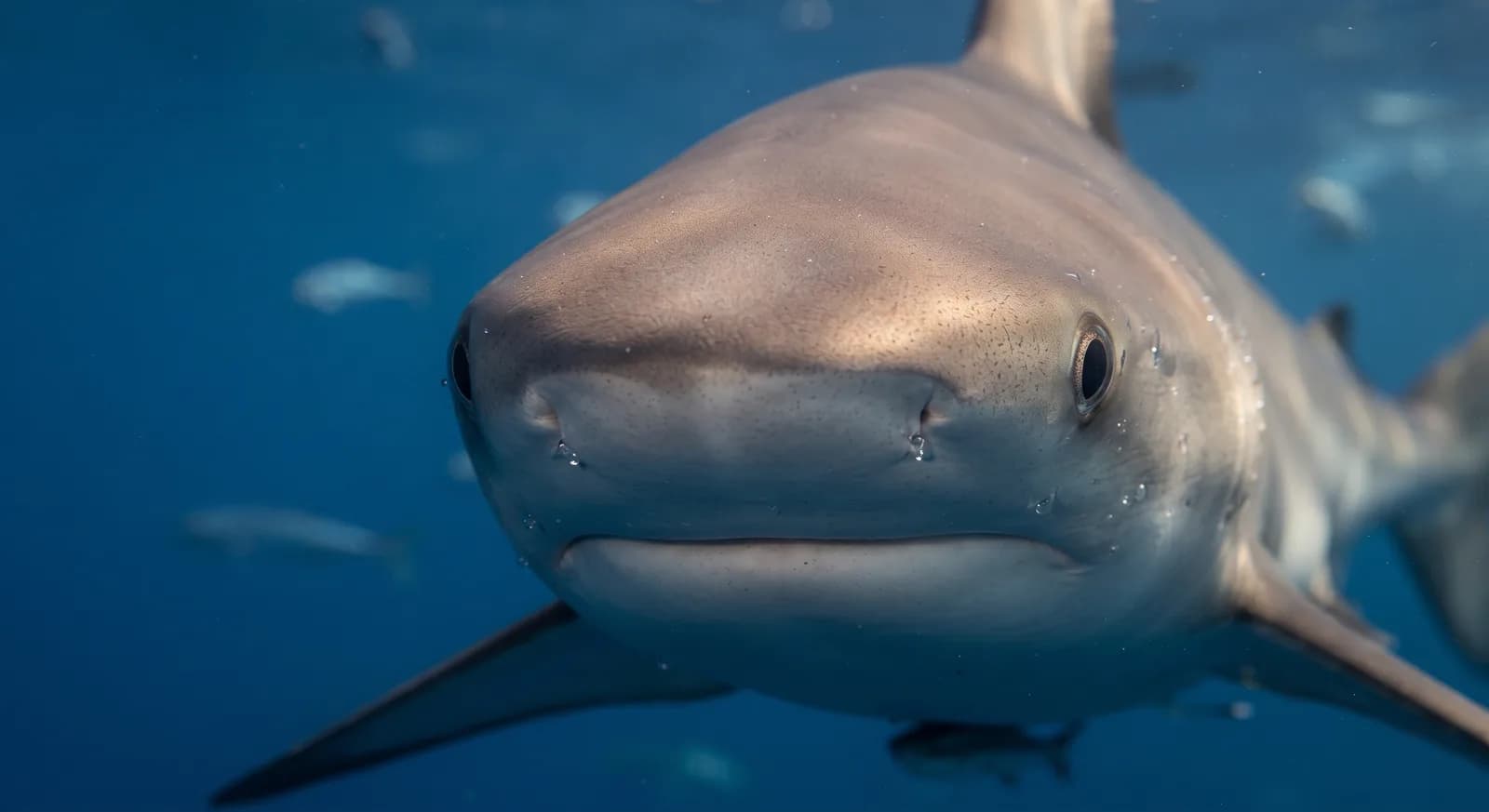
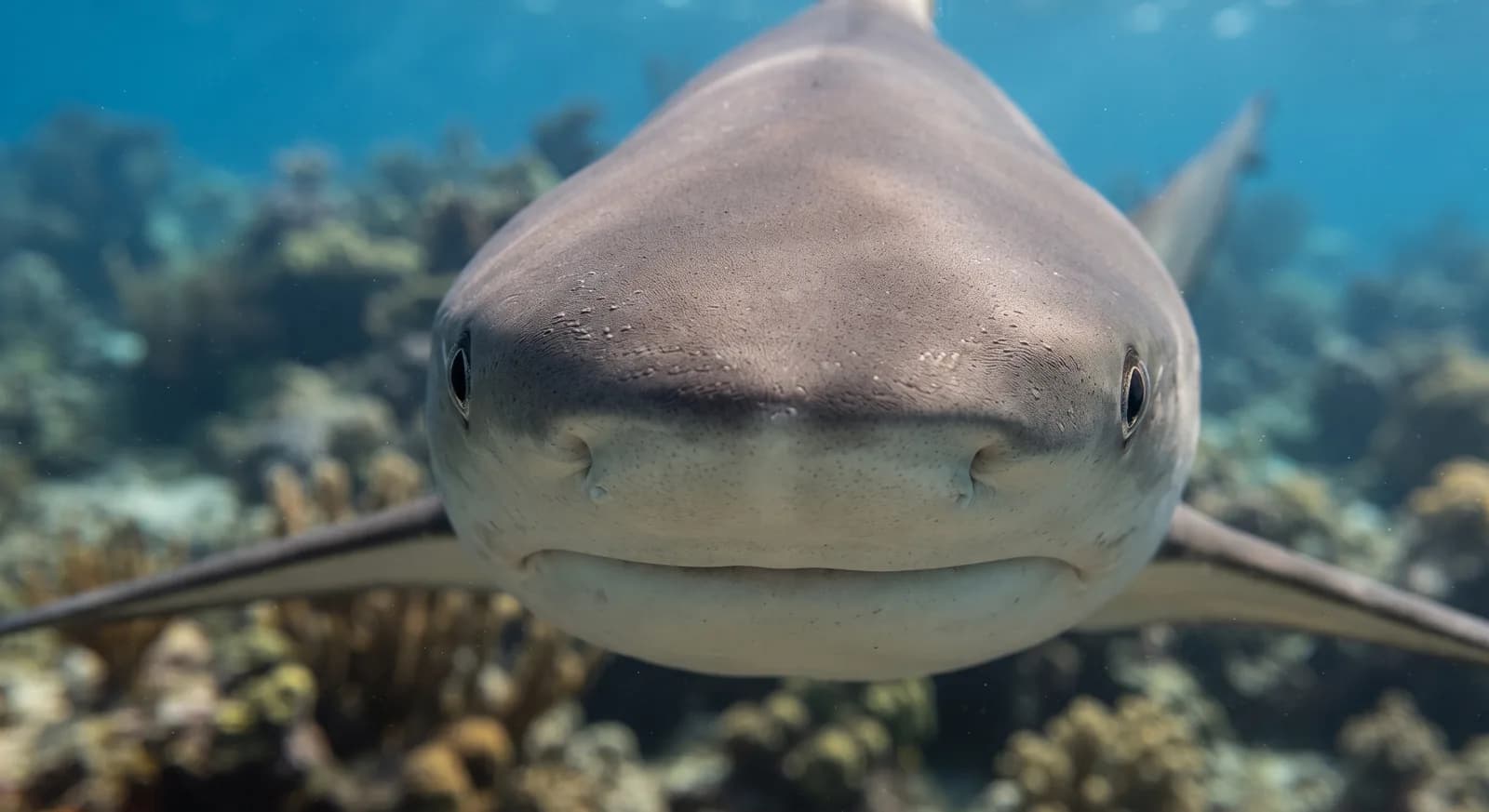
Caribbean Reef Shark
Carcharhinus perezi
North America
Guatemala concentrates a remarkable diversity of landscapes in a relatively small territory: a chain of more than thirty volcanoes, several of them active, crosses the south of the country; the western highlands combine pine and oak forest with volcanic lakes such as Atitlán; and towards the north, the Petén opens into the Maya Biosphere Reserve, the largest block of tropical rainforest in Central America, a continuation of the forests of Belize and Mexico. The cloud forests of the Sierra de las Minas and the Verapaz hold back the moisture from the Caribbean and shelter a very particular highland fauna. The Caribbean coast contributes mangroves and wetlands such as those of the Río Dulce and Punta de Manabique.
National animal: The quetzal, the national bird, which gives its name to the country's currency
The quetzal is so central to Guatemalan identity that the country's currency bears its name. The Maya used its long tail feathers in the headdresses of their rulers, but they captured the bird, pulled out a few feathers and released it, because killing it was punishable. The belief that it does not survive in captivity has reinforced its role as a symbol of freedom, and its presence today depends entirely on the cloud forests.
The Atitlán grebe, a flightless waterbird that existed only in that lake, became extinct in 1989 through the introduction of largemouth bass and the alteration of the reedbeds. The community forest concessions of the Petén are an internationally cited model of sustainable rainforest management.
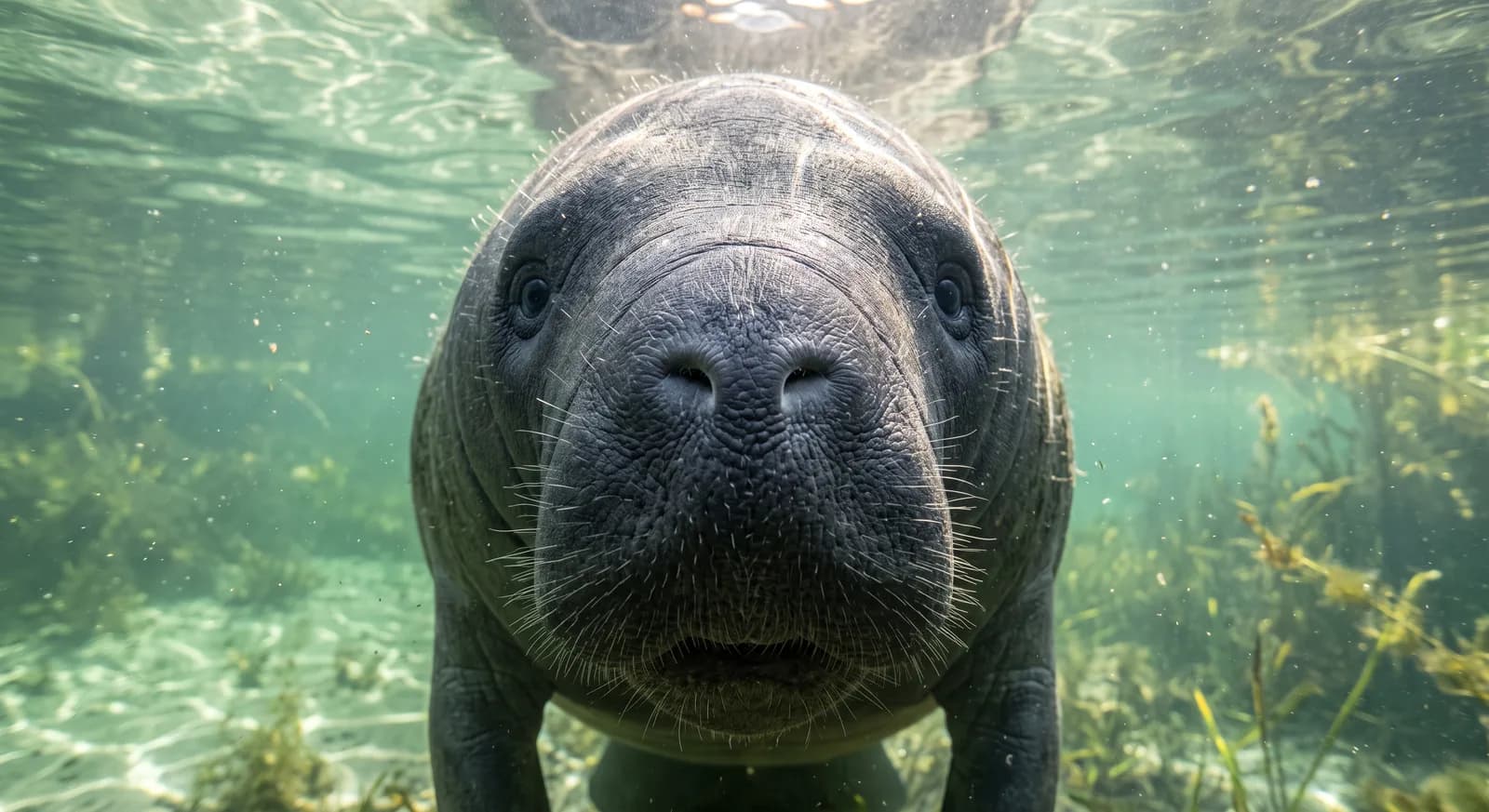
The Quetzal Biotope and the Sierra de las Minas between February and May for the quetzal. Tikal at dawn for howler monkeys and ocellated turkeys. The Río Dulce year-round for manatees and waterbirds.
260 species found
Based on what we already know about Guatemala.