Wildlife you can see now
What is worth looking out for this month in Romania?
 Least Concern
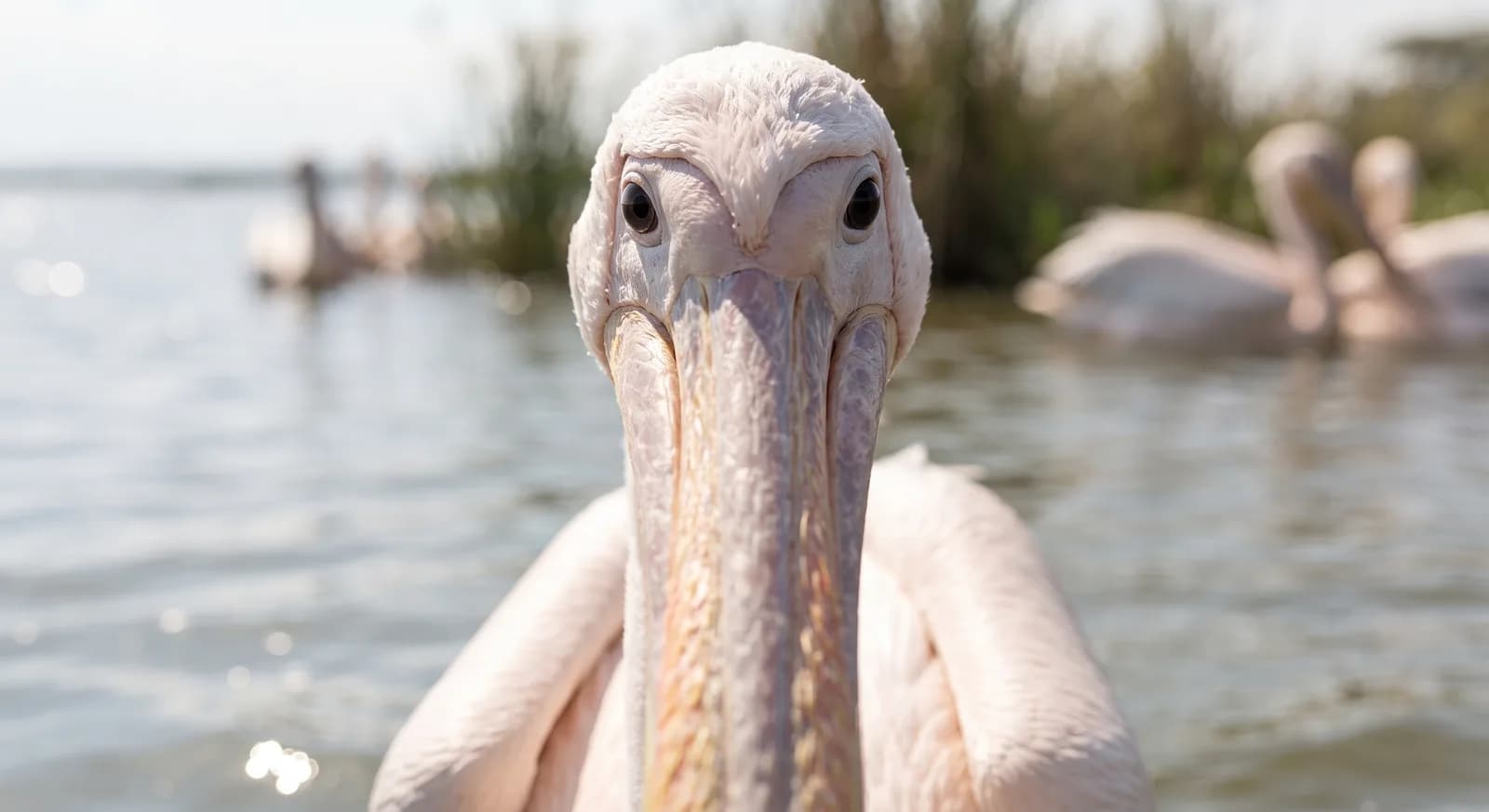
Great White Pelican
Pelecanus onocrotalus
Now is a good time: Pelican colonies in the Danube Delta (April to October (peak in May))
Europe
Romania probably has the best-preserved nature in the European Union. The Carpathians, which arc across the country, hold the largest European populations of brown bear, wolf and lynx outside Russia, alongside virgin beech forests listed as World Heritage. In Transylvania, traditional hay meadows survive that break world records for plant diversity in small areas, maintained by a low-intensity agriculture that has vanished from the rest of the continent. To the east, the Danube delta forms the largest continuous wetland in Europe and contains the most extensive reedbed on the planet: Dalmatian and great white pelicans, pygmy cormorants, herons and more than three hundred bird species breed there. Retezat, protected since 1935, was the country's first national park and keeps a hundred or so glacial lakes.
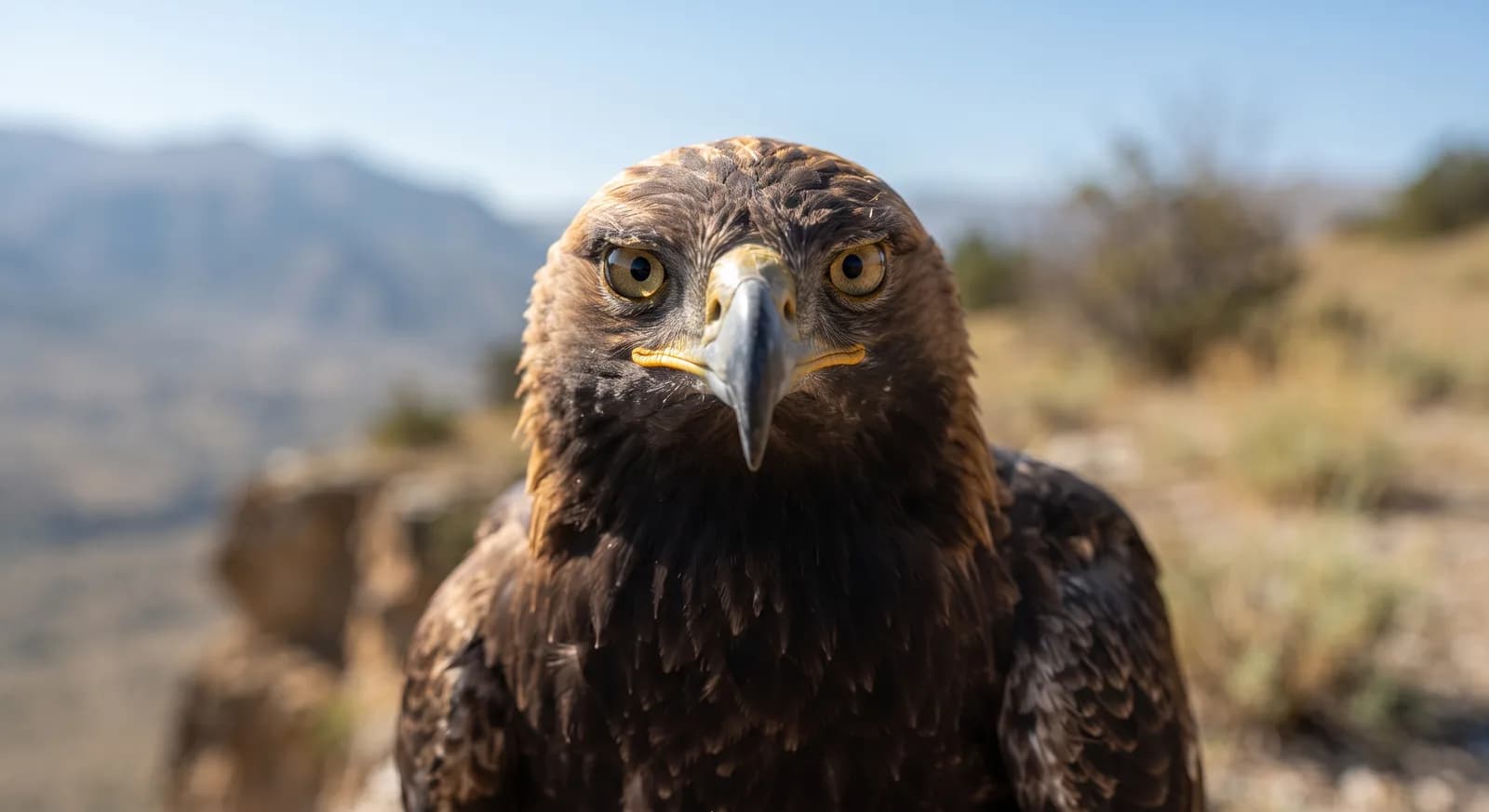
National animal: The Eurasian lynx is the national animal; the eagle is the heraldic emblem
The Danube delta holds the largest great white pelican colony in Europe and a substantial share of the world population of Dalmatian pelican, the biggest of the eight pelican species and one of the heaviest flying birds in the world, with a wingspan of more than three metres. Great white pelicans fish as a group, forming a semicircle to drive fish towards shallow water.
Illegal logging in the virgin forests of the Carpathians is the country's great environmental conflict. In parallel, the European bison has been successfully reintroduced in the Țarcu mountains, in one of the largest rewilding operations in Europe.
The Danube delta between April and June for pelicans and heron colonies. The Carpathians from bear hides between May and September. The Țarcu mountains for the reintroduced bison.
What is worth looking out for this month in Romania?
Least ConcernGreat White Pelican
Pelecanus onocrotalus
Now is a good time: Pelican colonies in the Danube Delta (April to October (peak in May))
505 species found
Based on what we already know about Romania.