 Least Concern
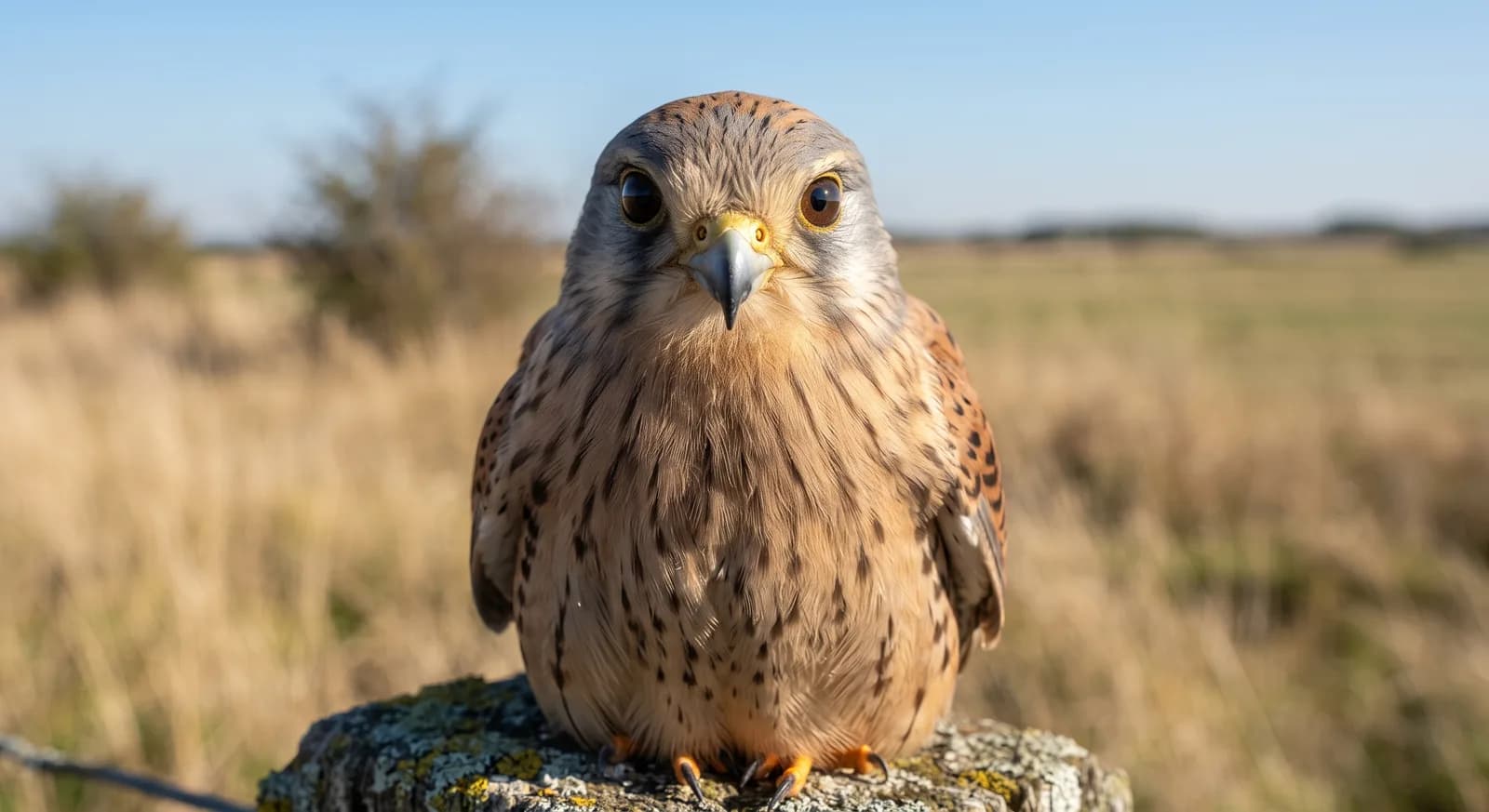
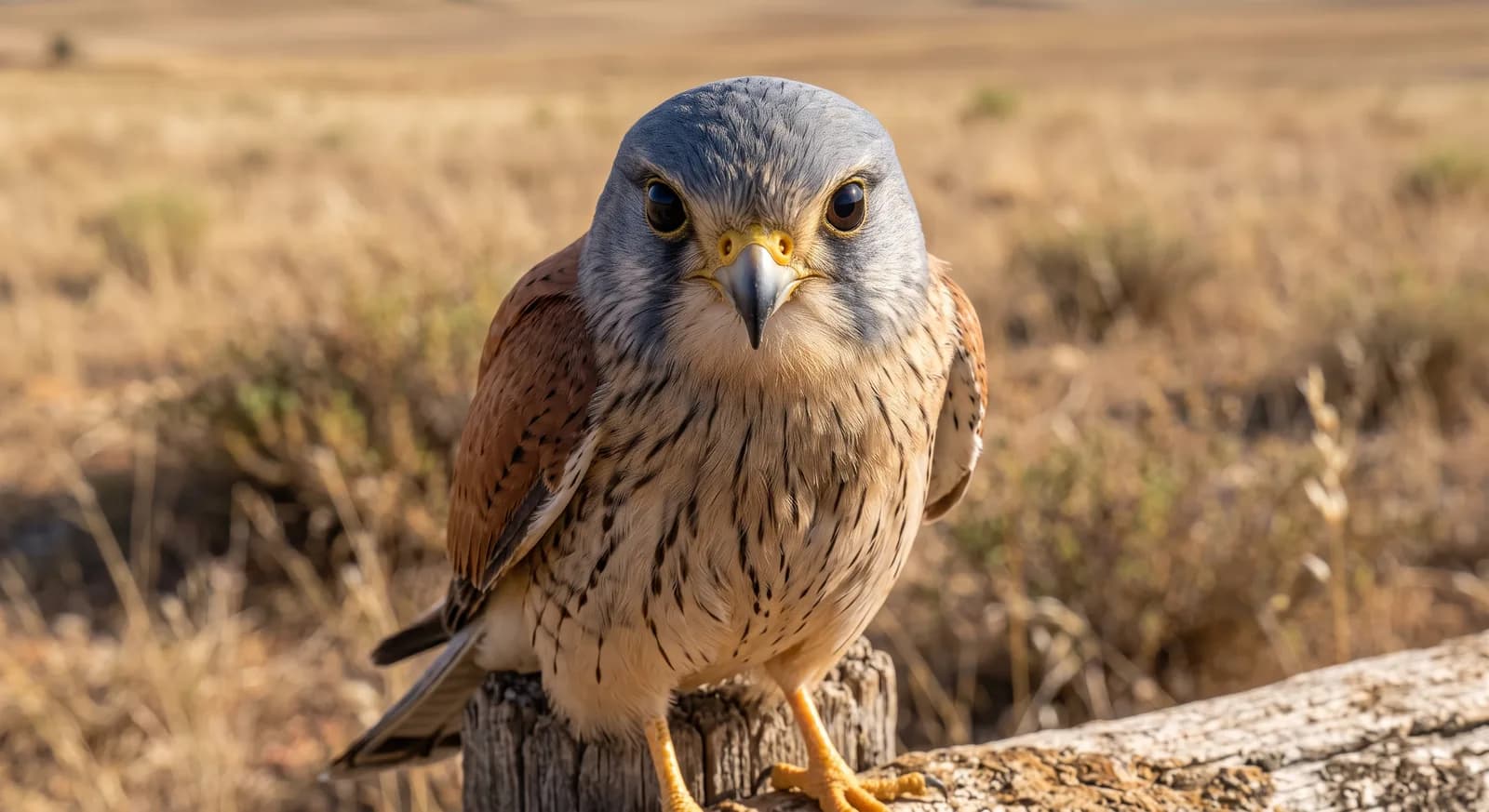
Lesser Kestrel
Falco naumanni
Europe
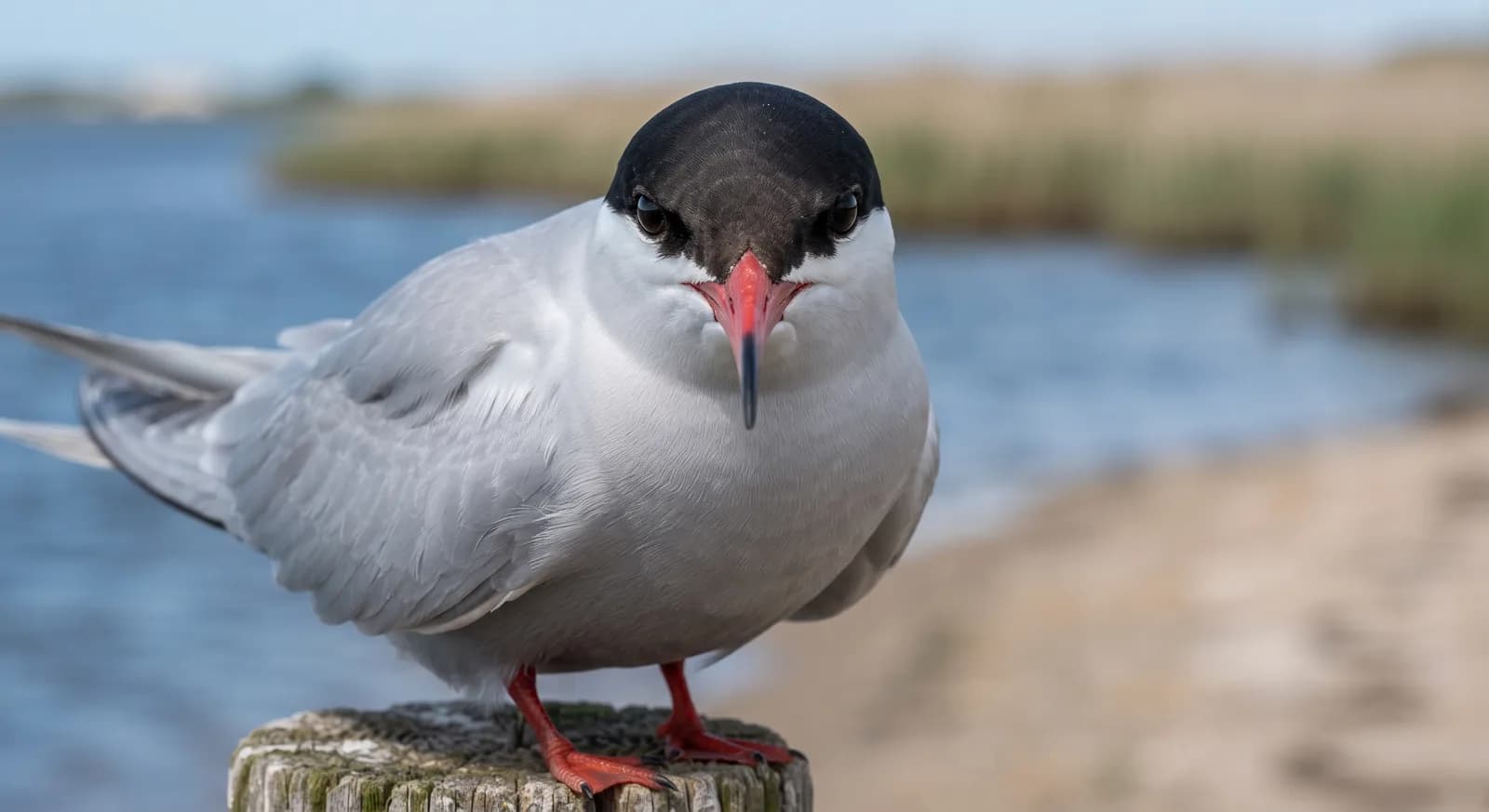
Ukraine is the country of the Pontic steppe, an ecosystem that once stretched from the Danube to central Asia and today survives in minimal fragments because its black soil, the chernozem, is among the most fertile on the planet and was almost entirely ploughed. Since 1898 Askania-Nova has preserved one of the last patches of virgin steppe never broken by the plough, with bobak marmots, little bustards and steppe eagles. In the southwest, the Ukrainian Carpathians protect primeval beech forests listed as World Heritage and support brown bear, wolf and lynx. The Danube delta shares with Romania the largest wetland system in Europe, with Dalmatian pelicans and massive colonies of waterbirds. The Black Sea and the Sea of Azov add brackish lagoons and sandbars where terns and waders breed, and where a resident population of bottlenose dolphin lives.
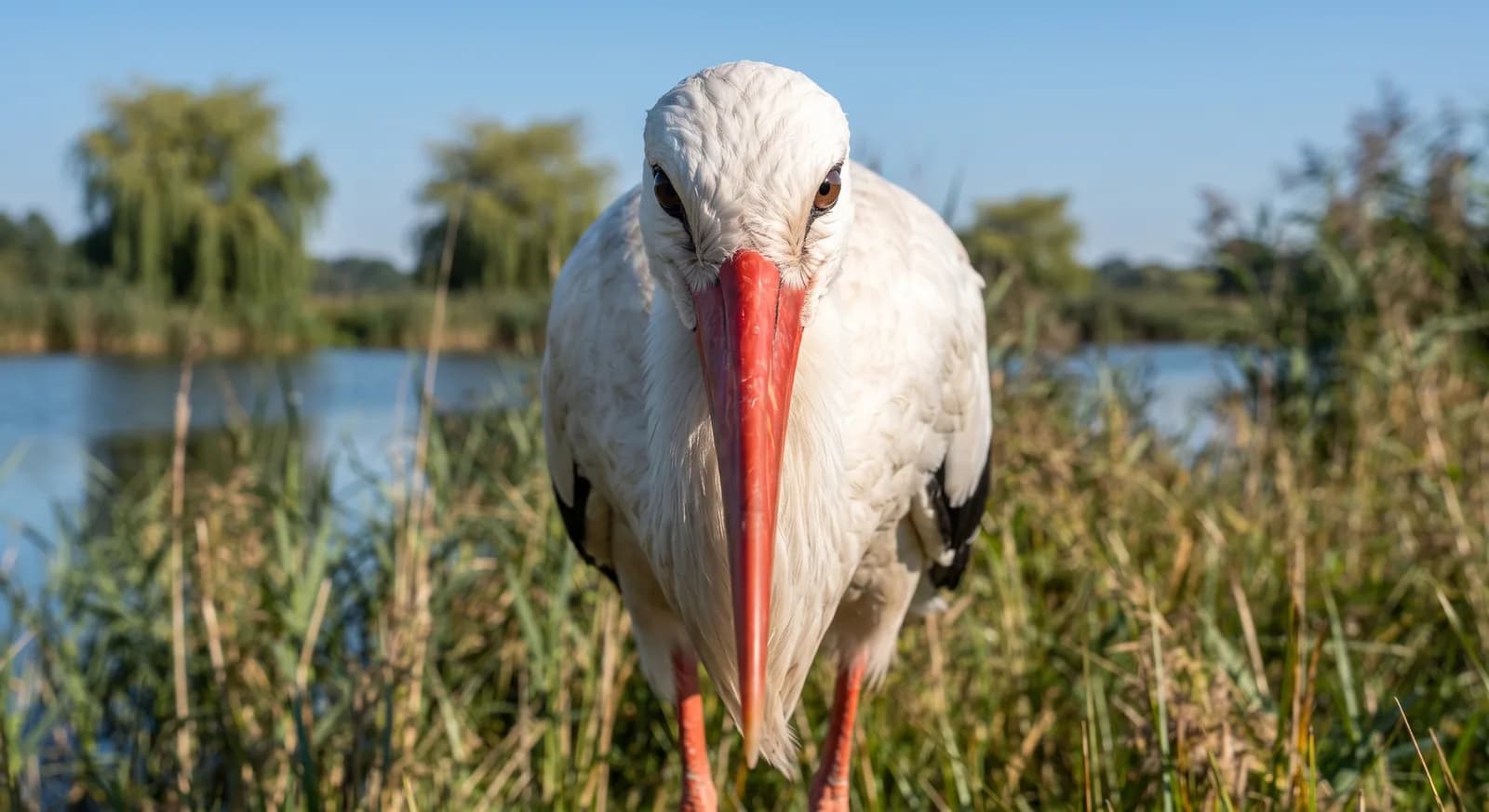
National animal: No official national animal; the white stork and the common nightingale are the popular wildlife symbols
The bobak marmot, a colonial steppe rodent that hibernates for more than half the year in deep burrows, works as an engineer of the ecosystem: by turning over the soil it creates mounds where plants different from those of the surrounding grassland take root, and it opens burrows later reused by foxes, badgers, lizards and steppe birds. Where the marmot disappears, the whole steppe community becomes poorer.
The war has caused direct damage to protected areas, fires in steppe reserves and the destruction of the Kakhovka dam in 2023, which emptied a reservoir and fundamentally altered the wetlands of the lower Dnieper. The primeval beech forests of the Carpathians remain the country's greatest intact natural asset.
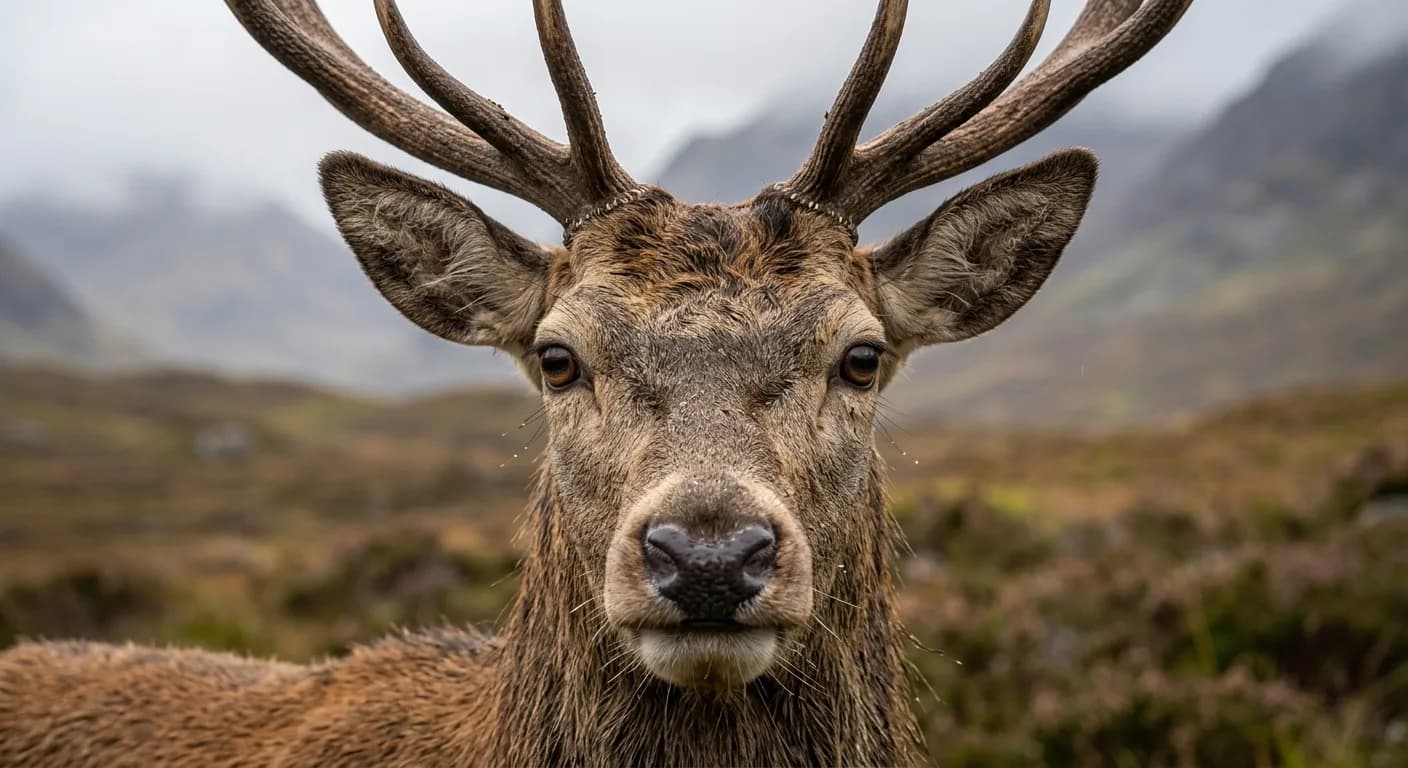
Askania-Nova in spring for marmots and steppe flora in bloom. The Danube delta between April and June for pelicans and heron colonies. The Carpathians in autumn for the deer rut.
503 species found
Based on what we already know about Ukraine.