Skip to content
WAnimals
  • Map
  • Species
  • Parks
  • Diving
Log inCreate account
WAnimals

The guide for travellers and animal lovers: discover, plan and share your wild adventures around the world.

Discover wildlife

  • Species
  • Ecosystems
  • Glossary
  • Tags

Explore places

  • Map
  • Countries
  • Parks
  • Diving

Plan experiences

  • Guides

Learn

  • Blog

Resources

  • Help centre
  • Contact
  • Install the app

Follow us

Account

  • Log in
  • Create account

© 2026 WAnimals. All rights reserved.

About usHow we build our profilesTerms of servicePrivacyLegal notice
MapSpeciesParksDiving
  1. Home
  2. Species
  3. Eurasian Wren

One of the 2 wrens on WAnimals
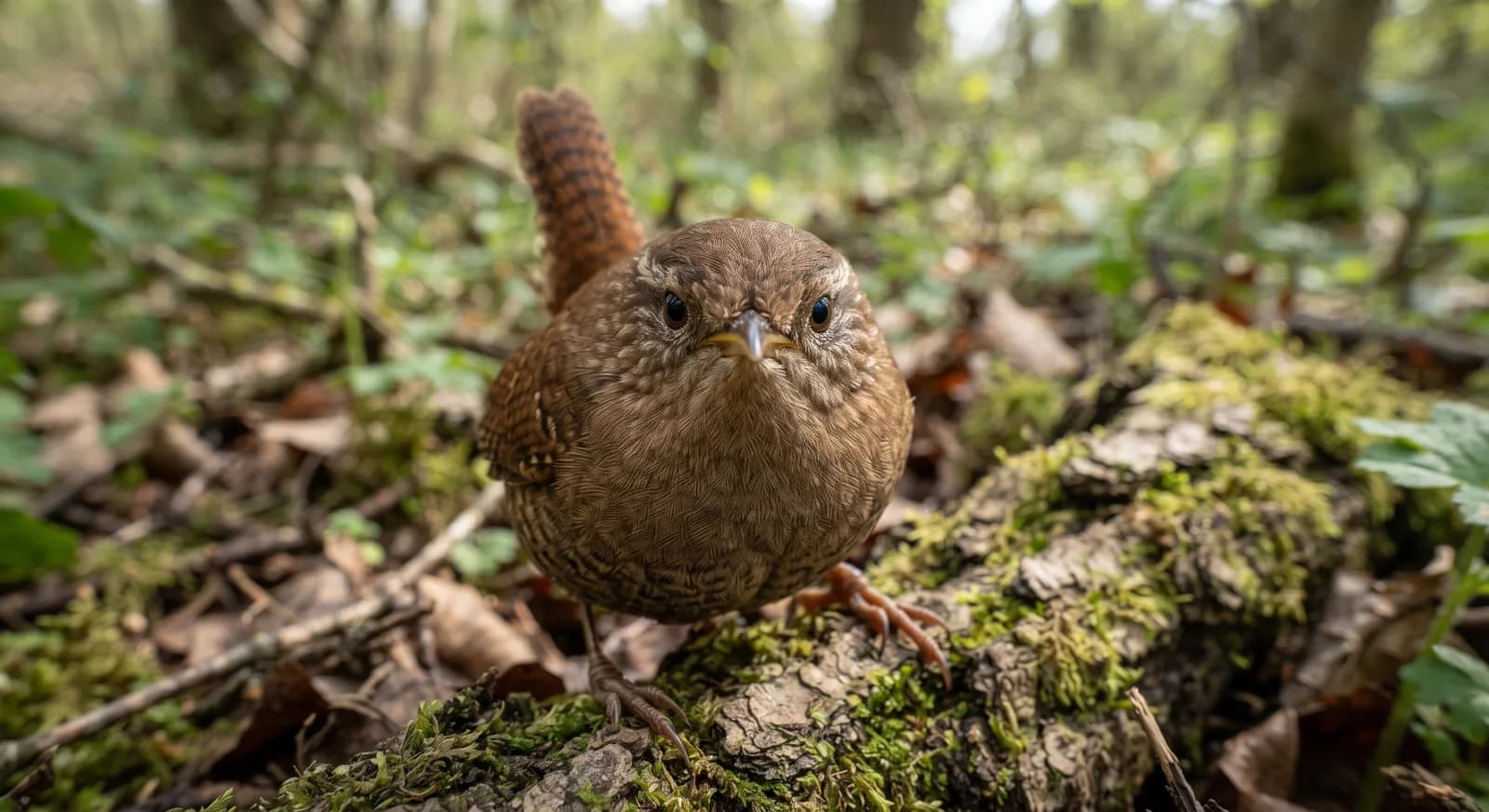
Eurasian Wren (Troglodytes troglodytes)

Birds · Passeriformes · Troglodytidae

Eurasian Wren

Troglodytes troglodytes

Least Concern

The species is abundant and widely distributed; it faces no significant short-term risk.

Spotted something wrong?

One of the smallest birds in Europe. A compact, plump body, a large head and a very short tail that it often cocks or holds upright, its most recognisable feature. The plumage is a dull reddish brown, somewhat paler below, finely vermiculated in darker tones, with barred wings and tail. The bill is fine and pointed.

Weight

9 g – 11 g

Size

9 cm – 10.5 cm

Life expectancy

5 years

Diet

Insectivore

Feeds mainly on insects and other invertebrates.

Activity

Diurnal

Active mainly during the day.

Social structure

Solitary

Lives and hunts alone, joining others only to breed.

Sighting difficulty

Easy

Temperate forest
49countries261parks

AI-generated images: illustrations, not photographs.

Fun facts

  • comunicaciónFor all its tiny size, it has one of the loudest songs relative to body weight of any European bird.
  • It is polygamous: the male may mate with several females, which is why clutch size varies so much from one nest to another.
  • It is the only representative of its family in the Old World; the other wrens, as many as 93 species, are American.
  • Despite its tiny size it has an extremely powerful song, out of all proportion for a bird of ten grams.

Life cycle and biology

Skeleton type
Vertebrate - internal bony skeleton (bird)
Habitat and environment
Woodland and scrub with dense undergrowth, often near watercourses. It nests in holes in trees, rocks and even buildings, although it also weaves spherical nests among the scrub. Its migrations are short: from the high mountains down to lower ground, or from northern Europe to the Mediterranean, usually without crossing the sea
Birth weight
Altricial: born blind, naked or with sparse down and entirely dependent
Size at birth
Altricial: born blind, naked or with sparse down and entirely dependent
Sexual maturity
12 months
Gestation / incubation
The young leave the nest at 14 days, with the female incubating alone
Litter / clutch size
3-9 pale eggs with fine orange-ochre speckling, between April and July. The number varies according to whether the male has paired with one or several females. The nest is spherical, with a small opening, made of grass and moss

Sources consulted: SEO/BirdLife (ficha chochín paleártico y III Atlas); Asturnatura; Sierra de Baza (ficha técnica); Wikipedia (Troglodytes troglodytes); Barker (filogenia molecular); Albrecht et al. 2020, PLOS ONE (filogenia de poblaciones ibero-magrebíes); Linnaeus 1758; Billberg 1828

Where to find it

Best time: All year round; it is resident, though in winter birds arrive from northern Europe

Loading map…

Where to see it

Parks and dive sites where this species has been documented — showing 10 of 261.

Related species

Other species in the catalogue with the most in common with Eurasian Wren — same habitat, park, country, tags or family.

Shares a park
Shares a park
Shares a park
Shares a park
Shares a park
Shares a park

Keep exploring

Based on what we already know about eurasian wren.

Comments

Share an experience, a fun fact or a tip for seeing the eurasian wren.

Be the first to comment.

See full glossary
This page in other languages: Español · Deutsch · Français · Português · Italiano

The pins mark the parks where its presence is documented.

See its range on the interactive map→
Doñana National ParkSpain
SarekSweden
PadjelantaSweden
JotunheimenNorway
HardangerviddaNorway
Pallas-YllastunturiFinland
Urho KekkonenFinland
Lake DistrictUnited Kingdom
CairngormsUnited Kingdom
Snowdonia (Eryri)United Kingdom
See all 261 parks
Western CapercaillieLeast Concern

Western Capercaillie

Tetrao urogallus

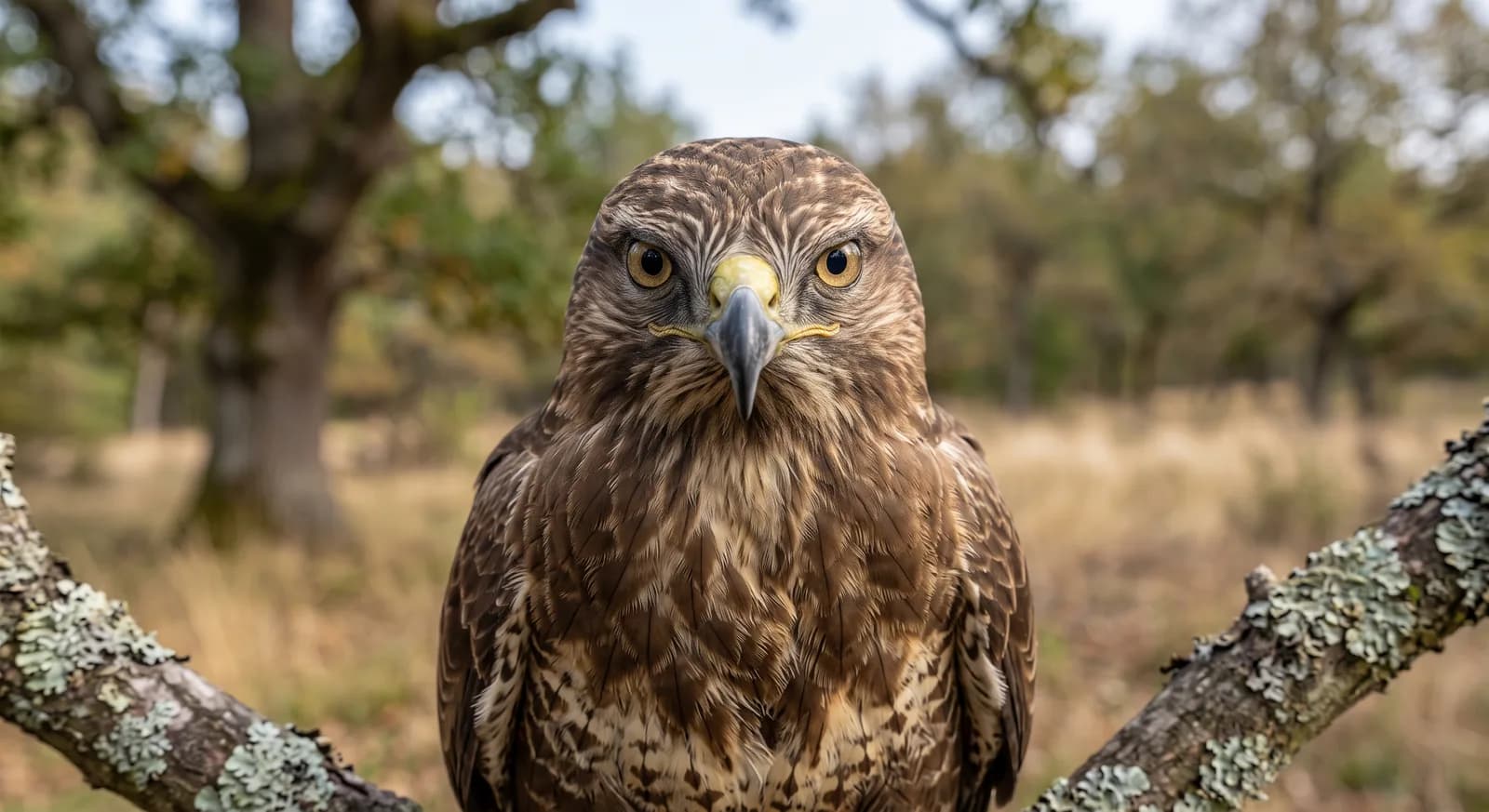
Common BuzzardLeast Concern

Common Buzzard

Buteo buteo

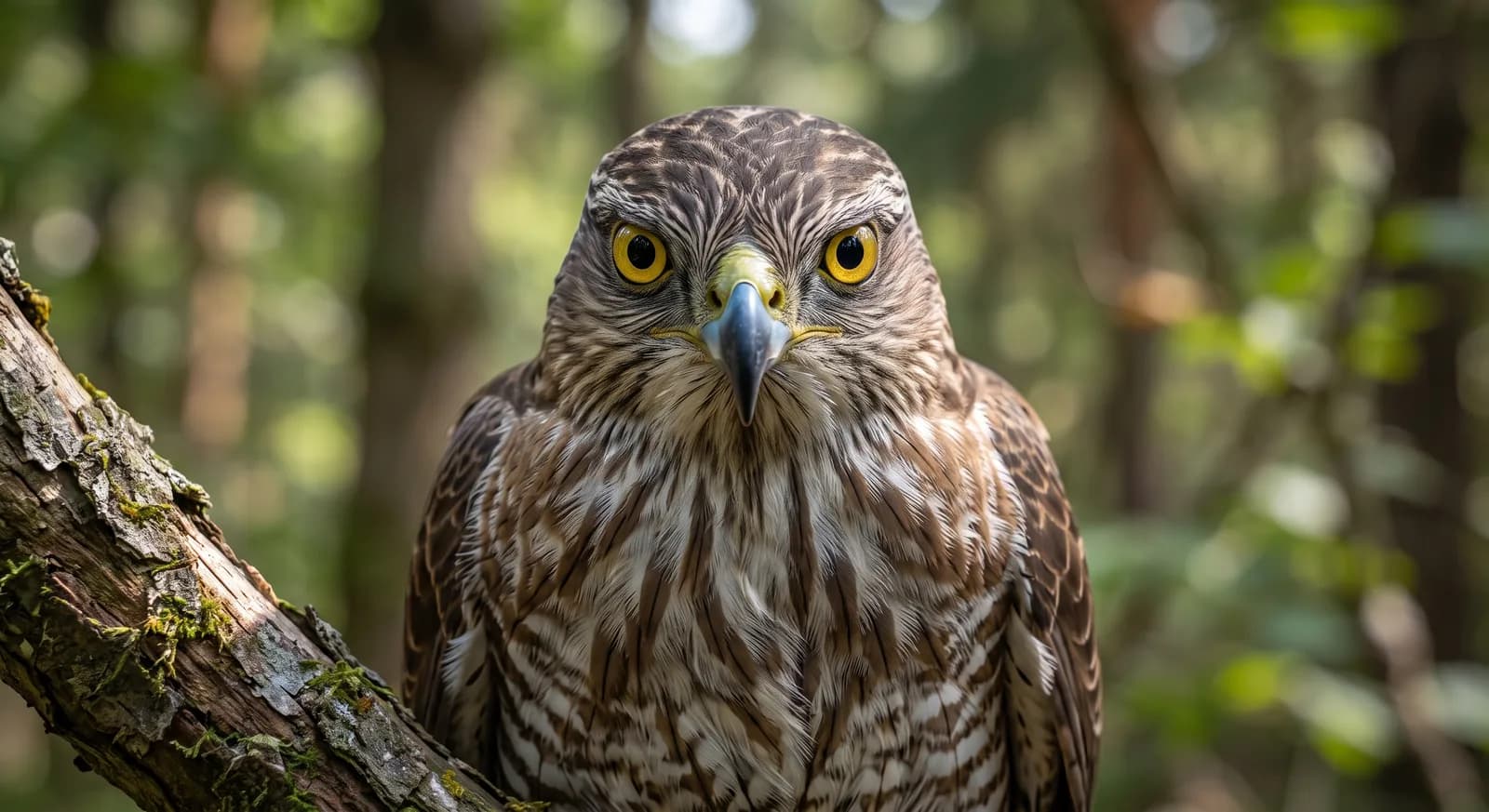
Eurasian SparrowhawkLeast Concern

Eurasian Sparrowhawk

Accipiter nisus

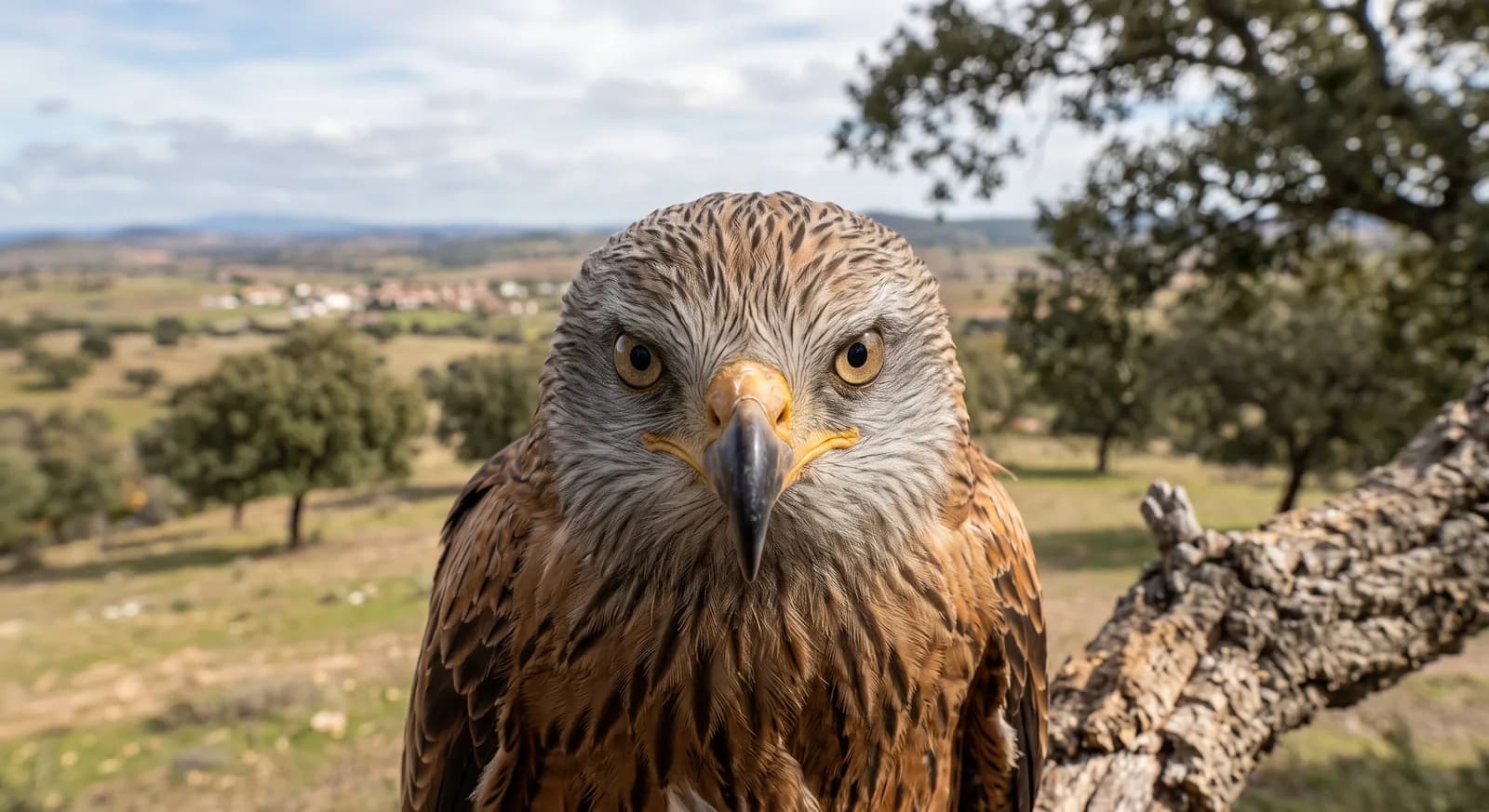
Red KiteLeast Concern

Red Kite

Milvus milvus

Least Concern

European Roller

Coracias garrulus

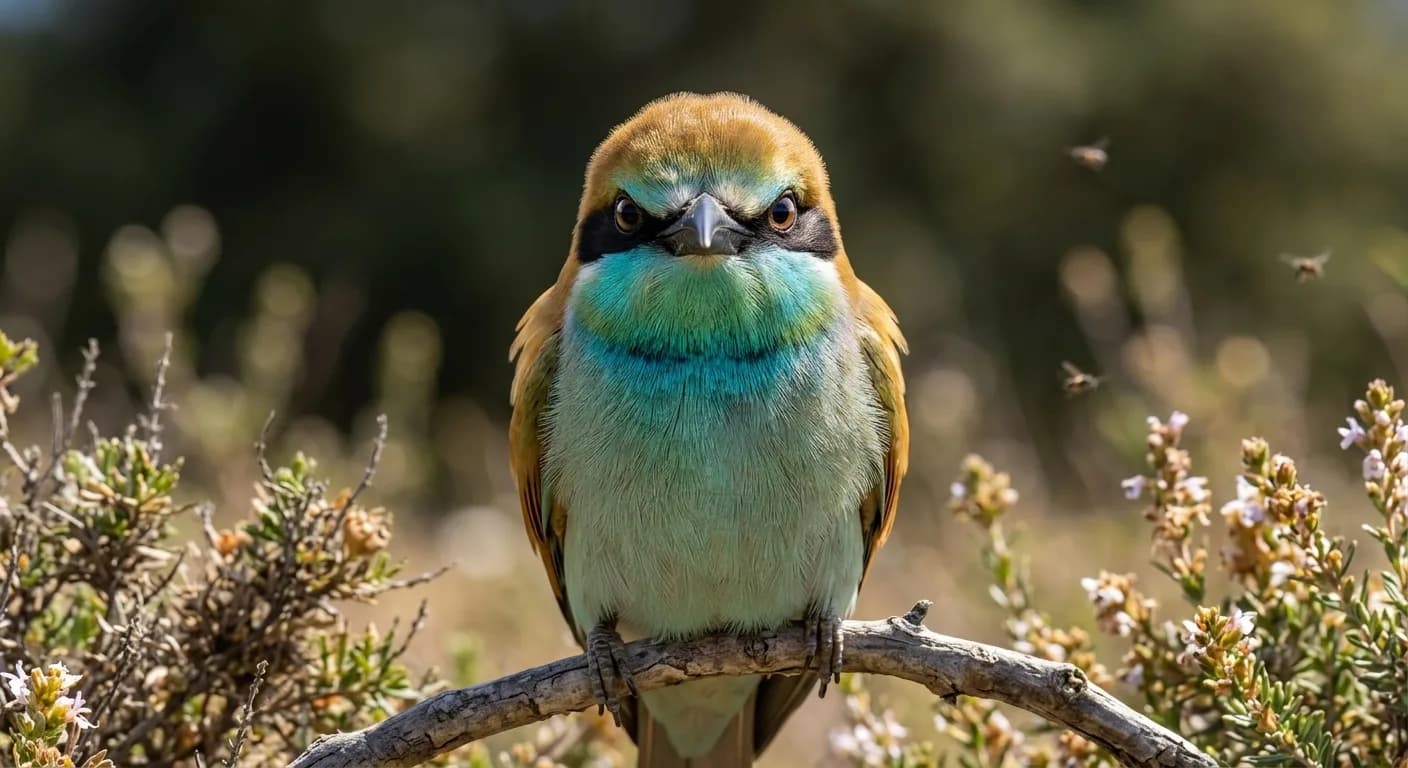
European Bee-eaterLeast Concern

European Bee-eater

Merops apiaster

CountriesSpain
ParksDoñana National ParkSpain
TagsInsectivore
Insectivore
Diurnal
Solitary
Bird
Temperate forest

Europe44

Asia5

Spain
Poland
Finland
Italy
Sweden
United Kingdom
Albania
Andorra
Austria
Belarus
Belgium
Bosnia and Herzegovina
Bulgaria
Croatia
Cyprus
Czechia
Denmark
Estonia
Finland
France
Germany
Gibraltar
Greece
Hungary
Iceland
Ireland
Italy
Kosovo
Latvia
Liechtenstein
Lithuania
Luxembourg
Malta
Moldova
Montenegro
Netherlands
North Macedonia
Norway
Poland
Portugal
Romania
San Marino
Serbia
Slovakia
Slovenia
Spain
Sweden
Switzerland
Ukraine
United Kingdom
Armenia
Azerbaijan
Georgia
Russia
Türkiye