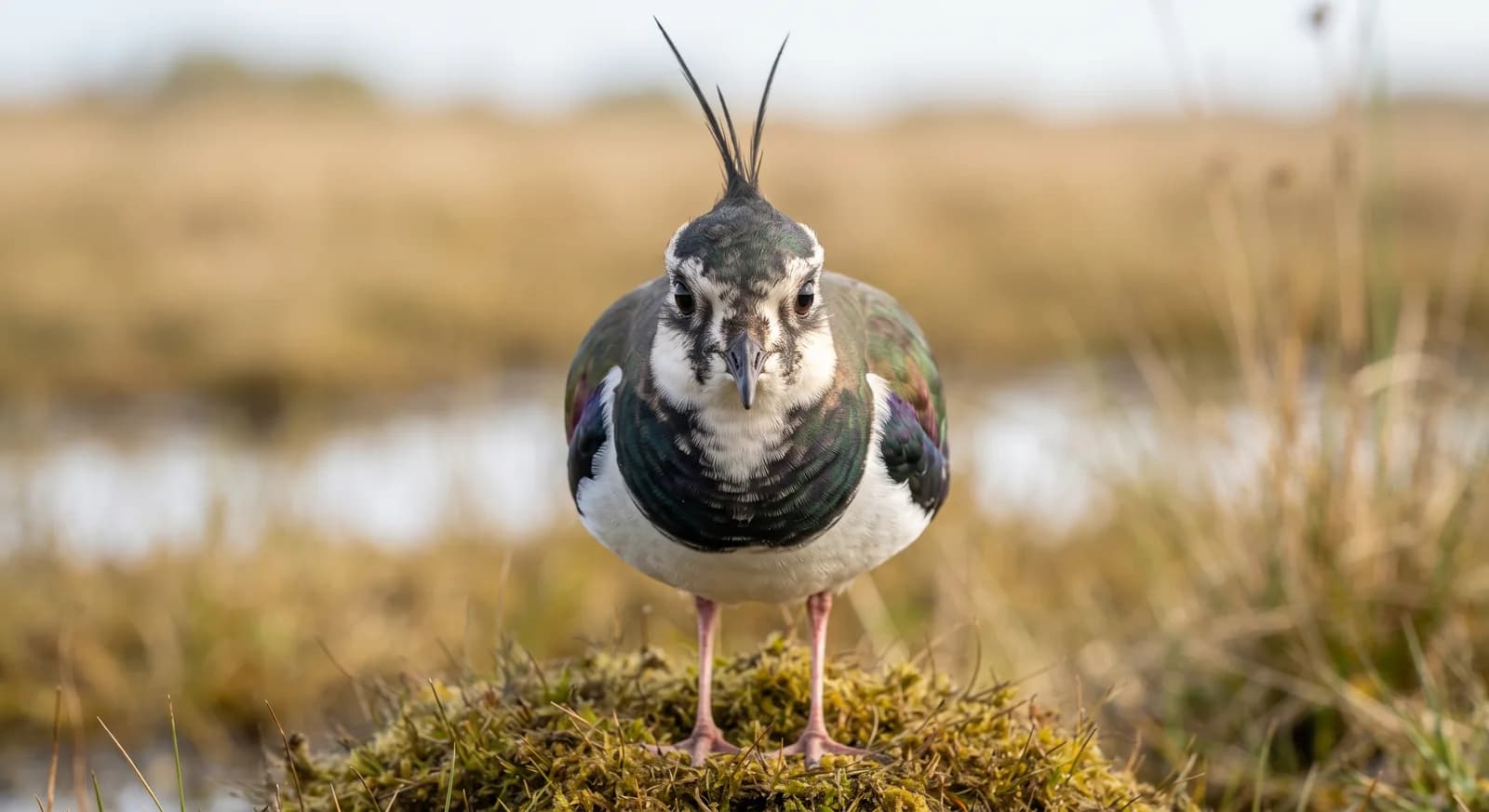
One of the 3 ringed plovers on WAnimals
Birds · Charadriiformes · Charadriidae
Charadrius dubius
The species is abundant and widely distributed; it faces no significant short-term risk.
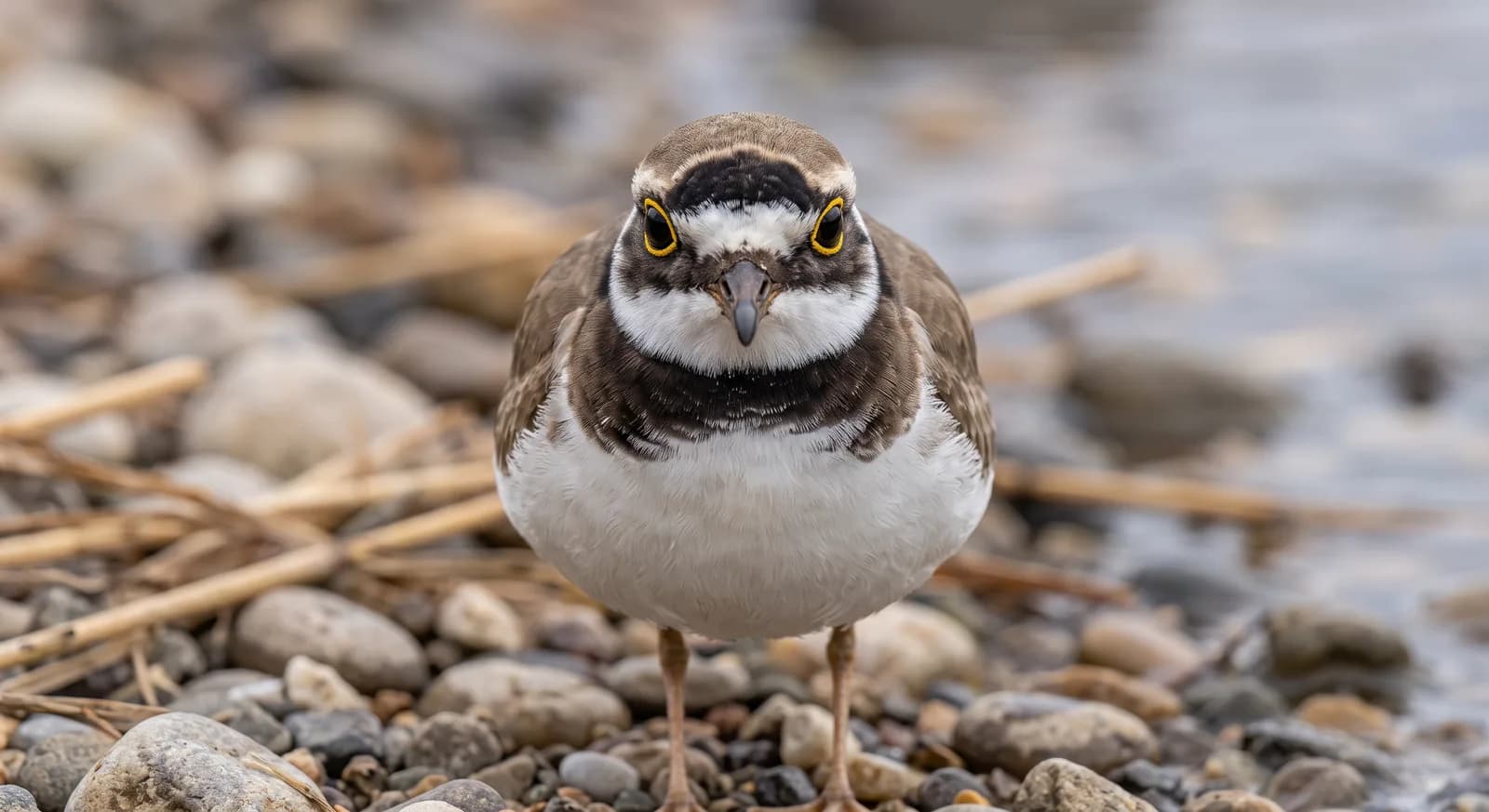
A small wader with a rounded head, a black breast band, a black mask and a band of the same colour across the forehead. Its diagnostic feature is the yellow eye-ring, absent in the common ringed plover. Flesh-coloured legs and a short, dark bill.
Size
15 cm – 18 cm
Life expectancy
3 years
Diet
Carnivore
Feeds mainly on other animals.
Activity
Diurnal
Active mainly during the day.
Social structure
In pairs
Usually lives in pairs, sometimes for life.
Sighting difficulty
Easy
Estimated population
The Spanish population is estimated at 33,050 pairs, though with a very wide confidence interval and a minimum of 4,000. The European one, at between 425,000 and 634,000 mature individuals
AI-generated images: illustrations, not photographs.
Sources consulted: SEO/BirdLife (ficha y III Atlas de las aves en época de reproducción en España); IUCN Red List; Asturnatura; Lista Roja Europea de Aves 2021; SEO/BirdLife Cantabria (seguimiento de la población reproductora); Blasco-Zumeta y Heinze, Atlas de Identificación de las Aves de Aragón
Best time: From April to September, mainly in June, on gravel banks and sandbars
Parks and dive sites where this species has been documented — showing 10 of 207.
Other species in the catalogue with the most in common with Little Ringed Plover — same habitat, park, country, tags or family.
Based on what we already know about little ringed plover.
Share an experience, a fun fact or a tip for seeing the little ringed plover.
Be the first to comment.
The pins mark the parks where its presence is documented.