One of the 2 nightjars on WAnimals
Birds · Caprimulgiformes · Caprimulgidae
Caprimulgus europaeus
The species is abundant and widely distributed; it faces no significant short-term risk.
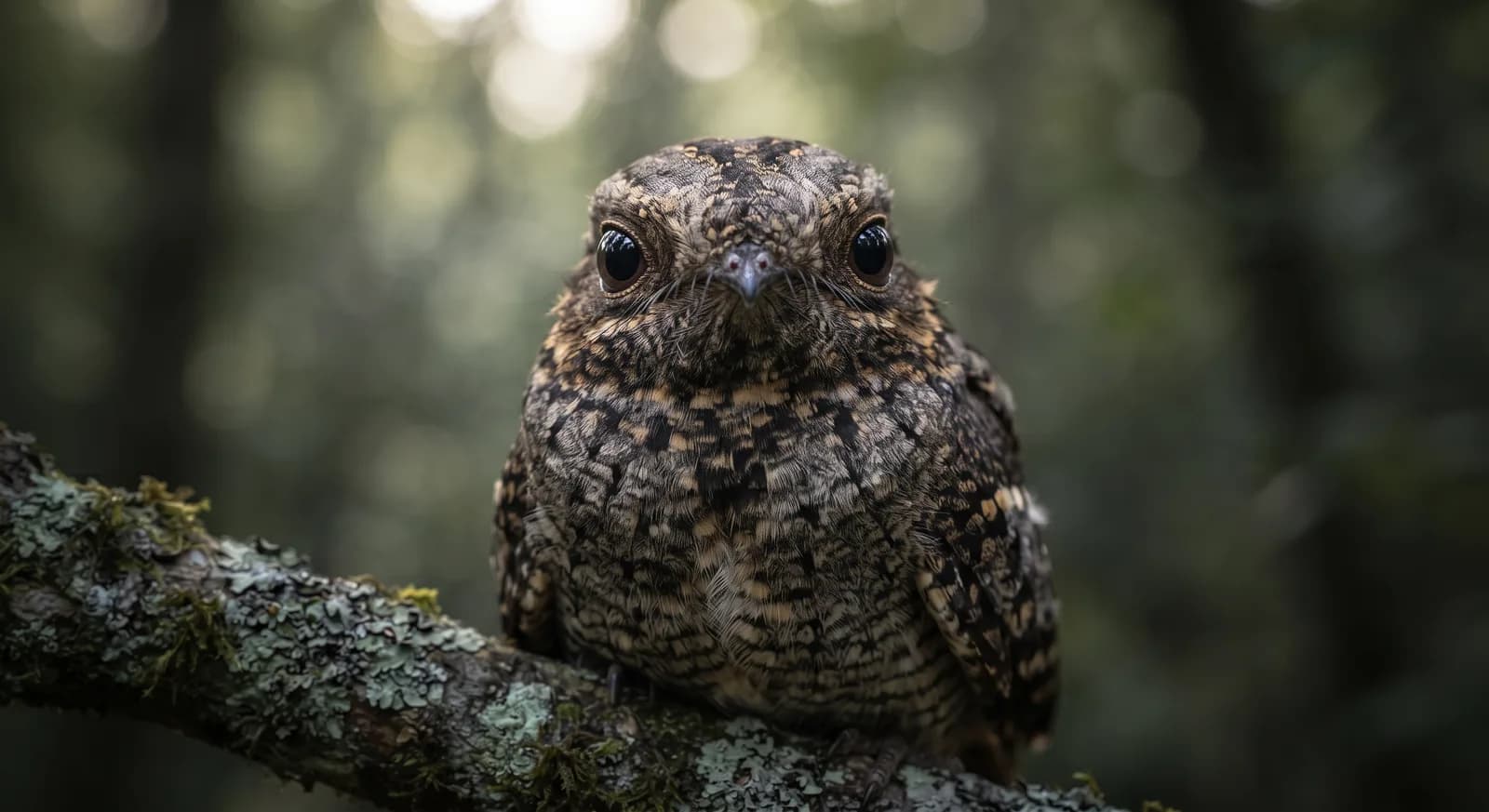
A nocturnal bird with extraordinarily cryptic plumage, mottled in brown, buff, grey and black, which makes it almost invisible on the ground or perched along a branch. It has a very short bill but an enormous gape surrounded by bristles for catching insects in flight, and long, narrow wings and tail. The male has white spots on three primaries and on the outer tail feathers; the female has none.
Weight
67 g on average
Size
24 cm – 28 cm
Life expectancy
4 years
Diet
Insectivore
Feeds mainly on insects and other invertebrates.
Activity
Nocturnal
Active mainly at night.
Social structure
In pairs
Usually lives in pairs, sometimes for life.
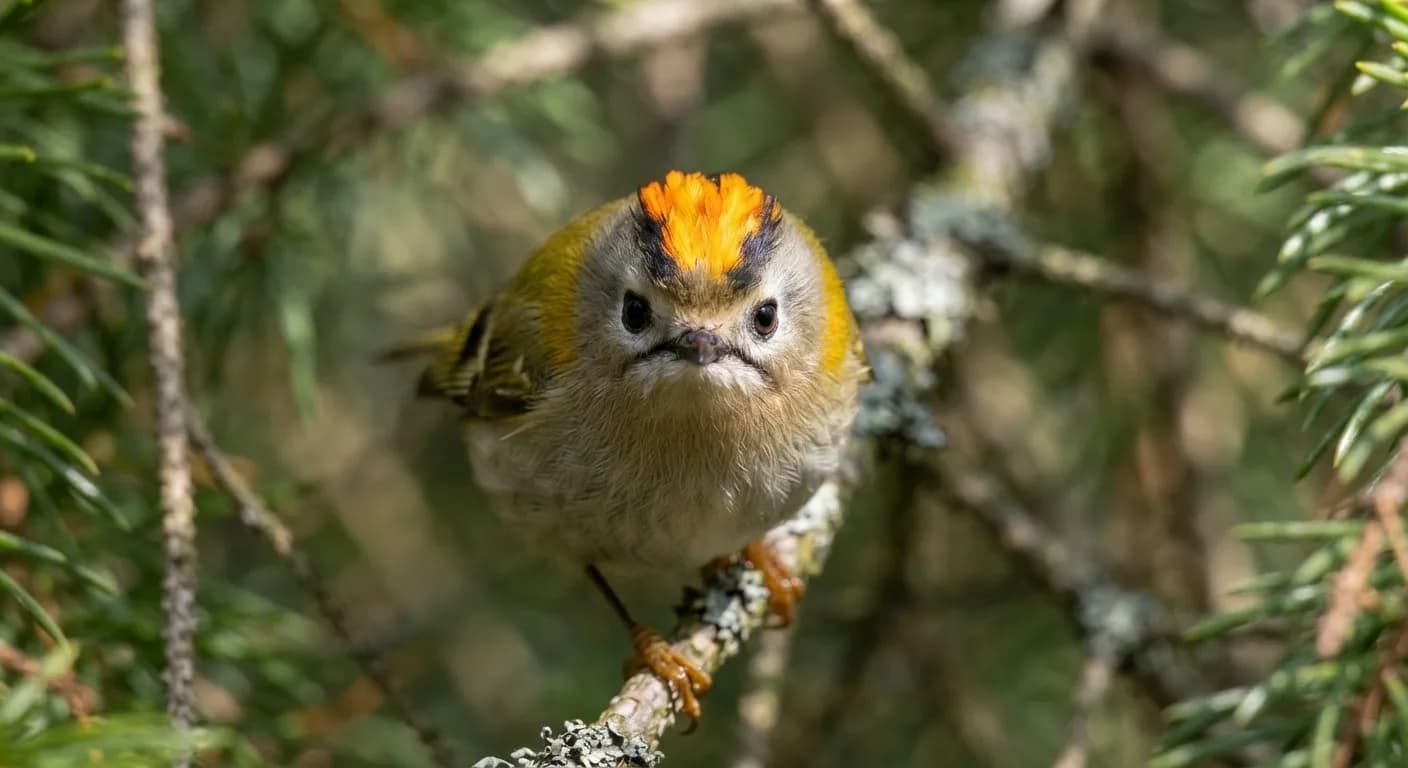
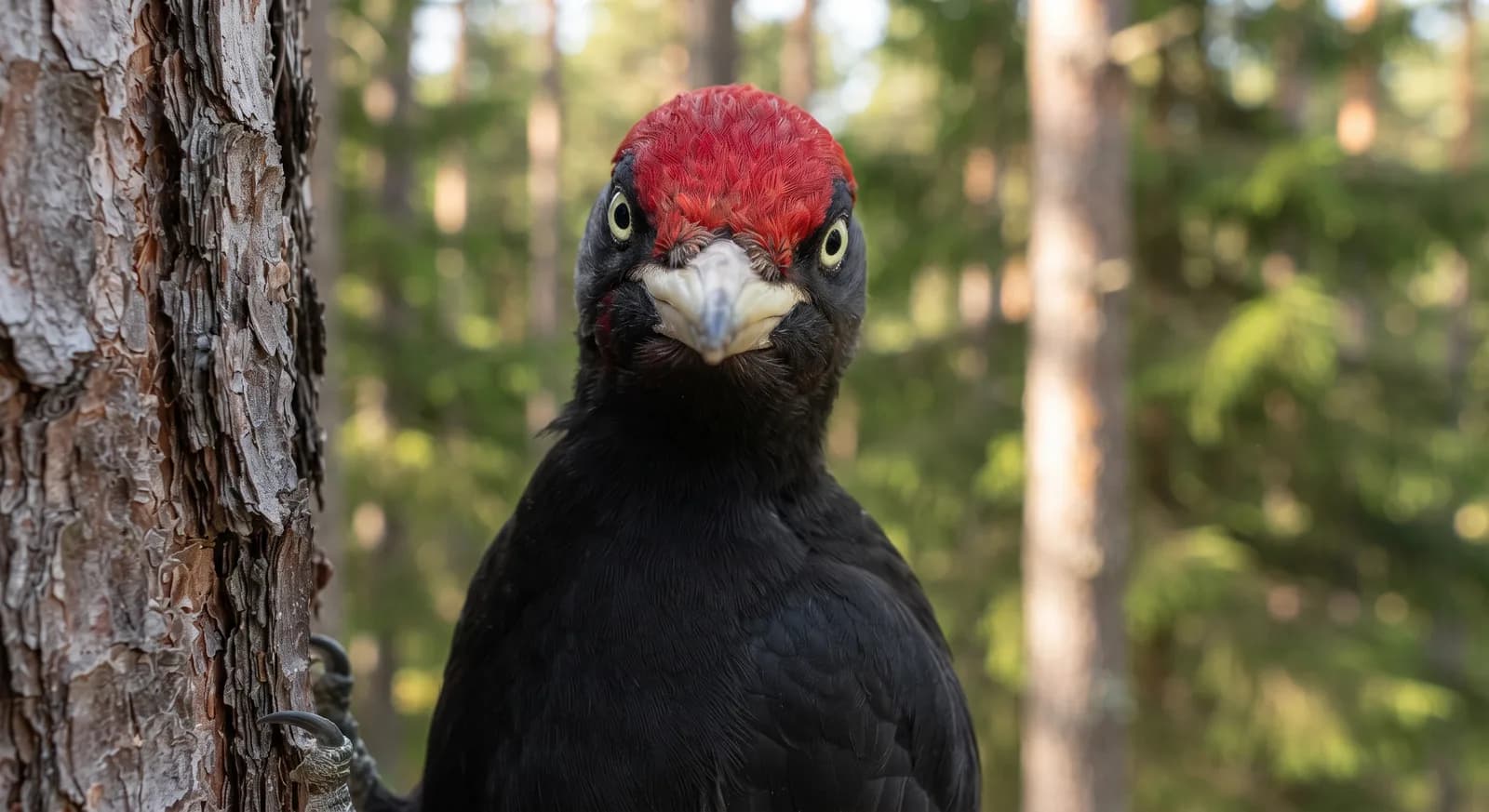
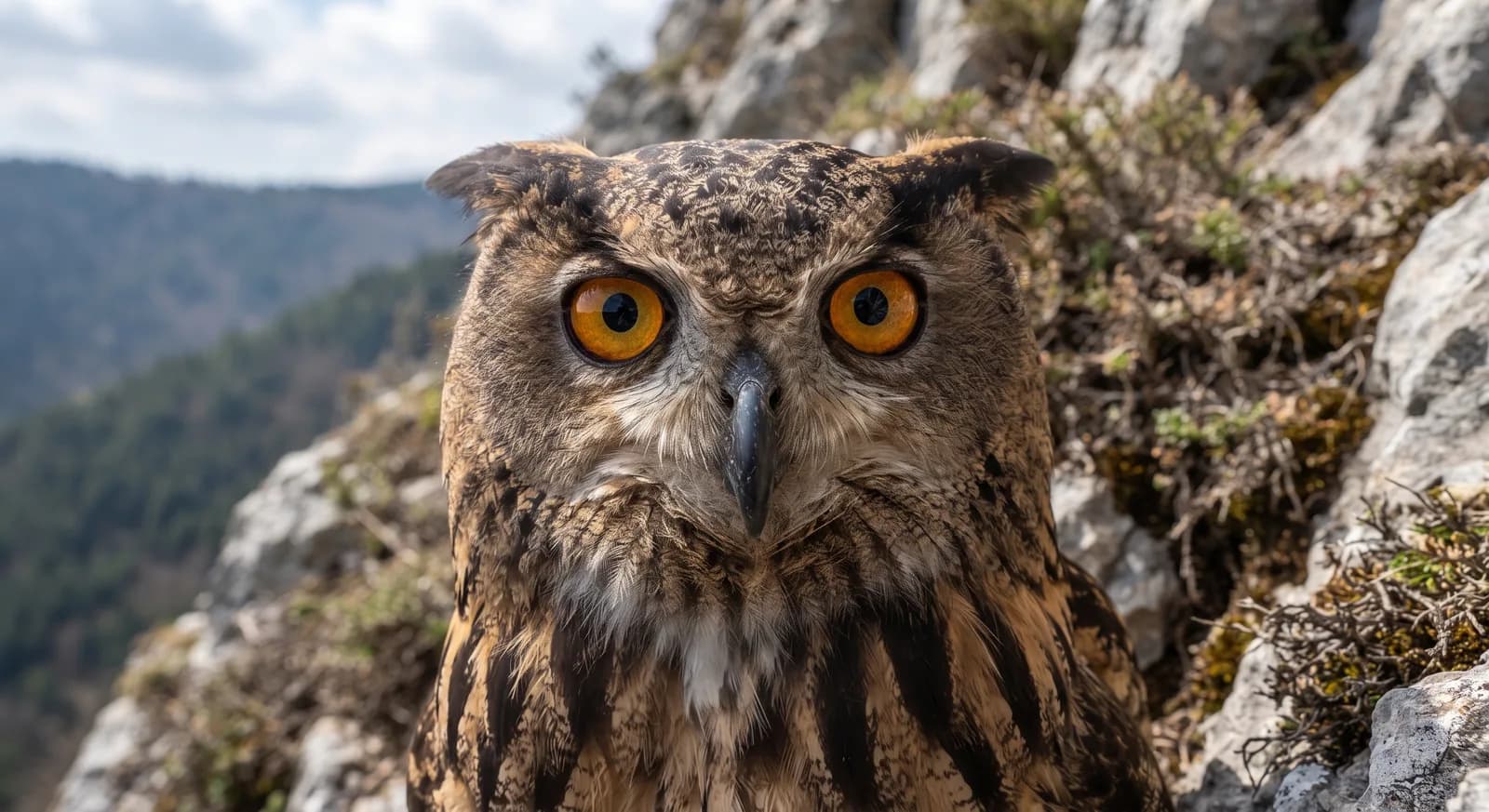
AI-generated images: illustrations, not photographs.
Sources consulted: IUCN Red List · SEO/BirdLife (ficha y III Atlas) · Asturnatura · MITECO · Sierra de Baza (ficha técnica) · Monaco Nature Encyclopedia · Linnaeus 1758
Best time: At twilight in spring and summer, high in the sierras; it is a summer visitor in Spain
Parks and dive sites where this species has been documented — showing 10 of 154.
Other species in the catalogue with the most in common with European Nightjar — same habitat, park, country, tags or family.
Based on what we already know about european nightjar.
The pins mark the parks where its presence is documented.