One of the 7 scorpions on WAnimals
Arachnids · Scorpiones · Buthidae
Fattailed Scorpion
Androctonus australis
It has not yet been assessed against the IUCN criteria. See full glossary
Androctonus australis, also known as the fat-tailed scorpion because of its stout tail, is one of the most dangerous scorpions in the world. It belongs to the family Buthidae and was described in 1758 by Carl Linnaeus. It measures some 10 cm long and is generally yellow, with darker pincers, but it is a species in which the colouring tends to vary. It has a very thick, powerful tail, whose last segments are sometimes darker than the rest.
Size
8 cm – 12 cm
Diet
Carnivore
Feeds mainly on other animals.
Activity
Nocturnal
Active mainly at night.
Social structure
Solitary
Lives and hunts alone, joining others only to breed.
Sighting difficulty
Unknown
Fun facts
- Its scientific name literally means man-killer.
- It withstands doses of radiation that would be lethal to a mammal, a tolerance documented in several desert scorpions.
- Its toxins are studied intensively as a pharmacological tool: some block particular ion channels with a precision that is hard to achieve with synthetic molecules.
- It is probably the scorpion that causes the most deaths in the world. This one species is responsible for around 80% of scorpion stings and 90% of scorpion deaths in North Africa.
- Its genus name, Androctonus, literally means man-killer.
- Its venom combines neurotoxins, cardiotoxins and myotoxins, and death usually comes from cardiac or respiratory failure. A single individual can inject up to 500 micrograms.
- The thick tail that gives it its name is not a venom store: it is muscle, and its function is to drive the sting in hard and fast. As a practical rule, in scorpions dangerousness correlates with small pincers and a thick tail, not the other way round.
- Its exoskeleton withstands sandstorms. Instead of burying itself as other scorpions do, it rides out the gale: the microstructure of its cuticle withstands abrasion capable of stripping paint from steel, and it has been studied in anti-erosion surface engineering.
- Like all scorpions, it fluoresces under ultraviolet light with a blue-green tone, which makes it possible to locate them at night with a UV torch.
- Despite how dangerous it is, it is one of the most frequent species in the exotic pet trade.
Life cycle & biology
- Skeleton type
- Invertebrate - chitin exoskeleton (arachnid)
- Habitat & environment
- Sandy and stony deserts of North Africa and the Middle East
Sources consulted: https://es.wikipedia.org/wiki/Androctonus_australis
Where to find it
See its range on the interactive mapWhere to watch it
Parques y spots de buceo donde se ha documentado esta especie — se muestran 10 de 23 documentados.
Related species
Other species in the catalogue with the most in common with Fattailed Scorpion — same habitat, park, country, tags or family.
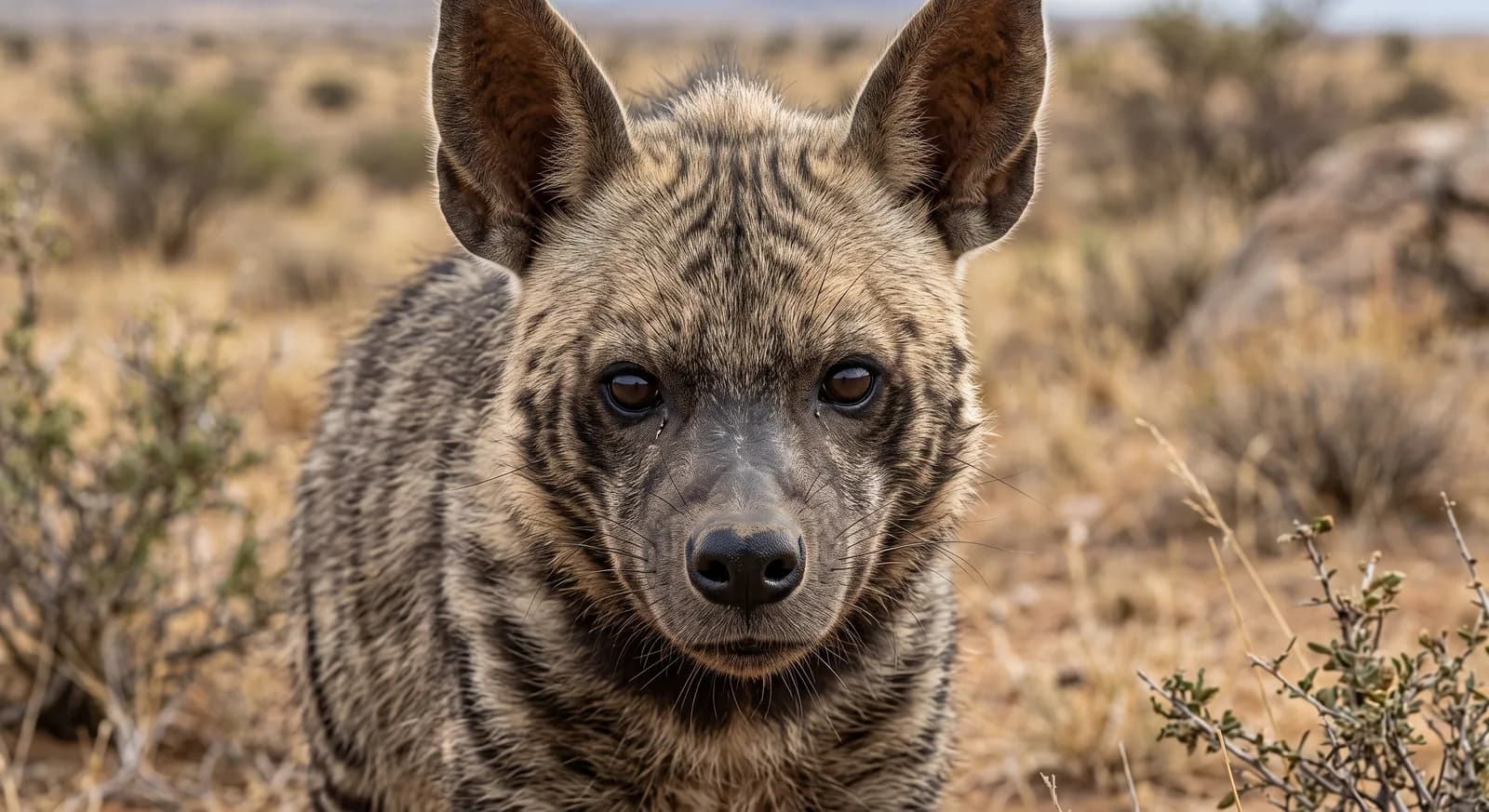 Near Threatened
Striped Hyaena
Hyaena hyaena
Black-necked Spitting Cobra
Naja nigricollis
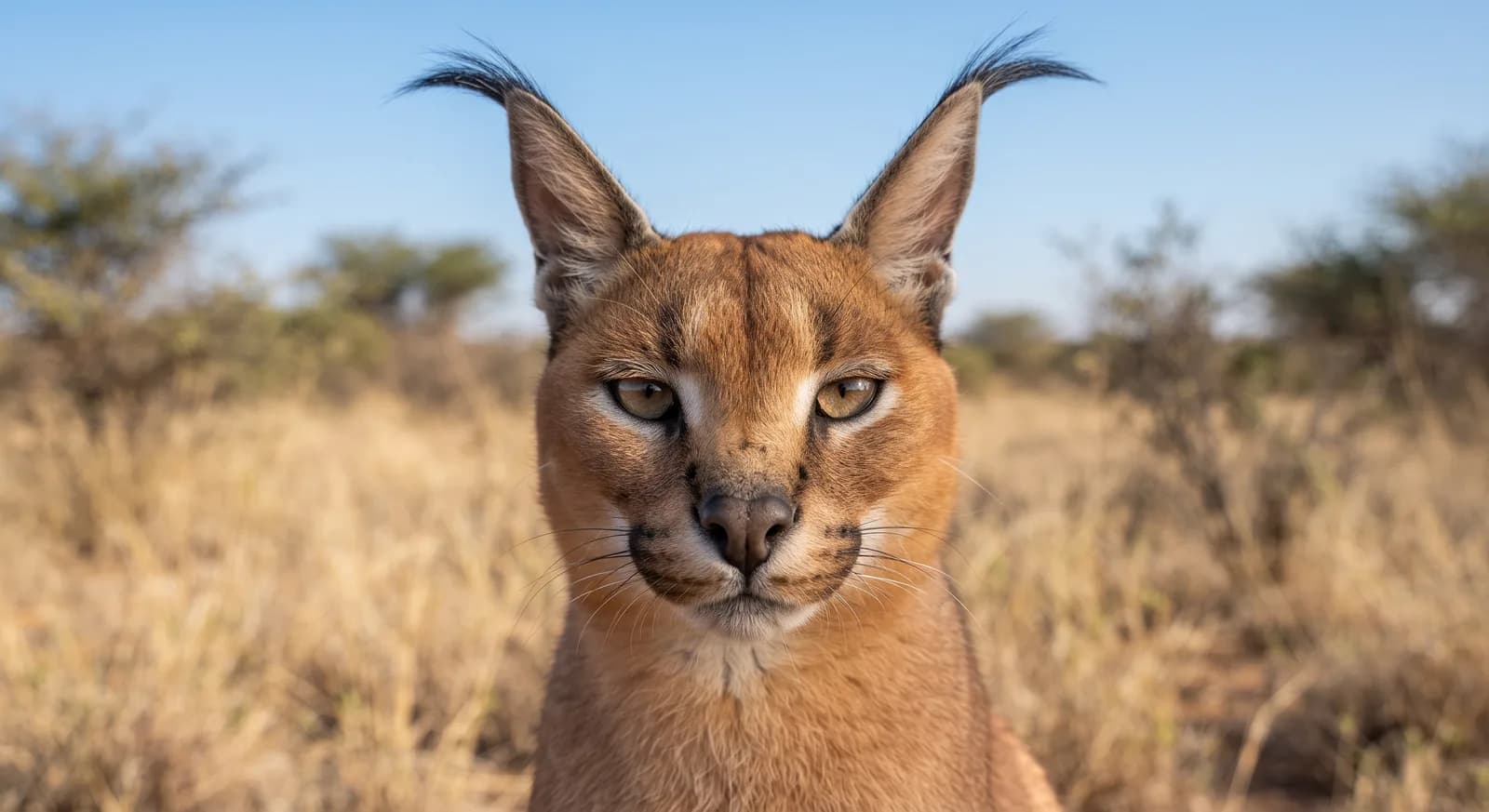 Least Concern
Caracal
Caracal caracal
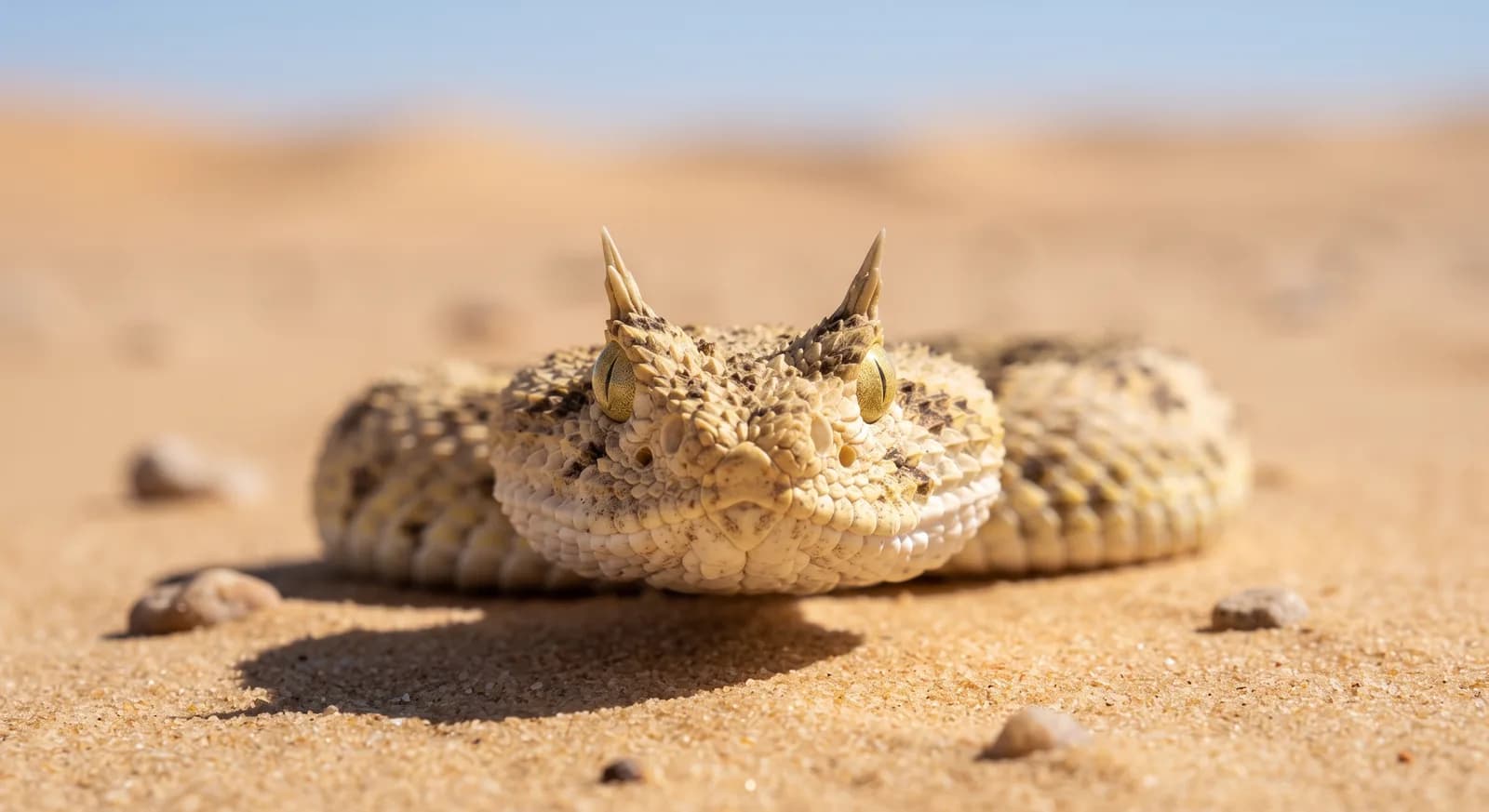 Least Concern
Desert Horned Viper
Cerastes cerastes
Sand Cat
Felis margarita
Jericho Scorpion
Nebo hierichonticus
Keep exploring
Based on what we already know about fattailed scorpion.
Comments
Share an experience, a fun fact or a tip for seeing the fattailed scorpion.
Be the first to comment.