Sea urchins · Clypeasteroida · Clypeasteridae
Sea Biscuit
Clypeaster rosaceus
It has not yet been assessed against the IUCN criteria. See full glossary
The oval sea biscuit, a flattened, domed urchin covered in very short, velvety spines, with a five-petalled pattern on its upper surface. It lives half-buried in sandy bottoms and seagrass meadows, digesting the organic matter in the sediment.
Size
8 cm – 15 cm
Diet
Omnivore
Combines animal and plant food depending on availability.
Social structure
Solitary
Lives and hunts alone, joining others only to breed.
Sighting difficulty
Unknown
Fun facts
- The five-petalled pattern on its test marks out areas of tube feet specialised for gas exchange: these are its gills.
- It covers itself with shell fragments and plant debris held in place by its spines, both to camouflage itself and to weigh itself down against the current.
- Sea biscuits are urchins that have flattened out to live buried, and have lost the long defensive spines of their relatives.
- It is a thick, domed sand dollar, not flat like those of Atlantic beaches, and has a characteristic oval outline.
- It camouflages itself by covering its back with sand grains, shell fragments and scraps of seagrass held in place by its tube feet.
- Its larvae do something exceptional: they can clone themselves by splitting in two, multiplying the number of individuals at no cost in fertilisation. It was discovered in this species and in other sand dollars.
- It swallows sediment continuously and sifts it with a set of internal jaws, Aristotle's lantern, which in the sand dollars is flattened.
Life cycle & biology
- Habitat & environment
- Seagrass meadows and sandy bottoms of the Caribbean, from 0 to 50 m
Sources consulted: Linneo (1758); Eaves y Palmer (2003), Nature; Smithsonian Marine Station
Where to find it
See its range on the interactive mapWhere to watch it
Parques y spots de buceo donde se ha documentado esta especie — se muestran 10 de 27 documentados.
Related species
Other species in the catalogue with the most in common with Sea Biscuit — same habitat, park, country, tags or family.
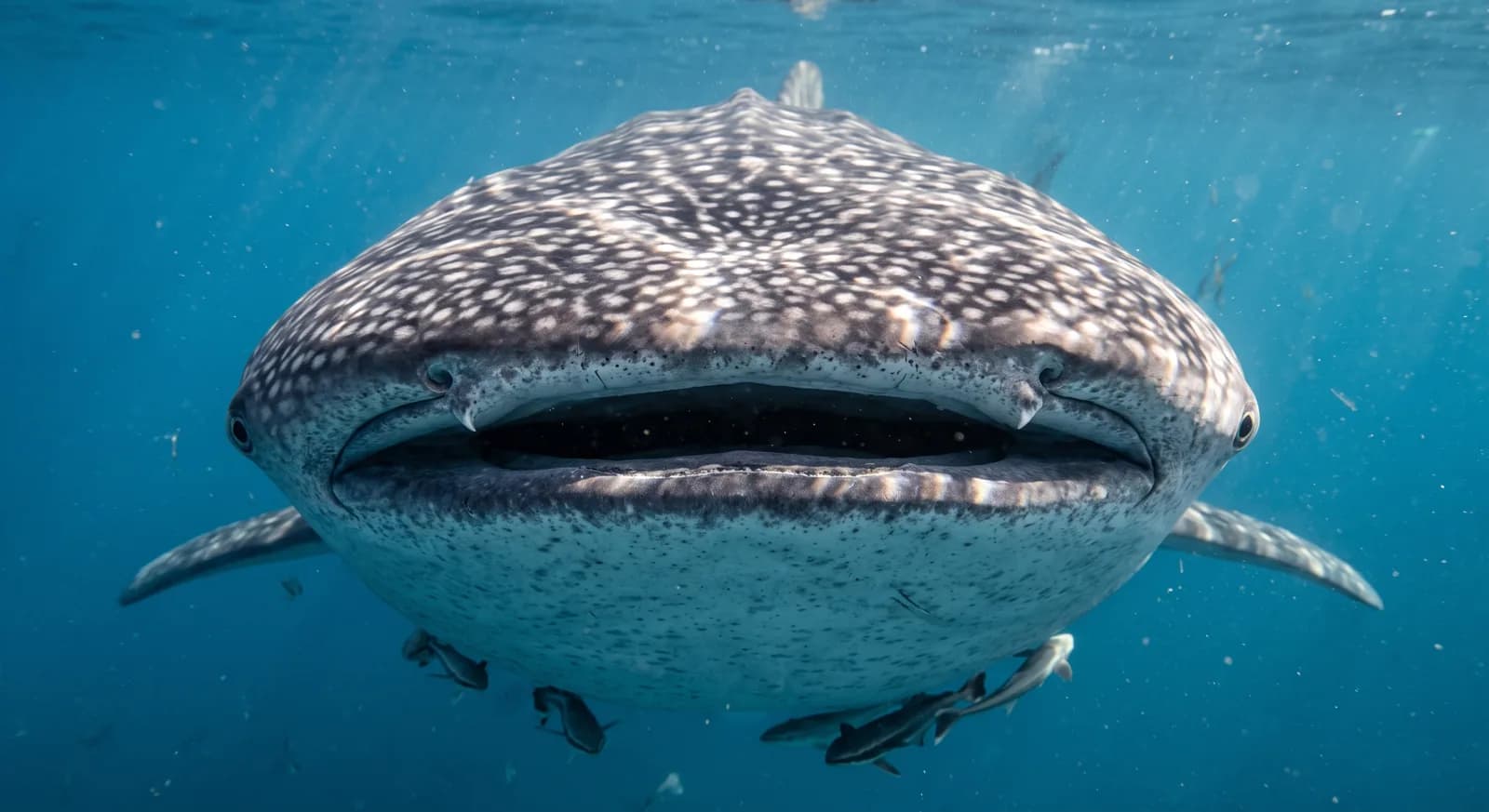 Endangered
Whale Shark
Rhincodon typus
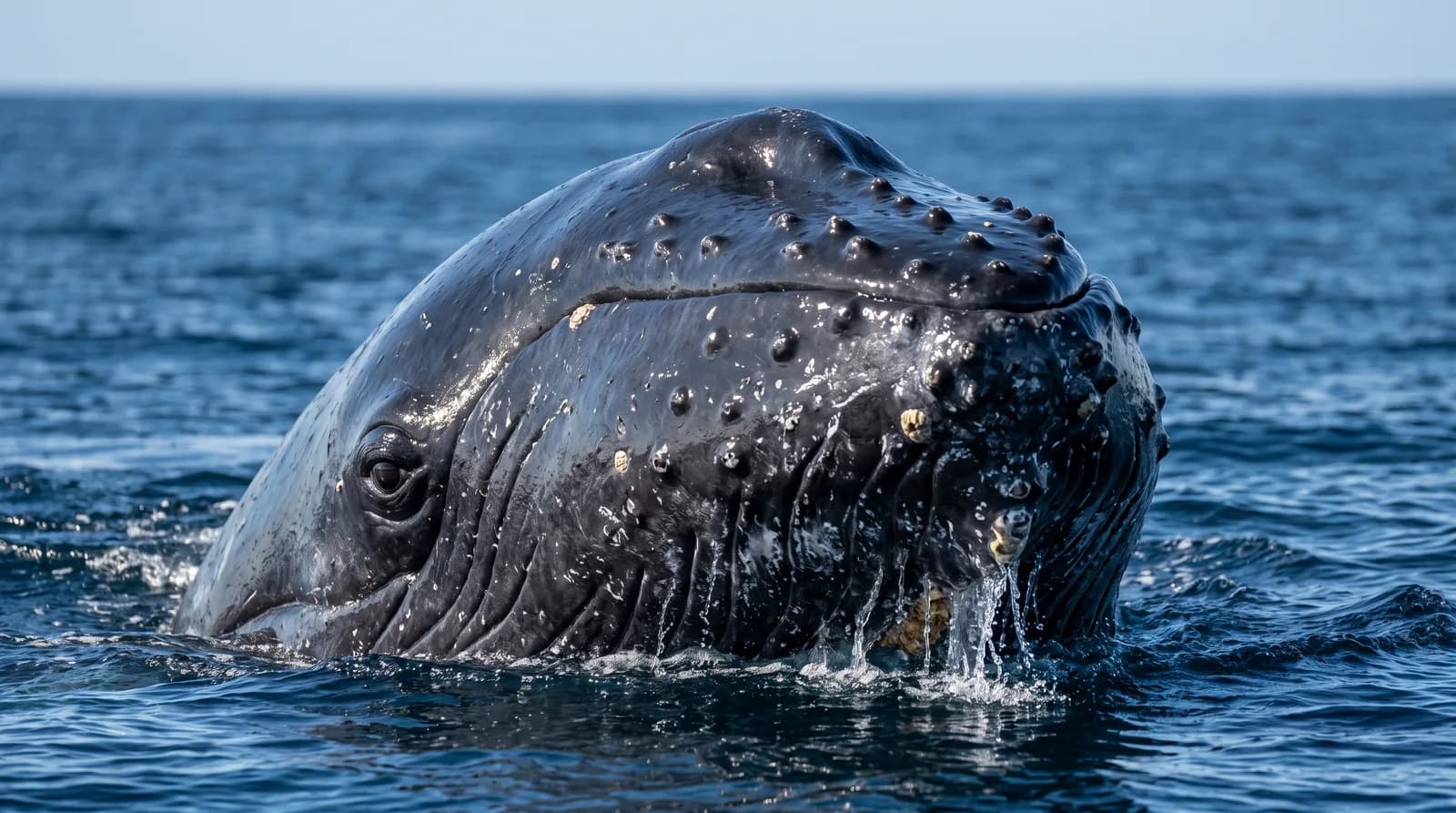 Least Concern
Humpback Whale
Megaptera novaeangliae
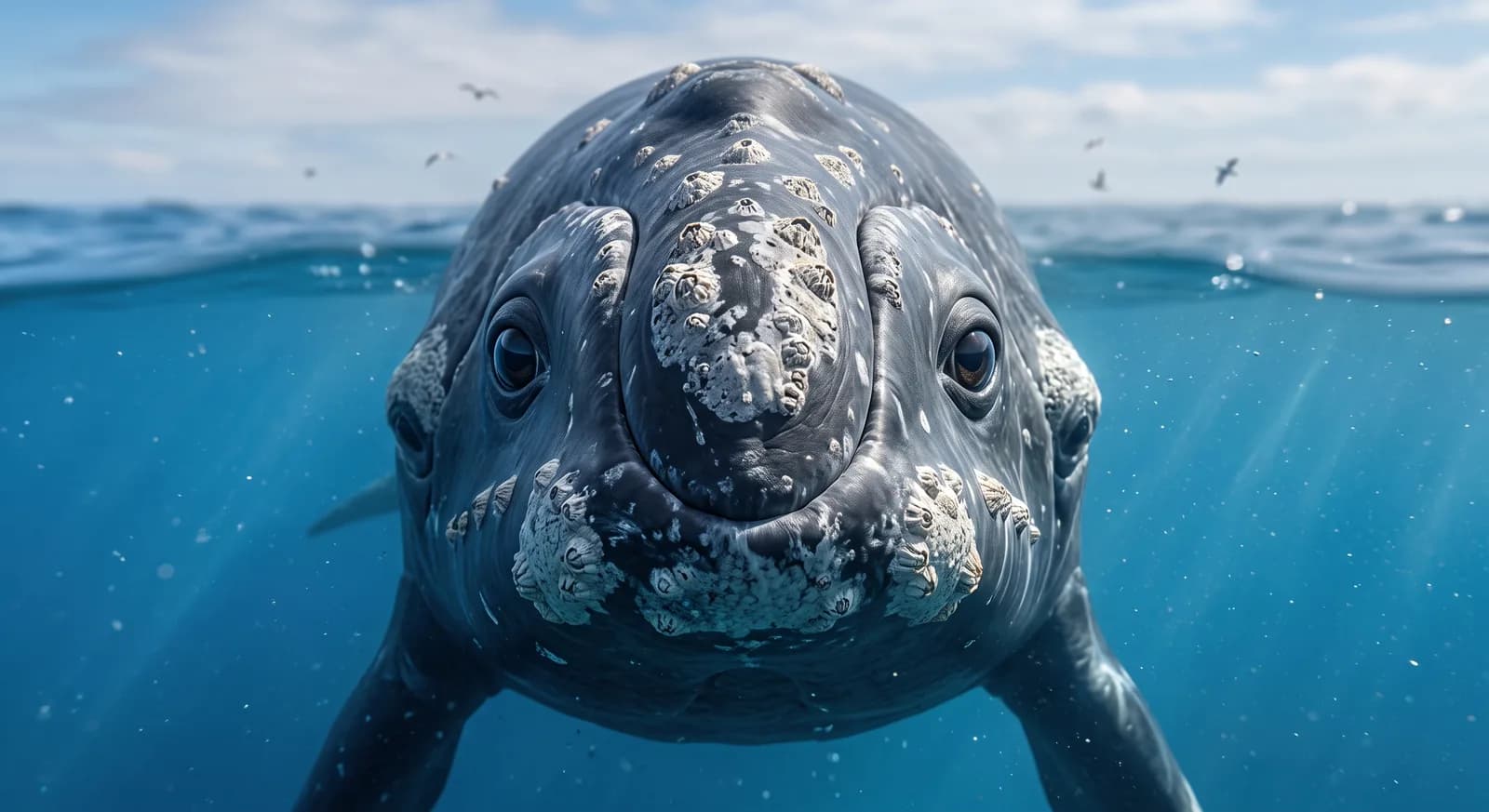 Endangered
North Atlantic Right Whale
Eubalaena glacialis
Common Spiny-tailed Iguana
Ctenosaura similis
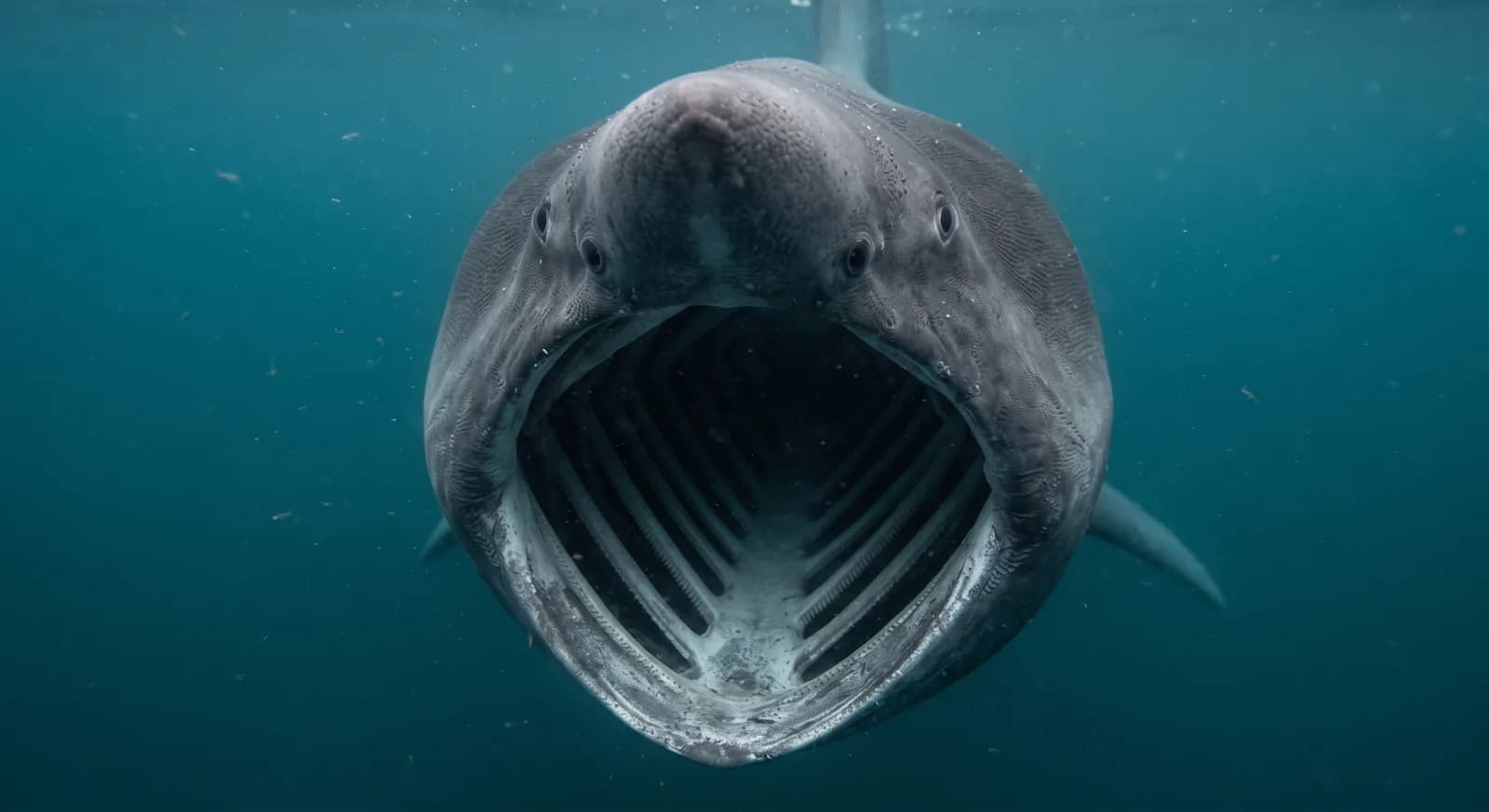 Endangered
Basking Shark
Cetorhinus maximus
Blue Crab
Callinectes sapidus
Keep exploring
Based on what we already know about sea biscuit.
Comments
Share an experience, a fun fact or a tip for seeing the sea biscuit.
Be the first to comment.