Species group · Birds
Ptarmigans
WAnimals has 2 species of ptarmigan, all in the family Phasianidae.
- 2 species
- 1 family
- 20 countries
- 40 parks
- Weight
- 555 g – 720 g
- Length
- 31 cm – 43 cm
- Lifespan
- 8 – 12 years
Ranges calculated from the entries that record the figure, not from all 2.
All 2 species of ptarmigans on WAnimals
Each one has its own full entry. This group does not replace them: it brings them together.
Conservation status
No species documented in this group is genuinely at risk according to the IUCN, with the data available today.
See the global conservation statusWhere they live
Recorded in 20 countries. The ones with the most species in the group:
Where to see them
Did you know…
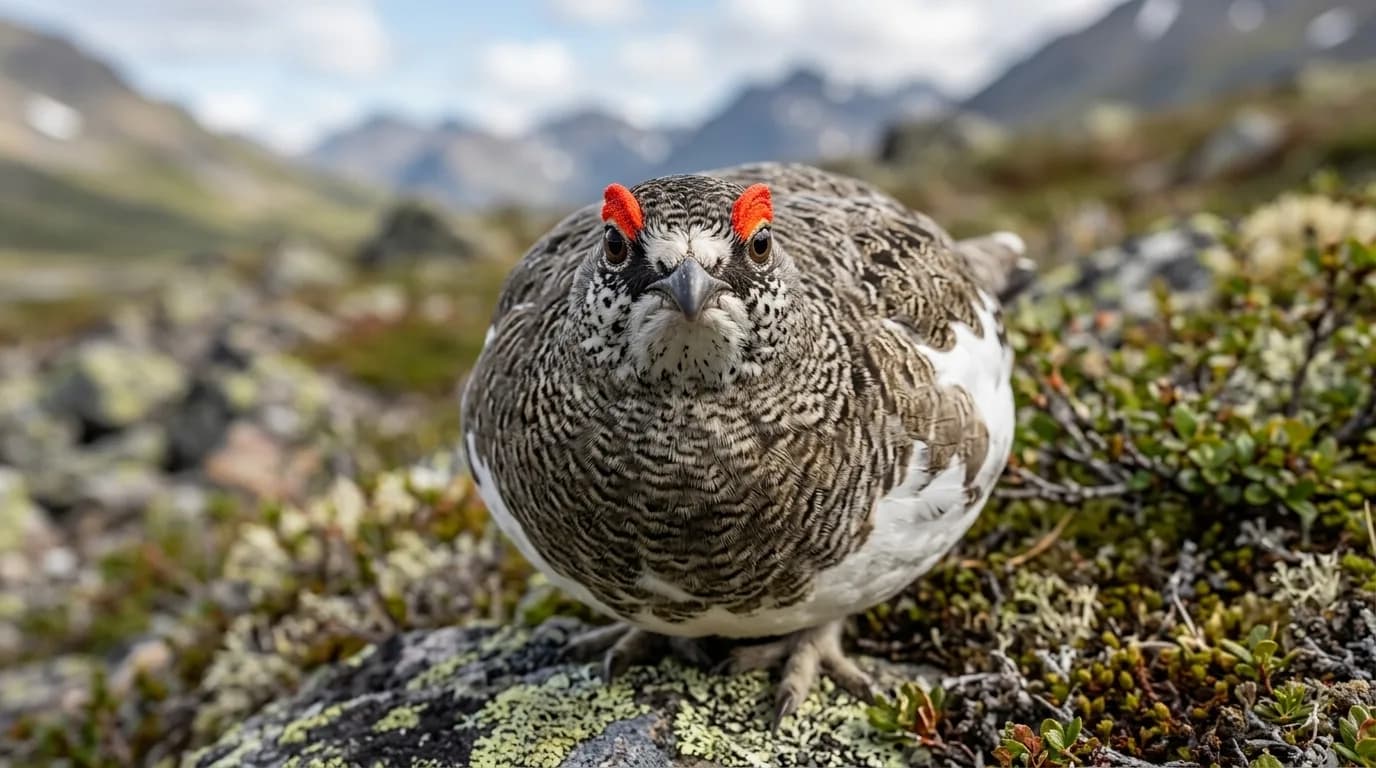
It moults into wholly white plumage in winter, and its feathered feet let it walk on snow.
From Rock Ptarmigan
It moults three times a year instead of twice, matching the white of the snow, the mottling of the thaw and the grey of the summer rock: it is one of the most precise seasonal camouflages in the animal kingdom.
From Rock Ptarmigan
The Pyrenean population is a glacial relict: it was left isolated on the summits when the ice retreated and has nowhere higher to go as the climate warms.
From Rock Ptarmigan
The British subspecies, the red grouse, is the only one in the world that does not turn white in winter: on islands where lasting snow is rare, white camouflage would be counterproductive.
From Willow Ptarmigan
Its populations fluctuate in cycles of several years driven by an intestinal nematode, a mechanism demonstrated experimentally and a classic case of population regulation by parasites.
From Willow Ptarmigan
The heather moors of Scotland are managed by burning them in patches to maximise its density for shooting, a practice that shapes the landscape of large parts of the Highlands and that generates permanent environmental controversy.
From Willow Ptarmigan