One of the 2 slow worms on WAnimals
Reptiles · Squamata · Anguidae
European Glass Lizard
Pseudopus apodus
The species is abundant and widely distributed; it faces no significant short-term risk. See full glossary
The European glass lizard, known in Spanish as lución europeo grande or escurridizo, is a legless lizard that can exceed a metre in length, its body covered in stiff scales and with a lateral groove that lets it expand as it breathes and eats. It is not a snake: it keeps movable eyelids, ear openings and vestiges of hind limbs.
Weight
200 g – 500 g
Size
80 cm – 1.4 m
Lifespan
30 years
Diet
Carnivore
Feeds mainly on other animals.
Activity
Diurnal
Active mainly during the day.
Social structure
Solitary
Lives and hunts alone, joining others only to breed.
Sighting difficulty
Easy
Fun facts
- It is not a snake although it looks like one: it has movable eyelids and can blink, it has external ear openings and it keeps tiny vestiges of hind legs beside the cloaca, three features no snake has.
- Its body is covered in stiff osteoderms, and a flexible groove along each side lets it expand in order to breathe and to digest large prey, which its armour would otherwise not allow.
- It eats snails, shell and all, crushing them with blunt teeth and powerful jaws, and it also preys on eggs and rodents.
Life cycle & biology
- Skeleton type
- Vertebrate - internal bony skeleton (reptile)
- Habitat & environment
- Dry stony slopes, scrub and forest edges of south-eastern Europe and western Asia
- Sexual maturity
- 2 years
- Gestation / incubation
- 42 days
- Litter / clutch size
- 8
Sources consulted: https://es.wikipedia.org/wiki/Pseudopus_apodus
Where to find it
See its range on the interactive mapWhere to watch it
Parques y spots de buceo donde se ha documentado esta especie — se muestran 10 de 29 documentados.
Related species
Other species in the catalogue with the most in common with European Glass Lizard — same habitat, park, country, tags or family.
Slow Worm
Anguis fragilis
Least Weasel
Mustela nivalis
Common Buzzard
Buteo buteo
Eurasian Sparrowhawk
Accipiter nisus
 Least Concern
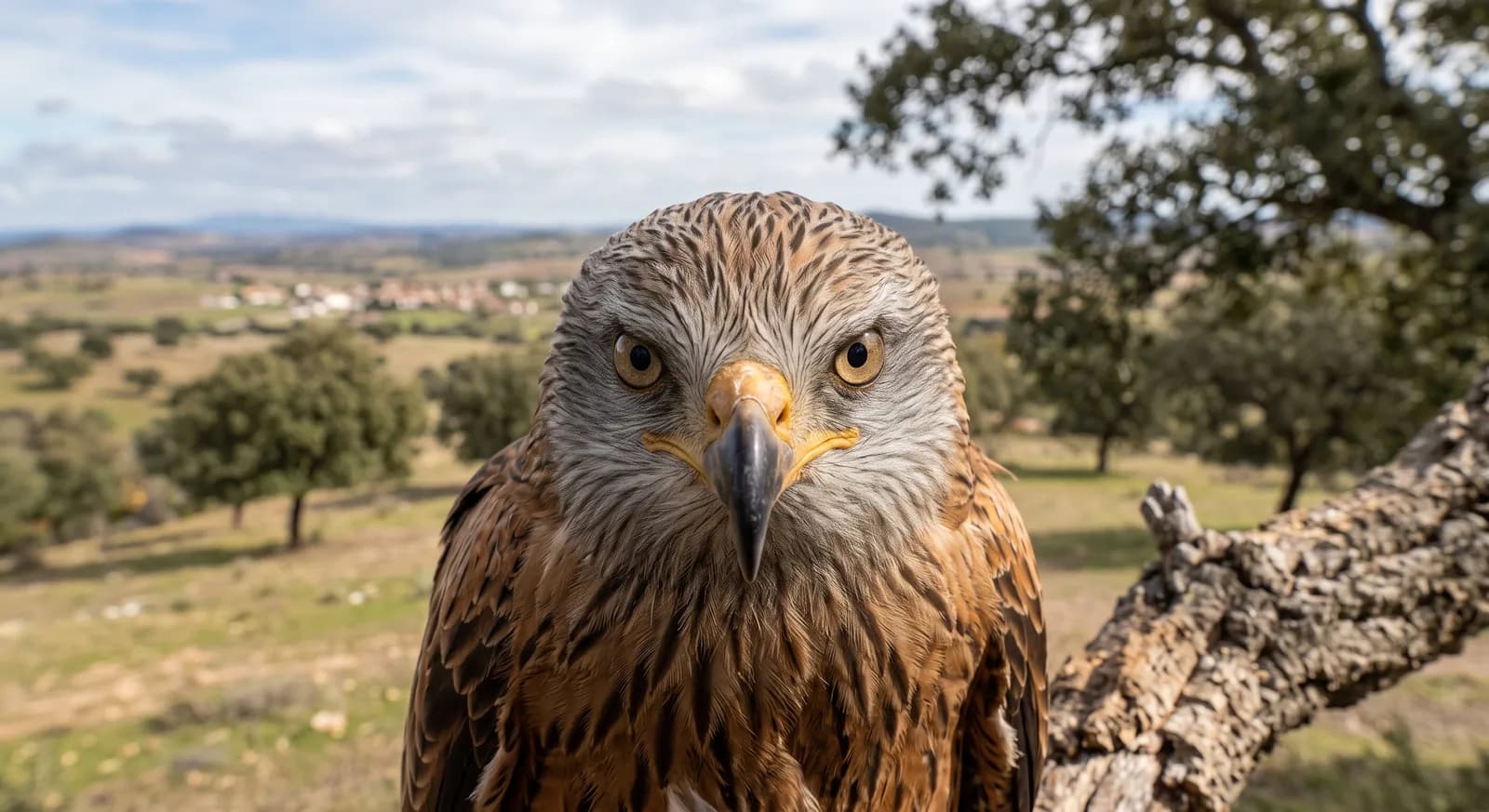
Red Kite
Milvus milvus
Eurasian Hoopoe
Upupa epops
Keep exploring
Based on what we already know about european glass lizard.
Comments
Share an experience, a fun fact or a tip for seeing the european glass lizard.
Be the first to comment.