Birds · Passeriformes · Tyrannidae
Eastern Phoebe
Sayornis phoebe
The species is abundant and widely distributed; it faces no significant short-term risk. See full glossary
The eastern phoebe — known in Spanish as mosquero fibí, papamoscas fibí, bobito americano or papamoscas sombrío — is a passerine bird of the family Tyrannidae, one of the three belonging to the genus Sayornis. It breeds in northern and east-central North America and migrates to the southern United States and eastern Mexico in the boreal winter.
Weight
16 g – 21 g
Size
15 cm – 17 cm
Lifespan
10 years
Diet
Insectivore
Feeds mainly on insects and other invertebrates.
Activity
Diurnal
Active mainly during the day.
Social structure
In pairs
Usually lives in pairs, sometimes for life.
Sighting difficulty
Easy
Fun facts
- It was the subject of the first bird ringing in the history of the Americas: in 1804 John James Audubon tied silver threads to the legs of some nestlings of this species to see whether they would return to the same place the following year. They did.
- It wags its tail downwards with a steady pumping motion while perched, a tic that identifies it among the brown tyrant flycatchers, which are notoriously hard to tell apart.
- It nests under bridges, eaves and porches, and that adaptation has let it colonise areas in the west of its range where there were previously no suitable cliffs or caves.
Life cycle & biology
- Skeleton type
- Vertebrate - internal bony skeleton (bird)
- Habitat & environment
- Woodland edges, riverbanks, bridges, farms and rural buildings of eastern North America
- Sexual maturity
- 11.9 months
- Gestation / incubation
- 16 days
- Litter / clutch size
- 5
Sources consulted: https://es.wikipedia.org/wiki/Sayornis_phoebe
Where to find it
See its range on the interactive mapWhere to watch it
Parques y spots de buceo donde se ha documentado esta especie — se muestran 10 de 37 documentados.
Related species
Other species in the catalogue with the most in common with Eastern Phoebe — same habitat, park, country, tags or family.
Eastern Kingbird
Tyrannus tyrannus
Great Kiskadee
Pitangus sulphuratus
 Least Concern
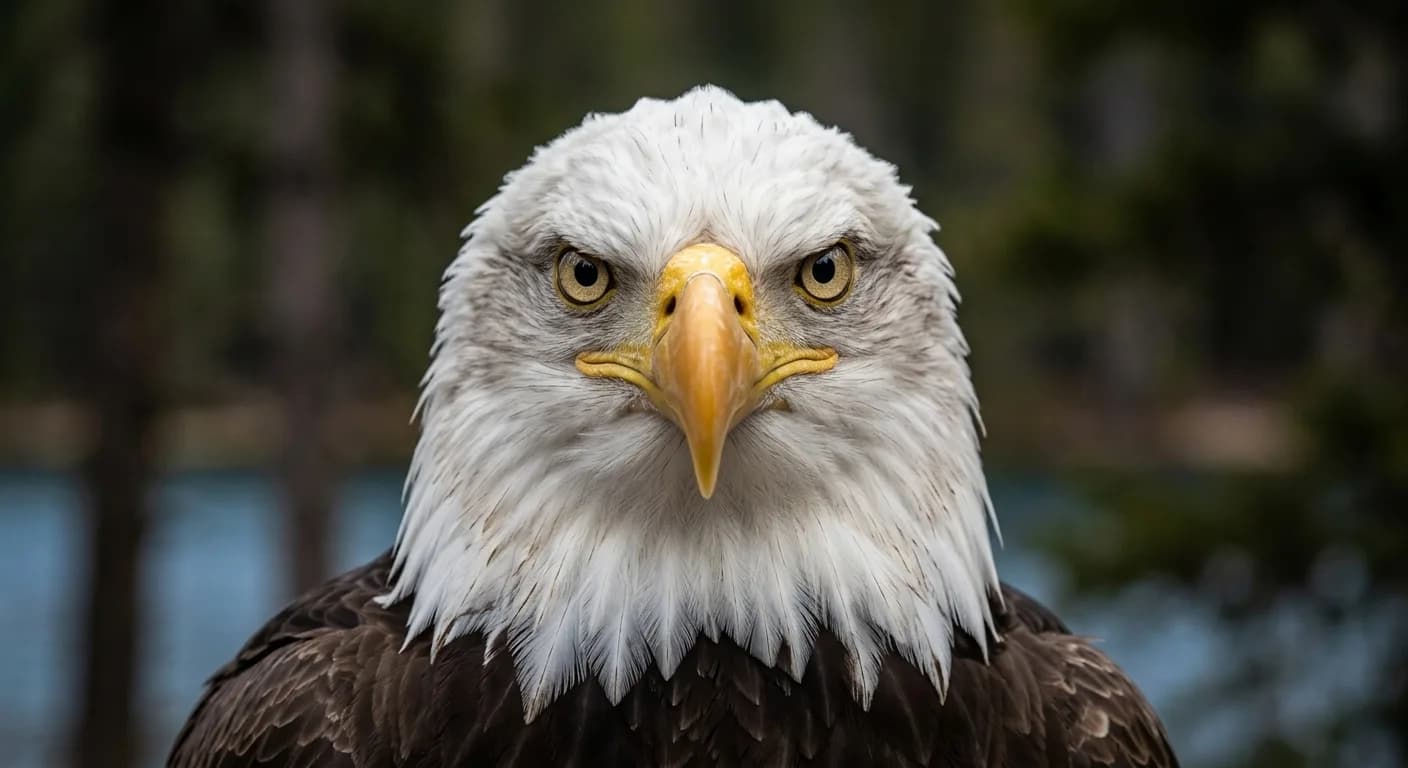
Bald Eagle
Haliaeetus leucocephalus
Canada Goose
Branta canadensis
Wood Duck
Aix sponsa
Mourning Dove
Zenaida macroura
Keep exploring
Based on what we already know about eastern phoebe.
Comments
Share an experience, a fun fact or a tip for seeing the eastern phoebe.
Be the first to comment.