One of the 47 frogs on WAnimals
Amphibians · Anura · Pipidae
Zaire Dwarf Clawed Frog
Hymenochirus boettgeri
The species is abundant and widely distributed; it faces no significant short-term risk. See full glossary
The African dwarf frog is a completely aquatic pipid of the Congo basin, small and with webbing on all four feet. It never leaves the water except by accident. It is very popular in the aquarium trade and has a characteristic habit: it floats motionless at the surface with its legs spread for long stretches.
Size
2.5 cm – 4 cm
Lifespan
15 years
Diet
Carnivore
Feeds mainly on other animals.
Activity
Nocturnal
Active mainly at night.
Social structure
Colony
Lives in large concentrations, often for breeding reasons.
Sighting difficulty
Easy
Fun facts
- It is completely aquatic and never leaves the water of its own accord, but it breathes air: it has to come up to the surface regularly, and if it cannot reach it, it drowns.
- It floats motionless at the surface with all four legs spread for long stretches, a posture so passive that aquarium keepers regularly mistake it for a dead animal.
- The male calls underwater, producing a buzz audible outside the tank, which is uncommon among aquatic amphibians.
- It is fully aquatic and remains so as an adult: it has neither tongue nor teeth, and captures food by suction, snapping its mouth open.
- Its courtship is an acrobatic display: the pair embrace and swim in loops up to the surface, turning over as they go, and release a few eggs on each circuit.
- The male calls underwater. It produces a buzz with a laryngeal mechanism that needs no air, something uncommon among amphibians.
- It is constantly confused with the albino African clawed frog in aquarium shops, but they are different species: this one is much smaller and has webbing on all four feet.
- It can live for more than fifteen years in captivity, far longer than most of its buyers expect.
Life cycle & biology
- Skeleton type
- Vertebrate - internal bony skeleton (amphibian)
- Habitat & environment
- Pools, slow streams and waterlogged forest ground of the Congo basin
- Sexual maturity
- 9 months
- Gestation / incubation
- Larval development in water
- Litter / clutch size
- 500 eggs
Sources consulted: https://www.iucnredlist.org/ | https://animaldiversity.org/ | https://es.wikipedia.org/
Where to find it
See its range on the interactive mapWhere to watch it
Parques y spots de buceo donde se ha documentado esta especie — se muestran 10 de 18 documentados.
Related species
Other species in the catalogue with the most in common with Zaire Dwarf Clawed Frog — same habitat, park, country, tags or family.
Rhinoceros Viper
Bitis nasicornis
Hairy Frog
Trichobatrachus robustus
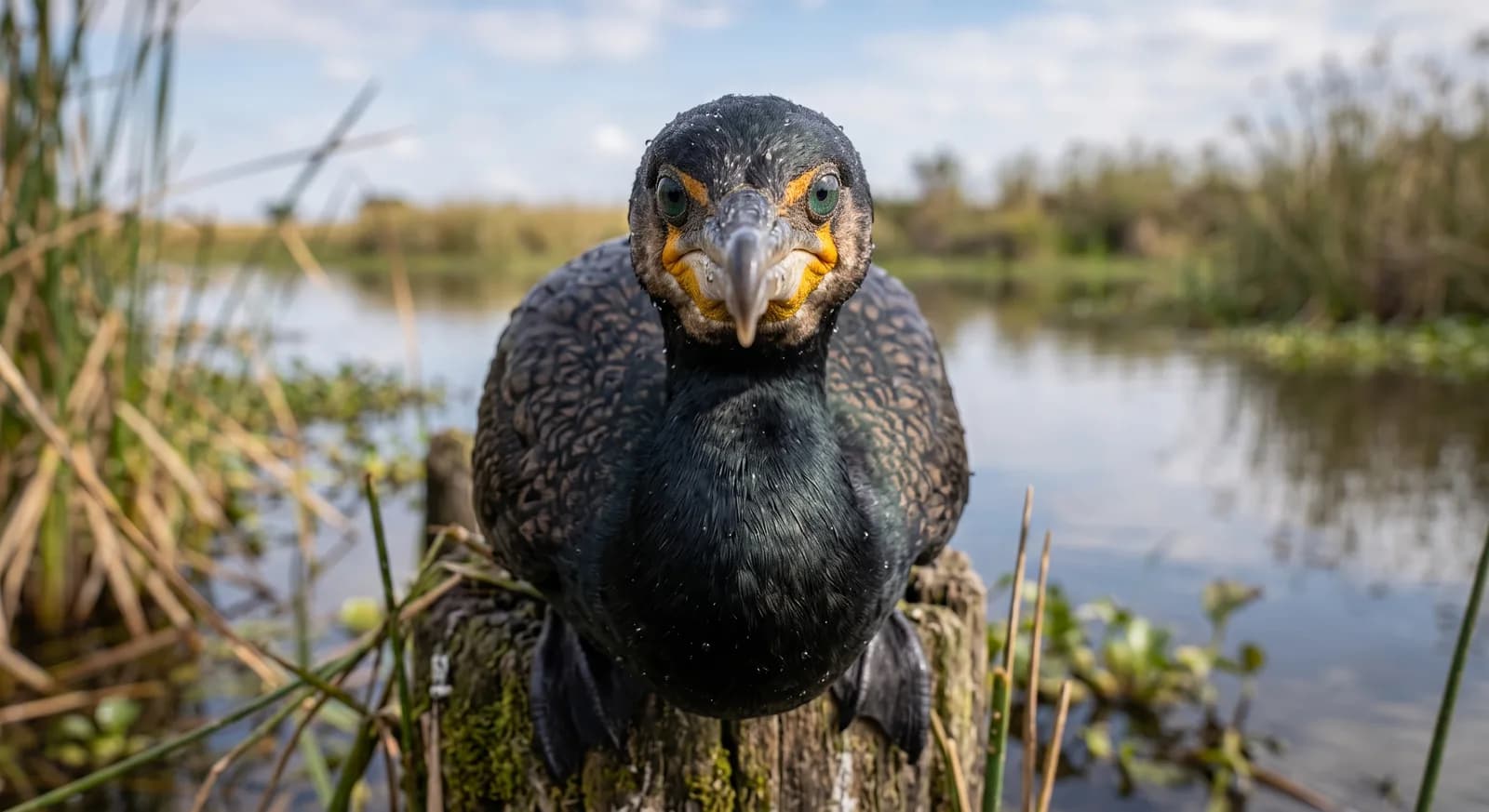 Least Concern
Long-tailed Cormorant
Microcarbo africanus
African Spoonbill
Platalea alba
African Clawed Frog
Xenopus laevis
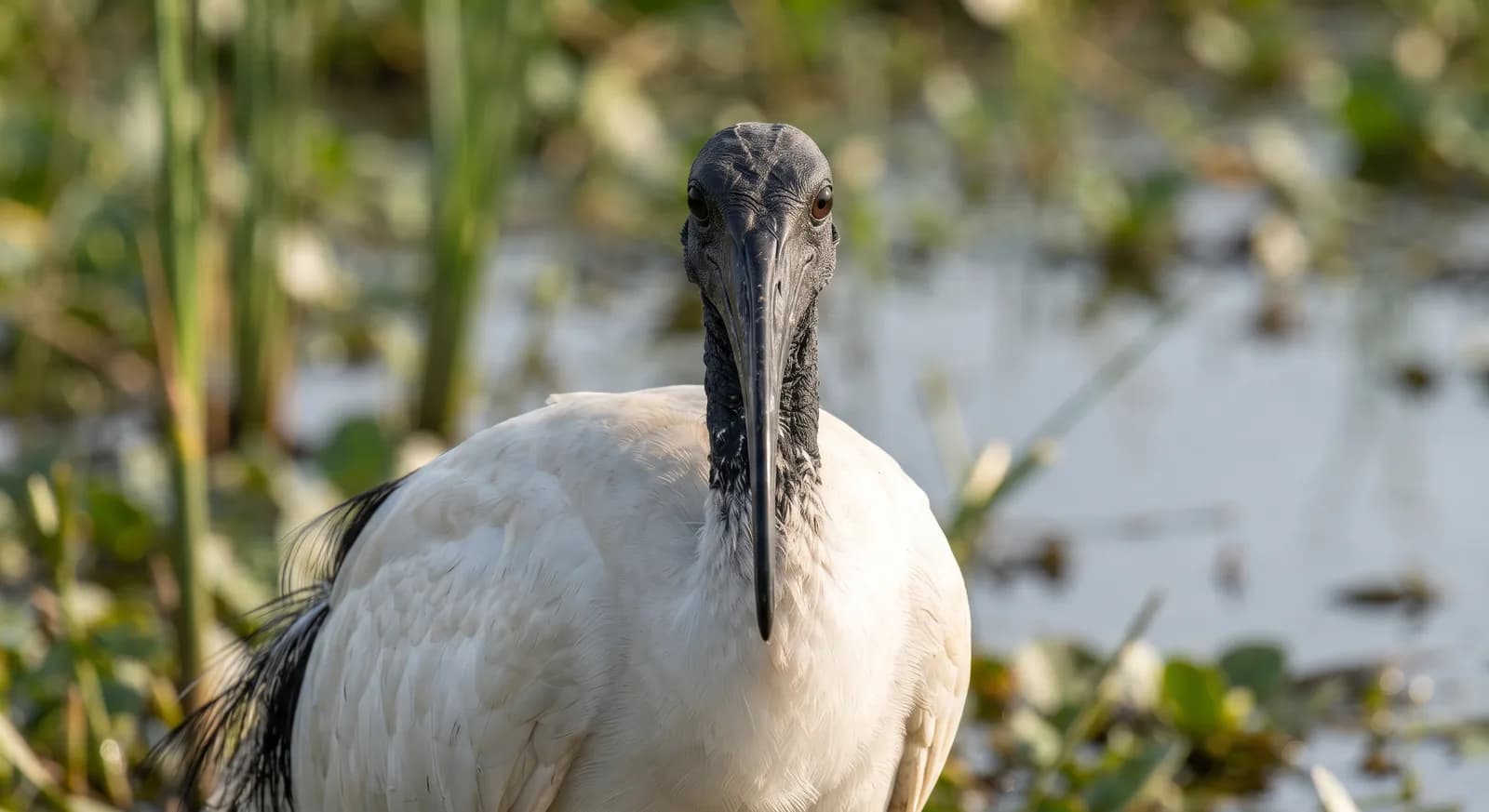 Least Concern
African Sacred Ibis
Threskiornis aethiopicus
Keep exploring
Based on what we already know about zaire dwarf clawed frog.
Comments
Share an experience, a fun fact or a tip for seeing the zaire dwarf clawed frog.
Be the first to comment.