Bony fish · Pleuronectiformes · Pleuronectidae
Plaice
Pleuronectes platessa
The species is abundant and widely distributed; it faces no significant short-term risk. See full glossary
One-year-old fish keep strictly to the coast, while older age classes spread gradually into deeper water.
Weight
3.9 kg on average
Size
up to 1 m
Lifespan
45 years
Diet
Carnivore
Feeds mainly on other animals.
Activity
Nocturnal
Active mainly at night.
Social structure
Solitary
Lives and hunts alone, joining others only to breed.
Sighting difficulty
Easy
Fun facts
- It eats polychaetes, bivalve molluscs and small bottom-living crustaceans.
- It lives on sandy bottoms of the North Sea, the Baltic and the north-eastern Atlantic.
- It has reached a documented record of 45 years, according to otolith studies.
Life cycle & biology
- Skeleton type
- Vertebrate - internal bony skeleton (fish)
- Habitat & environment
- Sandy bottoms of the North Sea, the Baltic and the north-eastern Atlantic, from Iceland to the Bay of Biscay
- Birth weight
- A symmetrical pelagic larva on hatching
- Size at birth
- A symmetrical pelagic larva on hatching
- Sexual maturity
- Mature at a length of between 24 and 42 cm
- Gestation / incubation
- Pelagic spawner: the eggs hatch in 2-3 weeks
- Litter / clutch size
- Numerous pelagic eggs released in the open waters of the North Sea
Sources consulted: ScienceDirect; ICES FishMap; FishBase; Academia.edu
Where to find it
See its range on the interactive mapBest time: From December to March, during spawning, when it gathers in shallow areas of the North Sea and the north-eastern Atlantic.
Where to watch it
Parques y spots de buceo donde se ha documentado esta especie — se muestran 20 de 33 documentados.
Related species
Other species in the catalogue with the most in common with Plaice — same habitat, park, country, tags or family.
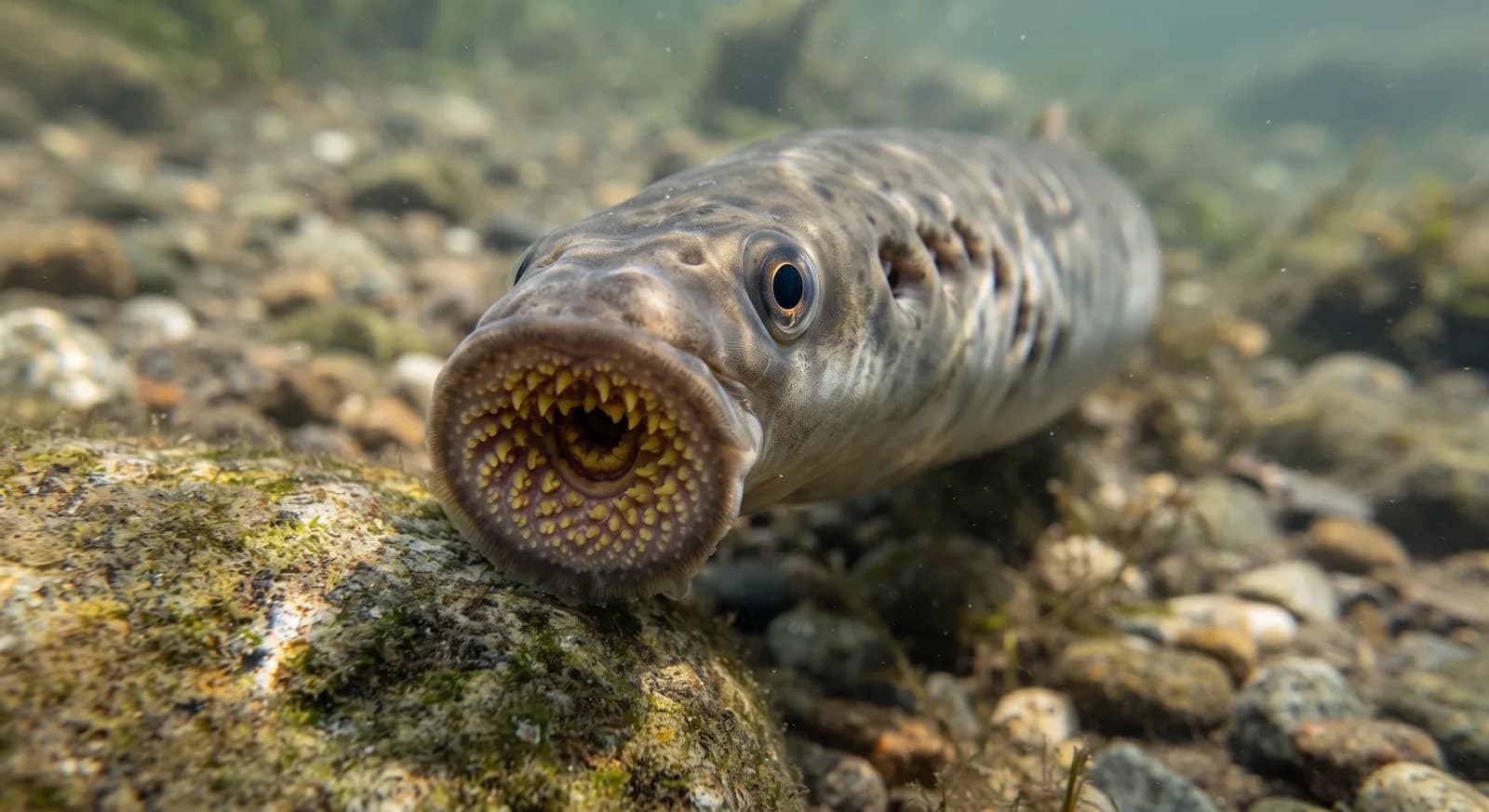 Least Concern
Sea Lamprey
Petromyzon marinus
Hagfish
Myxine glutinosa
Moray Eel
Muraena helena
European Hake
Merluccius merluccius
Angler
Lophius piscatorius
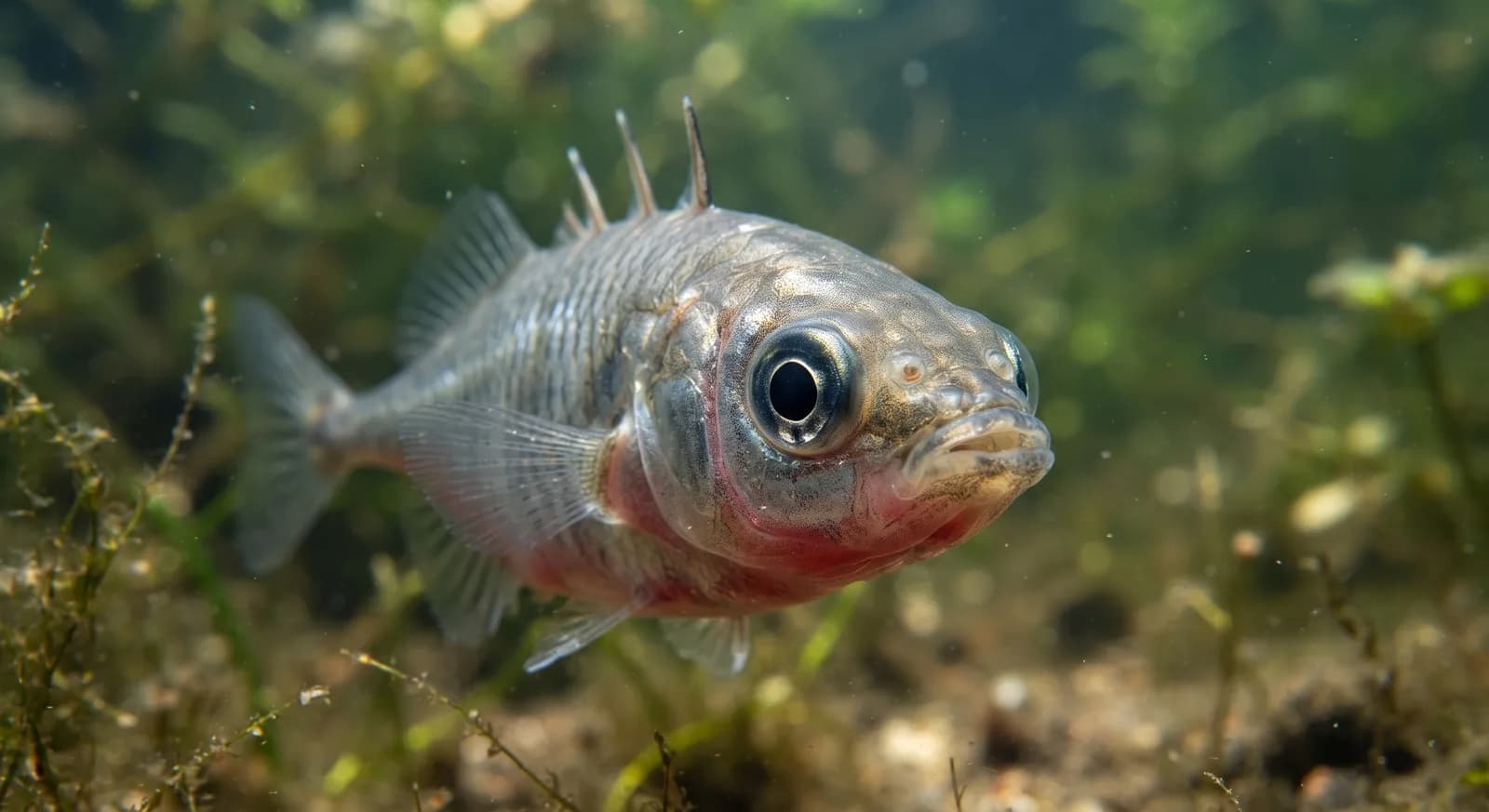 Least Concern
Three-spined Stickleback
Gasterosteus aculeatus
Keep exploring
Based on what we already know about plaice.
Comments
Share an experience, a fun fact or a tip for seeing the plaice.
Be the first to comment.