Madagascar
África
Madagascar has been separated from Africa for some one hundred and sixty million years and from the Indian subcontinent for about eighty-eight, an isolation so prolonged that around ninety per cent of its fauna and flora exists nowhere else in the world. The island strings together rainforest on the eastern slope, deforested highlands in the centre, dry deciduous woodland and baobabs in the west, and in the south a surreal spiny forest of succulents adapted to extreme drought. The lemurs, which here fill the niches of primates, squirrels and even woodpeckers, have diversified into more than a hundred species. To them are added half the world's chameleons, tenrecs that recall hedgehogs and shrews without being either, and the fossa, the island's largest carnivore.
The nature of Madagascar
National animal: No official national animal; the lemur is the island's natural emblem and the zebu its cultural animal
Did you know?
The aye-aye is a nocturnal lemur with a skeletal, greatly elongated middle finger that it uses as a tool: it taps the wood and listens with its enormous ears for the echo that reveals grub tunnels, gnaws the bark with rodent-like incisors and hooks the prey out with that finger. In doing so it fills the role played on other continents by woodpeckers, which are absent from Madagascar.
Biodiversity profile
Climate
- •Tropical humedo (Af/Am) en el este
- •Tropical con estacion seca (Aw) en el oeste
- •Semiarido (BSh) en el sur (bosque espinoso unico)
Main biomes
- •Selva tropical humeda (este)
- •Bosque seco caducifolio (oeste)
- •Bosque espinoso unico del sur (baobabs y plantas suculentas endemicas)
- •Sabana y pastizal en la meseta central (muy degradada)
- •Selva húmeda oriental
- •Bosque espinoso de suculentas
- •Karst de tsingy
- •Manglar occidental
- •Bosque de baobabs
- •Arrecife de coral
Marine and coastal ecosystems
- •Parque Nacional Nosy Hara (noroeste), hotspot mundial de diversidad de coral con 265 especies registradas
- •Extensos arrecifes y manglares costeros
Flagship wildlife
- •Lemures (todas las especies del mundo son endemicas de Madagascar)
- •Fosa (mayor depredador carnivoro endemico de la isla)
- •7 especies de baobab (6 endemicas)
- •Camaleones (mayor diversidad mundial)
- •Aye-aye
- •Lémur de cola anillada
- •Indri
- •Sifaca de Verreaux
- •Camaleón pantera
- •Tenrec común
- •Tortuga radiada
- •Cuco roller
- •Geco satánico de cola de hoja
Notable endemic species
- •Aprox. 90% de las plantas y 85% de los animales de Madagascar son endemicos, uno de los niveles de endemismo mas altos del planeta
- •95% de las 211 especies nativas de mamiferos terrestres son endemicas
- •Mas de 11.000 especies vegetales endemicas registradas, incluidas 7 especies de baobab (6 exclusivas de la isla)
- •22 nuevas especies y subespecies de lemures y pequeños mamiferos descritas solo en los ultimos 15 años
- •Aye-aye
- •Indri
- •Fosa
- •Tortuga angonoka
- •Camaleón enano Brookesia
Notable threatened species
- •83% de las 192 especies de palmeras endemicas evaluadas catalogadas como amenazadas, casi 4 veces la proporcion mundial promedio para plantas
- •39% de los reptiles malgaches con datos suficientes catalogados como amenazados de extincion
- •Multiples especies de lemures En Peligro Critico por perdida acelerada de habitat forestal
Notable protected areas
- •Area Protegida de Amoron'i Onilahy (refugio clave de lemur de cola anillada y sifaka de Verreaux)
- •Parque Nacional Nosy Hara (hotspot marino de coral)
- •Reserva Especial de Manombo (74% de su flora endemica de Madagascar)
- •Parque Nacional de Masoala
- •Reserva de Tsingy de Bemaraha
- •Parque Nacional de Andasibe-Mantadia
- •Parque Nacional de Isalo
- •Parque Nacional de Ranomafana
- •Avenida de los Baobabs
Main conservation threats
- •Expansion agricola y tala ilegal, principales motores de perdida de habitat forestal
- •Cambio climatico
- •Pesca ilegal que degrada los ecosistemas marinos costeros
Notable natural phenomena
- •Madagascar se separo del resto de Gondwana hace decenas de millones de años, generando uno de los procesos de evolucion aislada mas extraordinarios del planeta
Conservation
Deforestation through slash-and-burn agriculture and rosewood extraction has drastically reduced the original forest. The ploughshare tortoise, of which very few remain in the wild, is one of the most trafficked species in the world among collectors.
Where and when to watch wildlife
Andasibe year-round to hear the indri's song at dawn. Berenty and Isalo in the dry season for ring-tailed lemurs. Tsingy de Bemaraha between April and November.
Sources: WWF - Madagascar's Animals and People | Duke Lemur Center - Madagascar Biodiversity Hotspot | CEPF - Madagascar Indian Ocean Islands Species | PMC - Comprehensive Red List Assessment Madagascar Palms | PMC - Extinction Risks Conservation Madagascar Reptiles
Parks and reserves
Andohahela
The only park in Madagascar that protects both rainforest and spiny forest, a few kilometres apart.
View parkNational ParkAndringitra
A granite massif in southern Madagascar with the country's second-highest summit and ring-tailed lemurs living at altitude.
View parkNational ParkMarojejy
A montane rainforest massif in north-eastern Madagascar, the last refuge of the silky sifaka.
View parkNational ParkMasoala
Madagascar's largest national park, where lowland rainforest reaches the sea, together with three marine parks.
View parkNational ParkTsingy de Bemaraha
A stone forest of limestone needles honed razor-sharp by water over millions of years
View parkNational ParkZahamena
Rainforest on the eastern escarpment of Madagascar, with one of the richest lemur communities in the country.
View parkNational ParkAndasibe-Mantadia
The best place to hear and watch the indri, the largest living lemur and one of the most vocal primates in the world
View parkNational ParkAnkarafantsika
One of the last great dry deciduous forests of Madagascar, around Lake Ravelobe.
View parkSpecial ReserveAnkarana
A limestone tsingy massif riddled with caves and canyons, in northern Madagascar.
View parkNational ParkIsalo
Eroded sandstone formations reminiscent of the Grand Canyon, with natural turquoise pools inside
View parkDiving and snorkelling
Países similares
¿A dónde más podría interesarme viajar?
Misma región: África Austral
Misma región: África Austral
Misma región: África Austral
Misma región: África Austral
Especies documentadas en Madagascar
193 species found
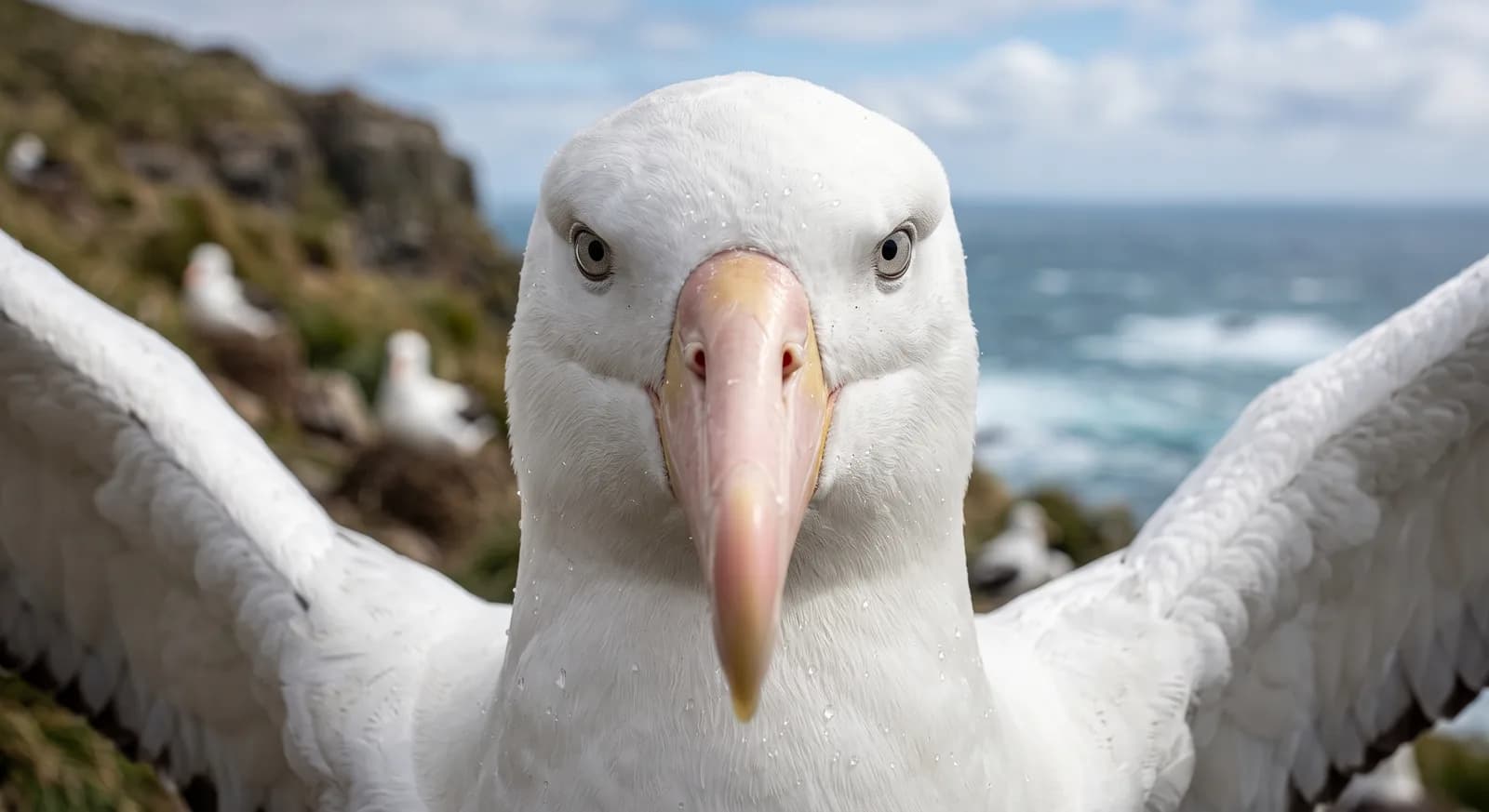 Vulnerable
Southern Royal Albatross
Diomedea epomophora
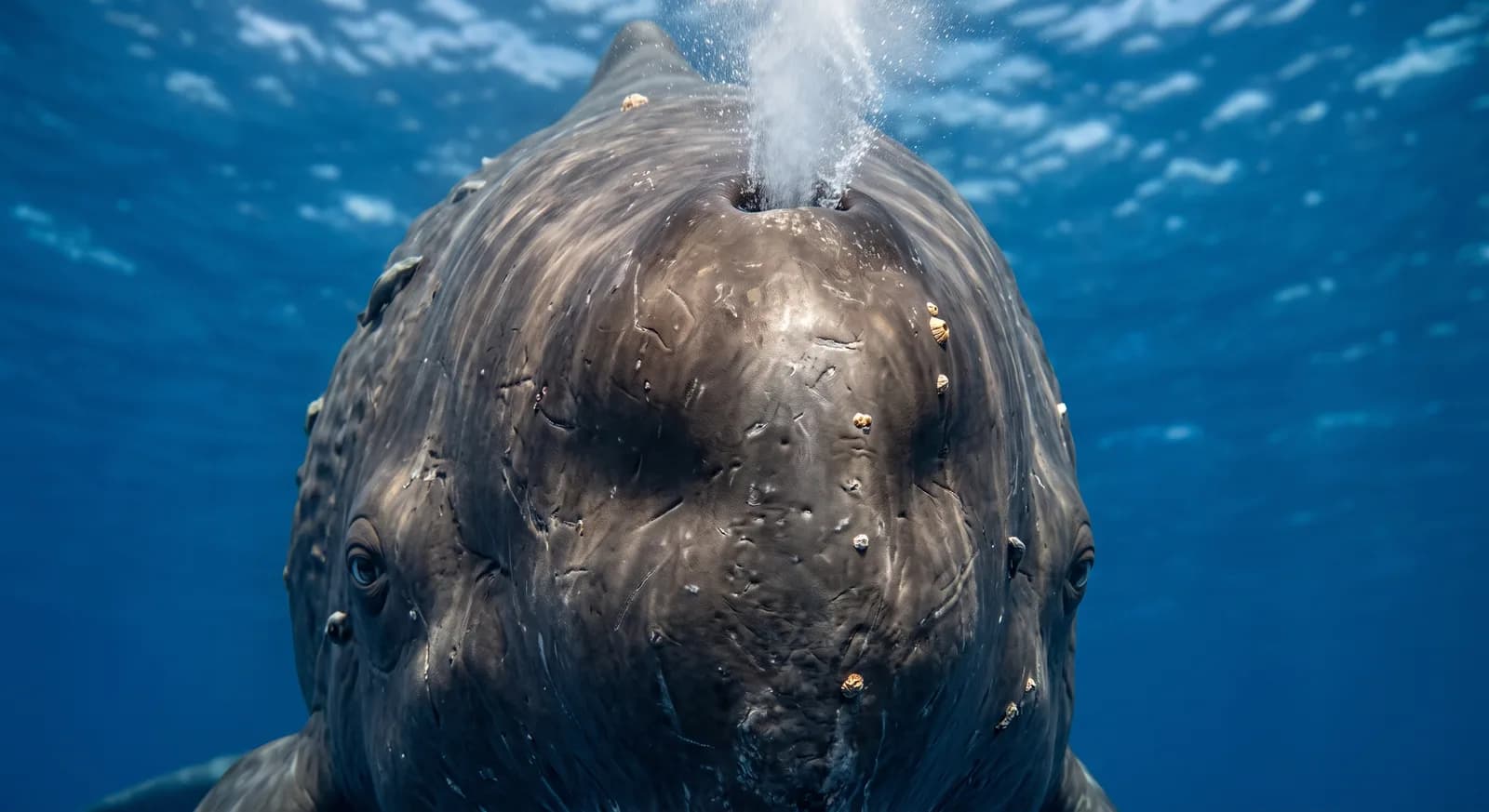 Vulnerable
Sperm Whale
Physeter macrocephalus
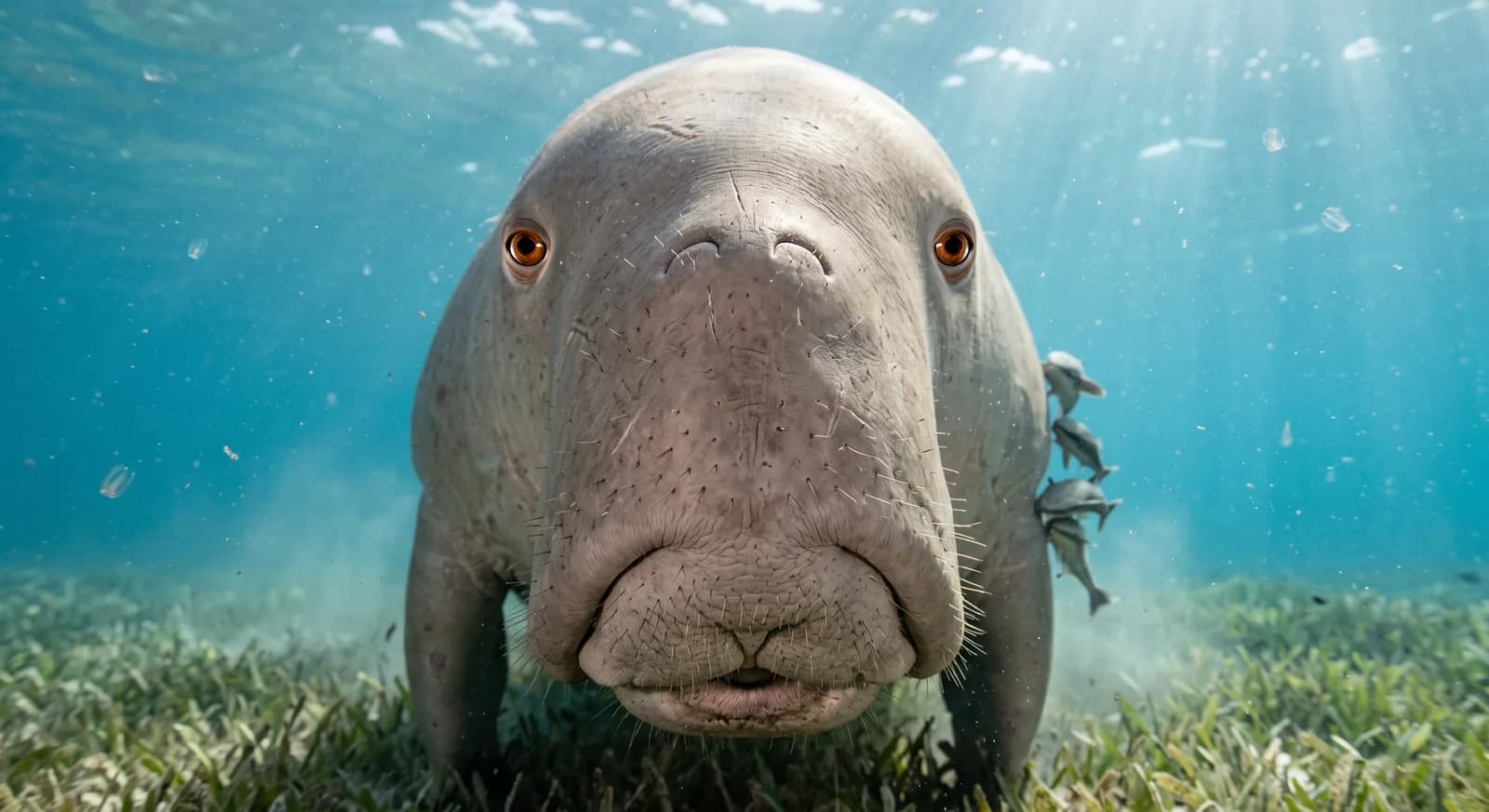 Vulnerable
Dugong
Dugong dugon
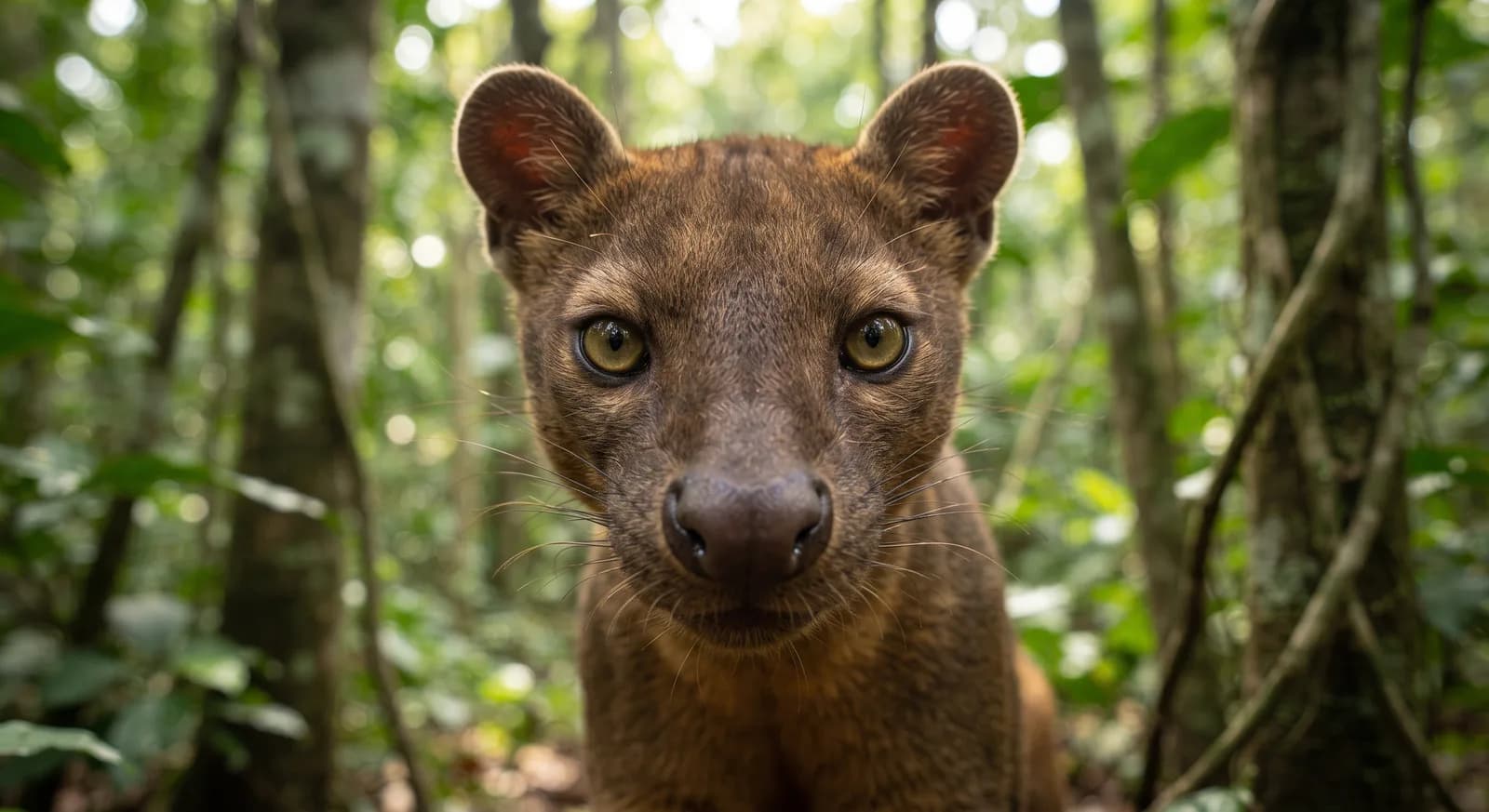 Vulnerable
Fossa
Cryptoprocta ferox
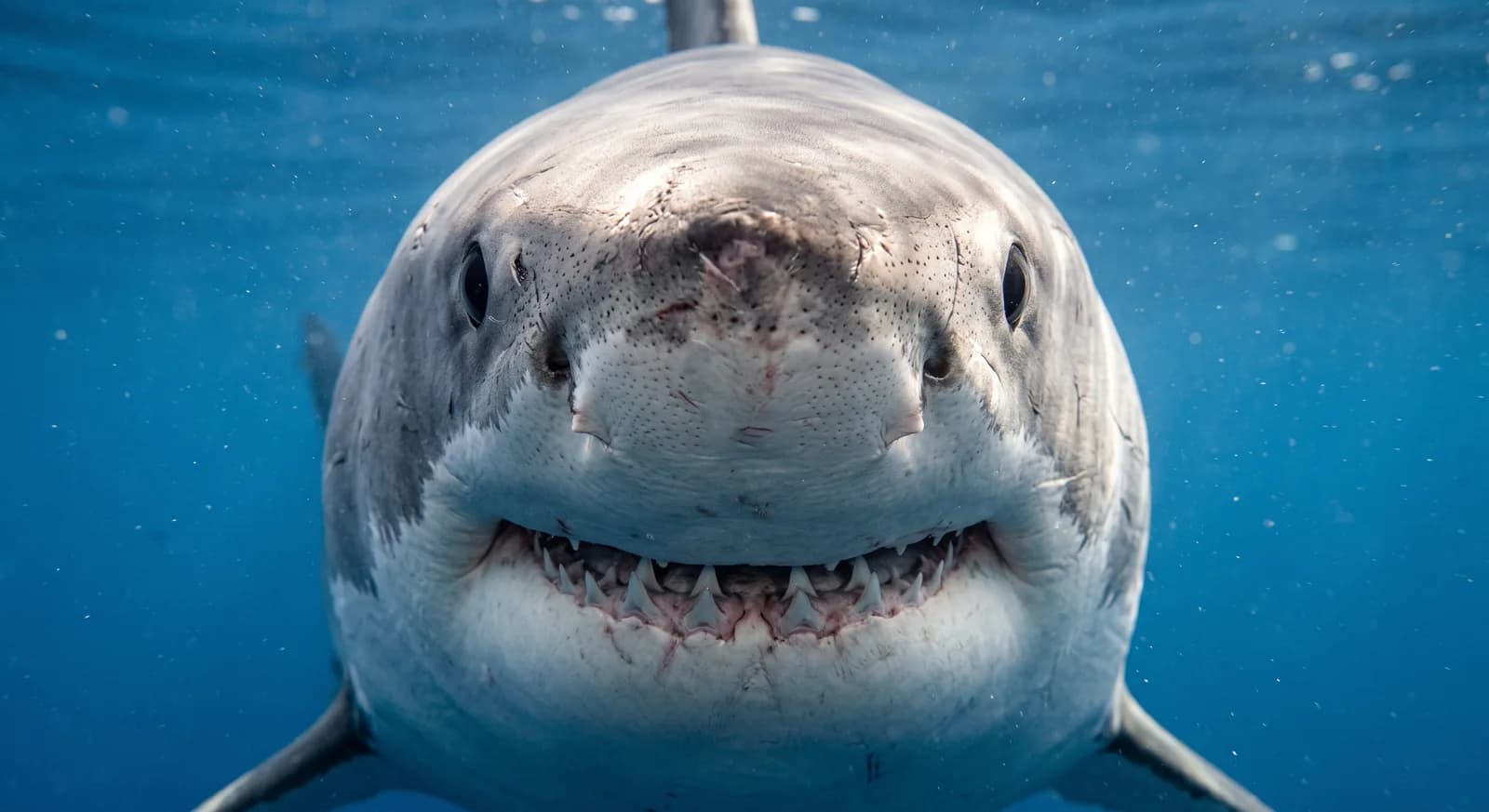 Vulnerable
Great White Shark
Carcharodon carcharias
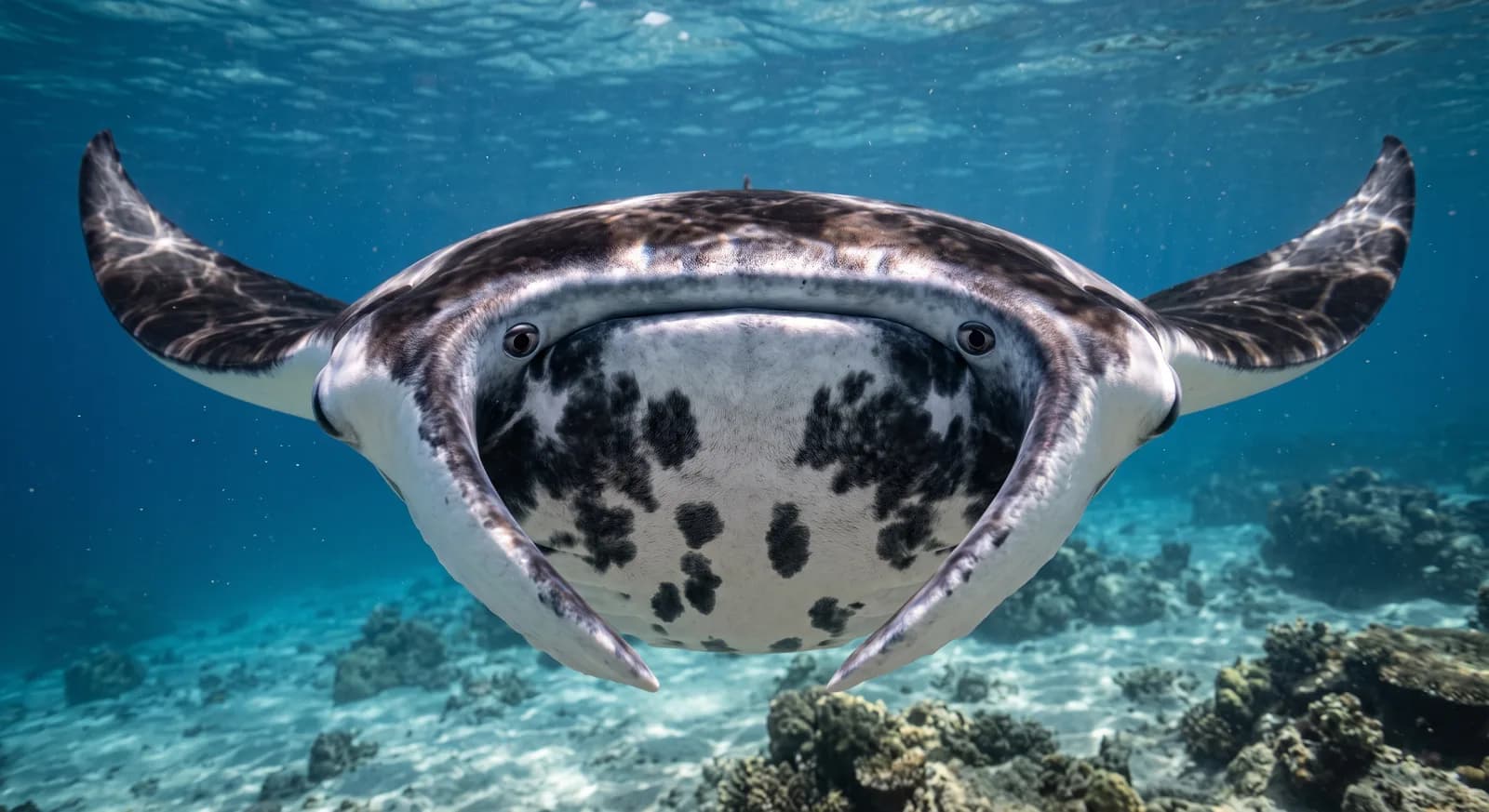 Vulnerable
Reef Manta Ray
Mobula alfredi
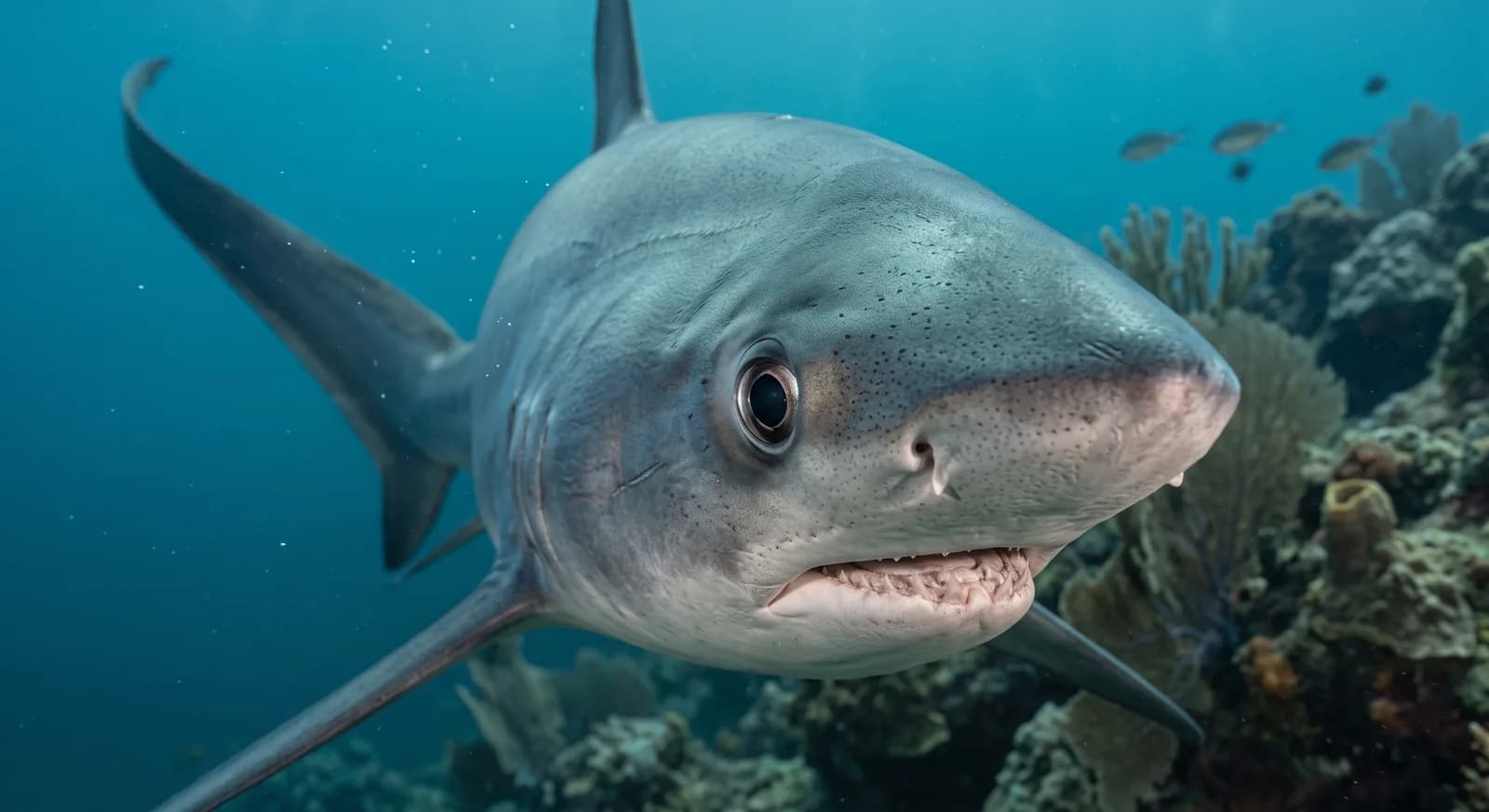 Vulnerable
Grayfish
Alopias vulpinus
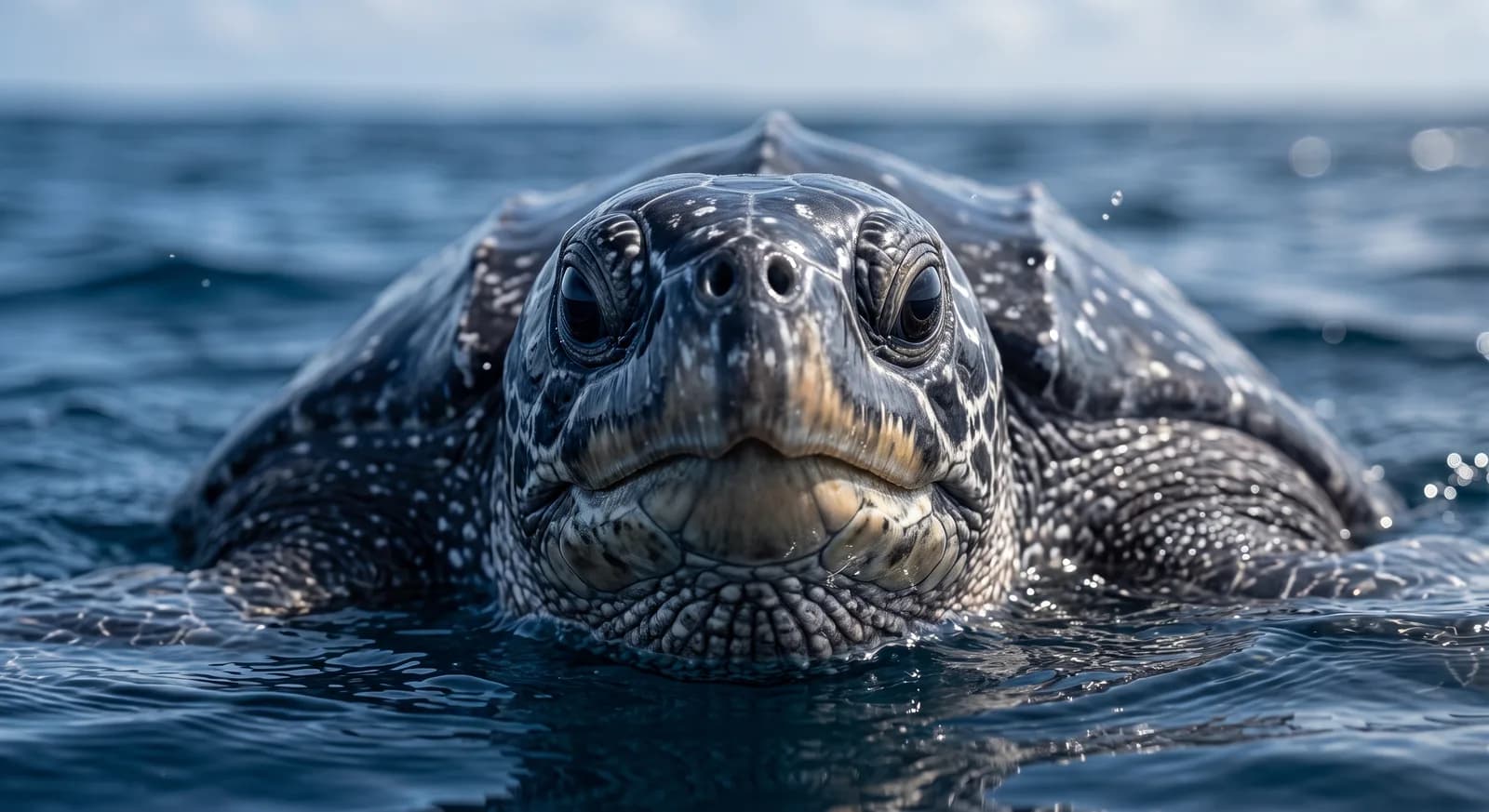 Vulnerable
Leatherback Sea Turtle
Dermochelys coriacea
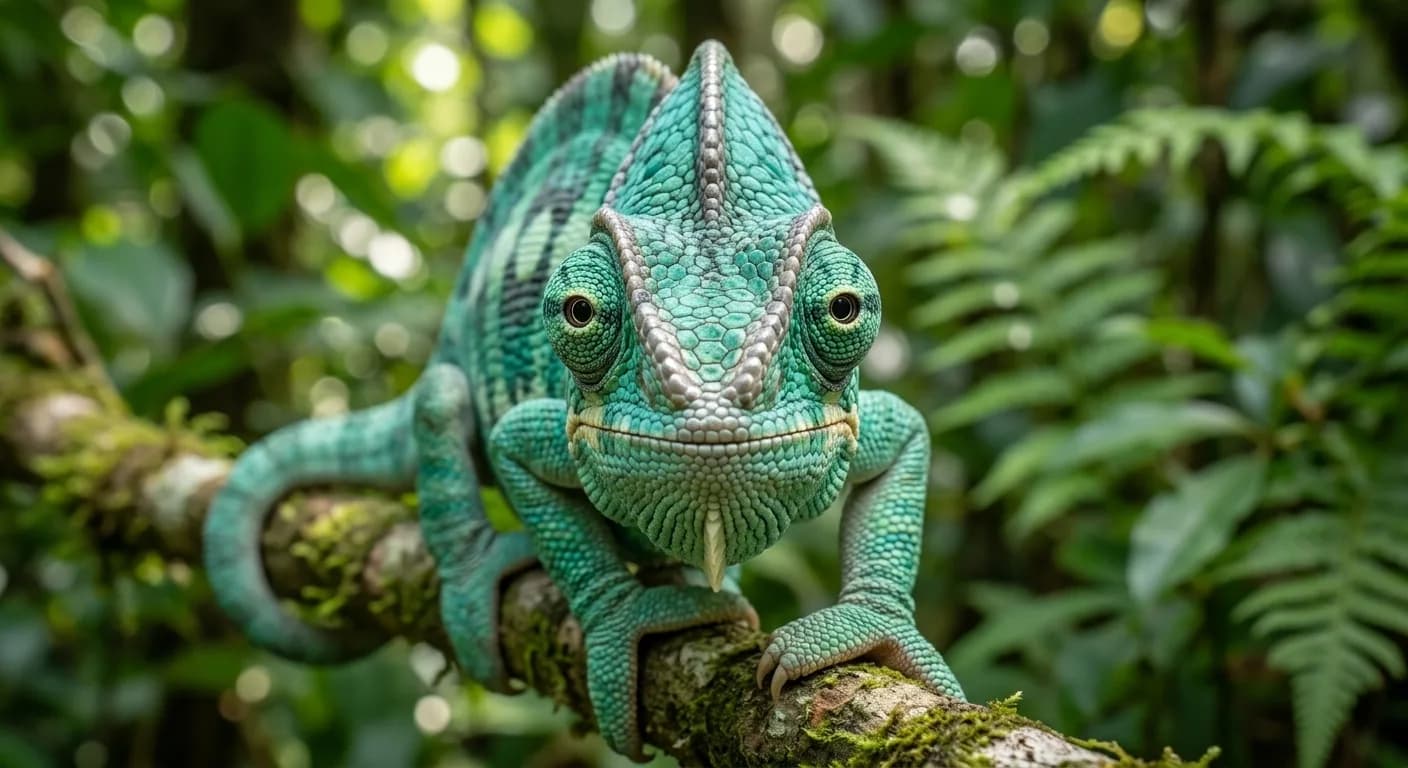 Near Threatened
Parson's Chameleon
Calumma parsonii
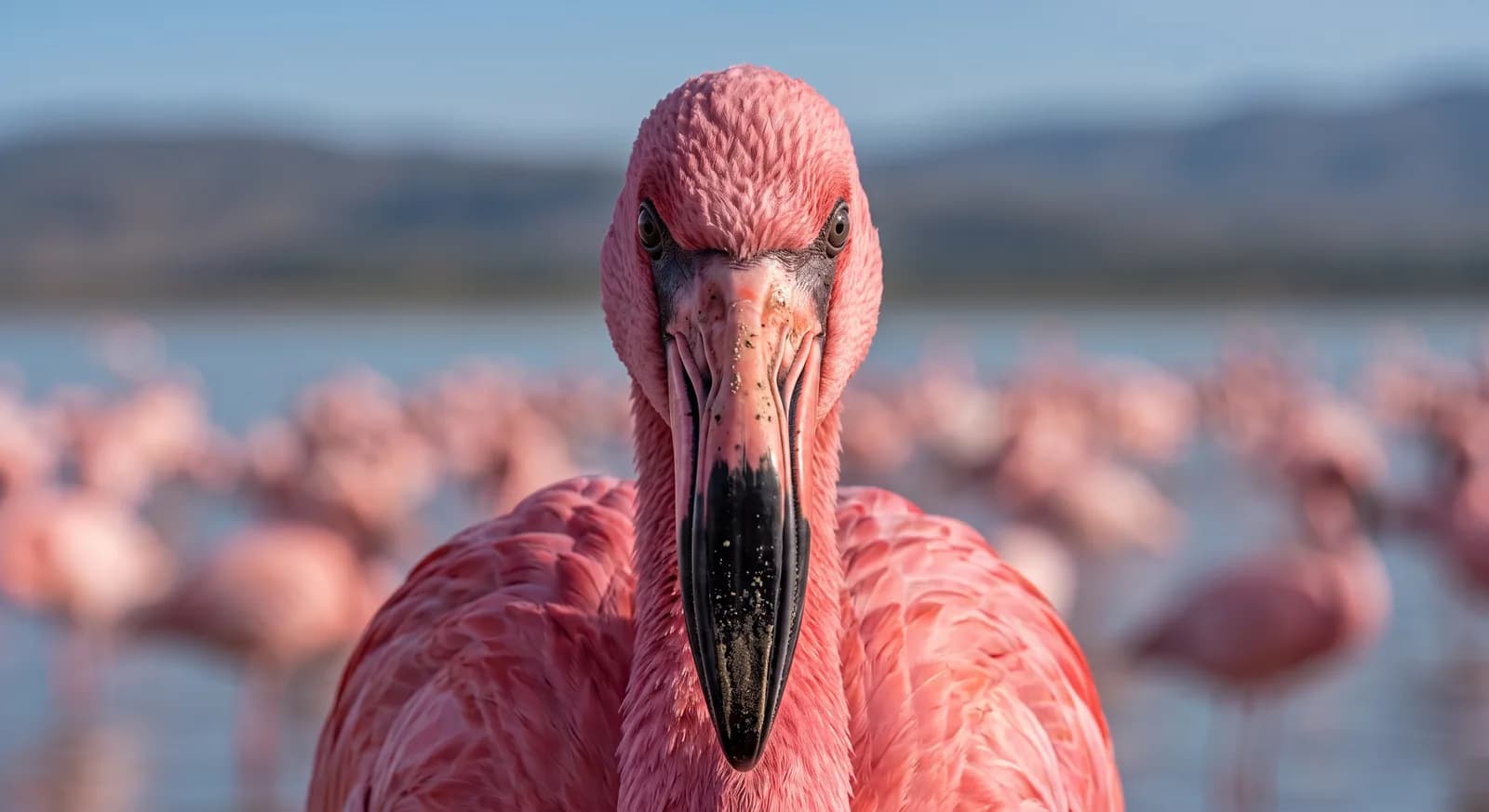 Near Threatened
Lesser Flamingo
Phoeniconaias minor
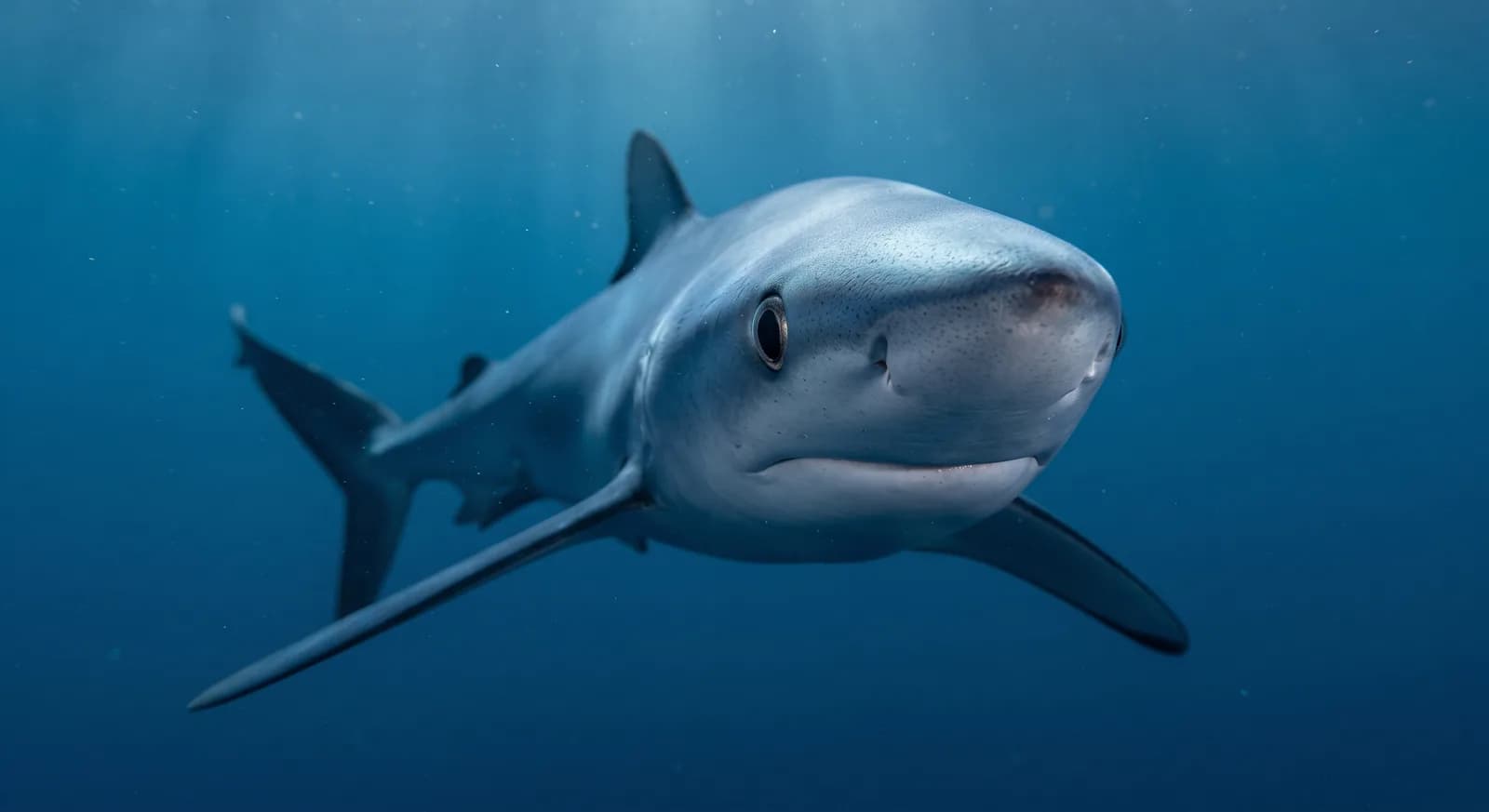 Near Threatened
Blue Shark
Prionace glauca
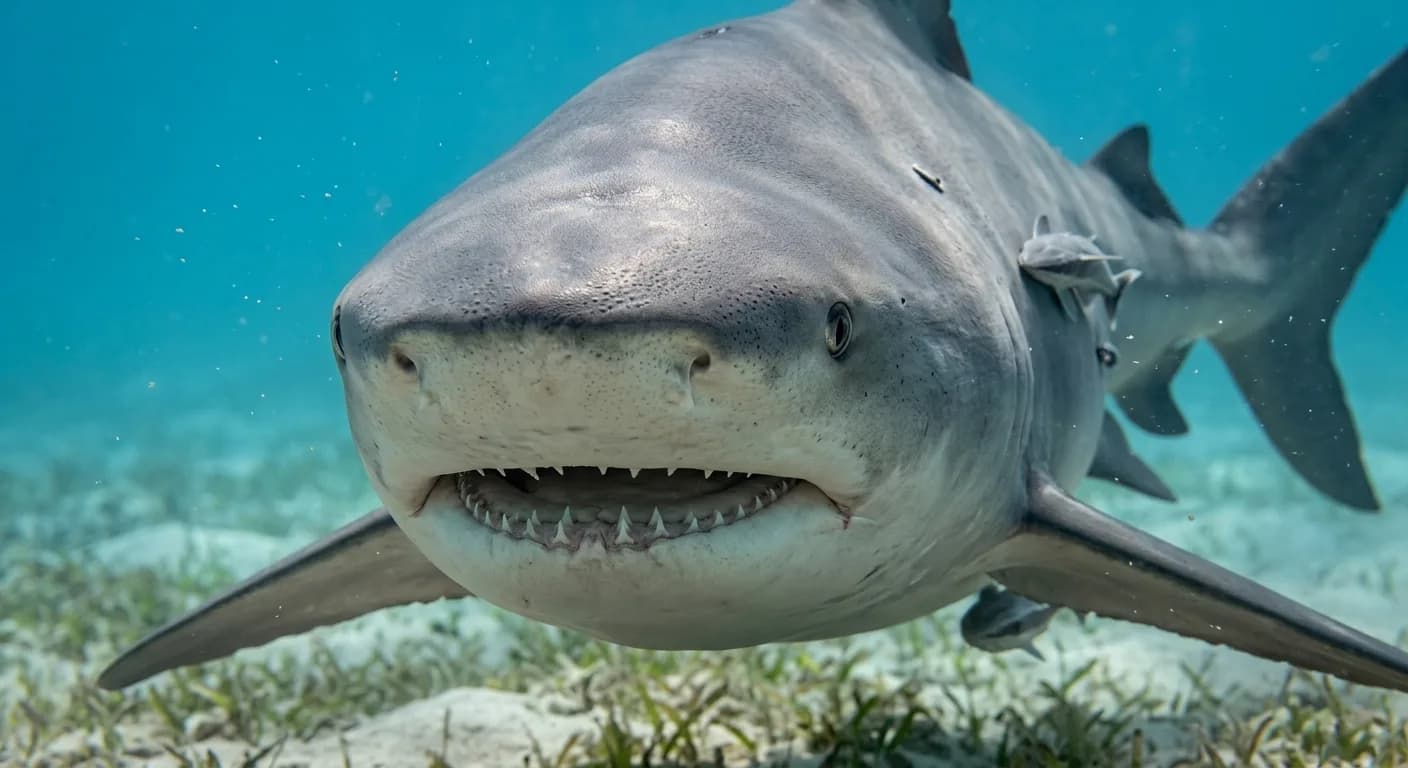 Near Threatened
Bull Shark
Carcharhinus leucas
Keep exploring
Based on what we already know about Madagascar.