Portugal
Europa
Portugal combines an Atlantic frontage of more than eight hundred kilometres with a mountainous interior and a south of Mediterranean scrub, plus two ocean archipelagos that multiply its natural value. The north keeps oak and birch woods in the Peneda-Gerês range, where the country's last Iberian wolves survive alongside the garrano, a hardy semi-wild horse. The Alentejo contributes the montado, the Portuguese version of the dehesa, with the largest cork oak woodland in the world. The wetlands of the Tagus, the Sado and the Ria Formosa host tens of thousands of wintering waders. Madeira keeps the best-preserved laurel forest on the planet, a relict woodland of the Tertiary and a World Heritage Site. The Azores, on the Mid-Atlantic Ridge, are one of the best places in the northern hemisphere to watch cetaceans: around a third of all known whale and dolphin species pass through their waters.
The nature of Portugal
National animal: The Barcelos rooster is the popular symbol; the Portuguese water dog and the Iberian wolf serve as wildlife emblems
Did you know?
Zino's petrel, endemic to the high peaks of Madeira, was believed extinct for decades until it was rediscovered in 1969 on inaccessible ledges of the central massif. It is one of the rarest seabirds in Europe, with barely a few dozen breeding pairs, and survives thanks to the control of rats and feral cats on its nesting ledges.
Biodiversity profile
Climate
- •Mediterraneo (Csa/Csb) en el sur y centro
- •Oceanico templado (Cfb) en el norte, moderado por el Atlantico
Main biomes
- •Bosque y matorral mediterraneo (montado, dehesa portuguesa de alcornoque y encina)
- •Bosque atlantico caducifolio (norte)
- •Matorral costero atlantico
- •Montado de alcornoques
- •Laurisilva
- •Matorral mediterráneo
- •Bosque atlántico
- •Estuario y marisma
- •Dunas litorales
- •Mar profundo oceánico
Marine and coastal ecosystems
- •Costa atlantica extensa, con estuarios de importancia para aves migratorias (Tajo, Sado)
Flagship wildlife
- •Lince iberico (poblacion portuguesa en recuperacion, Vale do Guadiana)
- •Lobo iberico (poblacion relictual en el norte)
- •Aguila imperial iberica
- •Cigüeña blanca
- •Cachalote
- •Delfín mular
- •Camaleón común
- •Nutria paleártica
- •Águila perdicera
- •Rorcual común
- •Tortuga boba
- •Caballito de mar
Notable endemic species
- •Comparte el endemismo floristico iberico (25% de las especies vegetales de la peninsula) con España
- •El habitat de montado (dehesa portuguesa) es un sistema agrosilvopastoril unico de alto valor de biodiversidad
- •Pardela de Madeira
- •Lagartija de Madeira
- •Paloma torqueza de Madeira
- •Camachuelo de las Azores
- •Murciélago de Madeira
Notable threatened species
- •Lince iberico (recuperado de menos de 50 individuos en 1980 a una poblacion en expansion, con el Vale do Guadiana como principal nucleo portugues; especie mejorada de En Peligro a Vulnerable en 2024)
- •Lobo iberico (poblacion pequeña y fragmentada en el norte del pais)
Notable protected areas
- •Parque Nacional Peneda-Geres (unico parque nacional del pais, norte)
- •Vale do Guadiana (nucleo de recuperacion del lince iberico)
- •Parque Nacional de Peneda-Gerês
- •Parque Natural de la Ría Formosa
- •Reserva Natural del Estuario del Tajo
- •Parque Natural de Madeira
- •Reserva Natural de las Berlengas
- •Parque Natural del Sudoeste Alentejano
Main conservation threats
- •Fragmentacion de habitat mediterraneo por incendios forestales recurrentes
- •Fluctuaciones del conejo europeo, presa clave del lince iberico
- •Perdida historica de bosque nativo por plantaciones de eucalipto
Notable natural phenomena
- •El Vale do Guadiana en Portugal es hoy la principal poblacion portuguesa del lince iberico, tras decadas en las que la especie estuvo al borde de la extincion en el pais
Conservation
The Iberian wolf population south of the Douro is on the brink of functional extinction. In the archipelagos, eradicating introduced mammals has allowed endemic seabirds on the edge of disappearance to recover.
Where and when to watch wildlife
The Azores between April and October for cetaceans, with blue and fin whales passing in spring. Ria Formosa and the Tagus estuary between October and March for wintering waterbirds. The Berlengas in spring for seabird colonies.
Sources: Nature Habitat - The Iberian Lynx Makes a Remarkable Recovery in Portugal | IUCN CatSG - Living Species Iberian lynx
Parks and reserves
Madeira
The largest surviving expanse of laurisilva in the world, a relict forest of the Tertiary.
View parkNature ParkArrábida
A Mediterranean limestone massif above the Atlantic, south of Lisbon, and a biosphere reserve since 2025.
View parkNature ParkDouro Internacional
The border canyons of the Douro, with the greatest concentration of cliff-nesting raptors on the Iberian Peninsula.
View parkNature ParkMontesinho
The Trás-os-Montes "cold land", with Iberian wolf and communal villages, inside the largest transboundary biosphere reserve in Europe.
View parkNational ParkPeneda-Geres
Portugal's only national park; a Pleistocene glacial imprint
View parkNature ParkRia Formosa
A system of coastal lagoons sheltered from the Atlantic swell by a chain of barrier islands, a critical refuge for the European common chameleon
View parkNature Park (transboundary)Duero Internacional
It protects a 120 km border canyon shared by Portugal and Spain, with some of the last cinereous vultures and golden eagles in Iberia
View parkNature ParkSerra da Estrela
The largest massif in mainland Portugal and its only ski resort; home of Serra da Estrela cheese and of the Estrela mountain dog
View parkNature ParkSerras de Aire e Candeeiros
A limestone massif in central Portugal with the largest known sauropod trackways in the world.
View parkNature ParkSudoeste Alentejano e Costa Vicentina
The best-preserved Atlantic coastline in mainland Europe, with white storks nesting on sea stacks.
View parkDiving and snorkelling
Cliff Coast (Cape St Vincent)
The south-westernmost point of mainland Europe, with cold, nutrient-rich Atlantic water from the Portugal Current.
View dive siteVolcanic reefGarajau Marine Reserve (Madeira)
Madeira's first marine reserve, with vertical volcanic walls and a notable grouper recovery since 1986.
View dive siteOceanic pelagicAzores (Princess Alice Bank)
A seamount out in the Atlantic where deep-water pelagic species converge.
View dive siteRocky reef/CaveBerlengas Islands
A UNESCO biosphere reserve off Peniche, with granite caves and tunnels carved by the ocean.
View dive siteMarine reserveSesimbra
A fishing town near Lisbon with several wrecks and the Arrábida Nature Park, a refuge of protected groupers.
View dive siteEspecies documentadas en Portugal
745 species found
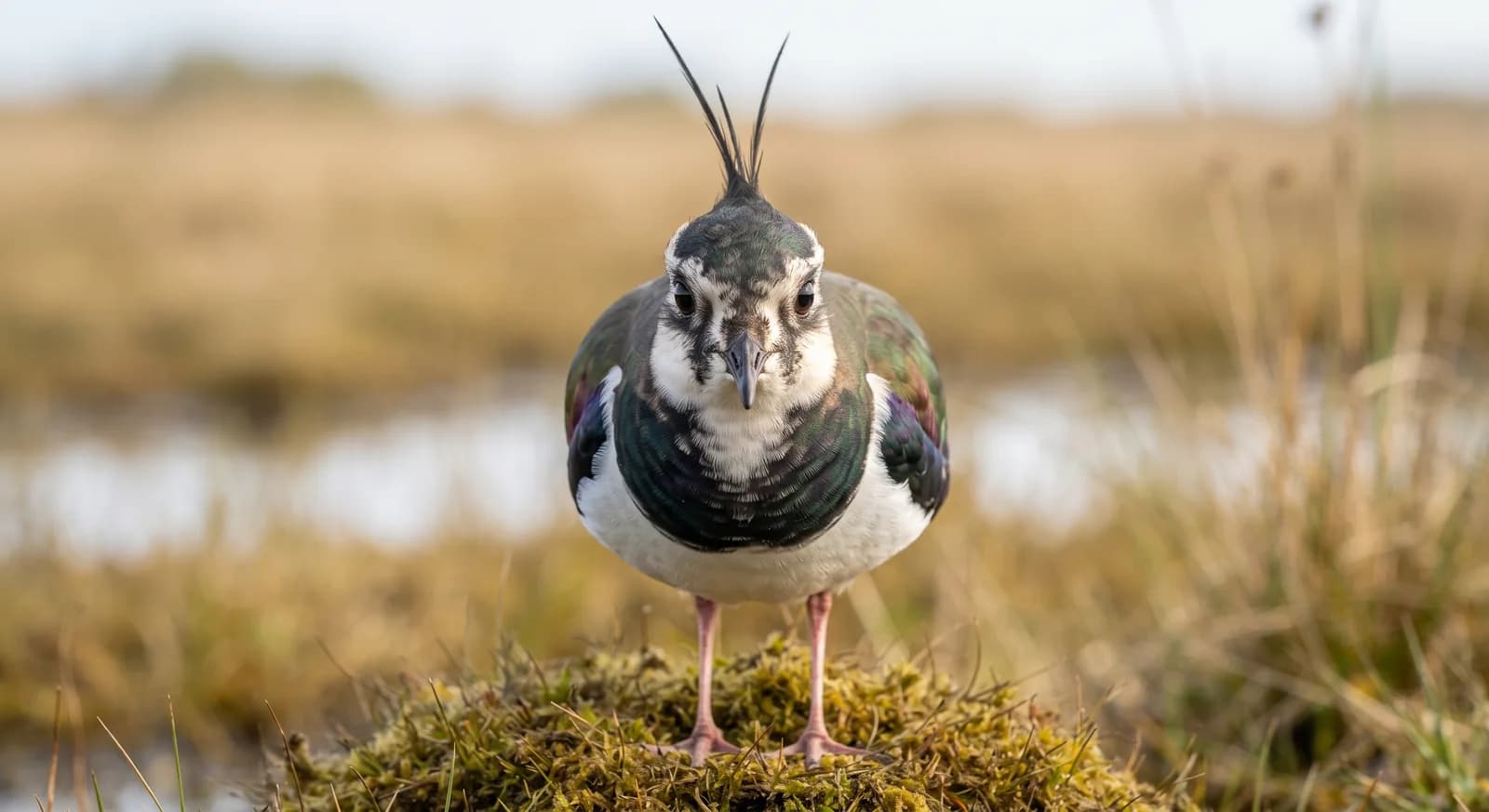 Near Threatened
Northern Lapwing
Vanellus vanellus
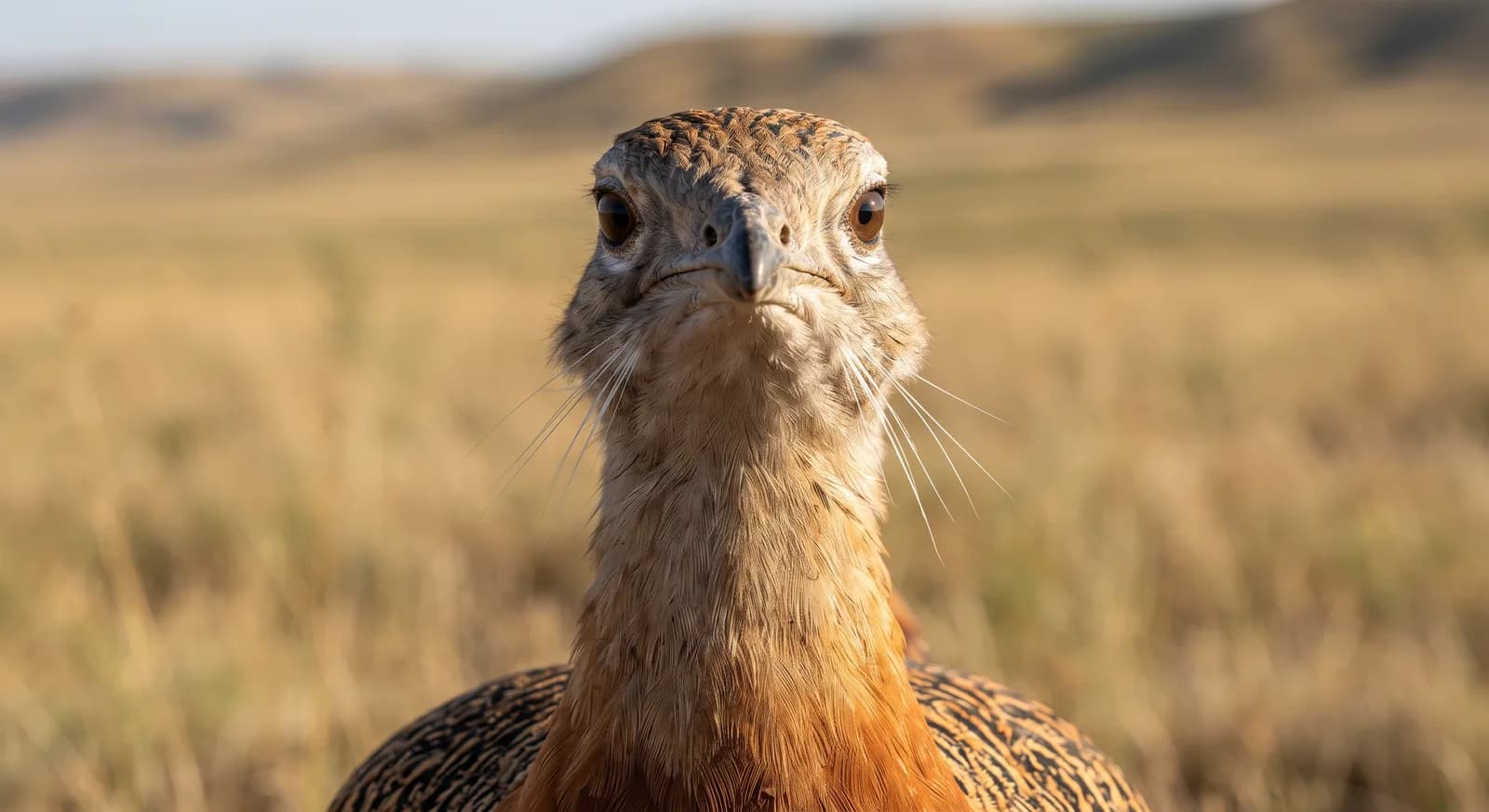 Near Threatened
Great Bustard
Otis tarda
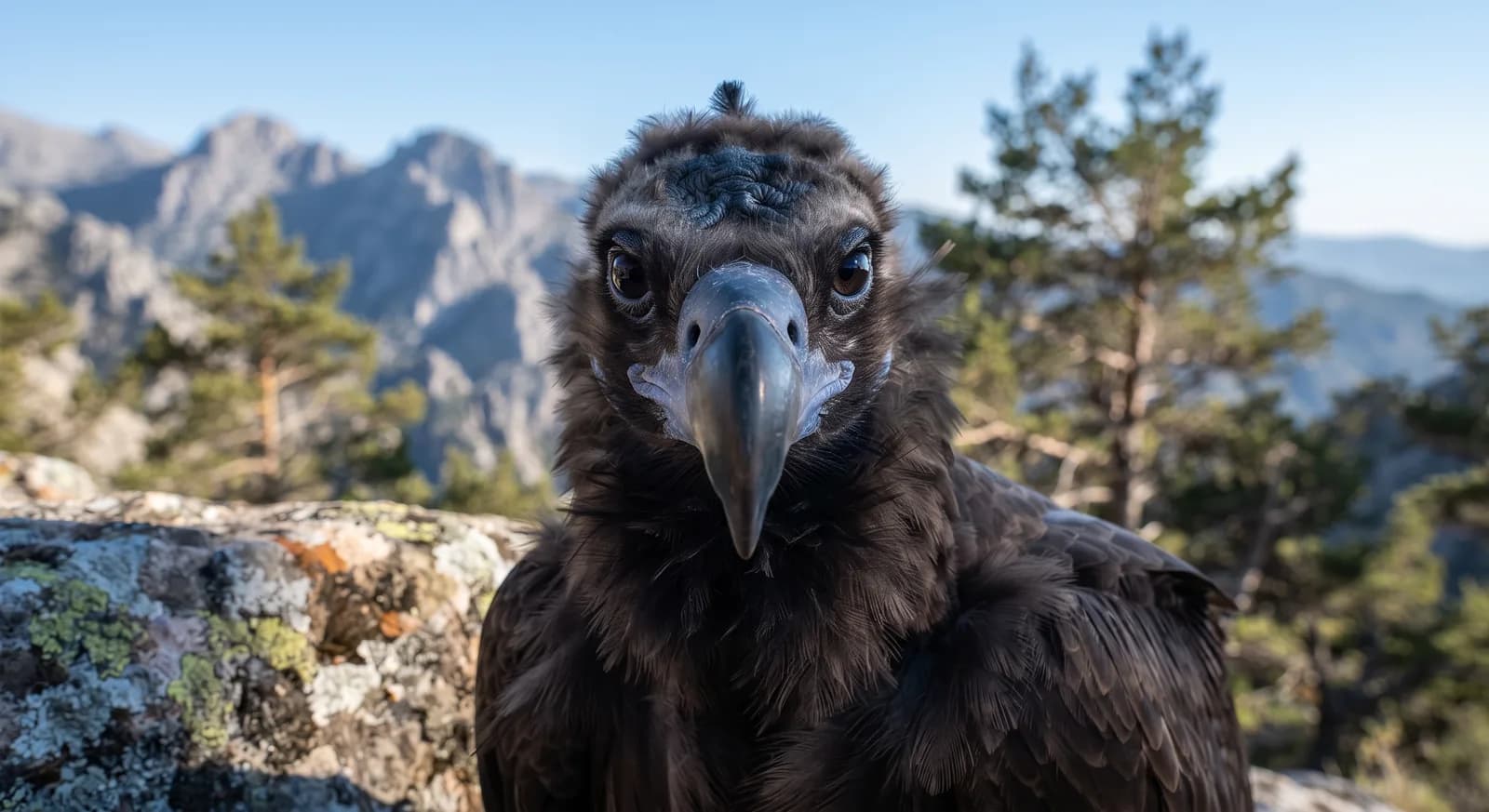 Near Threatened
Cinereous Vulture
Aegypius monachus
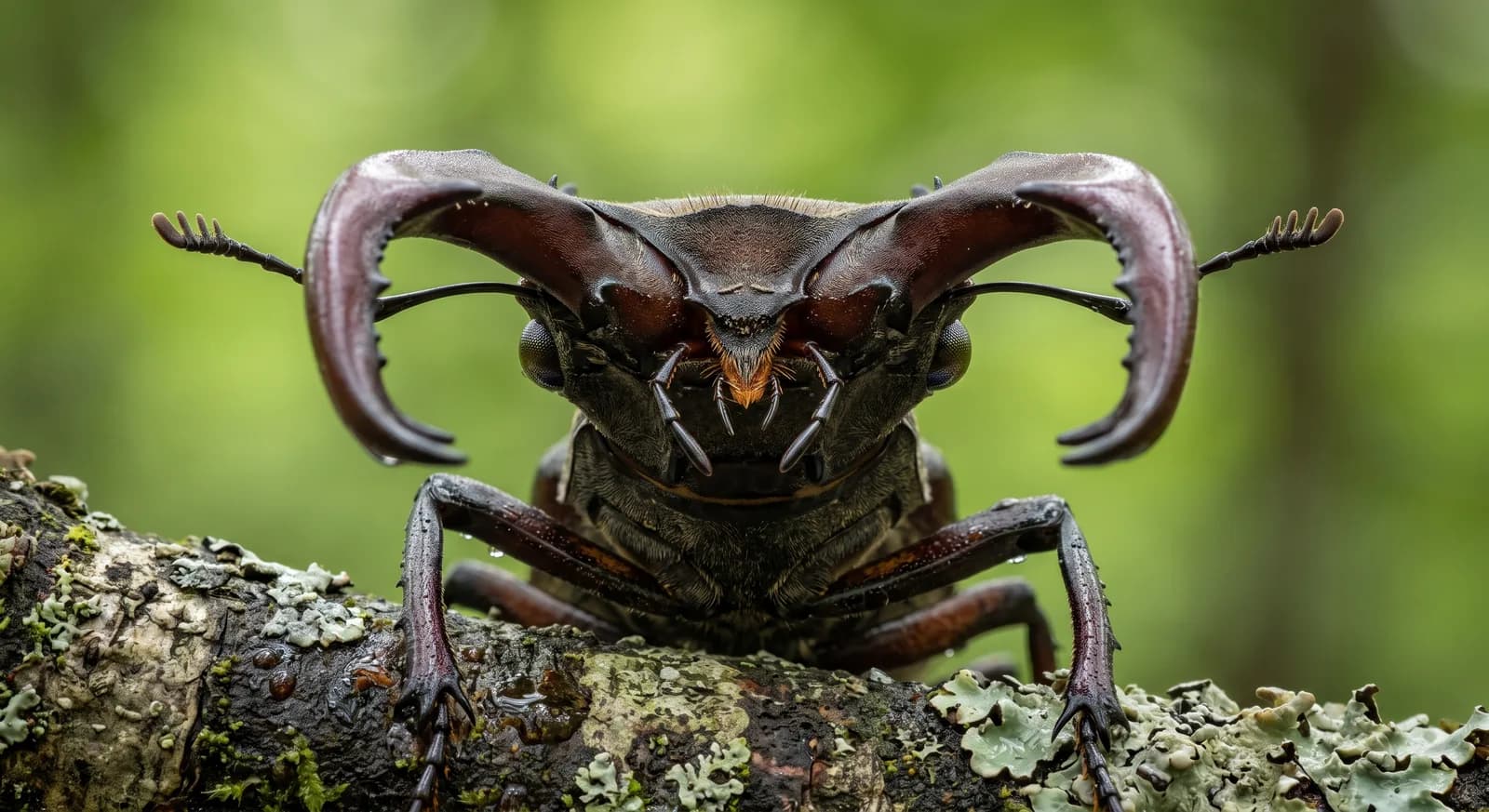 Near Threatened
Stag Beetle
Lucanus cervus
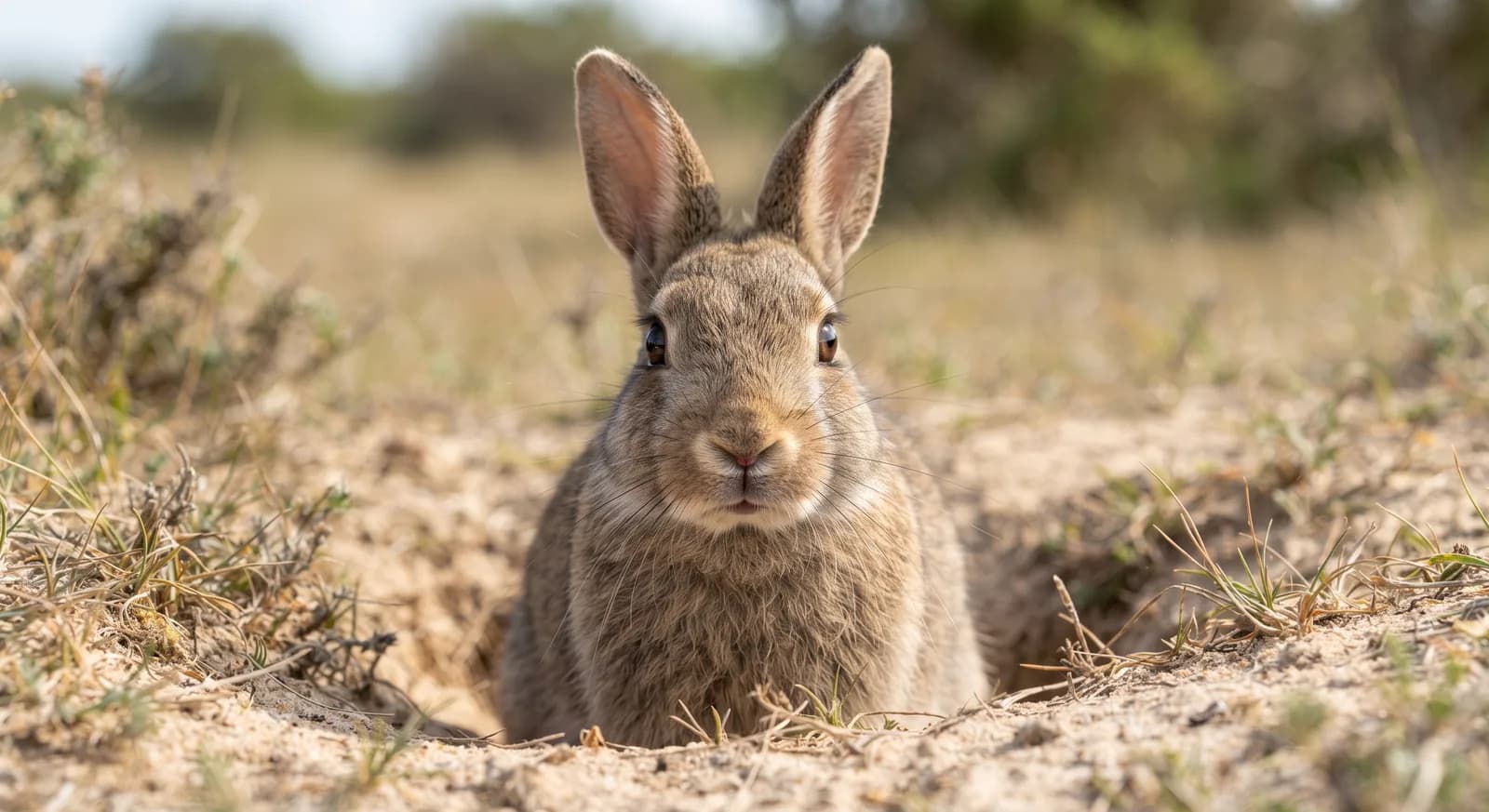 Near Threatened
European Rabbit
Oryctolagus cuniculus
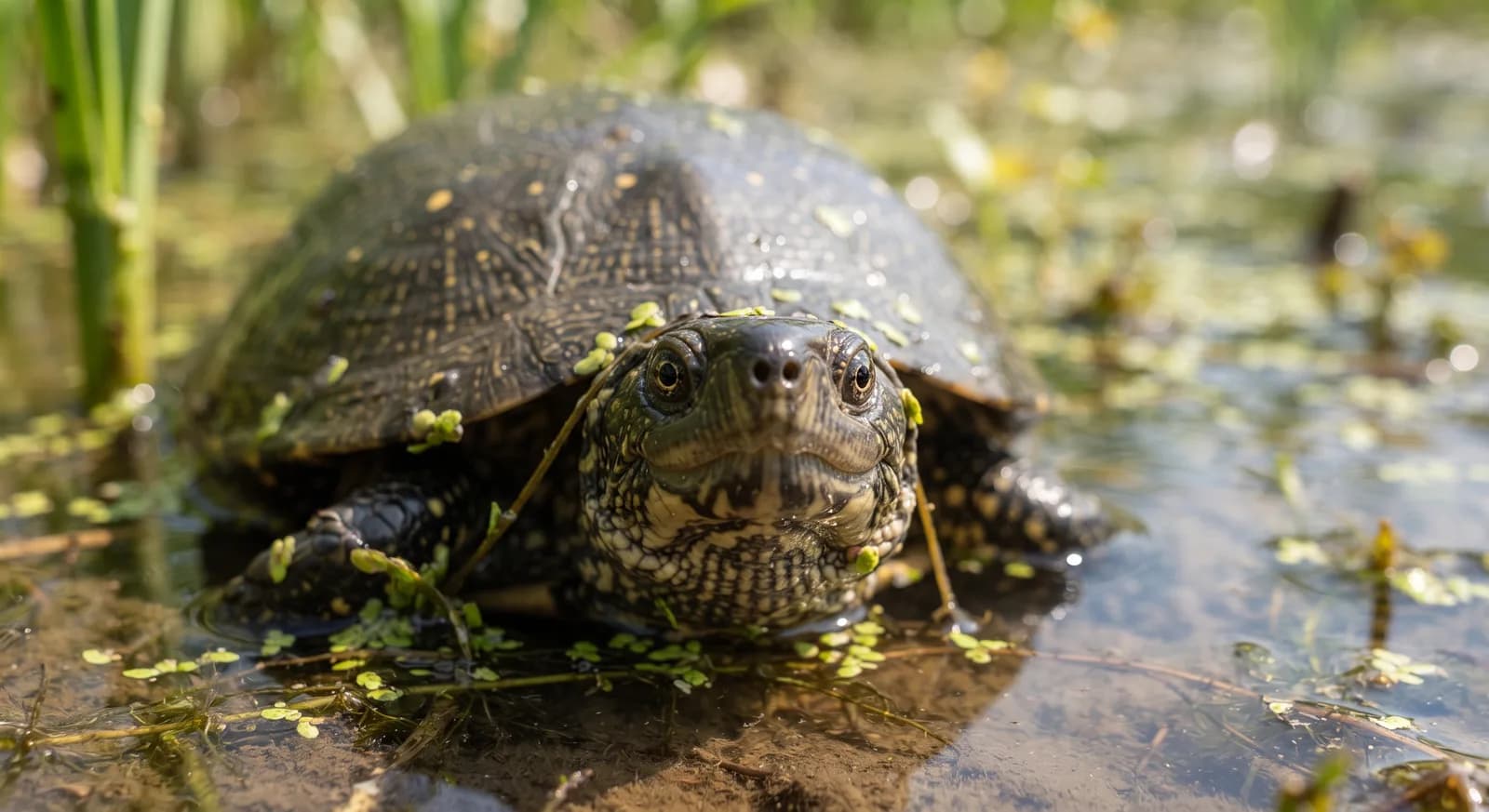 Near Threatened
European Pond Turtle
Emys orbicularis
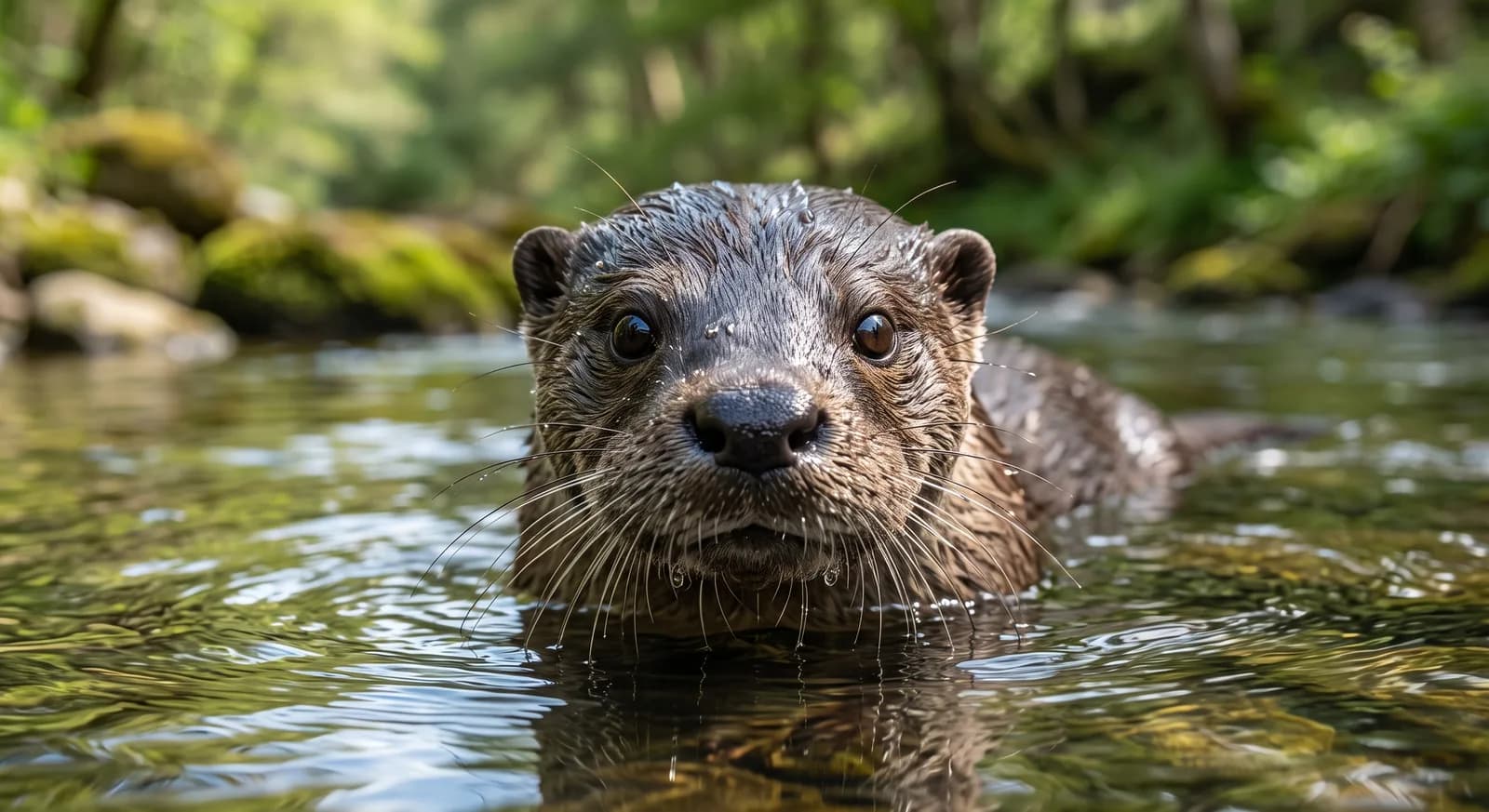 Near Threatened
European Otter
Lutra lutra
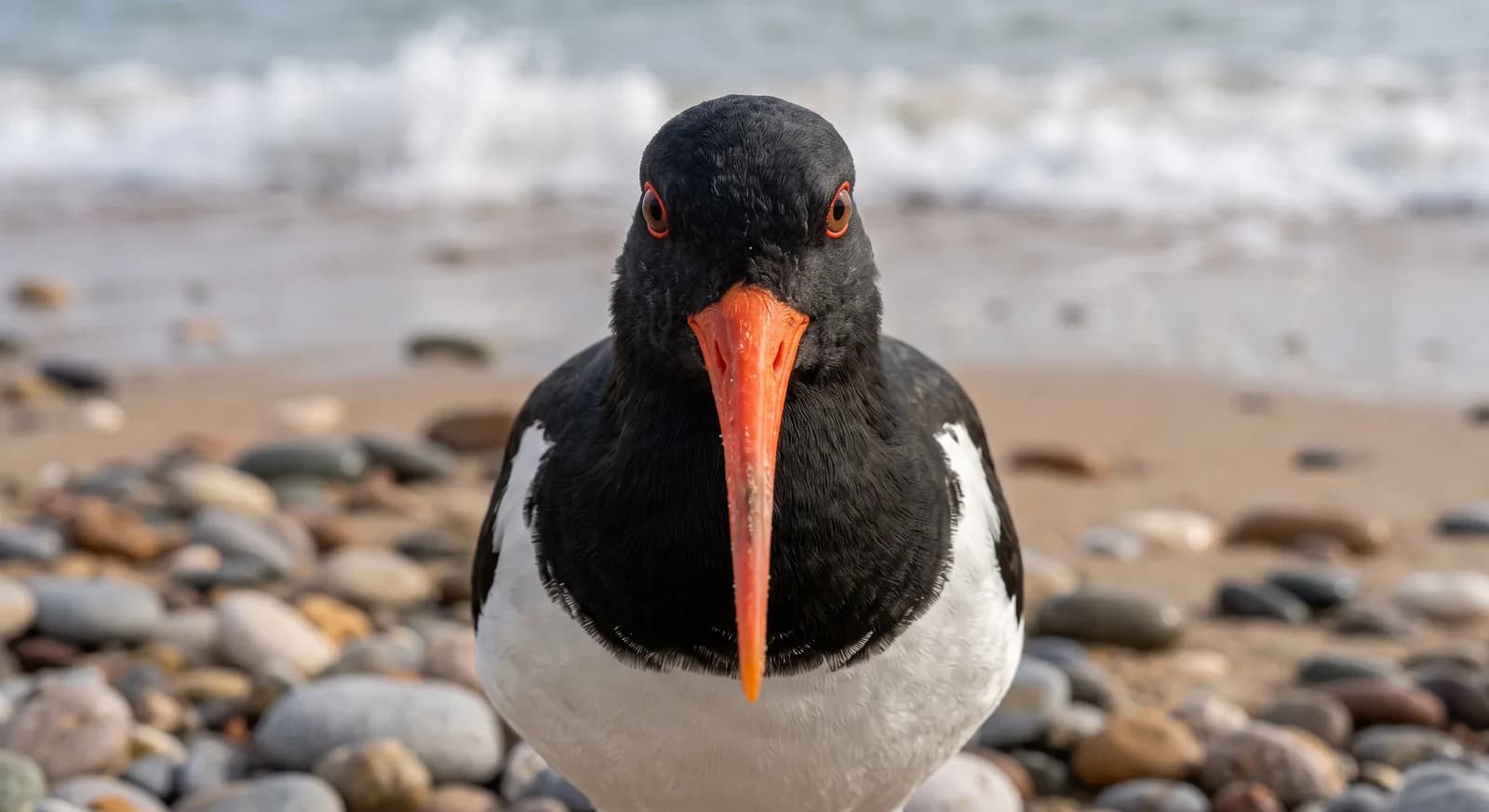 Near Threatened
Eurasian Oystercatcher
Haematopus ostralegus
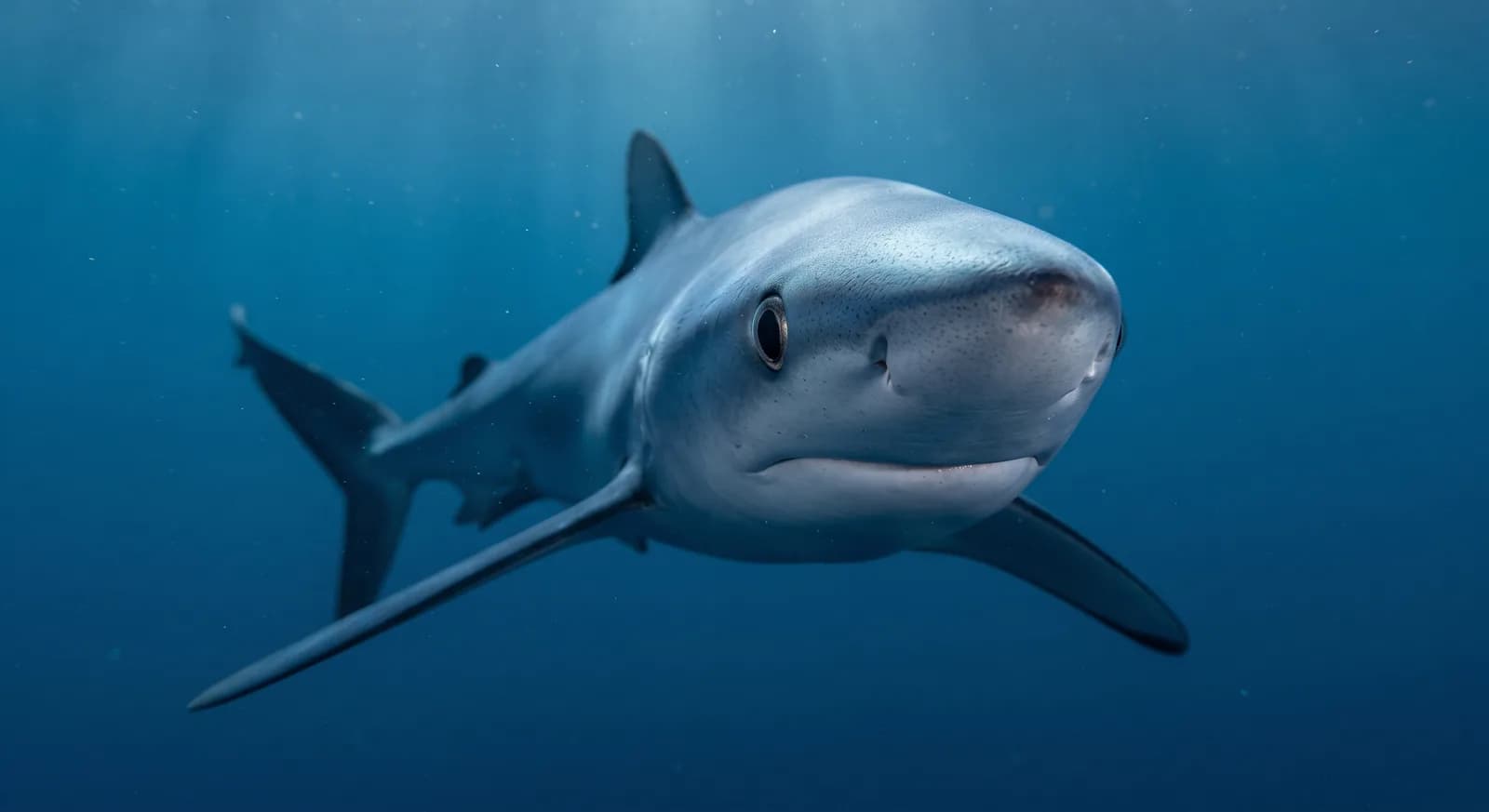 Near Threatened
Blue Shark
Prionace glauca
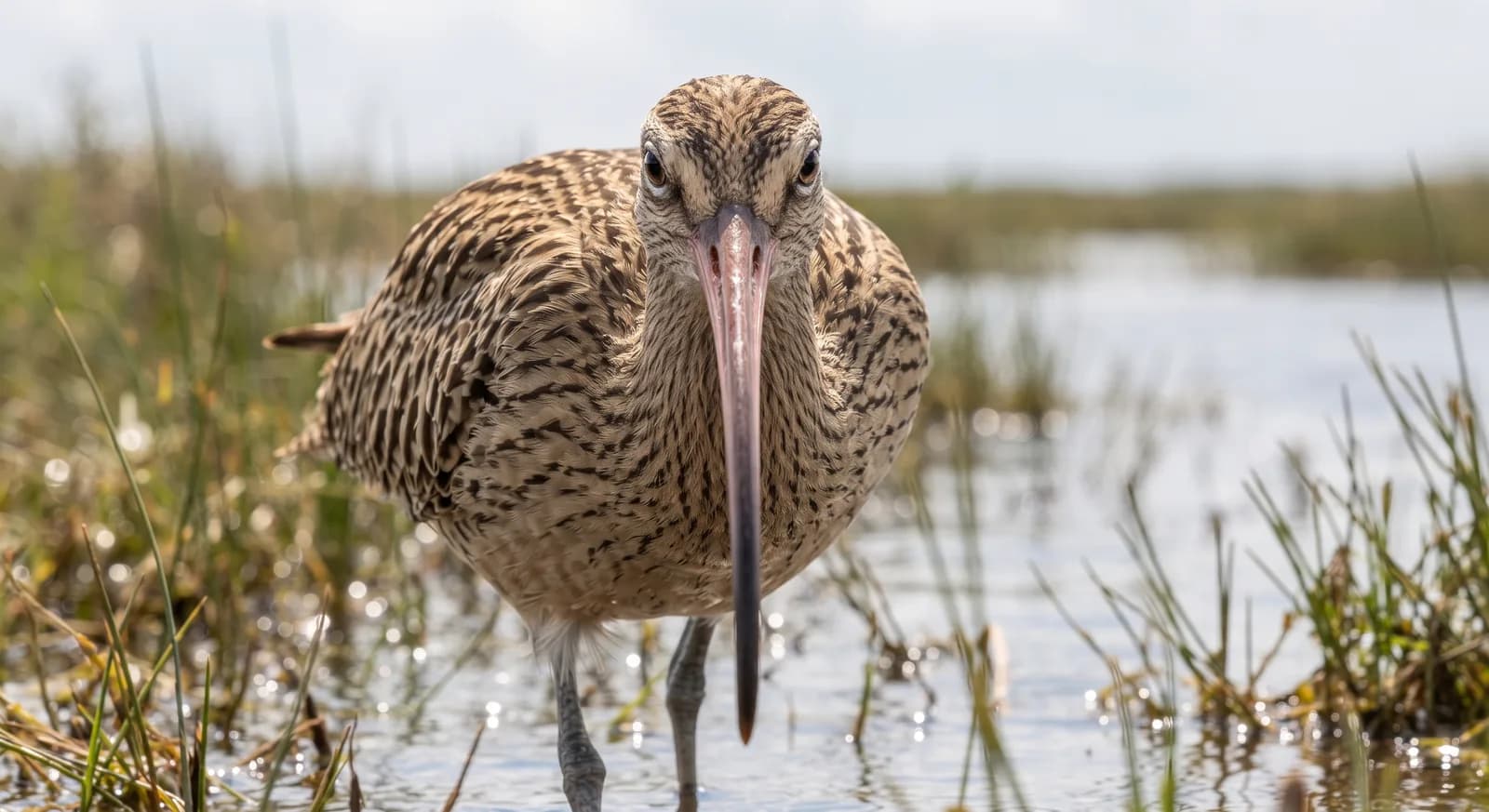 Near Threatened
Eurasian Curlew
Numenius arquata
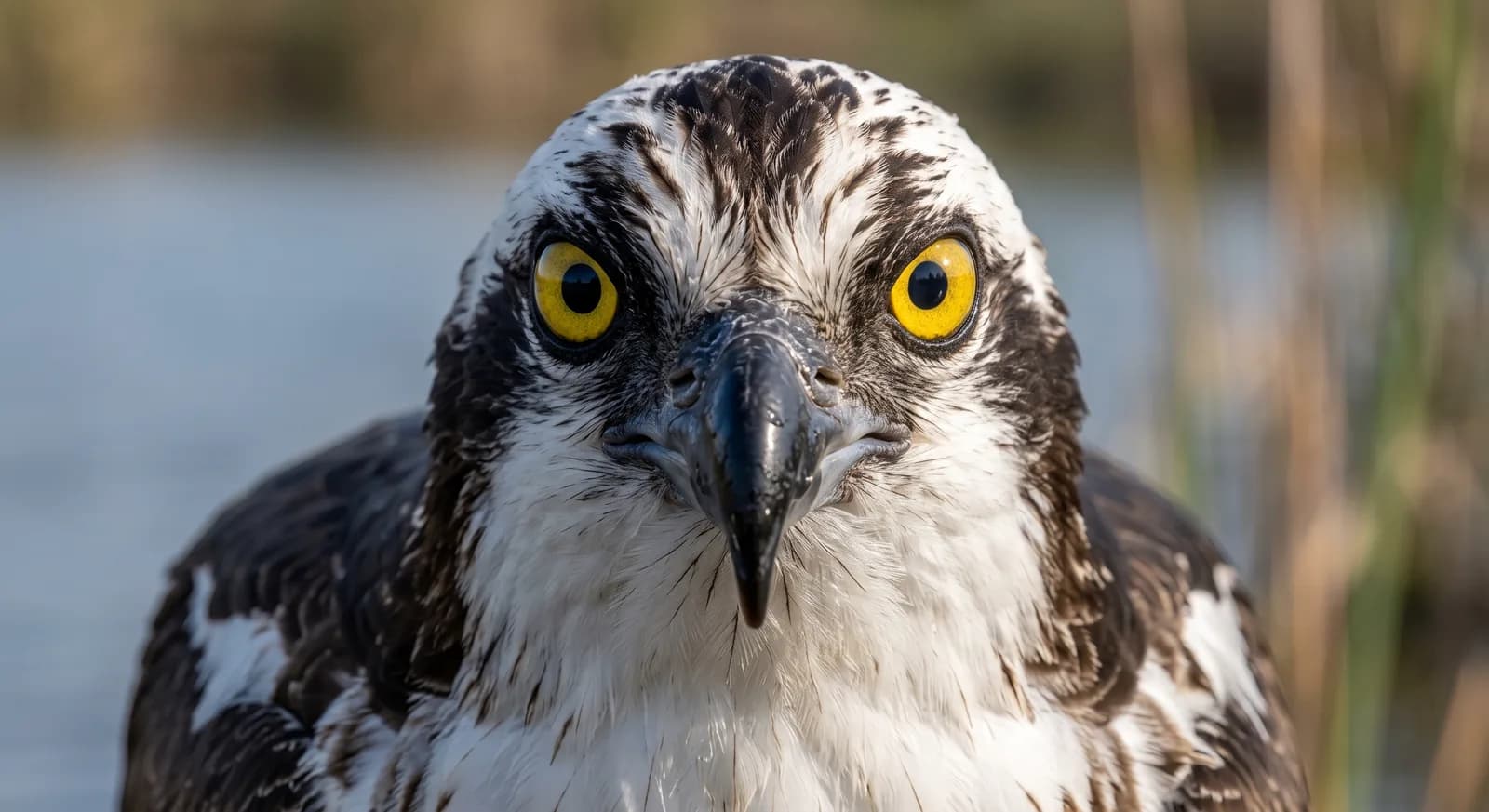 Least Concern
Osprey
Pandion haliaetus
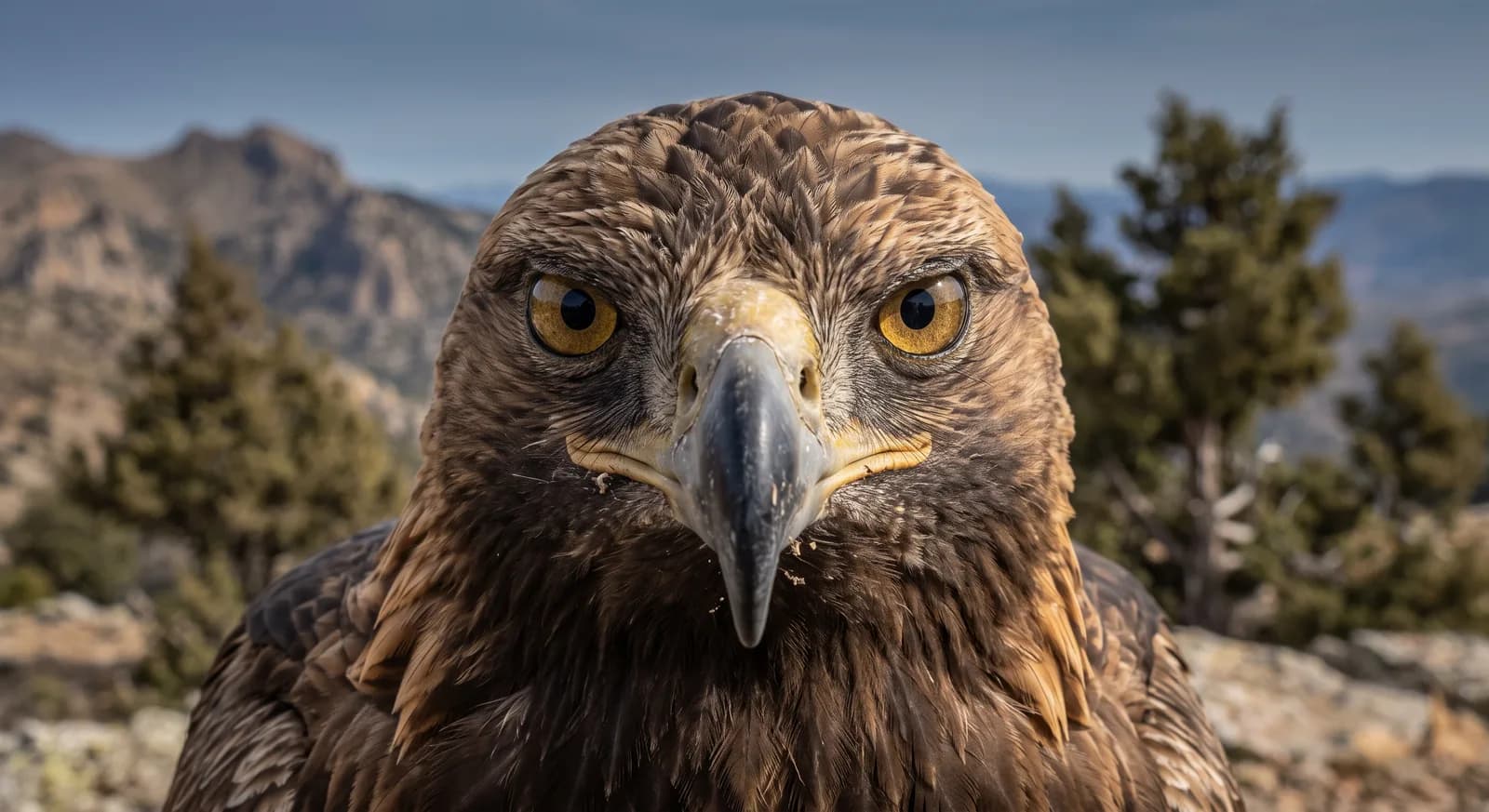 Least Concern
Golden Eagle
Aquila chrysaetos
Keep exploring
Based on what we already know about Portugal.