St Kilda
United Kingdom · Western EuropeThe United Kingdom's only mixed property: a volcanic archipelago uninhabited since 1930, with the largest seabird colony in Europe.
Area
24 km²
Declared in
1986
Region
Western Europe
Climate
Templado
Best time
May to September
Highlight
Cliffs and sea stacks holding more than a million seabirds
St Kilda is a group of remote islands in the North Atlantic some hundred kilometres west of the Scottish coast, beyond the Outer Hebrides. It comprises Hirta, Soay, Boreray, Dun and Levenish, along with numerous sea stacks among which Stac an Armin and Stac Lee stand out.
Its inscription came in three stages. UNESCO declared it World Heritage in 1986 for its natural values, the first Scottish property on the List. In 2004 the property was extended to include the marine environment, practically doubling its area, and a further natural criterion was added. And in 2005 its cultural value was also recognised, making it a mixed property: it is the only one in the United Kingdom with that status and one of the few in the world.
The cliffs hold more than a million seabirds, with the largest colony in Europe and densities exceptional for so small an area, thanks to the variety of ecological niches: gannets, puffins, Leach's storm petrels and fulmars. The last inhabitants were evacuated in 1930, ending some four thousand years of continuous human occupation. They had survived on a subsistence economy based on harvesting seabirds for food, feathers and oil, alongside farming and the Soay sheep, a primitive breed that remains on the islands in a feral state. From that life remain the cleits, thousands of drystone structures used for drying and storage, and the traditional houses of Village Bay.
Location
See on the interactive map2 dive sites within 300 km are also shown.
123 species documented in St Kilda
At conservation risk:Anjova,Atún rojo,Bacalao del Atlántico,Cazón,Eglefino,Frailecillo atlántico,Gaviota tridáctila,Jurel,Marrajo dientuso,Marrajo sardinero,Mielga,Musola comúnand 7 more
Abadejo
Pollachius pollachius
Agujeta
Belone belone
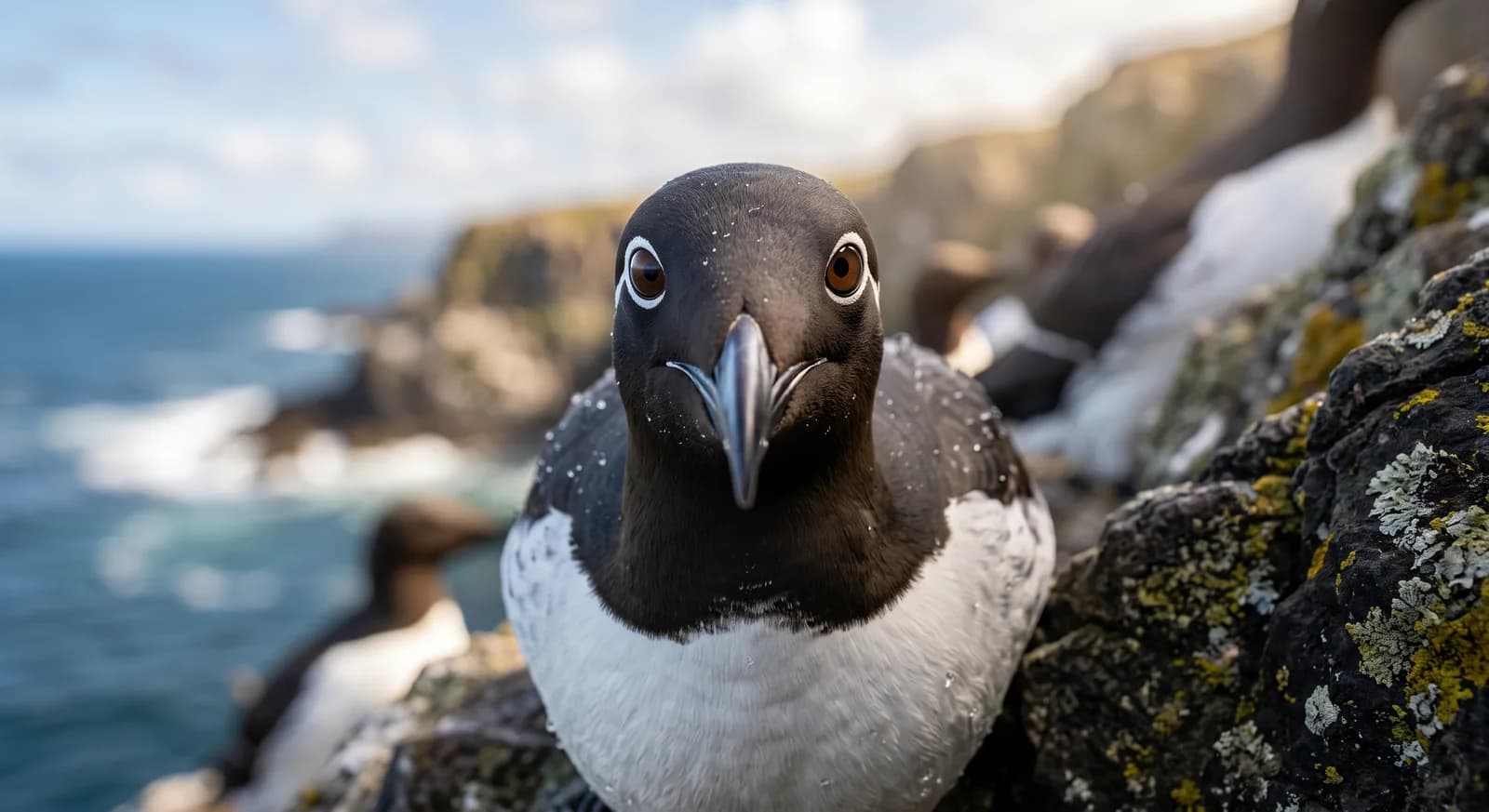
Alca común
Alca torda
 Least Concern
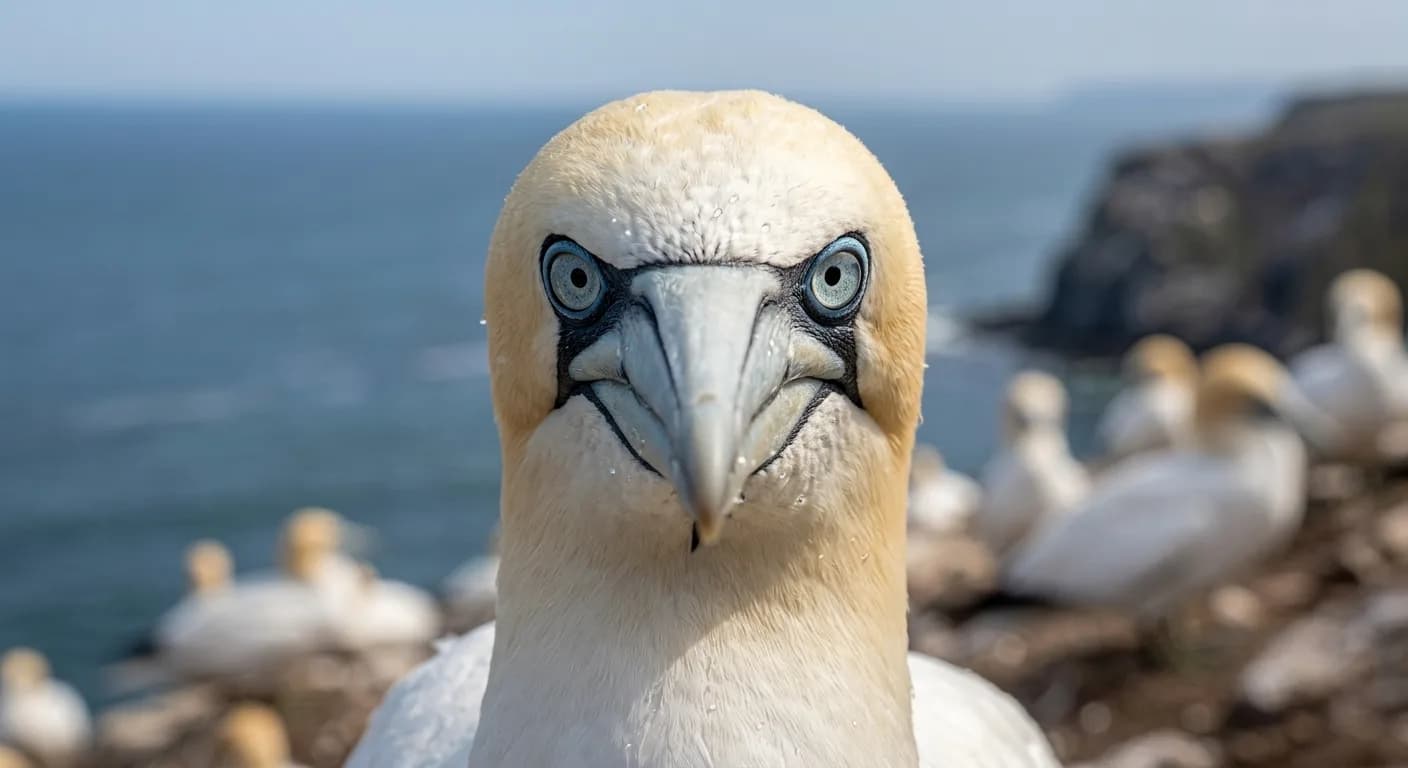
Alcatraz atlántico
Morus bassanus
Alitán
Scyliorhinus stellaris
Almeja de arena
Mya arenaria
Almeja de Islandia
Arctica islandica
Anfípodo barril de mar
Phronima sedentaria
Anjova
Pomatomus saltatrix
Araña de mar
Trachinus draco
Araña de mar de nariz larga
Macropodia rostrata
 Least Concern
Arao común
Uria aalge
Flora and ecosystems
Ecosystems found in United Kingdom, where St Kilda lies.
Experiences in this park
Nearby dive sites
Where can I dive near here?
Loch Ness
254 km away
Malin Head
283 km away
Wildlife you can see now
What is worth watching this month in United Kingdom?
 Least Concern
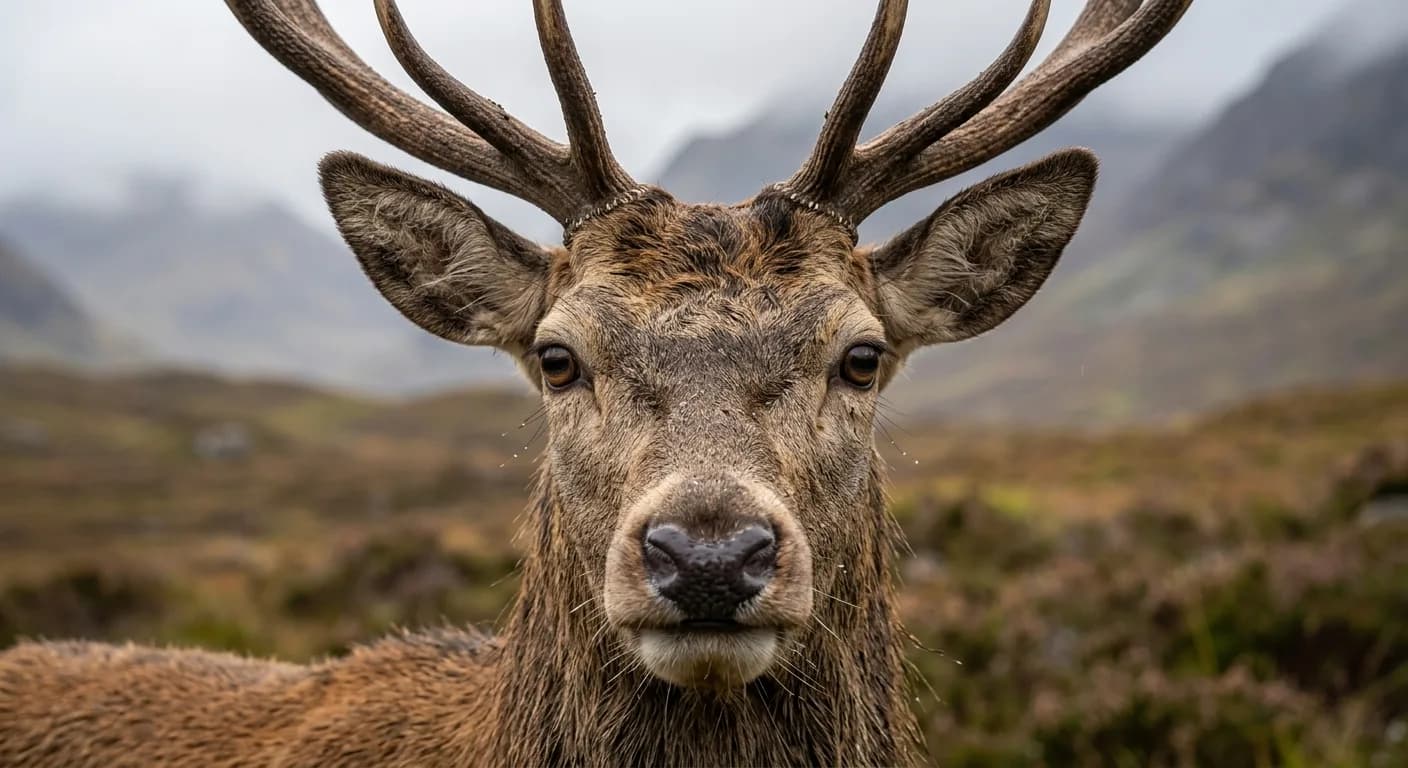
Red Deer
Cervus elaphus
Ahora es buena época: Berrea (celo) del ciervo rojo en Escocia (Septiembre a noviembre (pico finales sep-oct))
Least ConcernNorthern Gannet
Morus bassanus
Ahora es buena época: Colonia de alcatraces atlánticos en Bass Rock (Finales de febrero a octubre (pico jun-ago))
Similar parks
Which other parks are like this one?
Snowdonia (Eryri)
United Kingdom
Feral goat
Mayo a septiembre
View parkMismo país: United Kingdom
The Broads
United Kingdom
British Swallowtail Butterfly · Eurasian Bittern
Mayo a septiembre
View parkMismo país: United Kingdom
North York Moors
United Kingdom
Willow Ptarmigan · Golden Plover
Mayo a septiembre
View parkMismo país: United Kingdom
Keep exploring
Based on what we already know about St Kilda.
Your rating
How many stars would you give St Kilda?
Comments
Share your experience visiting St Kilda, or a tip for other travellers.
Be the first to comment.