Skip to content
WAnimals
  • Map
  • Species
  • Parks
  • Diving
Log inCreate account
WAnimals

The guide for travellers and animal lovers: discover, plan and share your wild adventures around the world.

Discover wildlife

  • Species
  • Ecosystems
  • Glossary
  • Tags

Explore places

  • Map
  • Countries
  • Parks
  • Diving

Plan experiences

  • Guides

Learn

  • Blog

Resources

  • Help centre
  • Contact
  • Install the app

Follow us

Account

  • Log in
  • Create account

© 2026 WAnimals. All rights reserved.

About usHow we build our profilesTerms of servicePrivacyLegal notice
MapSpeciesParksDiving
  1. Home
  2. Species
  3. Atlantic Bobtail Squid
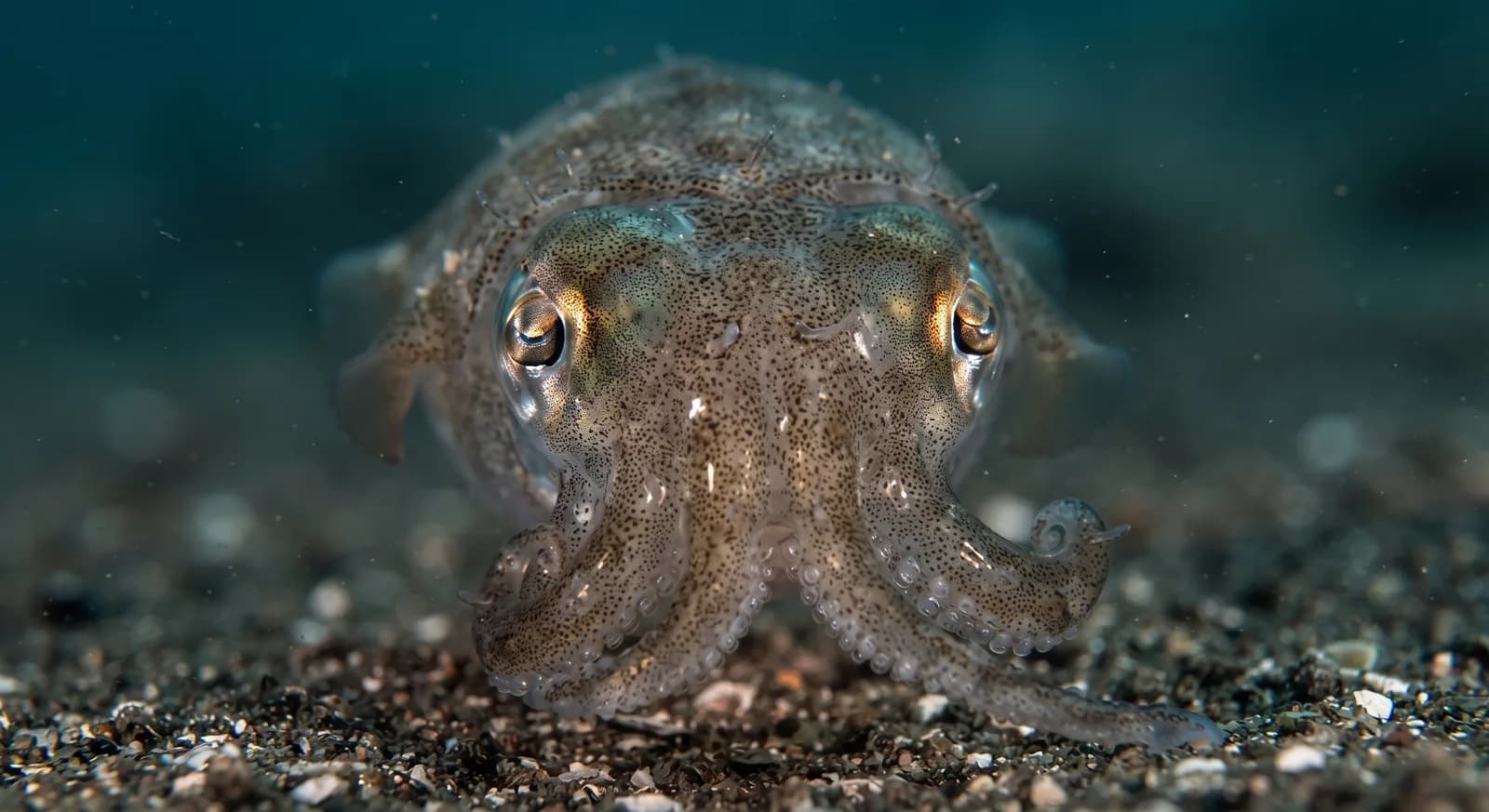
Atlantic Bobtail Squid (Sepiola atlantica)

Cephalopods · Sepiida · Sepiolidae

Atlantic Bobtail Squid

Sepiola atlantica

Not Evaluated

It has not yet been assessed against the IUCN criteria.

Spotted something wrong?

A tiny cephalopod with a rounded body and semicircular fins that lives on the sandy bottoms of the north-eastern Atlantic. It spends the day buried, coated in grains of sand that stick to a secretion of its skin, and comes out at night to hunt small crustaceans.

Size

2 cm – 6 cm

Life expectancy

1 year

Diet

Carnivore

Feeds mainly on other animals.
Activity

Nocturnal

Active mainly at night.

Social structure

Solitary

Lives and hunts alone, joining others only to breed.

Sighting difficulty

Unknown

Ocean
13countries29parks33dive sites1same family

AI-generated images: illustrations, not photographs.

Fun facts

  • It houses bioluminescent bacteria of the genus Vibrio in a light organ, with which it can match the moonlight coming from above and erase its own shadow from the predators below.
  • Each generation of bobtail squid is born free of bacteria and must capture its symbiotic bacteria from the seawater.
  • It is tiny, just a few centimetres long, and its rounded body with two lateral fins gives it a look quite unlike that of a common cuttlefish.
  • By day it buries itself in the sand, digging with jets of water, and lies covered with only its eyes showing.
  • Like its Hawaiian relative, it hosts symbiotic luminous bacteria in an organ of the mantle, which it uses for counter-illumination, erasing its silhouette from predators below.
  • It lacks the calcified internal shell of a cuttlefish: its cuttlebone is reduced or absent, a trait of the group.
  • It lives barely a year and dies after breeding, like almost all small cephalopods.
  • It is common along Europe's Atlantic coasts but goes completely unnoticed because of its size and its nocturnal habits.

Life cycle and biology

Skeleton type
Invertebrate - no rigid skeleton (mollusc)
Habitat and environment
Shallow sandy bottoms of the north-eastern Atlantic, from 0 to 100 m

Sources consulted: Marine Life Information Network; Jereb y Roper, FAO Cephalopods of the World; Lista Roja de la UICN

Where to find it

Loading map…

Where to see it

Parks and dive sites where this species has been documented — showing 20 of 62.

Related species

Other species in the catalogue with the most in common with Atlantic Bobtail Squid — same habitat, park, country, tags or family.

Shares a park
Shares a park
Shares a park
Shares a park
Shares a park
Shares a park

Keep exploring

Based on what we already know about atlantic bobtail squid.

Comments

Share an experience, a fun fact or a tip for seeing the atlantic bobtail squid.

Be the first to comment.

See full glossary
This page in other languages: Español · Deutsch · Français · Português · Italiano

The pins mark the parks and dive sites where its presence is documented.

See its range on the interactive map→
Doñana National ParkSpain
CalanquesFrance
Port-CrosFrance
Pembrokeshire CoastUnited Kingdom
NorthumberlandUnited Kingdom
Cabrera ArchipelagoSpain
Ebro DeltaSpain
Cíes IslandsSpain
Ria FormosaPortugal
KosterhavetSweden
Scapa FlowUnited Kingdom
Medes IslandsSpain
Cap de CreusSpain
Calanques of MarseilleFrance
Scandola Reserve (Corsica)France
Farne IslandsUnited Kingdom
Lofoten (orcas)Norway
SaltstraumenNorway
Columbretes IslandsSpain
Formentera (Es Freus)Spain
See all 29 parks
See all 33 dive sites
Near Threatened

Thornback Ray

Raja clavata

Near Threatened

Common Stingray

Dasyatis pastinaca

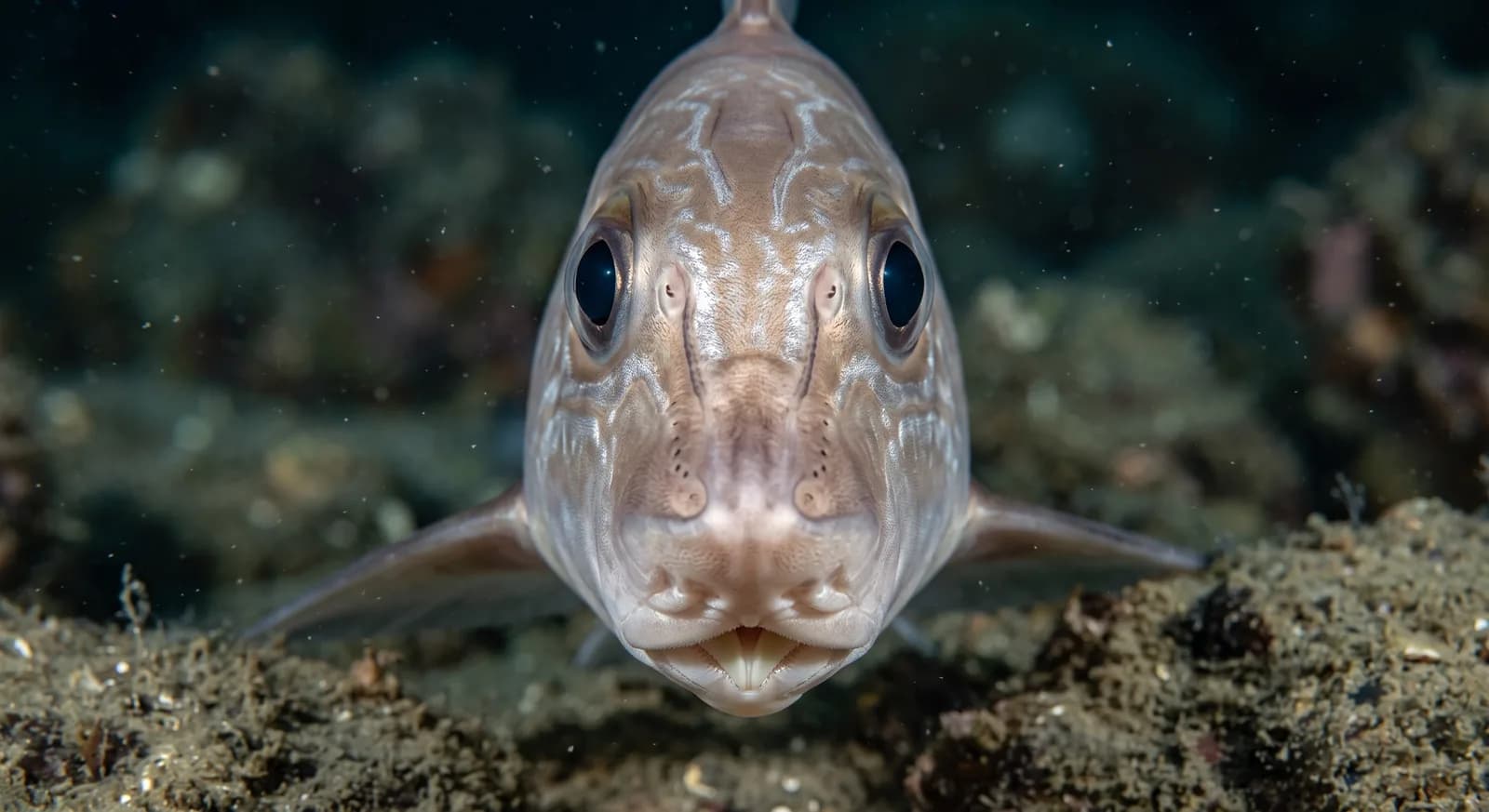
RabbitfishNear Threatened

Rabbitfish

Chimaera monstrosa

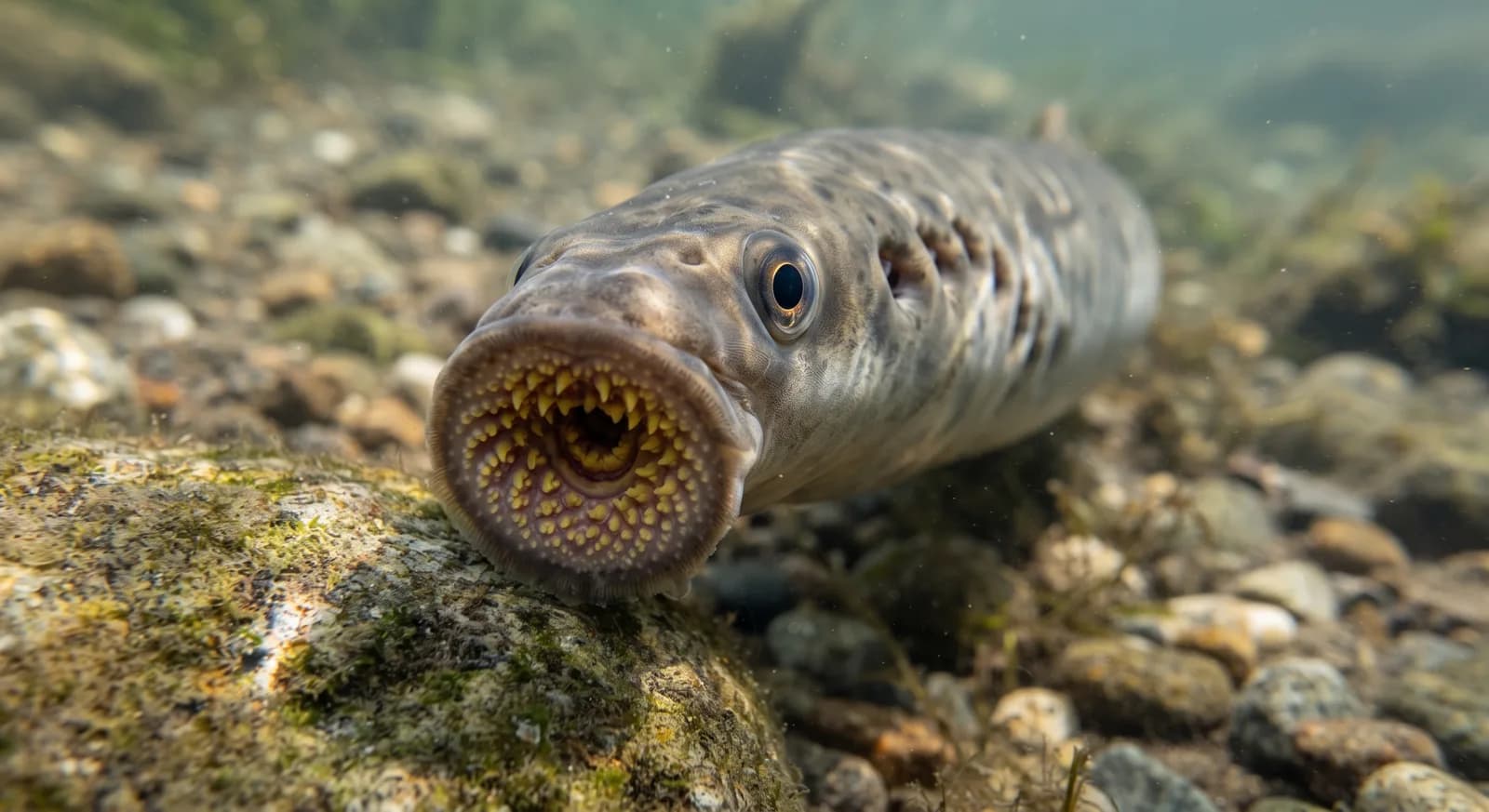
Sea LampreyLeast Concern

Sea Lamprey

Petromyzon marinus

Moray EelLeast Concern

Moray Eel

Muraena helena

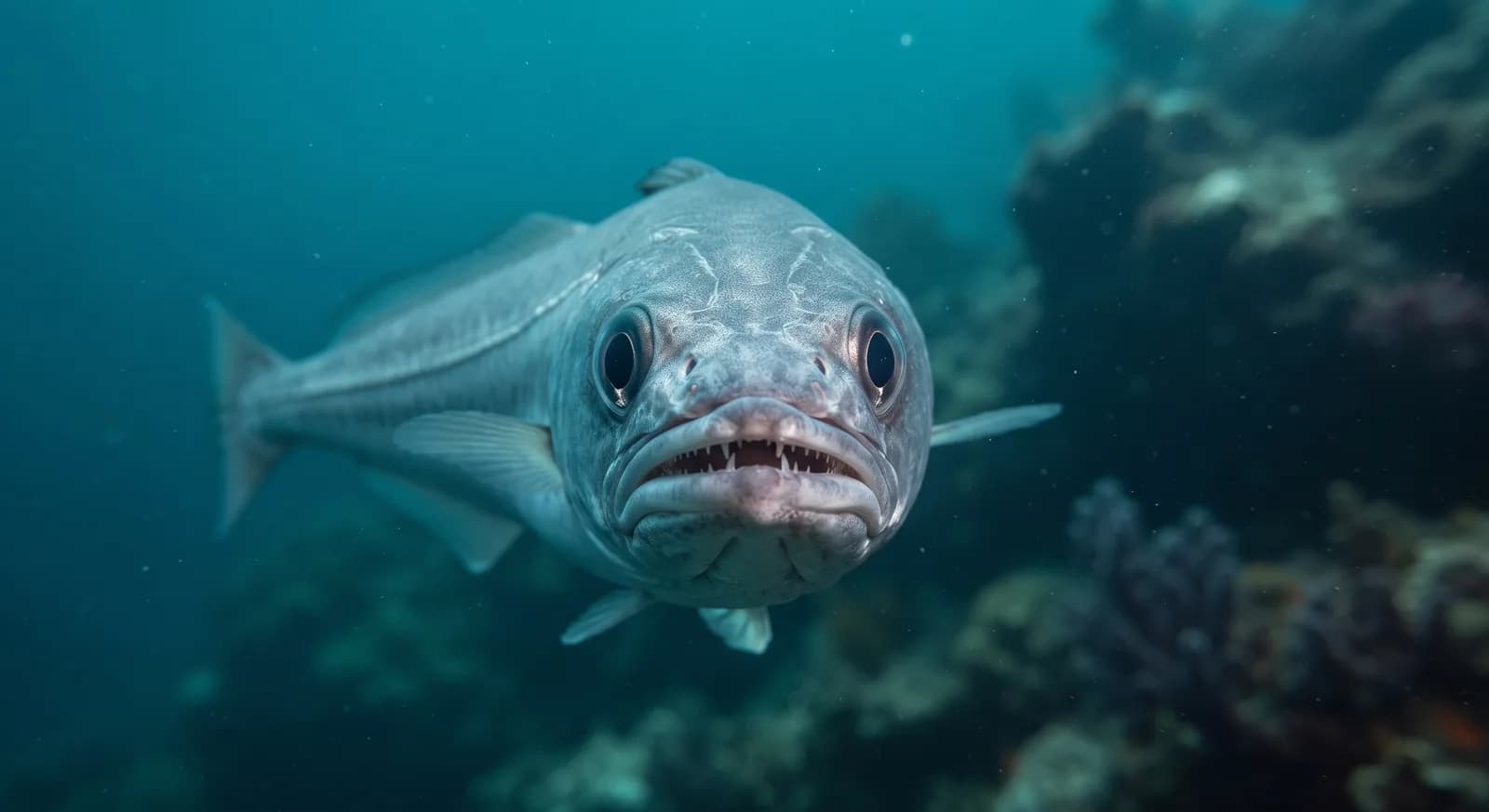
European HakeLeast Concern

European Hake

Merluccius merluccius

CountriesSpain
ParksDoñana National ParkSpain
TagsCarnivore
Carnivore
Nocturnal
Solitary
Ocean
Mollusc

Europe12

Africa1

Spain
United Kingdom
France
Portugal
Ireland
Norway
Belgium
Denmark
France
Germany
Iceland
Ireland
Netherlands
Norway
Portugal
Spain
Sweden
United Kingdom
Morocco