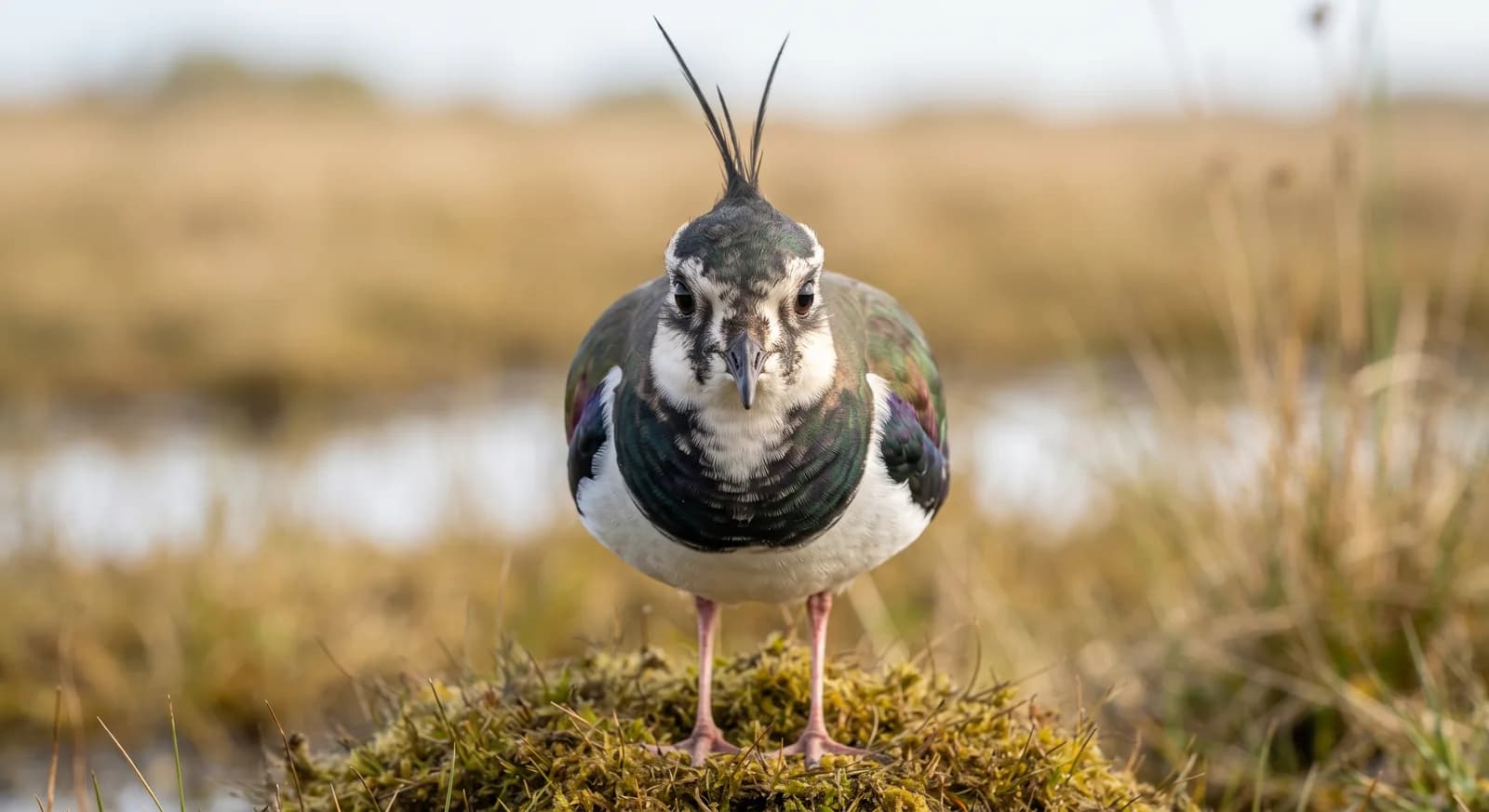
One of the 8 pelicans on WAnimals
Birds · Pelecaniformes · Pelecanidae
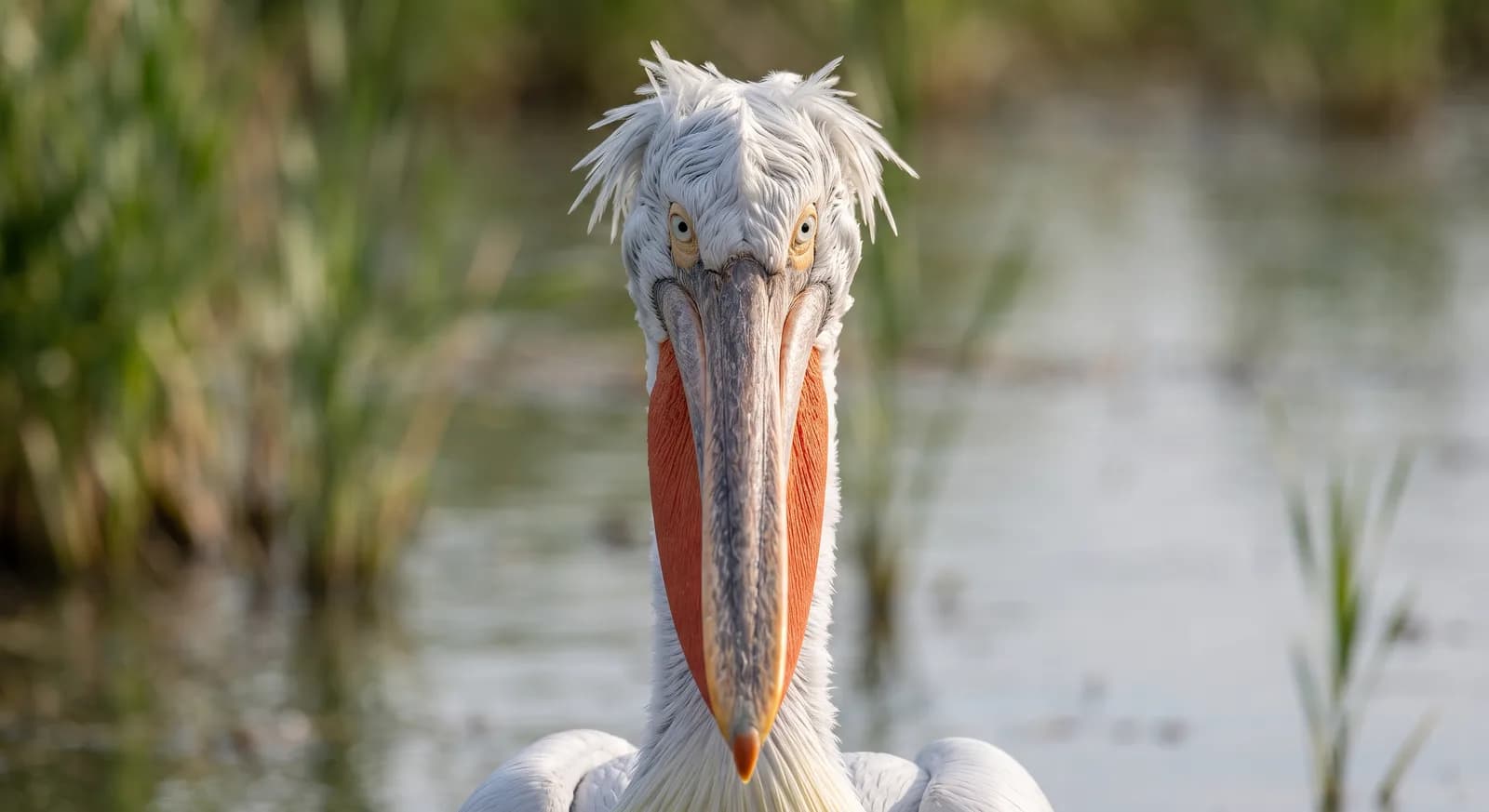
Pelecanus crispus
It could become threatened in the near future if current threats go unchecked.
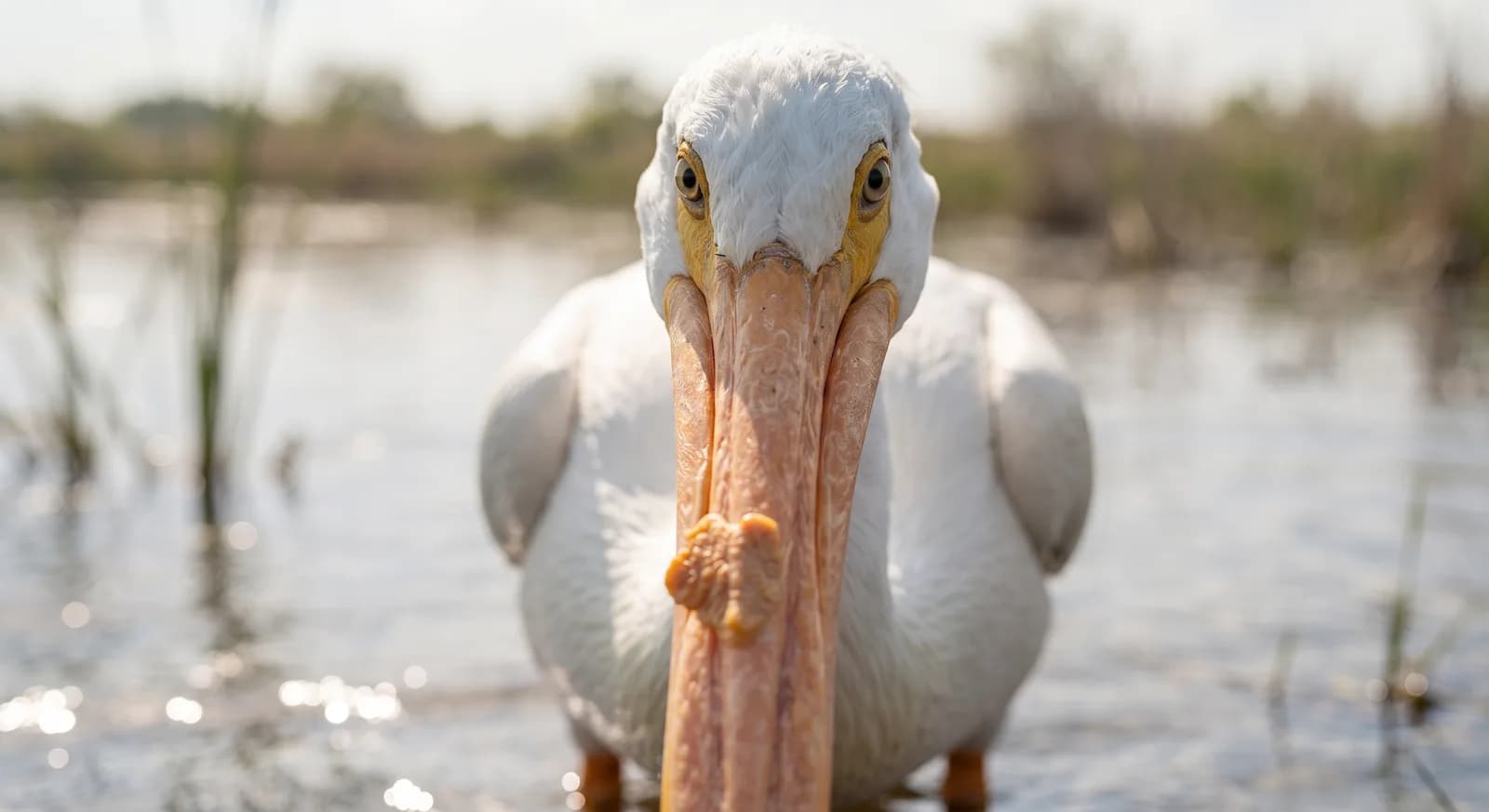
The largest of all the pelicans and one of the heaviest flying birds in the world. Silvery white plumage with dark wingtips, curled nape feathers that give it a shaggy look, grey legs and a gular pouch of intense orange in the breeding season that turns yellow for the rest of the year. The iris is pale and the bill clean, without spotting.
Weight
15 kg on average
Size
1.8 m on average
Diet
Piscivore
Feeds mainly on fish.
Activity
Diurnal
Active mainly during the day.
Social structure
Colony
Lives in large concentrations, often for breeding reasons.
Estimated population
11,400-13,400 mature individuals
AI-generated images: illustrations, not photographs.
Sources consulted: IUCN Red List · Animalia.bio (ficha con datos IUCN) · Wikipedia (Dalmatian pelican) · eBird · Johnsgard 1993 · Svensson 2023 · Bruch 1832
Best time: All year round on rivers, large wetlands and estuaries, often in big flocks
The pins mark the parks where its presence is documented.
Parks and dive sites where this species has been documented — showing 10 of 14.
Other species in the catalogue with the most in common with Dalmatian Pelican — same habitat, park, country, tags or family.
Based on what we already know about dalmatian pelican.