Skip to content
WAnimals
  • Map
  • Species
  • Parks
  • Diving
Log inCreate account
WAnimals

The guide for travellers and animal lovers: discover, plan and share your wild adventures around the world.

Discover wildlife

  • Species
  • Ecosystems
  • Glossary
  • Tags

Explore places

  • Map
  • Countries
  • Parks
  • Diving

Plan experiences

  • Guides

Learn

  • Blog

Resources

  • About us
  • How we build our profiles
  • Help centre
  • Contact
  • Install the app

Follow us

Account

  • Log in
  • Create account

© 2026 WAnimals. All rights reserved.

Terms of servicePrivacyCookiesLegal notice
MapSpeciesParksDiving
  1. Home
  2. Species
  3. Species groups
  4. Bee-eaters

Species group · Birds

Bee-eaters

WAnimals has 2 species of bee-eater, in the family Meropidae.

2 species
1 family
99 countries
60 parks
Weight
34 g – 80 g
Length
9.5 cm – 29 cm
Lifespan
5 years

Ranges calculated from the profiles that record the figure, not from all 2.

All 2 species of bee-eaters on WAnimals

Each one has its own full profile. This group does not replace them: it brings them together.
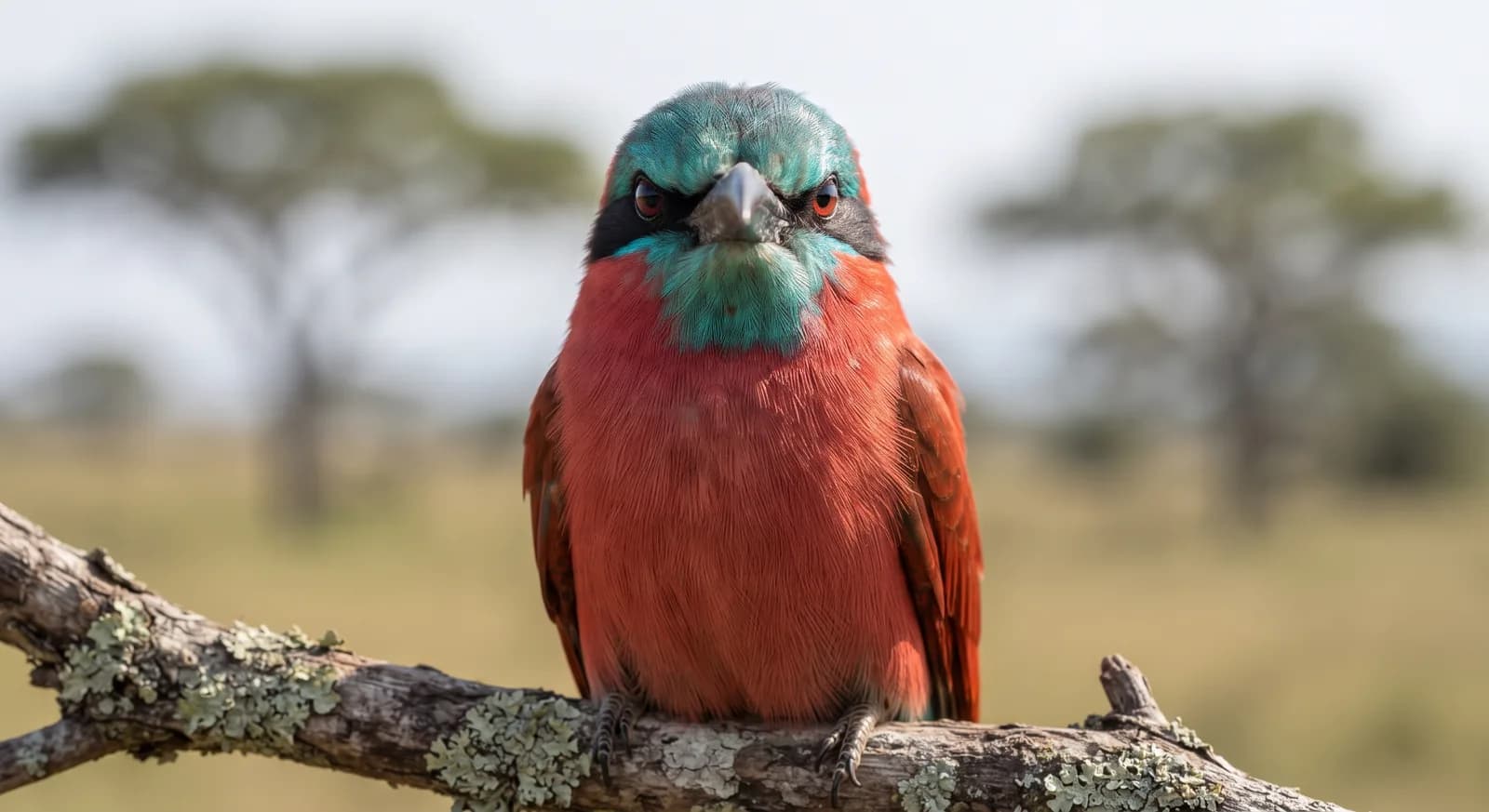
Northern Carmine Bee-eaterLeast Concern

Northern Carmine Bee-eater

Merops nubicus

43 countries5 parks
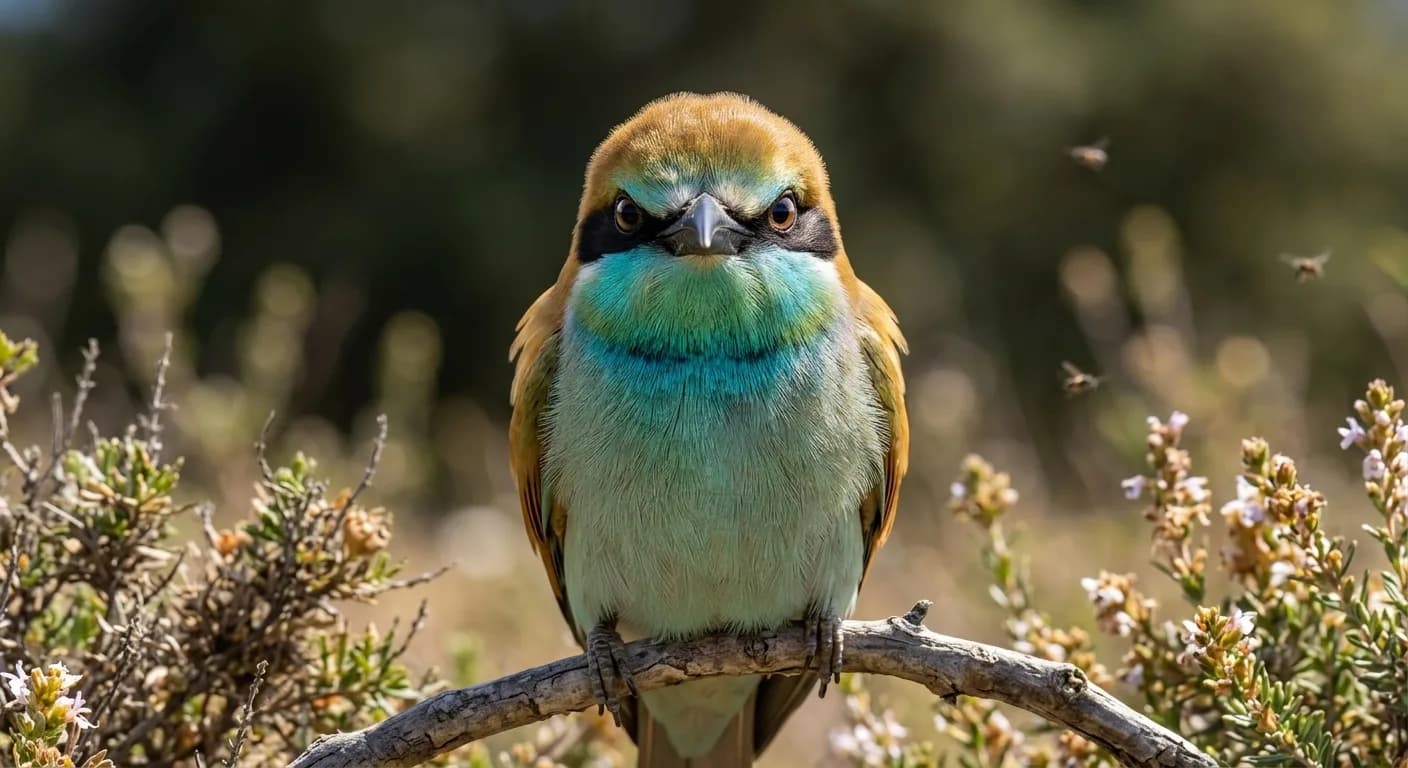
European Bee-eaterLeast Concern

European Bee-eater

Merops apiaster

99 countries55 parks

Conservation status

2 Least Concern

No species documented in this group is genuinely at risk according to the IUCN, with the data available today.

Where they live

Recorded in 99 countries. The ones with the most species in the group:

  • Angola2
  • Benin2
  • Botswana2
  • Burkina Faso2
  • Burundi2
  • Cameroon2
  • Central African Republic2
  • Chad2
  • Côte d’Ivoire2
  • Democratic Republic of the Congo2
  • Djibouti2
  • Equatorial Guinea2
  • Eritrea2
  • Eswatini2
  • Ethiopia2
  • Gabon2
  • Gambia2
  • Ghana2
  • Guinea2
  • Guinea-Bissau2
  • Kenya2
  • Lesotho2
  • Liberia2
  • Malawi2

Where to see them

  • Albufera de Valencia1 species
  • Alta Murgia1 species
  • Arrábida1 species
  • Bardenas Reales1 species
  • Beydağları1 species
  • Butrint1 species
  • Cabañeros1 species
  • Cabo de Gata-Níjar1 species
  • Calanques1 species
  • Camargue1 species
  • Chobe1 species
  • Cilento e Vallo di Diano1 species

Did you know…?

  • It nests in colonies of thousands of burrows and hunts insects from the backs of ostriches and antelopes.

    From Northern Carmine Bee-eater

  • It comes to bush fires and hunts the fleeing insects alongside the flames; in the Manding languages it is called "the cousin of fire".

    From Northern Carmine Bee-eater

  • It nests in extremely dense colonies of between 100 and 1,000 nests, and exceptionally up to 10,000, averaging some 60 holes per square metre.

    From Northern Carmine Bee-eater

  • It catches bees and wasps in flight, and has techniques for removing the sting before swallowing them.

    From European Bee-eater

  • It breeds cooperatively, a behaviour that is uncommon among birds.

    From European Bee-eater

  • It winters in sub-Saharan Africa.

    From European Bee-eater

Ecosystems

  • Savanna2
  • Ocean1
  • Temperate forest1

See every species group · Explore the species one by one

This page in other languages: Español · Deutsch · Français · Português · Italiano