Skip to content
WAnimals
  • Map
  • Species
  • Parks
  • Diving
Log inCreate account
WAnimals

The guide for travellers and animal lovers: discover, plan and share your wild adventures around the world.

Discover wildlife

  • Species
  • Ecosystems
  • Glossary
  • Tags

Explore places

  • Map
  • Countries
  • Parks
  • Diving

Plan experiences

  • Guides

Learn

  • Blog

Resources

  • About us
  • How we build our profiles
  • Help centre
  • Contact
  • Install the app

Follow us

Account

  • Log in
  • Create account

© 2026 WAnimals. All rights reserved.

Terms of servicePrivacyCookiesLegal notice
MapSpeciesParksDiving
  1. Home
  2. Species
  3. Species groups
  4. Civets

Species group · Mammals

Civets

WAnimals has 2 species of civet, in the family Viverridae.

2 species
1 family
63 countries
71 parks
Weight
2 kg – 20 kg
Length
48.5 cm – 84 cm
Lifespan
11 – 15 years

Ranges calculated from the profiles that record the figure, not from all 2.

All 2 species of civets on WAnimals

Each one has its own full profile. This group does not replace them: it brings them together.
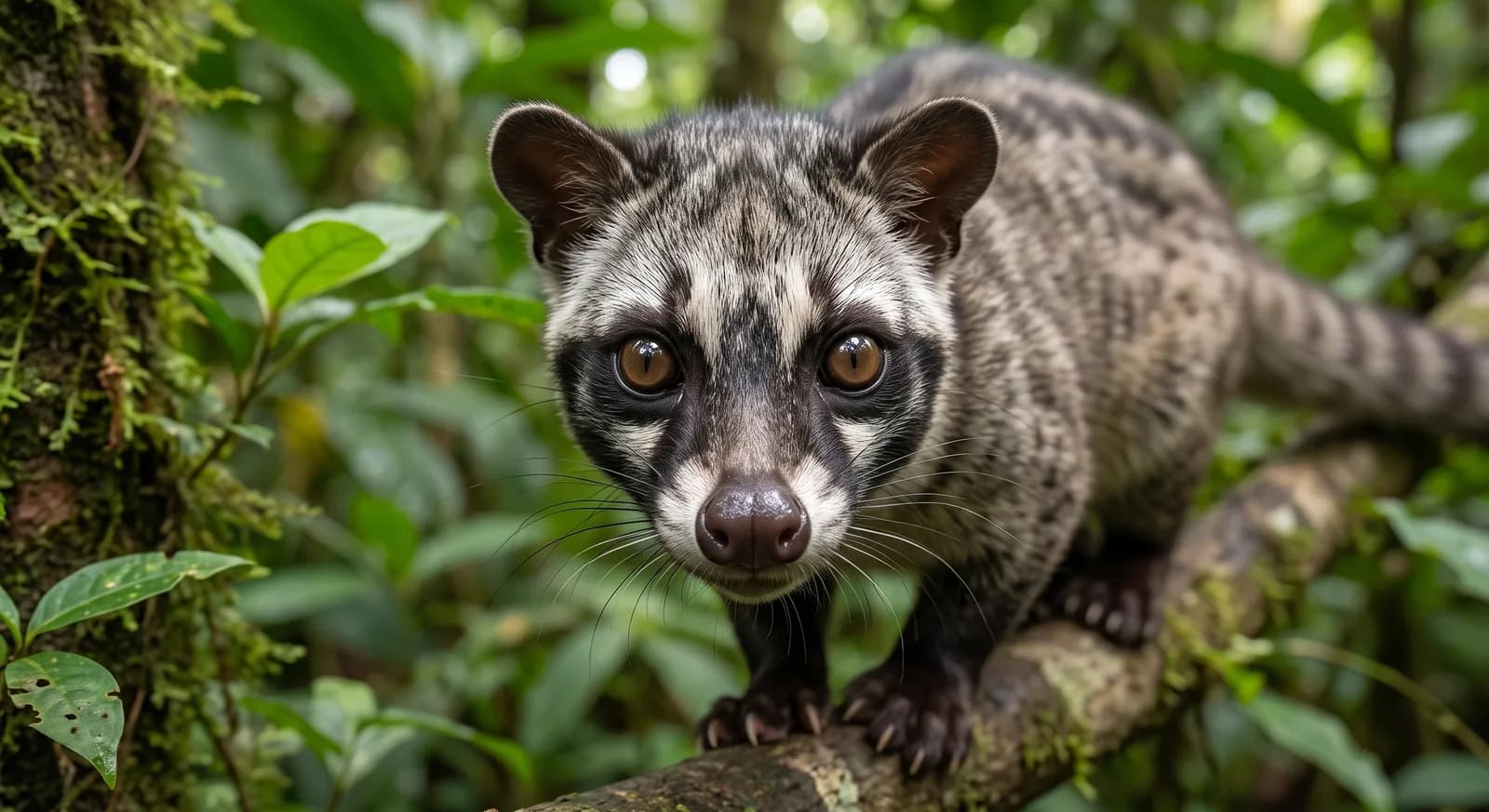
Common Palm CivetLeast Concern

Common Palm Civet

Paradoxurus hermaphroditus

40 countries35 parks
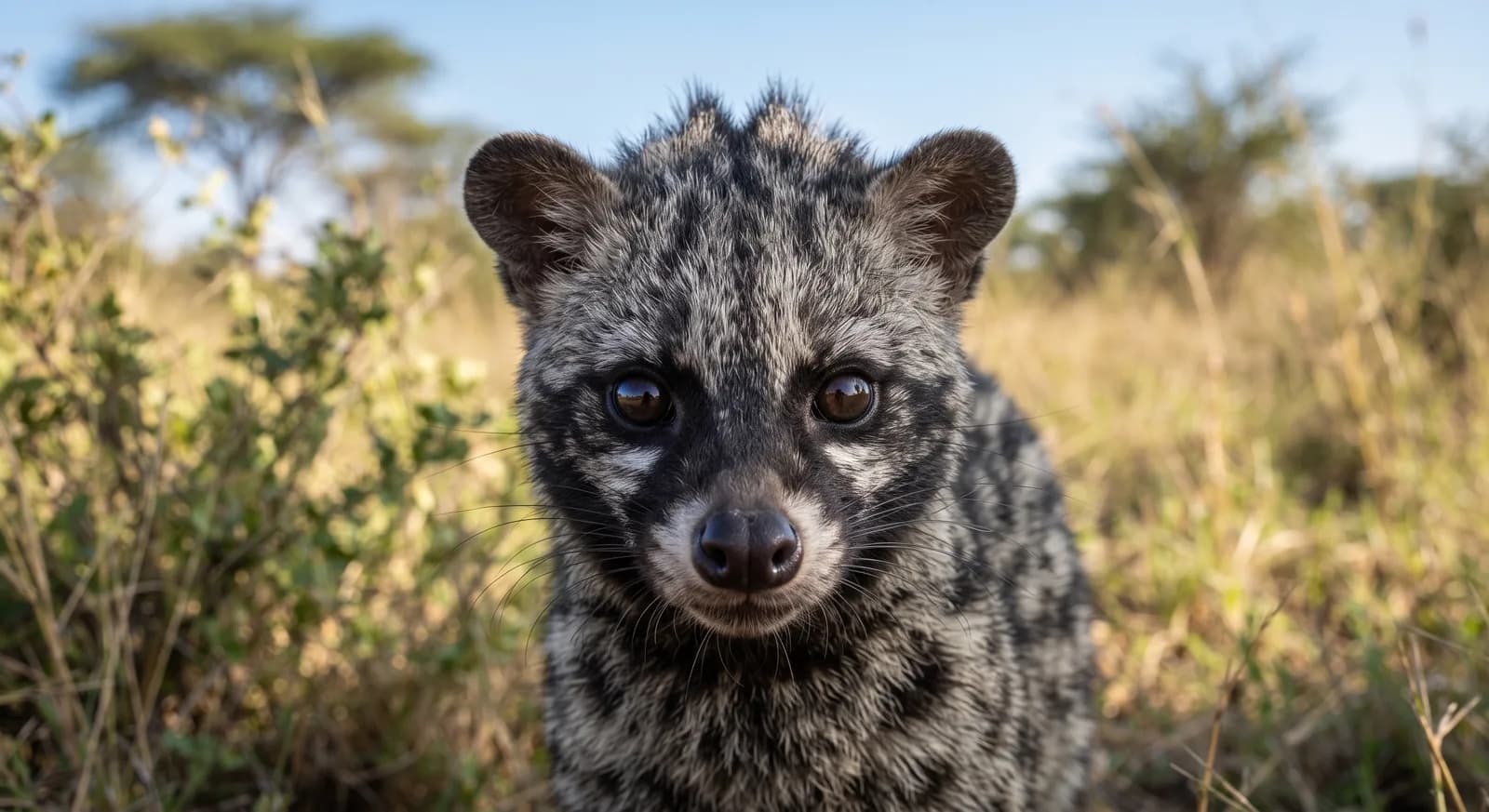
African CivetLeast Concern

African Civet

Civettictis civetta

44 countries36 parks

Conservation status

2 Least Concern

No species documented in this group is genuinely at risk according to the IUCN, with the data available today.

Where they live

Recorded in 63 countries. The ones with the most species in the group:

  • Angola2
  • Benin2
  • Burundi2
  • Cameroon2
  • Central African Republic2
  • Côte d’Ivoire2
  • Democratic Republic of the Congo2
  • Equatorial Guinea2
  • Gabon2
  • Gambia2
  • Ghana2
  • Guinea2
  • Guinea-Bissau2
  • Liberia2
  • Nigeria2
  • Republic of the Congo2
  • Rwanda2
  • Sierra Leone2
  • South Sudan2
  • Togo2
  • Uganda2
  • Bangladesh1
  • Bhutan1
  • Botswana1

Where to see them

  • Akagera1 species
  • Alaungdaw Kathapa1 species
  • Bako1 species
  • Bali Barat1 species
  • Bandhavgarh1 species
  • Bandipur1 species
  • Bardiya1 species
  • Bwindi1 species
  • Cat Tien1 species
  • Chitwan National Park1 species
  • Chobe1 species
  • Comoe1 species

Did you know…?

  • That process has led to civet farms kept in conditions often criticised on welfare grounds.

    From Common Palm Civet

  • It eats fruit, coffee cherries included, along with small vertebrates and invertebrates.

    From Common Palm Civet

  • It lives in forest and palm plantations of South and South-East Asia.

    From Common Palm Civet

  • It is the largest civet in Africa.

    From African Civet

  • It eats small vertebrates, insects, carrion, eggs and fruit.

    From African Civet

  • It lives in savannah and woodland across much of sub-Saharan Africa, near permanent water.

    From African Civet

Ecosystems

  • Rainforest1
  • Savanna1

See every species group · Explore the species one by one

This page in other languages: Español · Deutsch · Français · Português · Italiano