 Critically Endangered
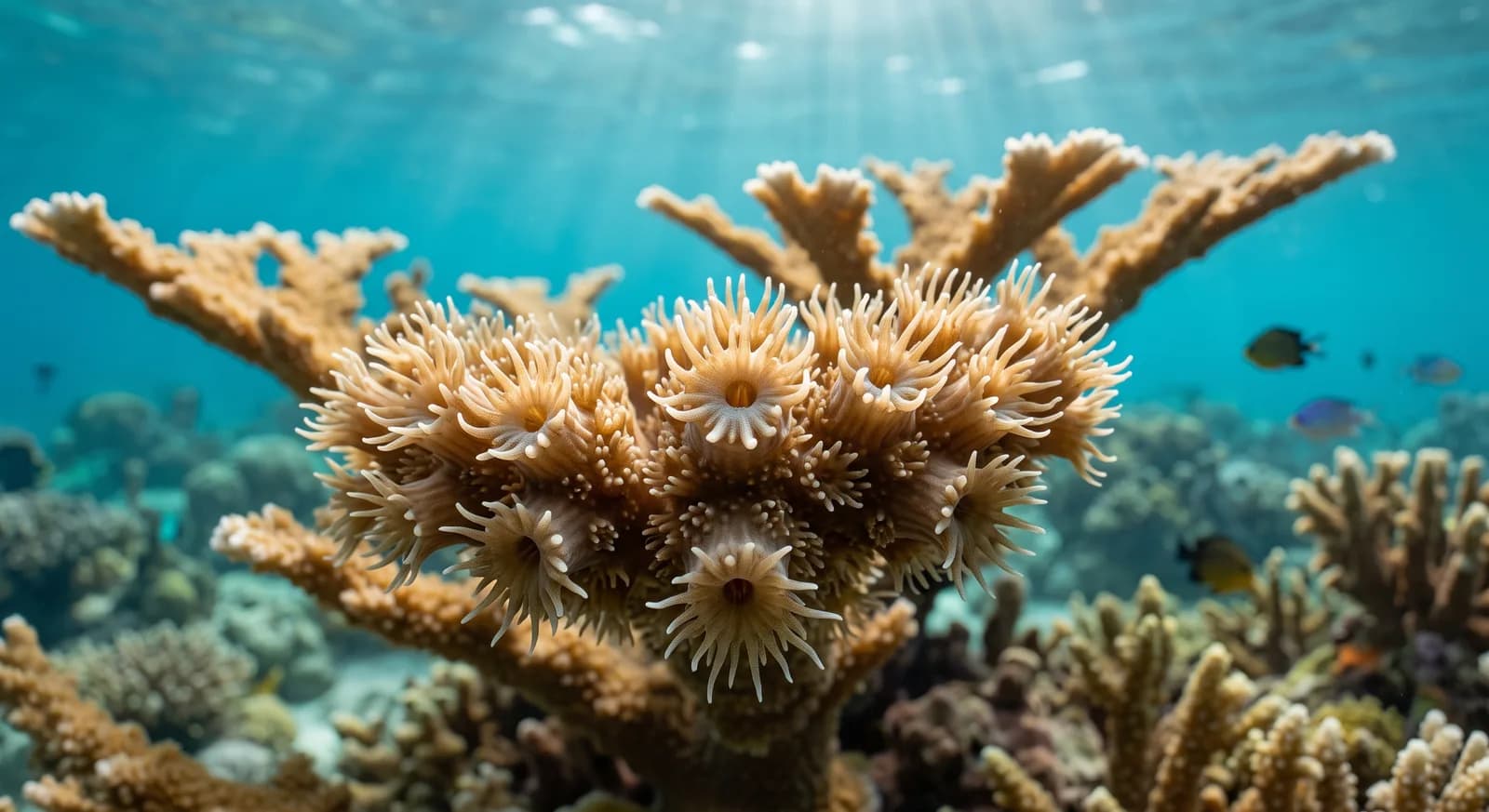
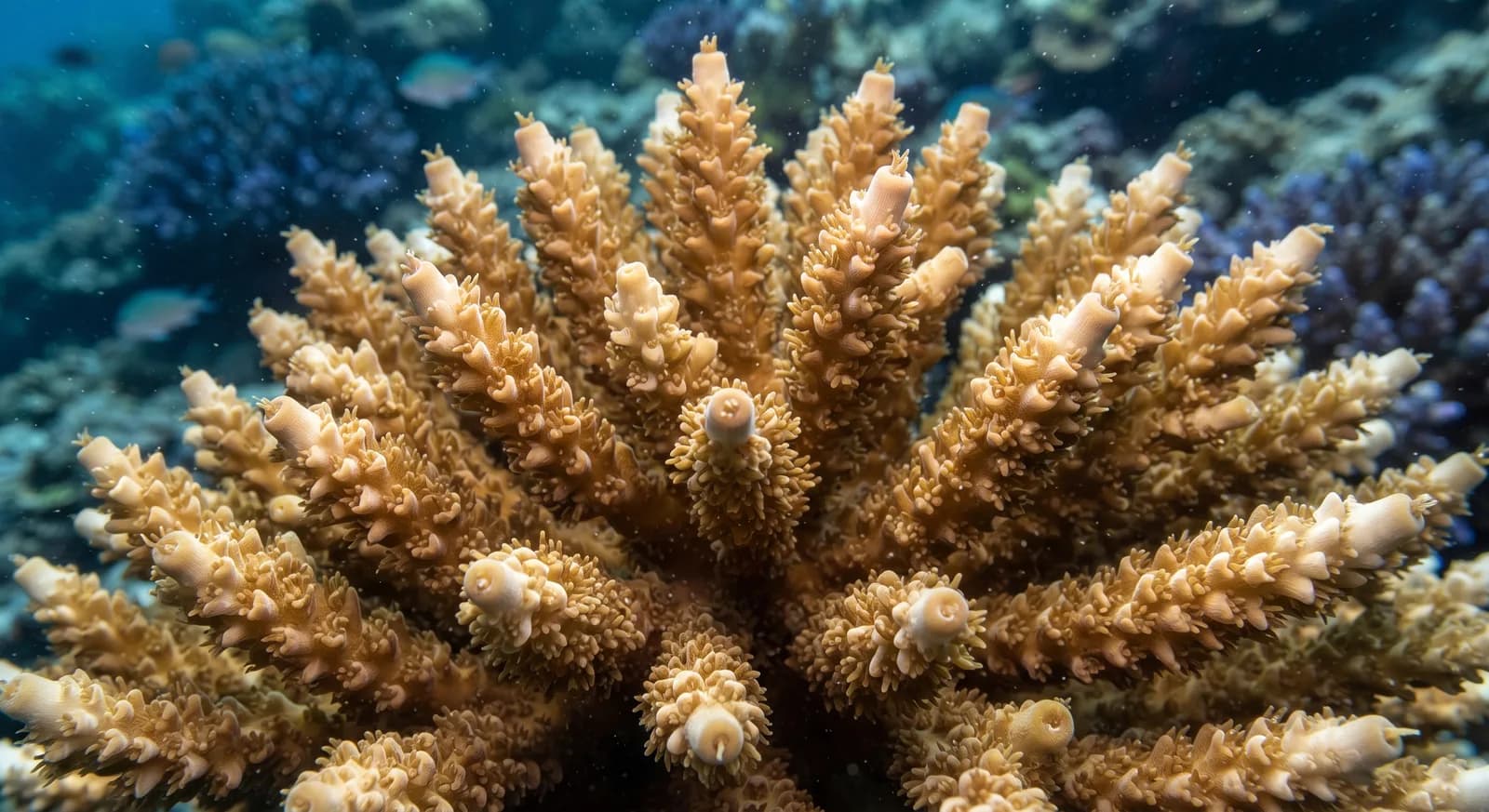
Staghorn Coral
Acropora cervicornis
94 countries18 parks82 dive sites
Species group · Anthozoans
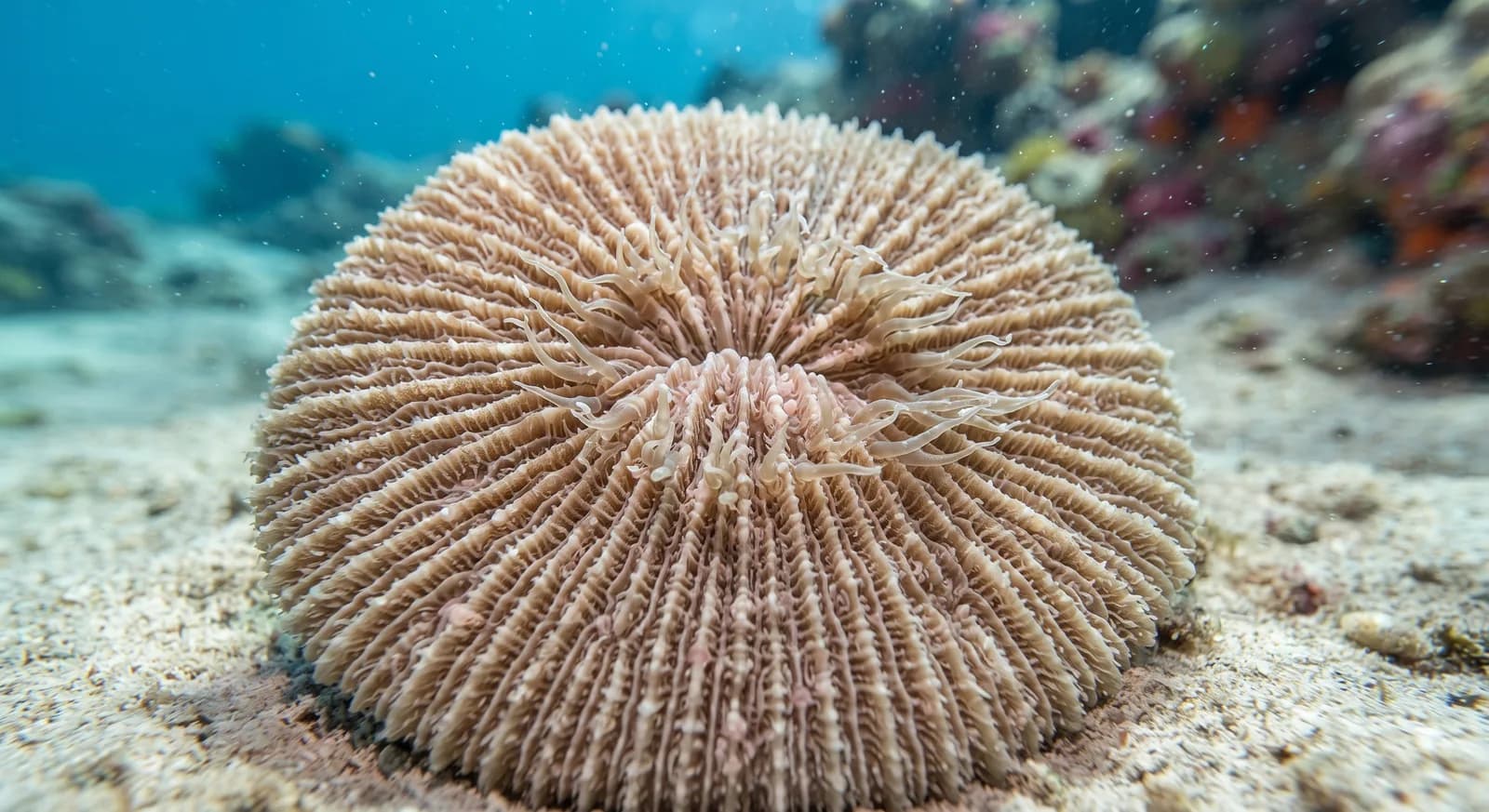
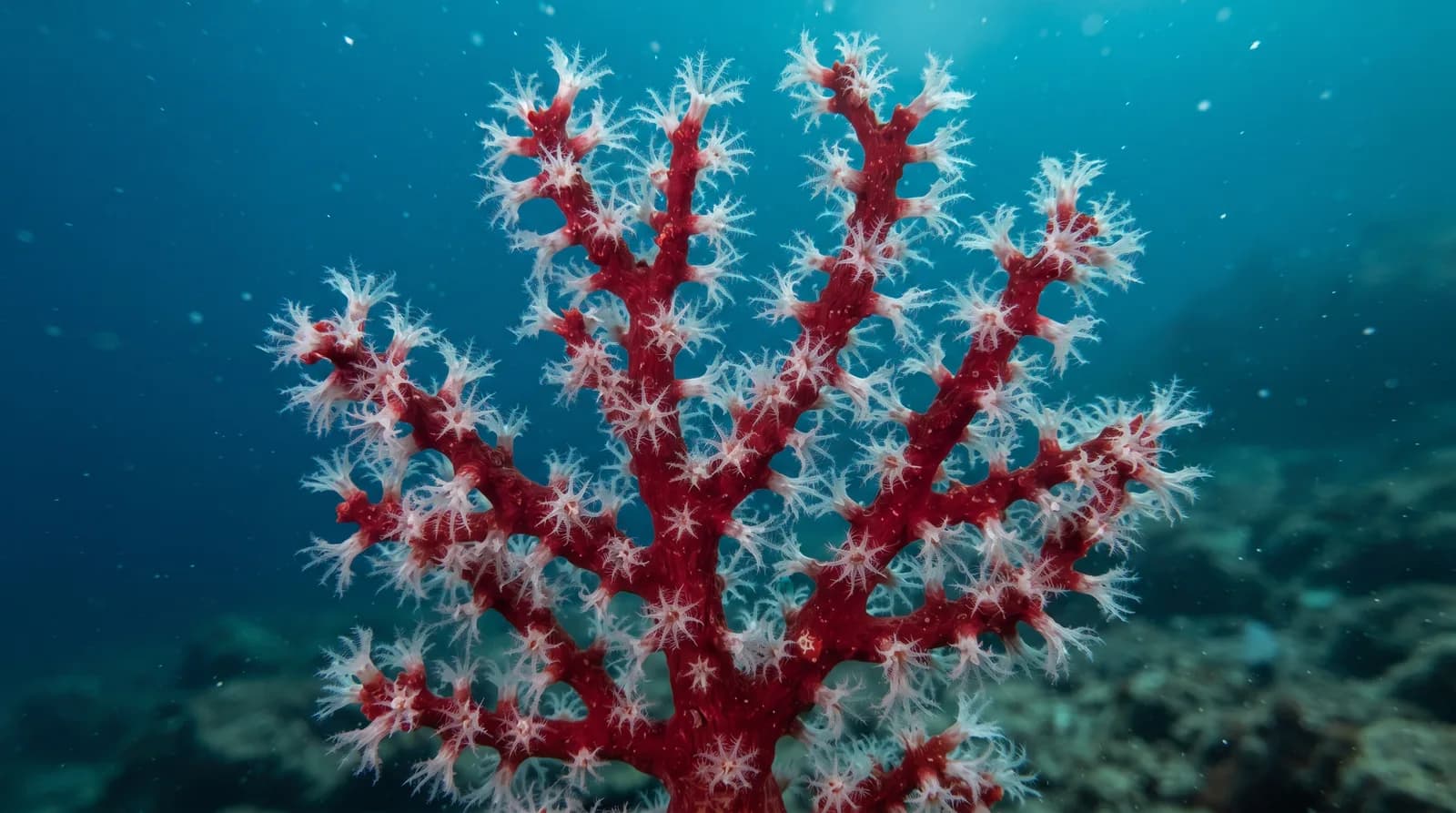
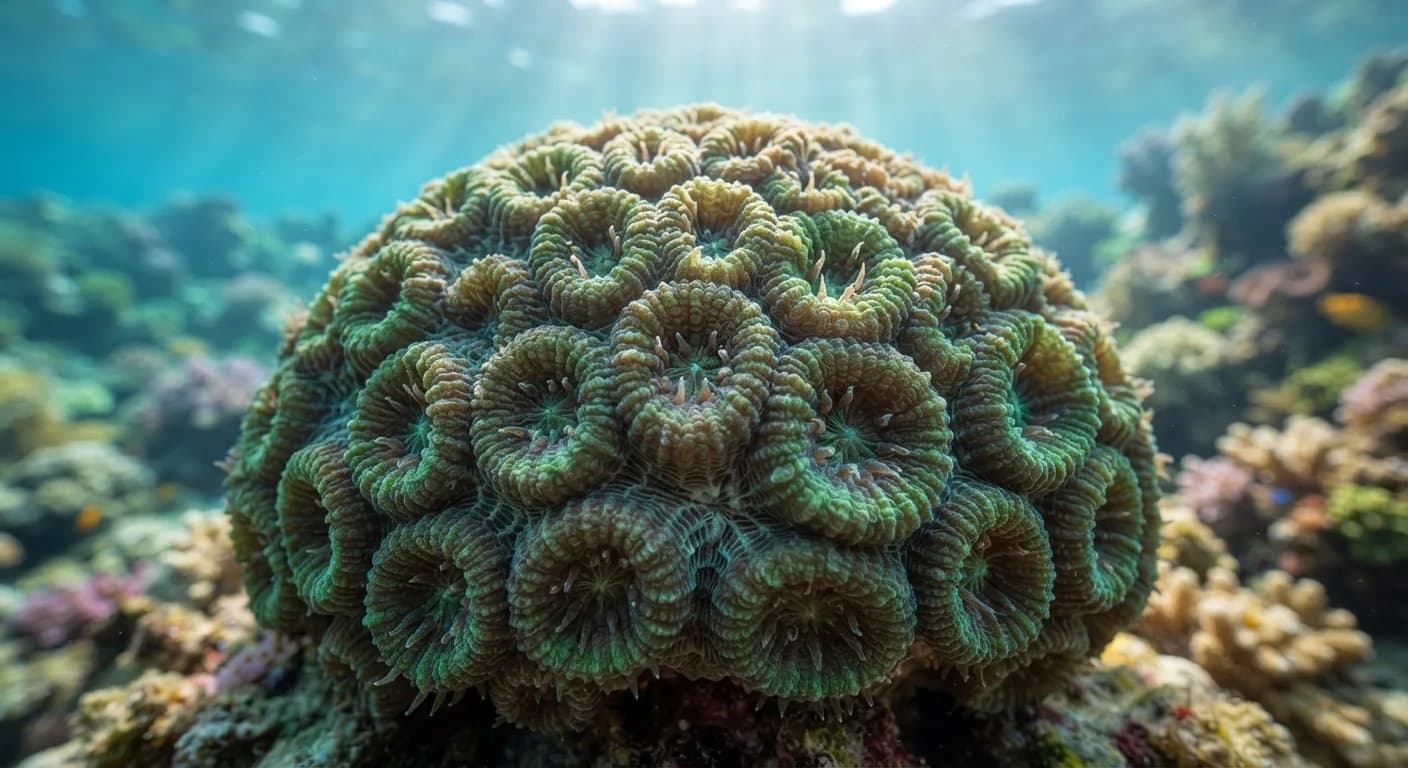
WAnimals has 9 species of coral, spread across 7 families (Acroporidae, Antipathidae, Coralliidae, Faviidae, Fungiidae, Poritidae, Tubiporidae).
Each one has its own full profile. This group does not replace them: it brings them together.
4 species in this group are in a threatened category according to the IUCN.
Recorded in 126 countries. The ones with the most species in the group:
It is a key reef-building species that breeds by releasing eggs and sperm together on a single night of the year, timed to the phases of the moon.
From
It is the fastest-growing coral in the western Atlantic: its branches lengthen by 10 to 20 cm a year.
From
It reproduces mainly asexually: branches that break off and reattach start new colonies, which allows a quick recovery from a storm but not from disease.
From
Its population has fallen by roughly 97% since 1980 because of disease, bleaching and climate change.
From
It can breed sexually, releasing gametes in a synchronised spawning, and asexually, through broken branches that grow into genetically identical new colonies.
From
Individual polyps live only 2 to 3 years, but whole colonies can persist for centuries.
From
It eats zooplankton and bacteria, supplemented with nutrients from symbiotic zooxanthellae.
From
A colony takes some 250 years to reach a metre across.
·
Ranges calculated from the profiles that record the figure, not from all 9.
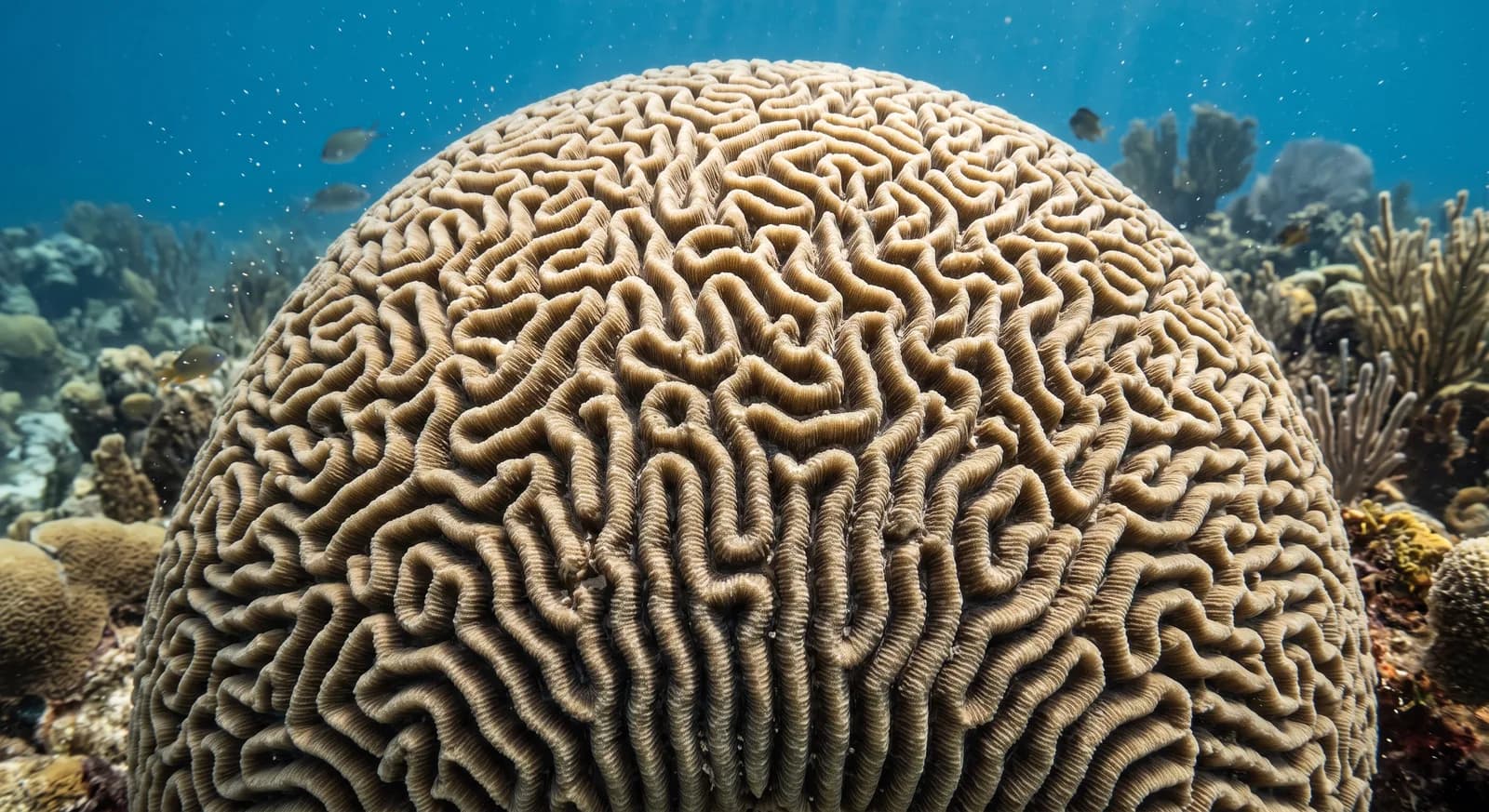
From Grooved Brain Coral