Species group · Mammals
Rhinoceroses
WAnimals has 5 species of rhinoceros, in the family Rhinocerotidae.
- 5 species
- 1 family
- 52 countries
- 28 parks
- Weight
- 500 kg – 3 t
- Length
- 1.3 m – 4.2 m
- Lifespan
- 35 – 45 years
Ranges calculated from the profiles that record the figure, not from all 5.
All 5 species of rhinoceroses on WAnimals
Each one has its own full profile. This group does not replace them: it brings them together.
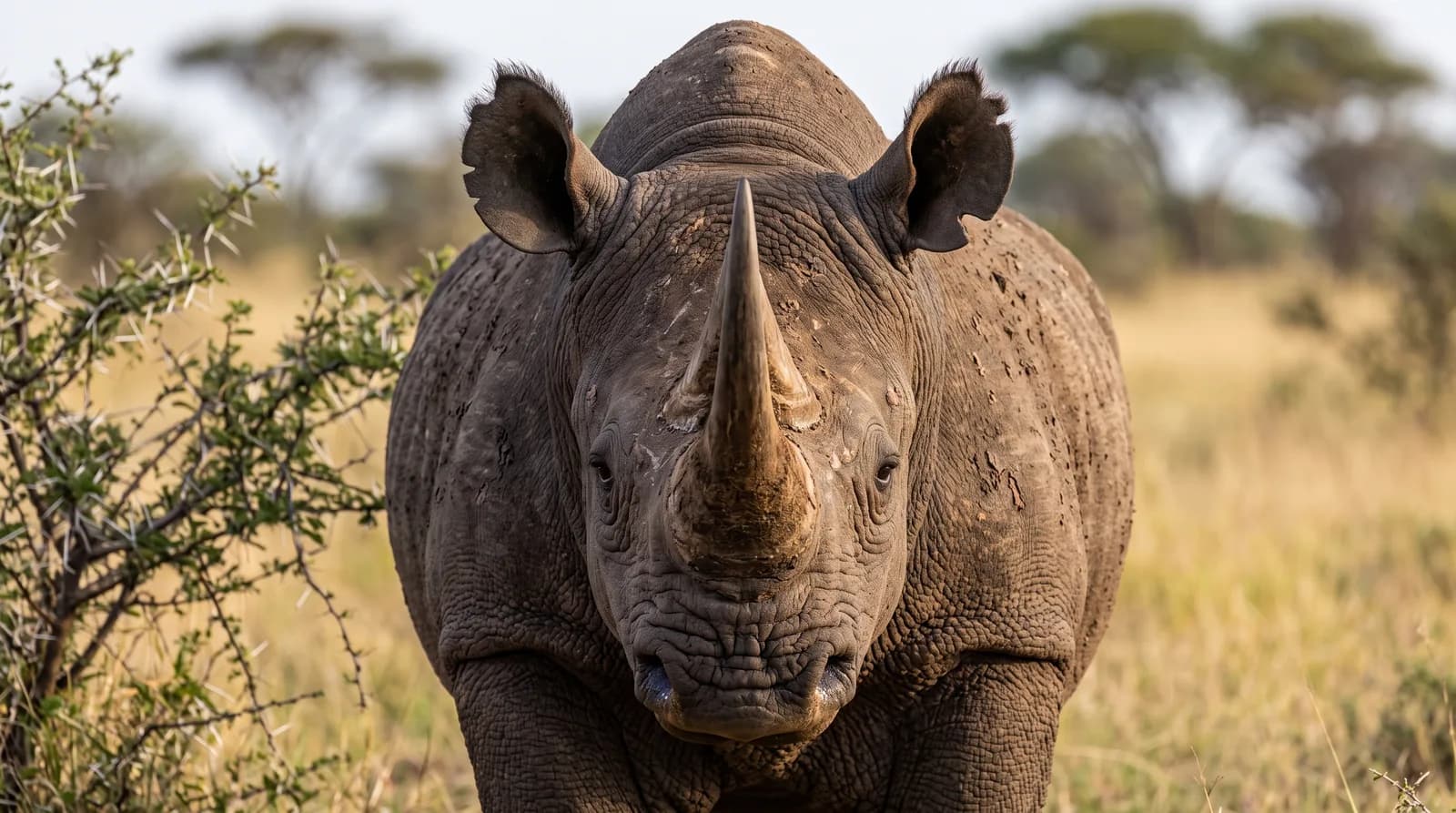 Critically Endangered
Black Rhinoceros
Diceros bicornis
43 countries18 parks
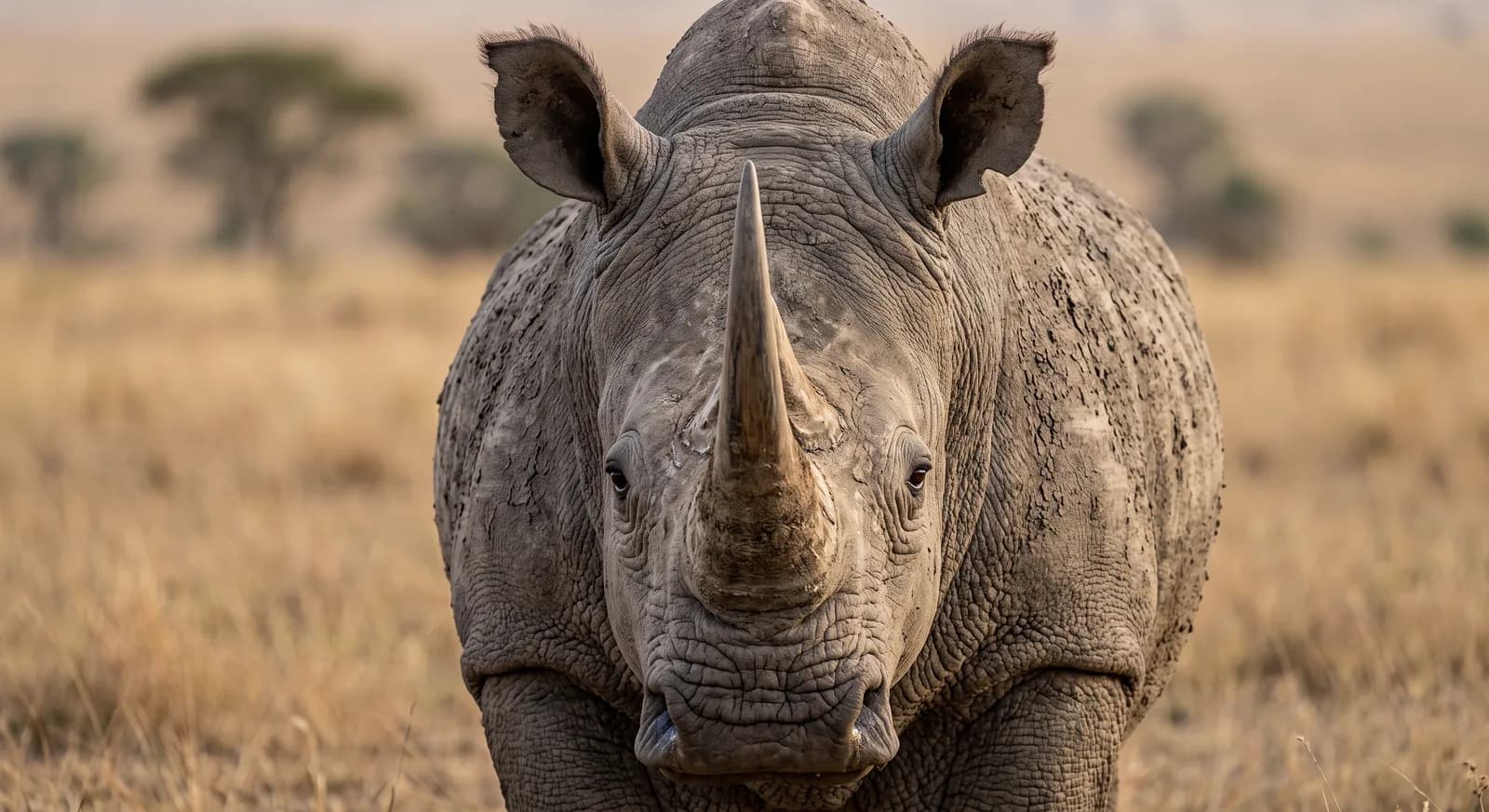 Near Threatened
White Rhinoceros
Ceratotherium simum
43 countries8 parks
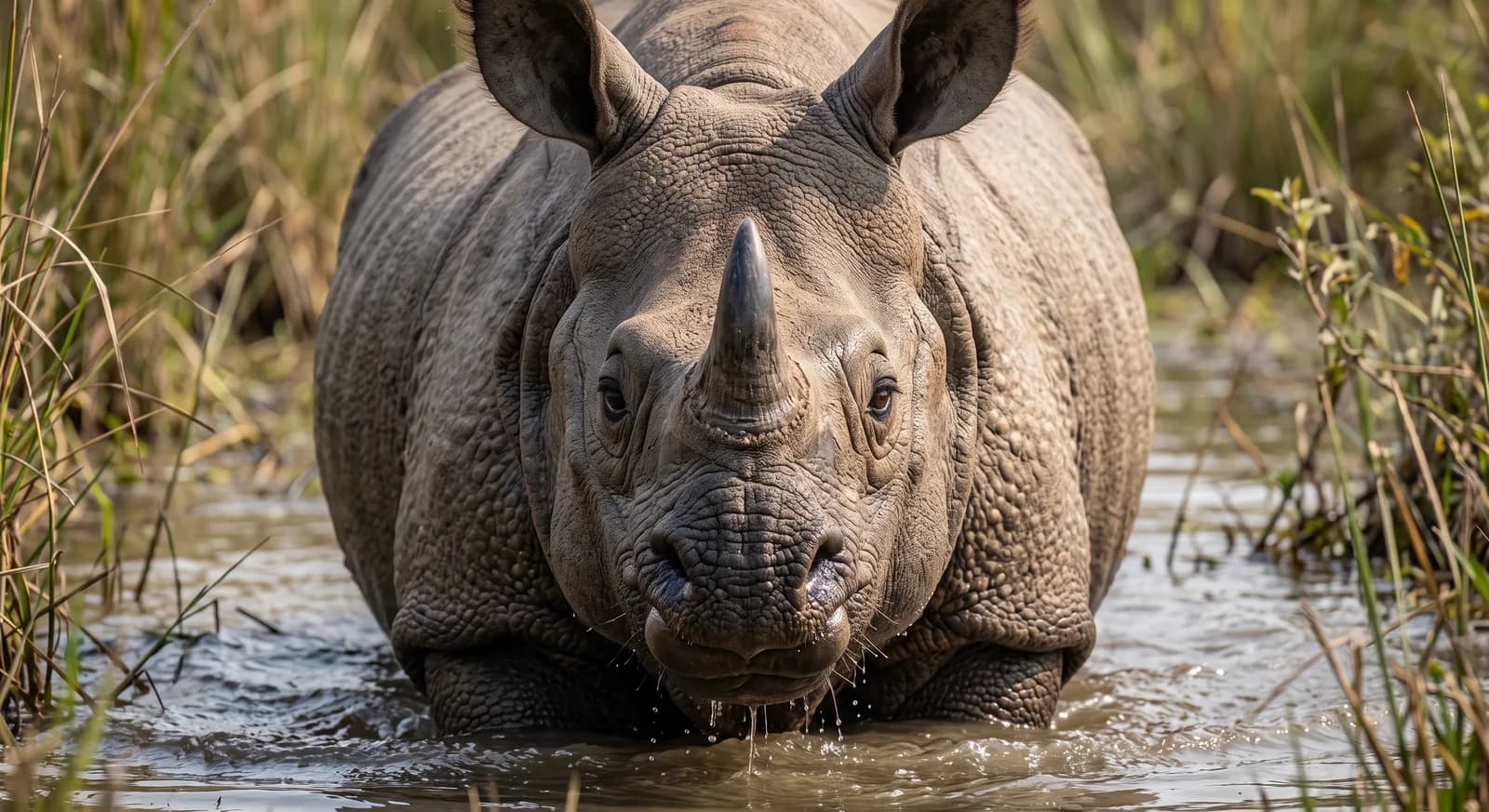 Vulnerable
Greater One-horned Rhino
Rhinoceros unicornis
7 countries5 parks
 Critically Endangered
Sumatran Rhinoceros
Dicerorhinus sumatrensis
3 countries4 parks
Critically Endangered
Javan Rhinoceros
Rhinoceros sondaicus
1 country1 park
Conservation status
3 Critically Endangered1 Near Threatened1 Vulnerable
4 species in this group are in a threatened category according to the IUCN.
Where they live
Recorded in 52 countries. The ones with the most species in the group:
Where to see them
Did you know…?
Its name says nothing about its colour: it is the same shade of grey as the white rhinoceros.
From Black Rhinoceros
It uses its prehensile upper lip to strip leaves, twigs and woody shrubs.
From Black Rhinoceros
Its horn, made of keratin, is prized by the illegal trade — the main threat to its survival.
From Black Rhinoceros
Its horn is made of keratin, the same protein as human fingernails.
From White Rhinoceros
It is more sociable than the black rhinoceros, and lives in small family groups.
From White Rhinoceros
Poaching for its horn remains its greatest threat.
From White Rhinoceros
Unlike other rhinos, the folds of its skin form plates that give it the look of articulated armour.
It feeds on grasses, leaves, twigs, fruit and water plants.