 Not Evaluated
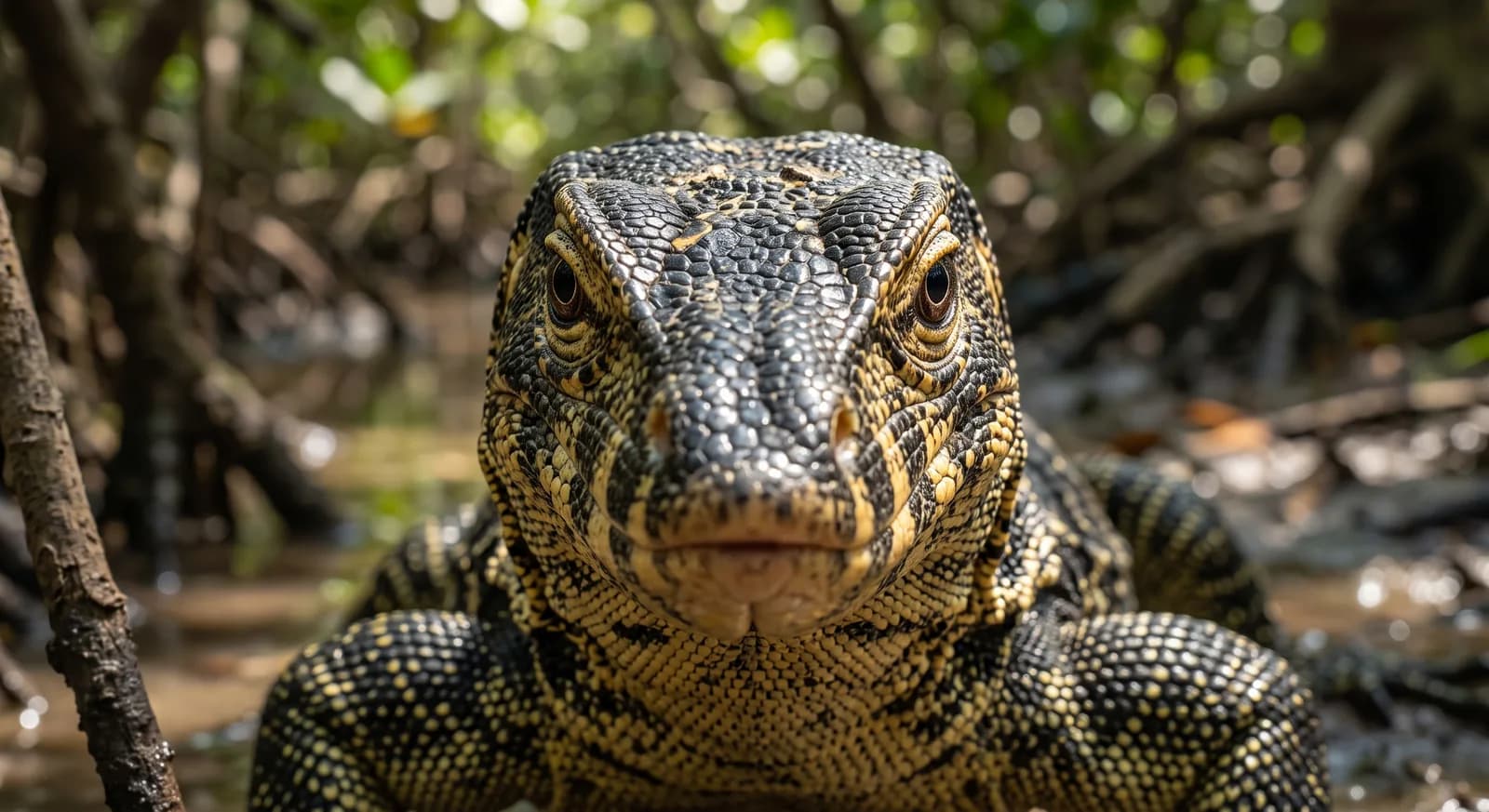
Common Water Monitor
Varanus salvator
20 countries72 parks44 dive sites
Species group · Reptiles
WAnimals has 6 species of monitor, in the family Varanidae.
Each one has its own full profile. This group does not replace them: it brings them together.
No species documented in this group is genuinely at risk according to the IUCN, with the data available today.
Recorded in 89 countries. The ones with the most species in the group:
It is the second heaviest lizard in the world after the Komodo dragon.
From
It is very tolerant of people, and common in canals and city parks.
From
Its skin is widely traded for the fashion industry.
From
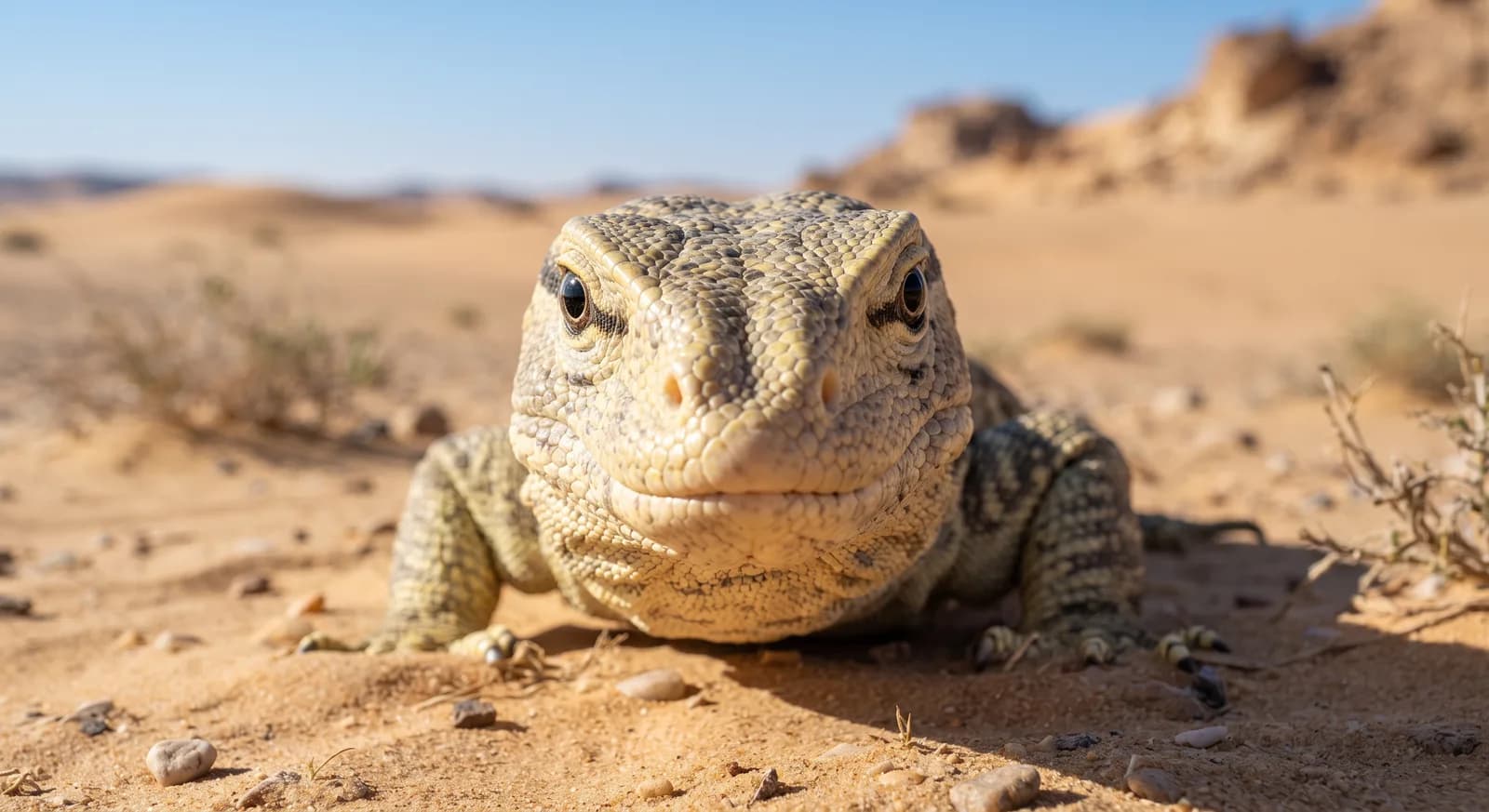
It covers considerable distances each day in search of prey, and its trails in the sand, with the drag mark of the tail between the footprints, are unmistakable to desert trackers.
From
It hibernates for several months in deep burrows through the Central Asian winter, which is uncommon among monitor lizards, most of which are tropical.
From
It is credited with medicinal properties in several Middle Eastern and Central Asian traditions, and that demand, along with the skin trade, has reduced its populations across much of its range.
From
Its teeth are blunt and flattened rather than sharp, adapted to crushing the shells of beetles, snails and millipedes instead of tearing flesh, a clear case of specialisation within a group of generalist predators.
From
·
Ranges calculated from the profiles that record the figure, not from all 6.
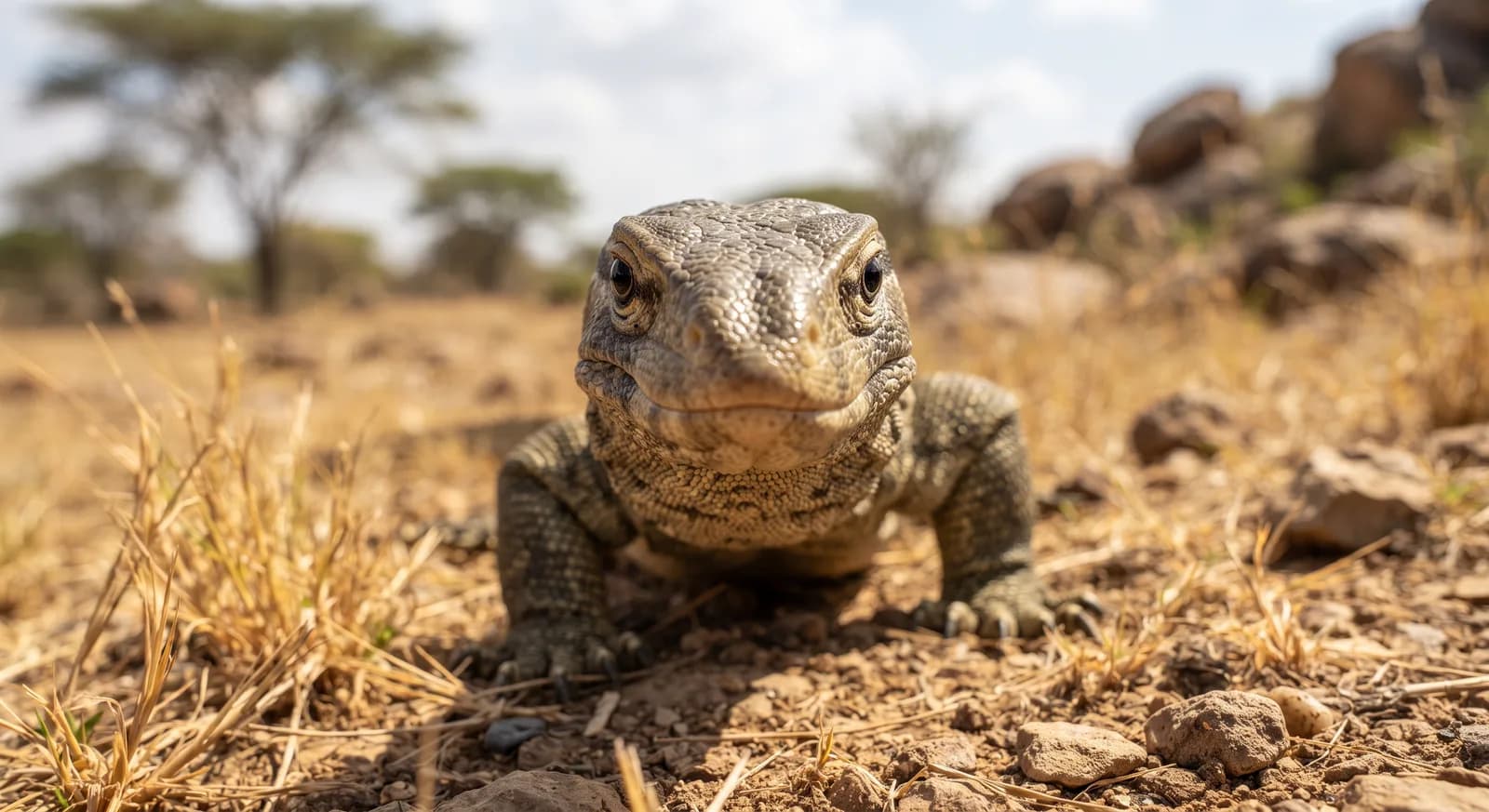
It is one of the most heavily exported reptiles on the planet: hundreds of thousands of animals leave Ghana, Togo and Benin each year for the pet trade, most of them caught in the wild.
From Savanna Monitor