One of the 26 spiders on WAnimals
Arachnids · Araneae · Segestriidae
Green Tube-web Spider
Segestria florentina
It has not yet been assessed against the IUCN criteria. See full glossary
The green tube-web spider — known in Spanish as araña florentina — is an araneomorph spider of the family Segestriidae. It is the largest European spider of its family, and the type species of both its genus and its family. The body of the females measures 13-22 mm, while the males measure 10-42 mm. They are characterised by their striking iridescent green chelicerae, more marked in females than in males. The colouring of the prosoma and legs ranges from dark brown to black; the opisthosoma (abdomen) is paler and bears a dark longitudinal band on its upper surface formed by contiguous triangular blotches. In some females the whole abdomen turns almost black and these blotches are less evident.
Size
up to 2.2 cm
Diet
Carnivore
Feeds mainly on other animals.
Activity
Nocturnal
Active mainly at night.
Social structure
Solitary
Lives and hunts alone, joining others only to breed.
Sighting difficulty
Unknown
Fun facts
- Its chelicerae gleam a metallic emerald green, a colour exceedingly rare among European spiders.
- It sits in its tube with its six front legs resting on the radial threads, which act as trip wires, and strikes within hundredths of a second.
- It is one of the European spiders whose bite is distinctly painful, though without serious consequences.
- It is the largest segestriid in Europe: the female reaches a body length of 22 mm.
- It lives inside a silk tube in a crevice, from which radial threads run out as trip wires. When prey brushes against one, it shoots out, bites and retreats into the tube.
- Its chelicerae have a striking metallic green iridescence, which is where the name green-fanged tube web spider comes from.
- It reached Britain through the ports, probably from 1845 onwards, and there it is still associated with port cities.
Life cycle & biology
- Habitat & environment
- Cracks in walls, boundary walls and bark of the Mediterranean and western Europe
Sources consulted: https://es.wikipedia.org/wiki/Segestria_florentina
Where to find it
See its range on the interactive mapRelated species
Other species in the catalogue with the most in common with Green Tube-web Spider — same habitat, park, country, tags or family.
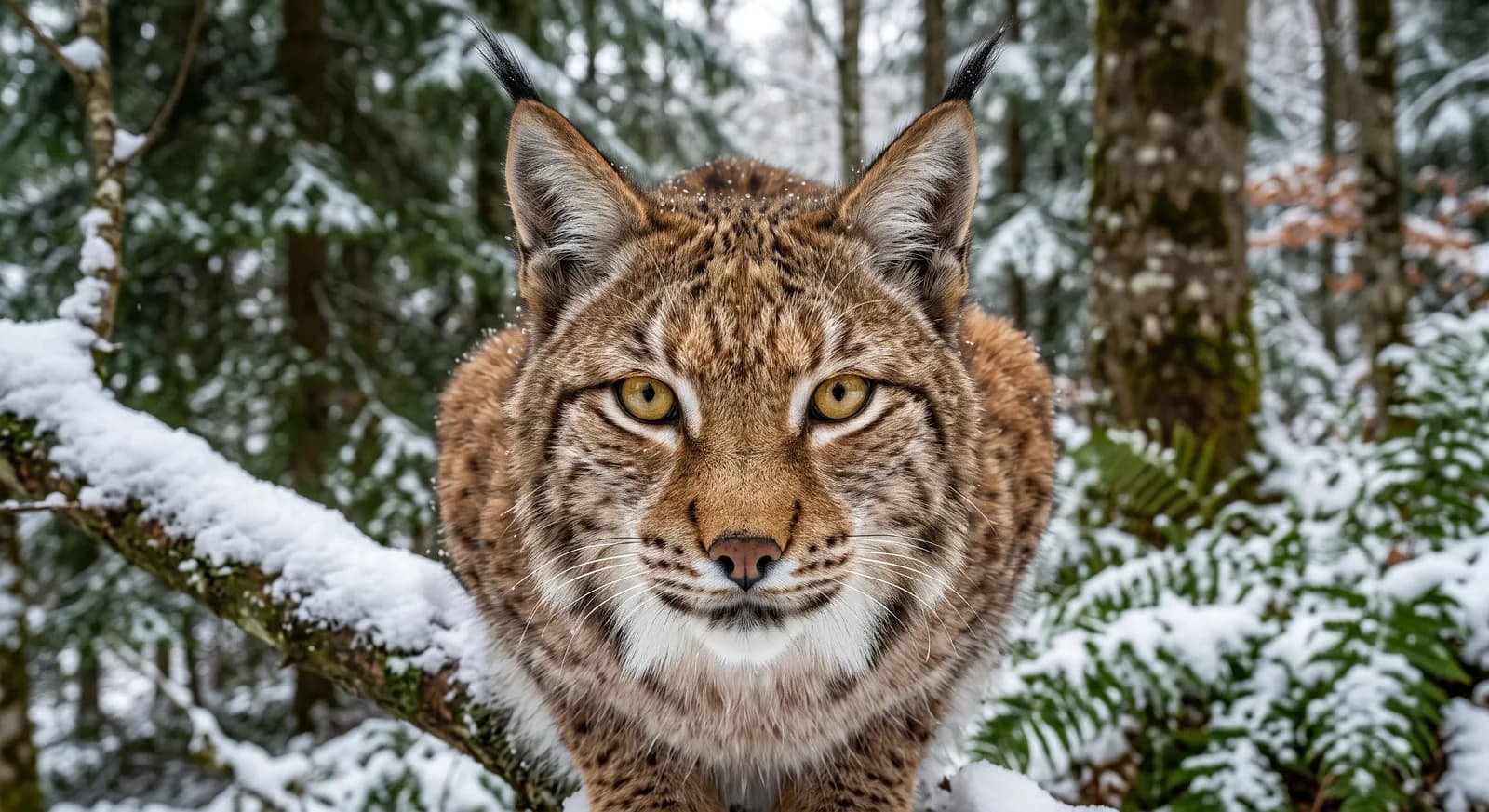 Least Concern
Eurasian Lynx
Lynx lynx
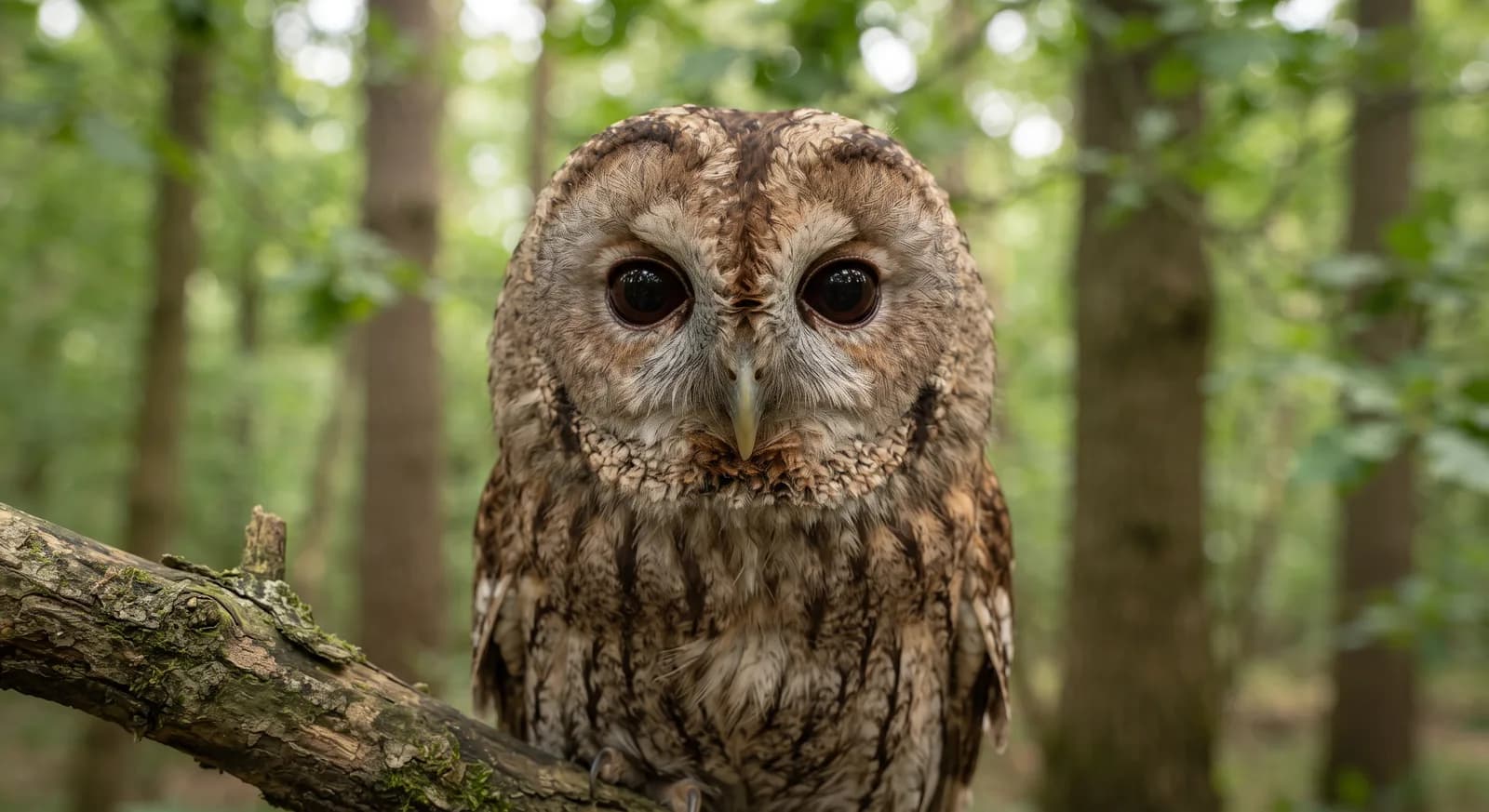 Least Concern
Tawny Owl
Strix aluco
Long-eared Owl
Asio otus
Common Toad
Bufo bufo
Common Tree Frog
Hyla arborea
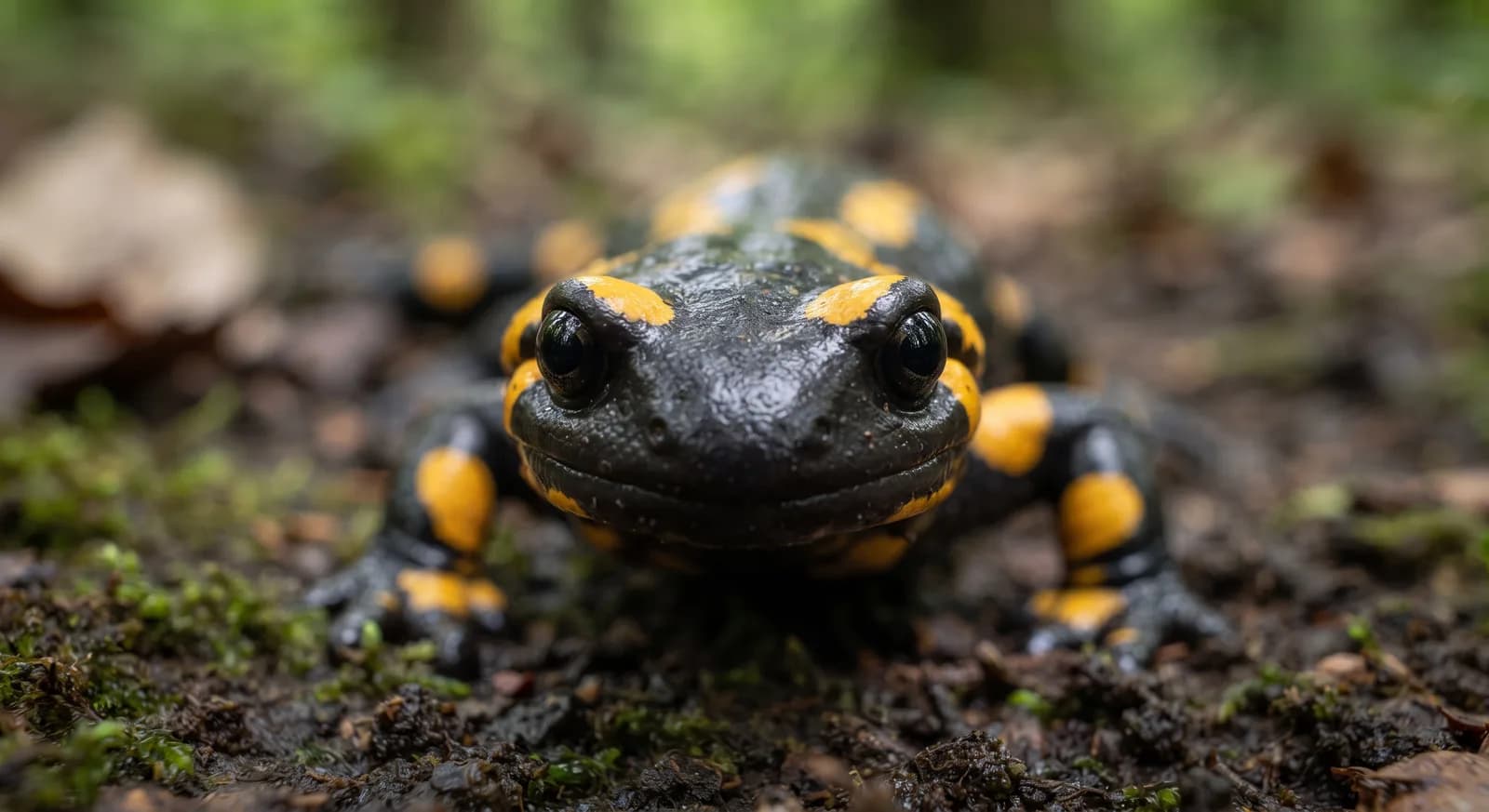 Least Concern
Fire Salamander
Salamandra salamandra
Keep exploring
Based on what we already know about green tube-web spider.
Comments
Share an experience, a fun fact or a tip for seeing the green tube-web spider.
Be the first to comment.