Calcareous sponges · Clathrinida · Clathrinidae
Yellow Clathrina
Clathrina clathrus
It has not yet been assessed against the IUCN criteria. See full glossary
A yellow calcareous sponge, made up of a tangle of fine, interconnected tubes reminiscent of a ball of noodles, in an intense yellow. It lives under overhangs and in shallow caves of the Mediterranean and the nearby Atlantic.
Size
2 cm – 10 cm
Diet
Omnivore
Combines animal and plant food depending on availability.
Social structure
Solitary
Lives and hunts alone, joining others only to breed.
Sighting difficulty
Unknown
Fun facts
- Its skeleton is made of three-pointed calcium carbonate spicules, quite unlike the silica spicules of most sponges.
- The calcareous sponges are an ancient group of very simple anatomy, without the complex canal systems of the larger sponges.
- It has no organs, no nerves and no muscles: its cells work almost independently, and a sponge broken apart can reorganise itself and re-form as an individual.
- Its skeleton is made neither of silica nor of spongin like that of most sponges, but of calcium carbonate spicules. The calcareous sponges are the only group that does it that way.
- Its shape is unmistakable: a tangle of interconnected yellow tubes, like a bundle of macaroni.
- It belongs to an ancient group that matters in phylogeny: the calcareous sponges split early from the rest, and their position has been decisive in the debate over which was the first animal lineage.
- It lives in shade because it cannot withstand competition for space with algae.
Life cycle & biology
- Habitat & environment
- Shaded areas of the intertidal and shallow subtidal of the Atlantic and the Mediterranean
Sources consulted: Schmidt (1864); Marine Life Information Network; Manuel et al., revisiones de Calcarea
Where to find it
See its range on the interactive mapWhere to watch it
Parques y spots de buceo donde se ha documentado esta especie — se muestran 20 de 103 documentados.
Related species
Other species in the catalogue with the most in common with Yellow Clathrina — same habitat, park, country, tags or family.
Bath Sponge
Spongia officinalis
 Endangered
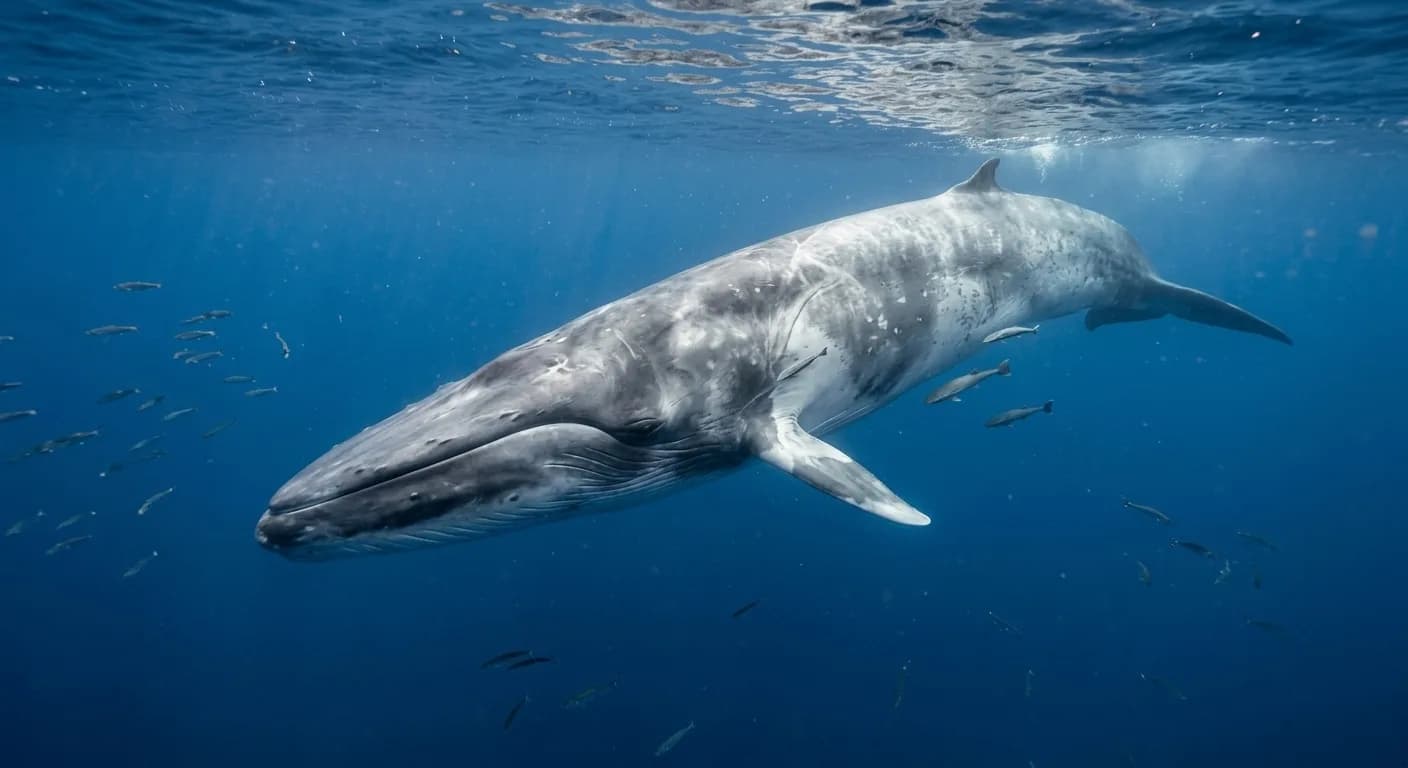
Fin Whale
Balaenoptera physalus
 Endangered
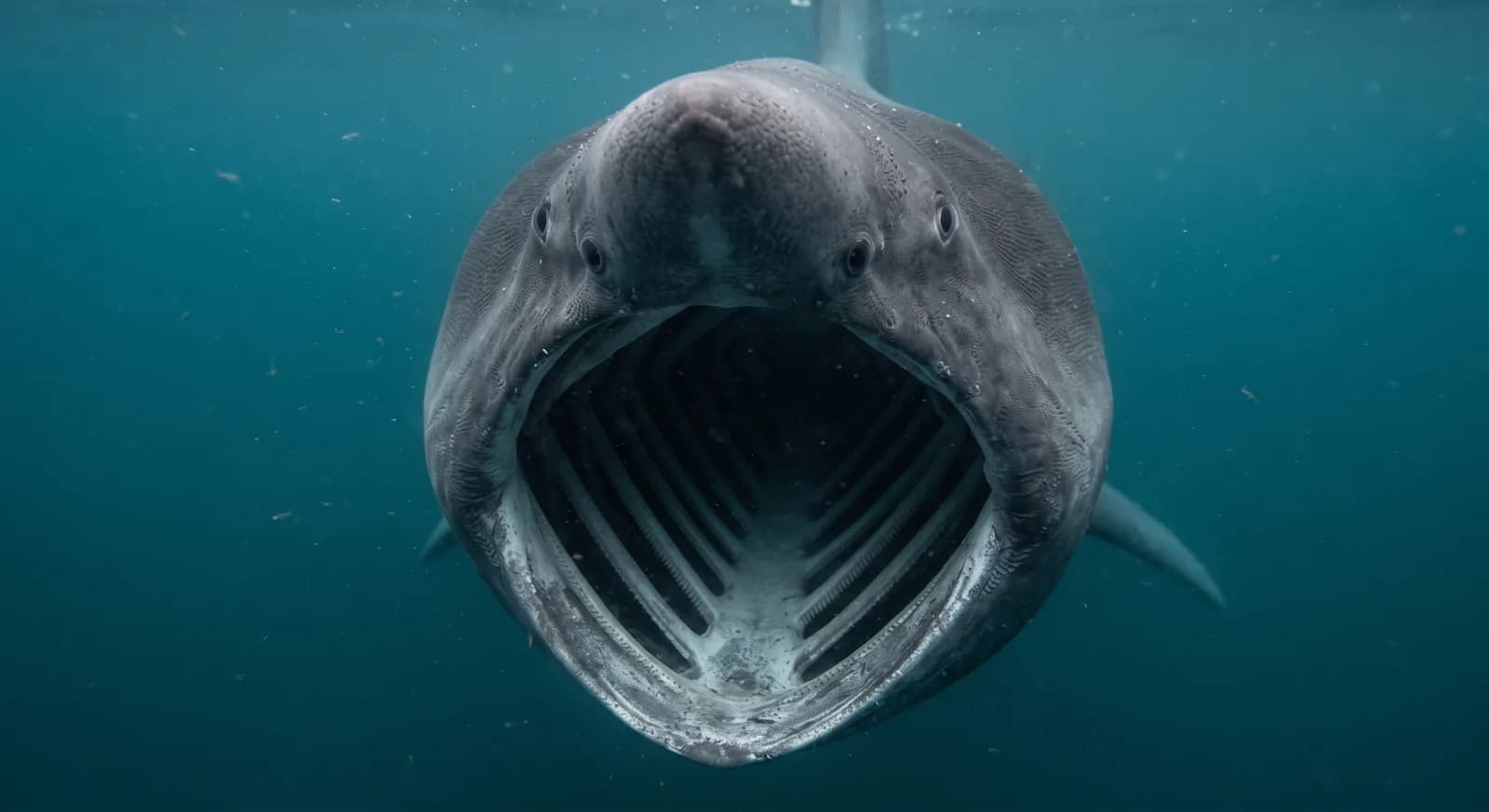
Basking Shark
Cetorhinus maximus
 Vulnerable
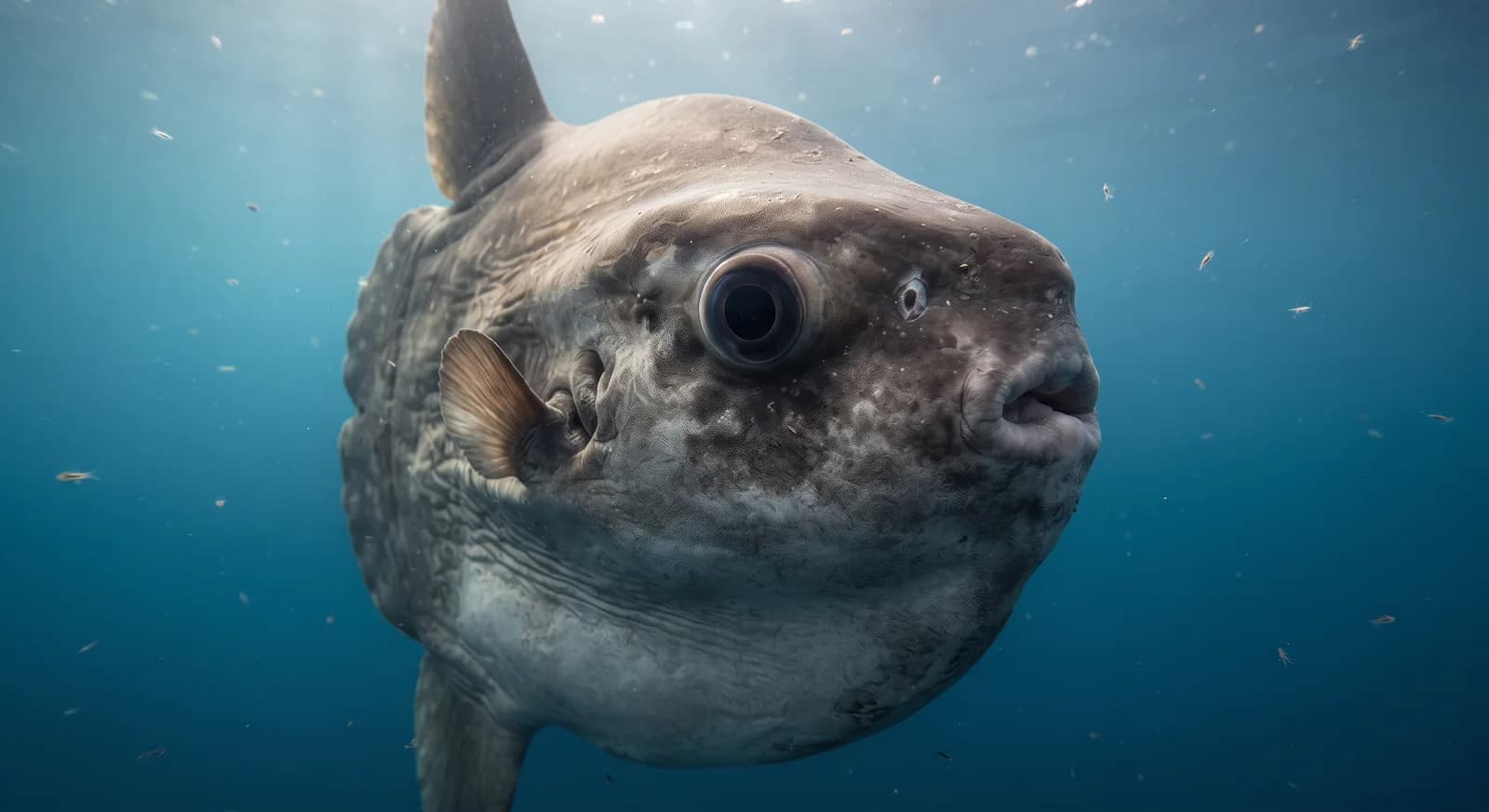
Ocean Sunfish
Mola mola
Blue Crab
Callinectes sapidus
Common Spiny Lobster
Palinurus elephas
Keep exploring
Based on what we already know about yellow clathrina.
Comments
Share an experience, a fun fact or a tip for seeing the yellow clathrina.
Be the first to comment.