Sponges · Dictyoceratida · Spongiidae
Bath Sponge
Spongia officinalis
It has not yet been assessed against the IUCN criteria. See full glossary
The Mediterranean bath sponge is massive and rounded, its surface pitted with openings. It filters large volumes of water through a system of internal canals and retains bacteria and microscopic particles. Its skeleton is a mesh of spongin, an elastic protein fibre.
Size
10 cm – 35 cm
Lifespan
25 years
Diet
Omnivore
Combines animal and plant food depending on availability.
Social structure
Solitary
Lives and hunts alone, joining others only to breed.
Sighting difficulty
Unknown
Fun facts
- The traditional bath sponge is this animal's cleaned skeleton: the living tissue is removed and only the spongin mesh remains, soft and absorbent.
- Harvesting it sustained whole Mediterranean economies for centuries, first with breath-hold divers and later with diving suits, and it was one of the most dangerous underwater trades that has ever existed.
- Successive epidemics since the 1980s, together with overharvesting, have cut its populations drastically.
- It is the classic bath sponge, and its exploitation is one of the oldest fisheries in the Mediterranean: it has been harvested since antiquity and appears in Aristotle and in Homer.
- What is used is not the animal but its skeleton: a mesh of spongin, a flexible, resistant protein, which is left when the living tissues are removed. It can absorb several times its own weight in water.
- Sponge fishing by free-diving to tear the sponges loose was an enormous industry in Greece, Tunisia and Florida, and one of the most dangerous: the use of diving suits in the 20th century caused hundreds of cases of decompression sickness among the sponge divers of the Aegean.
- Its populations collapsed in the 1980s and 1990s through mass epidemics of bacterial and fungal origin, on top of overexploitation, and have not recovered.
- It filters thousands of litres a day and harbours an extremely dense microbial community, which can account for a third of its mass and from which numerous bioactive compounds have been isolated.
- It grows very slowly and can live for decades, so a stripped bed takes a very long time to return.
Life cycle & biology
- Skeleton type
- Invertebrate - spongin skeleton (sponge)
- Habitat & environment
- Rocky, semi-dark bottoms of the Mediterranean, from 5 to 40 m
Sources consulted: Pronzato y Manconi (2008), Marine Ecology; Lista Roja de la UICN; Voultsiadou, trabajos sobre esponjas del Egeo; FAO
Where to find it
See its range on the interactive mapWhere to watch it
Parques y spots de buceo donde se ha documentado esta especie — se muestran 20 de 96 documentados.
Related species
Other species in the catalogue with the most in common with Bath Sponge — same habitat, park, country, tags or family.
Yellow Clathrina
Clathrina clathrus
 Endangered
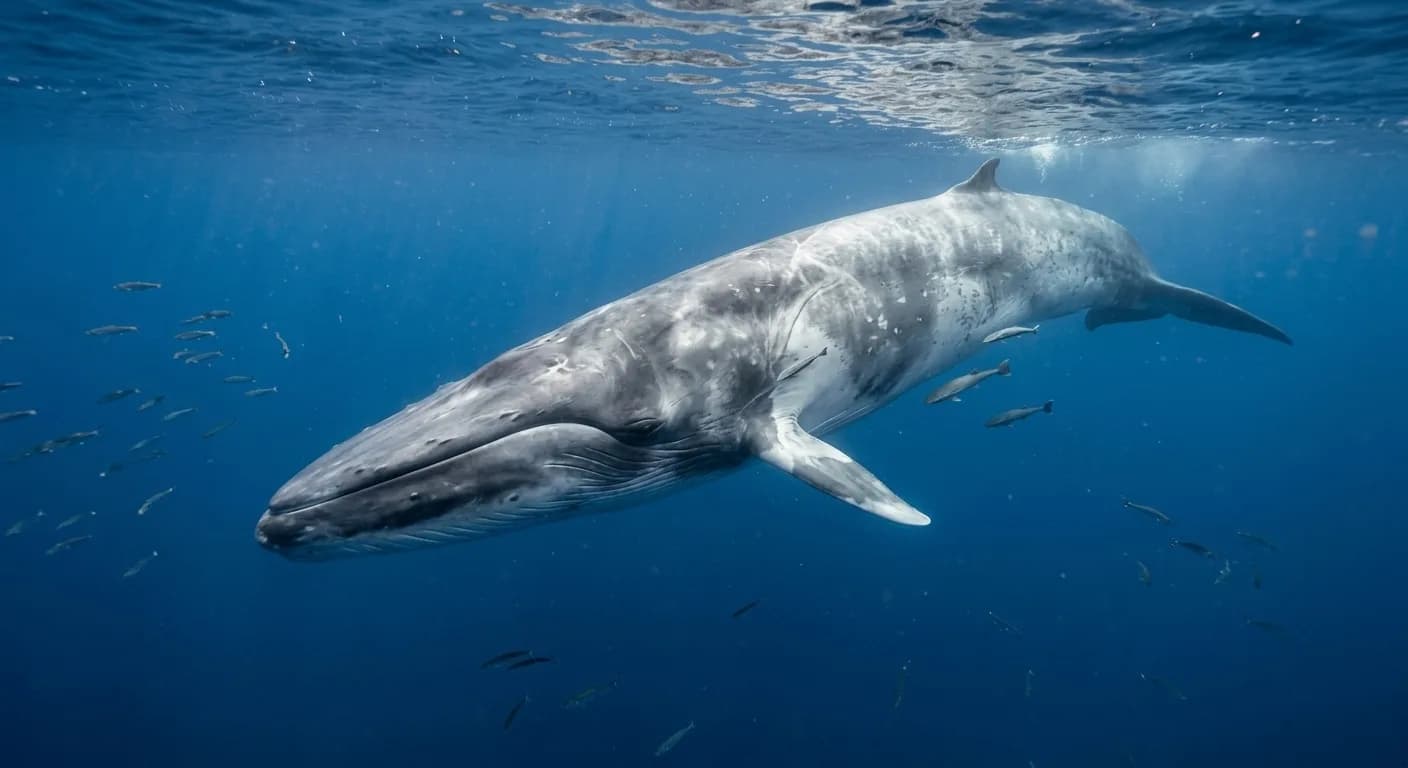
Fin Whale
Balaenoptera physalus
 Endangered
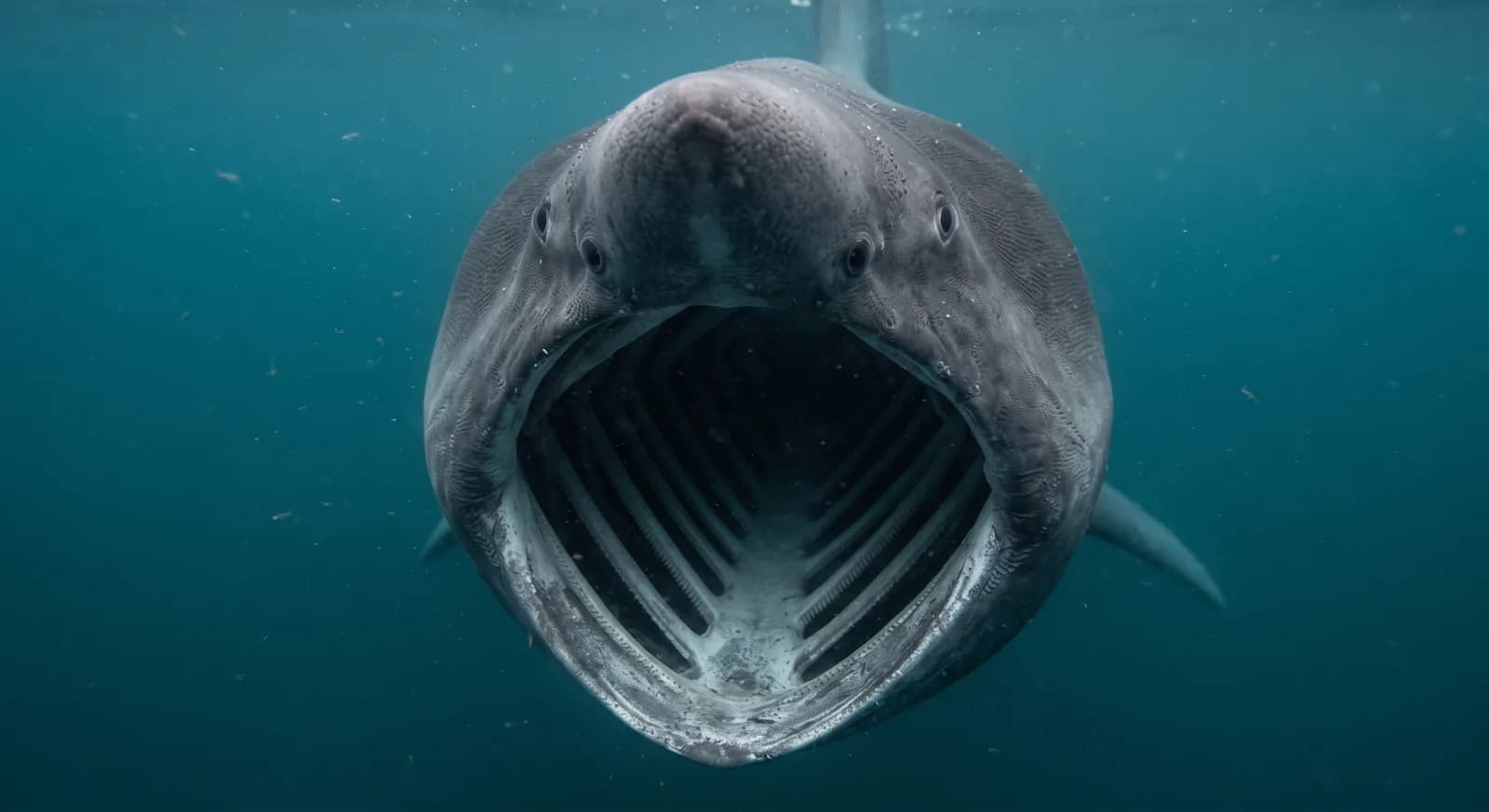
Basking Shark
Cetorhinus maximus
 Vulnerable
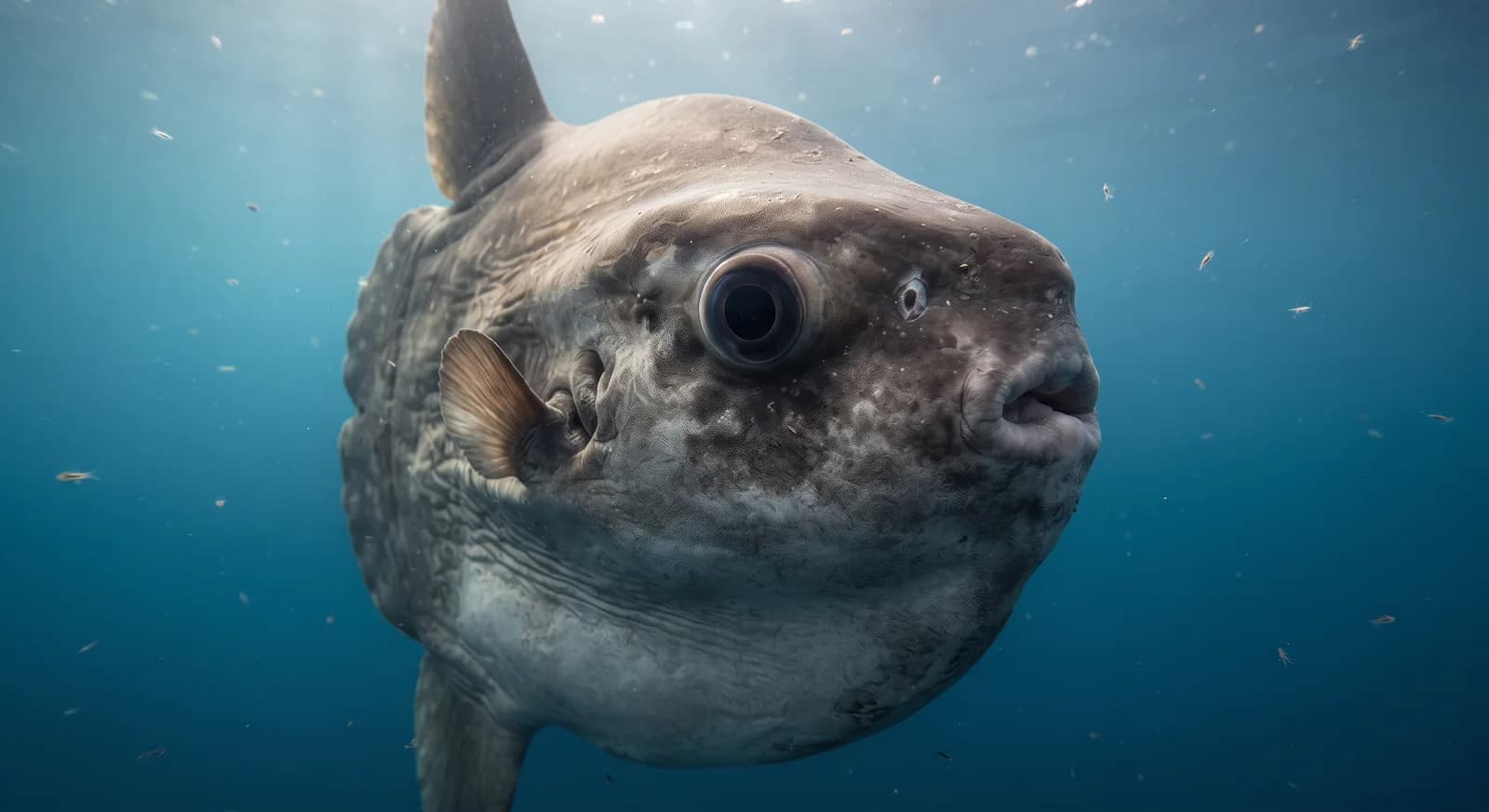
Ocean Sunfish
Mola mola
Blue Crab
Callinectes sapidus
Common Spiny Lobster
Palinurus elephas
Keep exploring
Based on what we already know about bath sponge.
Comments
Share an experience, a fun fact or a tip for seeing the bath sponge.
Be the first to comment.