Species group · Bony fish
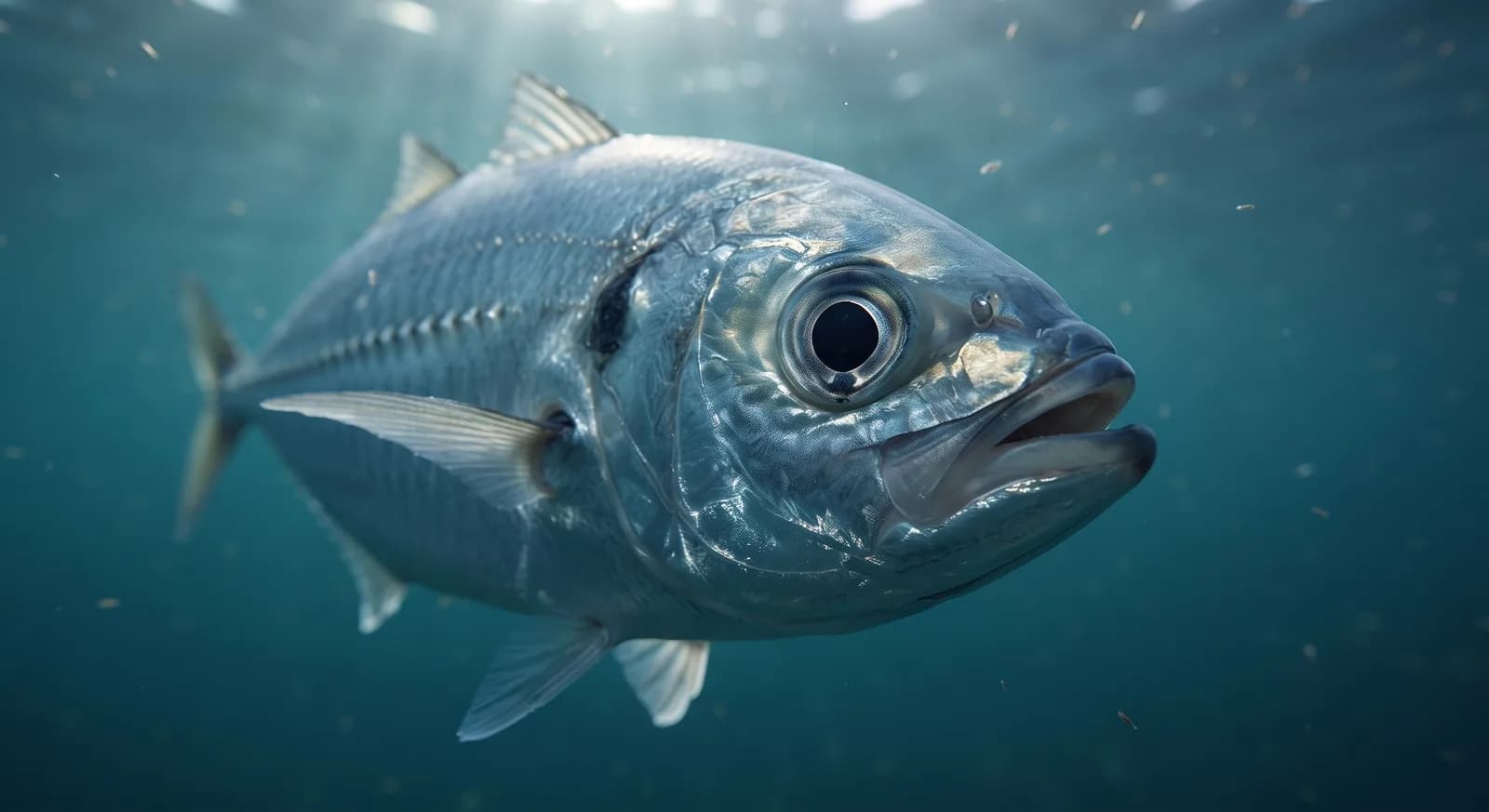
Jacks
WAnimals has 2 species of jack, all in the family Carangidae.
- 2 species
- 1 family
- 84 countries
- 50 parks
- Weight
- 1.5 kg – 2 kg
- Length
- 22 cm – 1.2 m
- Lifespan
- 17 – 25 years
Ranges calculated from the entries that record the figure, not from all 2.
All 2 species of jacks on WAnimals
Each one has its own full entry. This group does not replace them: it brings them together.
Conservation status
1 especies in this group están en alguna categoría de riesgo real según la UICN.
See the global conservation statusWhere they live
Recorded in 84 countries. The ones with the most species in the group:
Where to see them
- Al Hoceima2 species
- Archipielago de Cabrera2 species
- Arrábida2 species
- Banc d'Arguin2 species
- Cabo de Gata-Níjar2 species
- Delta del Ebro2 species
- Islas Cies2 species
- Madeira2 species
- Ria Formosa2 species
- Sudoeste Alentejano e Costa Vicentina2 species
- Urdaibai2 species
- Albufera de Valencia1 species
- Cabo de Creusdiving
- Cabo de Gata-Níjardiving
- Cabo de Palosdiving
- Cabrera (Cova Blava)diving
- Cavalleria (Menorca)diving
- Costa de los Acantilados (Cabo San Vicente)diving
Did you know…
It can live up to 40 years, exceptionally long for its size.
From Horse Mackerel
Its scientific name comes from the Greek for 'rough' and 'tail', after the line of bony scutes along its side.
From Horse Mackerel
It eats small crustaceans and fish, including trumpetfish.
From Horse Mackerel
The sharp bony scutes along the rear of the lateral line form a cutting keel that is best avoided when handling it.
From Crevalle Jack
It hunts in groups, driving shoals of sardines up against the surface, and the din of the attack can be heard tens of metres away.
From Crevalle Jack
The juveniles move into estuaries and river mouths of very low salinity, and even run up stretches of fresh water.
From Crevalle Jack