One of the 10 shrews on WAnimals
Mammals · Scandentia · Tupaiidae
Lesser Treeshrew
Tupaia minor
The species is abundant and widely distributed; it faces no significant short-term risk. See full glossary
The lesser treeshrew — known in Spanish as musaraña arborícola menor or tupaya menor — is a small scandentian of South East Asia, more arboreal than its relatives: it moves along vines and slender branches of the middle storey rather than on the ground. It eats insects, fruit and nectar. Like all treeshrews it is neither a shrew nor a primate, but a member of an order of its own evolutionarily very close to the primates, with which it shares a surprising system of rearing young.
Weight
30 g – 70 g
Size
11 cm – 14 cm
Lifespan
10 years
Diet
Omnivore
Combines animal and plant food depending on availability.
Activity
Diurnal
Active mainly during the day.
Social structure
In pairs
Usually lives in pairs, sometimes for life.
Sighting difficulty
Easy
Fun facts
- Treeshrews practise the most absentee system of rearing known in any mammal: the mother visits her young's nest once every 48 hours, suckles them for a few minutes on an extraordinarily rich milk and leaves, with no further contact.
- It can consume fermented fruit and nectar with an alcohol content that would intoxicate a mammal of its size without turning a hair, thanks to an exceptionally efficient ethanol metabolism.
Life cycle & biology
- Skeleton type
- Vertebrate - internal bony skeleton (mammal)
- Habitat & environment
- Middle storey and canopy of primary and secondary rainforest in insular South East Asia
- Sexual maturity
- 2 months
- Gestation / incubation
- 50 days
- Litter / clutch size
- 2
Sources consulted: https://es.wikipedia.org/wiki/Tupaia_minor
Where to find it
See its range on the interactive mapWhere to watch it
Parques y spots de buceo donde se ha documentado esta especie — se muestran 10 de 12 documentados.
Related species
Other species in the catalogue with the most in common with Lesser Treeshrew — same habitat, park, country, tags or family.
Common Treeshrew
Tupaia glis
Mountain Treeshrew
Tupaia montana
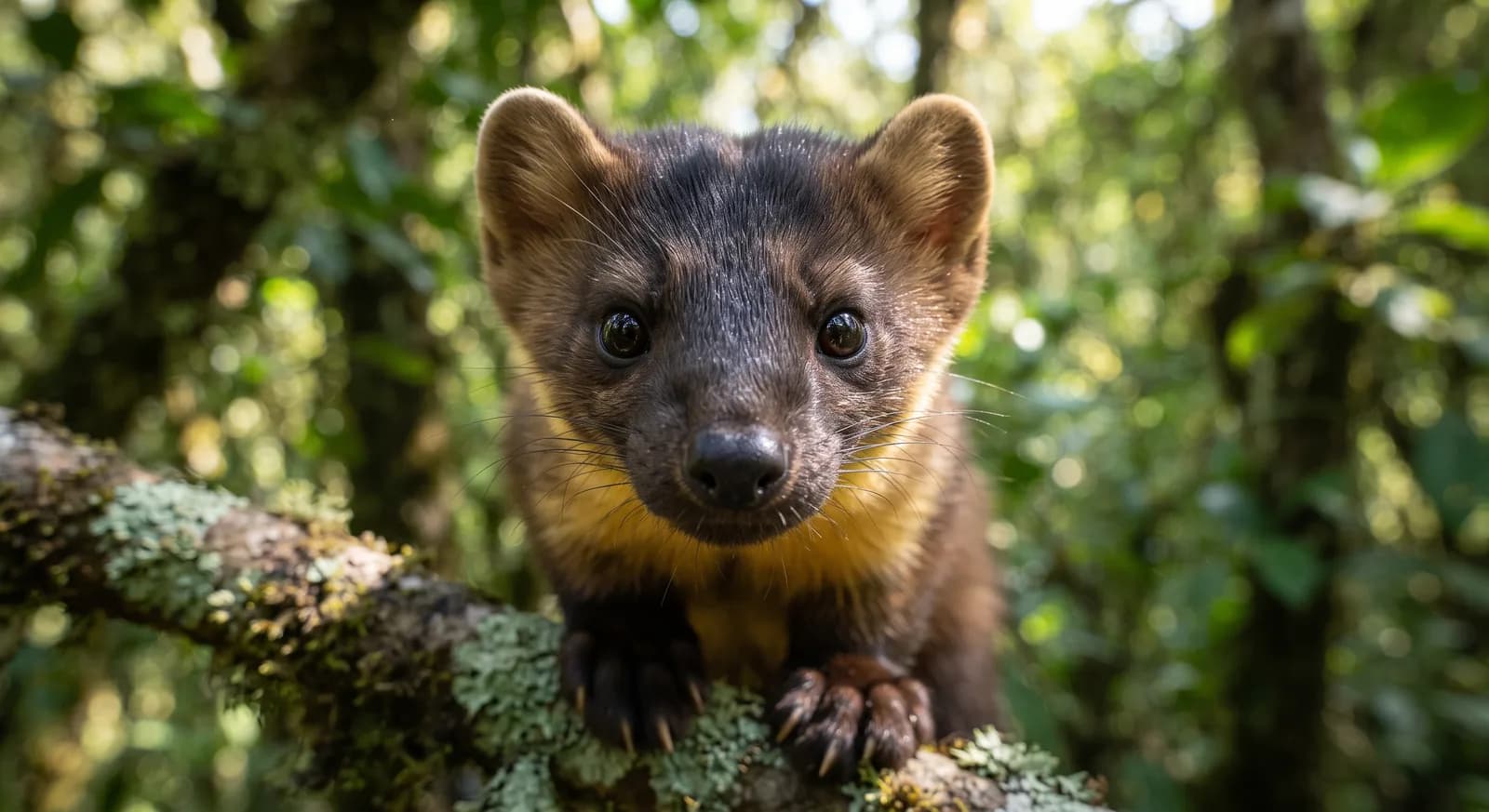 Least Concern
Yellow-throated Marten
Martes flavigula
Common Hill Myna
Gracula religiosa
Pallas's Squirrel
Callosciurus erythraeus
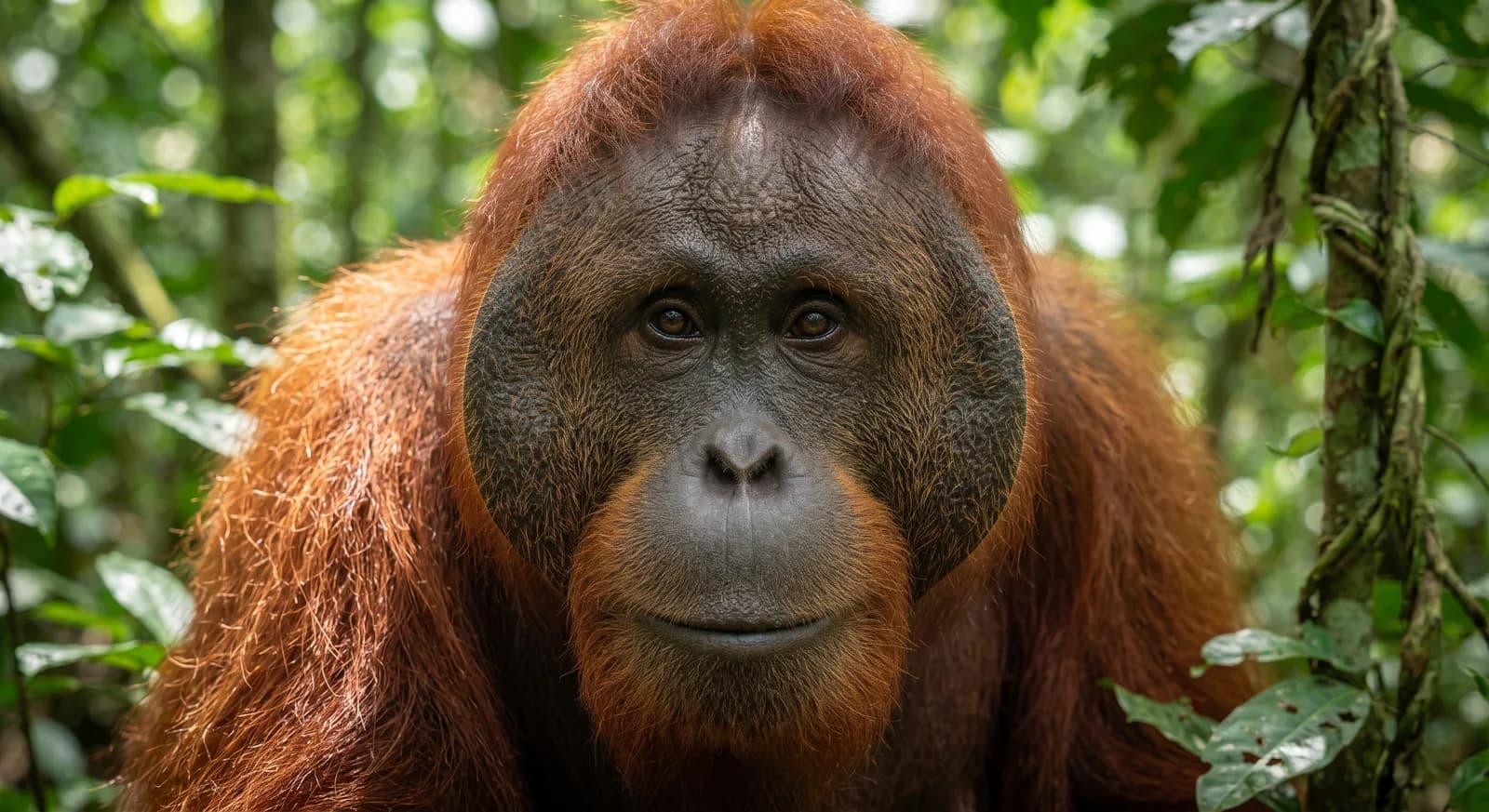 Critically Endangered
Bornean Orangutan
Pongo pygmaeus
Keep exploring
Based on what we already know about lesser treeshrew.
Comments
Share an experience, a fun fact or a tip for seeing the lesser treeshrew.
Be the first to comment.