One of the 10 shrews on WAnimals
Mammals · Scandentia · Tupaiidae
Common Treeshrew
Tupaia glis
The species is abundant and widely distributed; it faces no significant short-term risk. See full glossary
Its parental care is extraordinarily distant for a mammal: it feeds its young only once every 48 hours and recognises them by scent from glands on its chest and belly.
Weight
142 g – 200 g
Size
16 cm – 21 cm
Lifespan
3 years
Diet
Omnivore
Combines animal and plant food depending on availability.
Activity
Diurnal
Active mainly during the day.
Social structure
Solitary
Lives and hunts alone, joining others only to breed.
Sighting difficulty
Easy
Fun facts
- It is widely used as a biomedical research model because it is so closely related to the primates.
- It eats fallen fruit, seeds, leaves and insects such as ants and spiders.
- It reaches sexual maturity at 3 months, among the earliest of any placental mammal.
Life cycle & biology
- Skeleton type
- Vertebrate - internal bony skeleton (mammal)
- Habitat & environment
- Dense lowland rainforest of Thailand, Malaysia and Indonesia
- Birth weight
- 10-13 grams
- Size at birth
- Wholly helpless at birth, fed by its mother only every other day
- Sexual maturity
- ~3 months (90 days), among the earliest sexual maturity of any placental mammal
- Gestation / incubation
- 40-52 days
- Litter / clutch size
- 1 to 3 young per litter, with up to 2-2.5 litters per year
- Lifespan in captivity
- Documented record of up to 12.4-12.5 years in captivity
Sources consulted: World Species; Thai National Parks; Reko Forest; AnAge (genomics.senescence.info); AnimalHub; Wikipedia (Common treeshrew); Animal Diversity Web
Where to find it
See its range on the interactive mapBest time: All year round in the forests of Malaysia, Thailand and Indonesia, by day; it moves restlessly across the ground and over low trunks.
Where to watch it
Parques y spots de buceo donde se ha documentado esta especie — se muestran 10 de 14 documentados.
Related species
Other species in the catalogue with the most in common with Common Treeshrew — same habitat, park, country, tags or family.
Mountain Treeshrew
Tupaia montana
Lesser Treeshrew
Tupaia minor
Short-tailed Gymnure
Hylomys suillus
Common Palm Civet
Paradoxurus hermaphroditus
 Least Concern
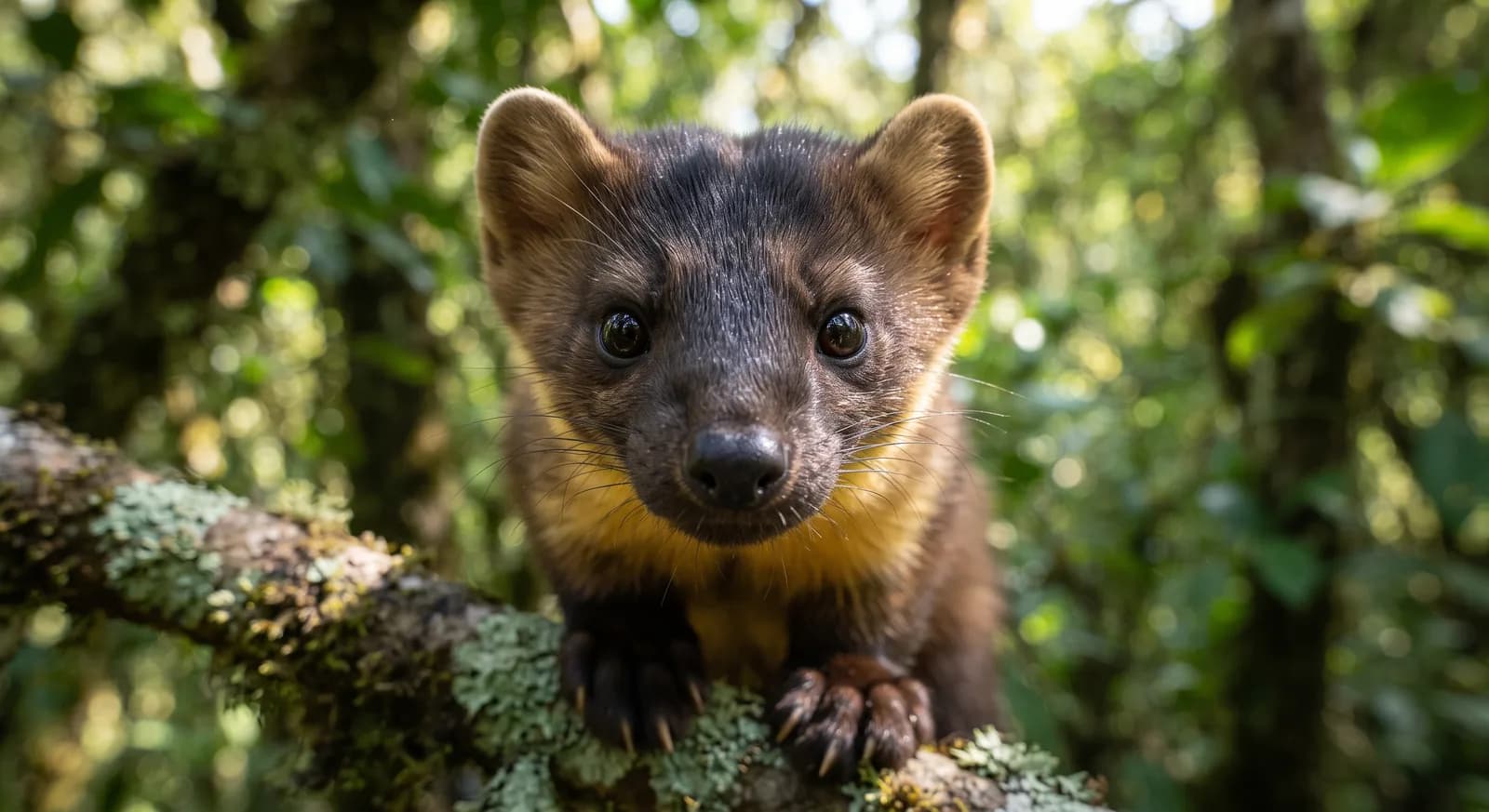
Yellow-throated Marten
Martes flavigula
Pallas's Squirrel
Callosciurus erythraeus
Keep exploring
Based on what we already know about common treeshrew.
Comments
Share an experience, a fun fact or a tip for seeing the common treeshrew.
Be the first to comment.