One of the 2 civets on WAnimals
Mammals · Carnivora · Viverridae
Common Palm Civet
Paradoxurus hermaphroditus
The species is abundant and widely distributed; it faces no significant short-term risk. See full glossary
Its droppings are the basis of the famous and costly kopi luwak coffee: it eats ripe coffee cherries and its digestive enzymes alter the proteins in the bean as it passes through the gut.
Weight
2 kg – 5 kg
Size
48.5 cm – 62 cm
Lifespan
15 years
Diet
Omnivore
Combines animal and plant food depending on availability.
Activity
Nocturnal
Active mainly at night.
Social structure
Solitary
Lives and hunts alone, joining others only to breed.
Sighting difficulty
Easy
Fun facts
- That process has led to civet farms kept in conditions often criticised on welfare grounds.
- It eats fruit, coffee cherries included, along with small vertebrates and invertebrates.
- It lives in forest and palm plantations of South and South East Asia.
- utilidadIts droppings contain partly digested coffee beans which, once processed, make the high-priced coffee known as kopi luwak.
Life cycle & biology
- Skeleton type
- Vertebrate - internal bony skeleton (mammal)
- Habitat & environment
- Forest and palm plantations of South and South East Asia, tolerant of people
- Birth weight
- 69-102 g at birth, eyes closed
- Size at birth
- 69-102 g at birth
- Sexual maturity
- 11-12 months
- Gestation / incubation
- 60-71 days
- Litter / clutch size
- 2 to 5 young per litter, with up to 2 litters per year
- Lifespan in captivity
- Documented record of up to 24.5 years
Sources consulted: A-Z Animals; Encyclopedia of Life; AnAge (genomics.senescence.info); Animal Diversity Web; FaunaFocus; PMC (mitochondrial genome study)
Where to find it
See its range on the interactive mapBest time: All year round in southern and South-East Asia, at night; it is common even on rooftops, in gardens and in plantations.
Where to watch it
Parques y spots de buceo donde se ha documentado esta especie — se muestran 10 de 35 documentados.
Related species
Other species in the catalogue with the most in common with Common Palm Civet — same habitat, park, country, tags or family.
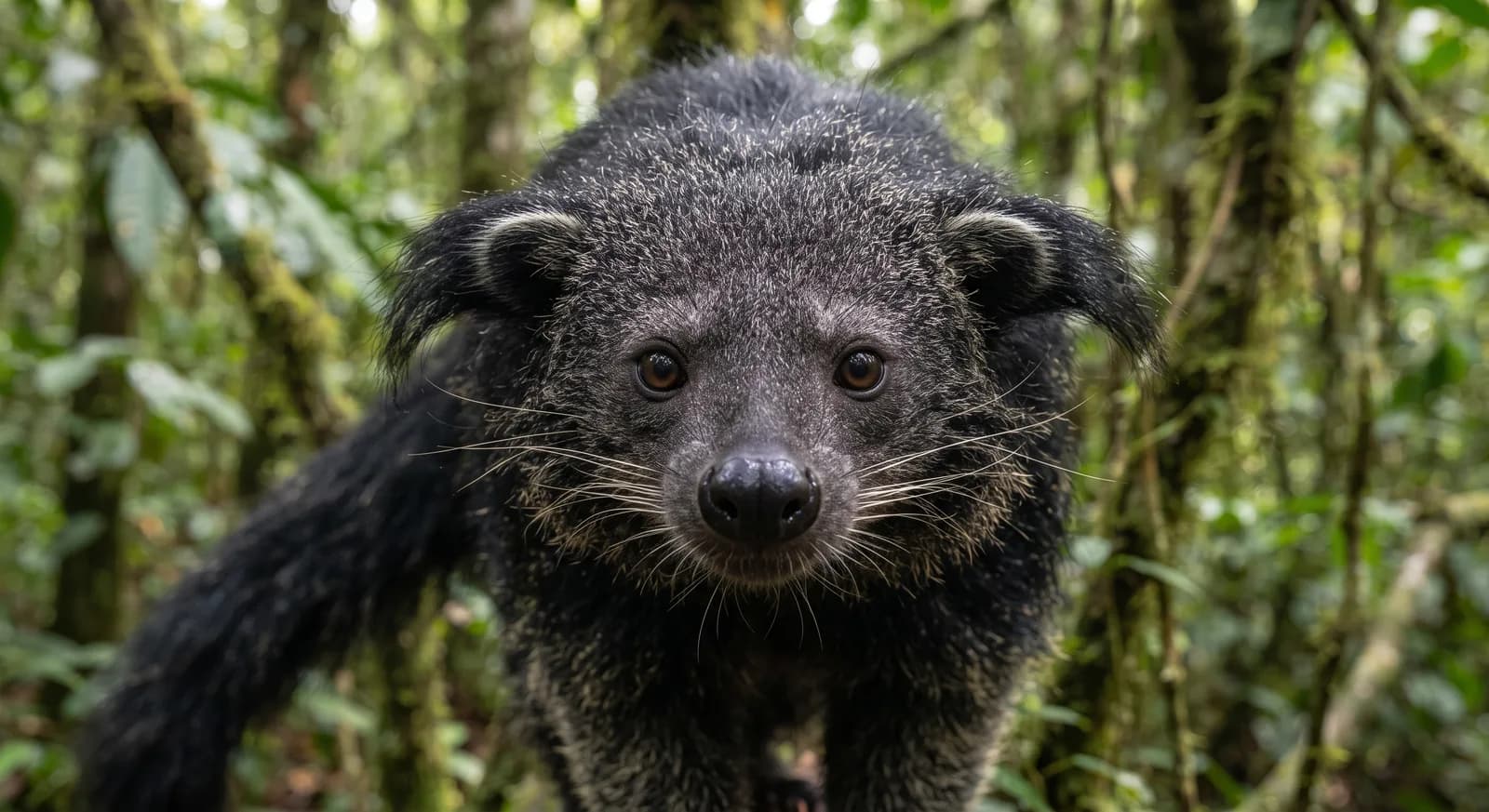 Vulnerable
Binturong
Arctictis binturong
Common Treeshrew
Tupaia glis
Sunda Flying Lemur
Galeopterus variegatus
Short-tailed Gymnure
Hylomys suillus
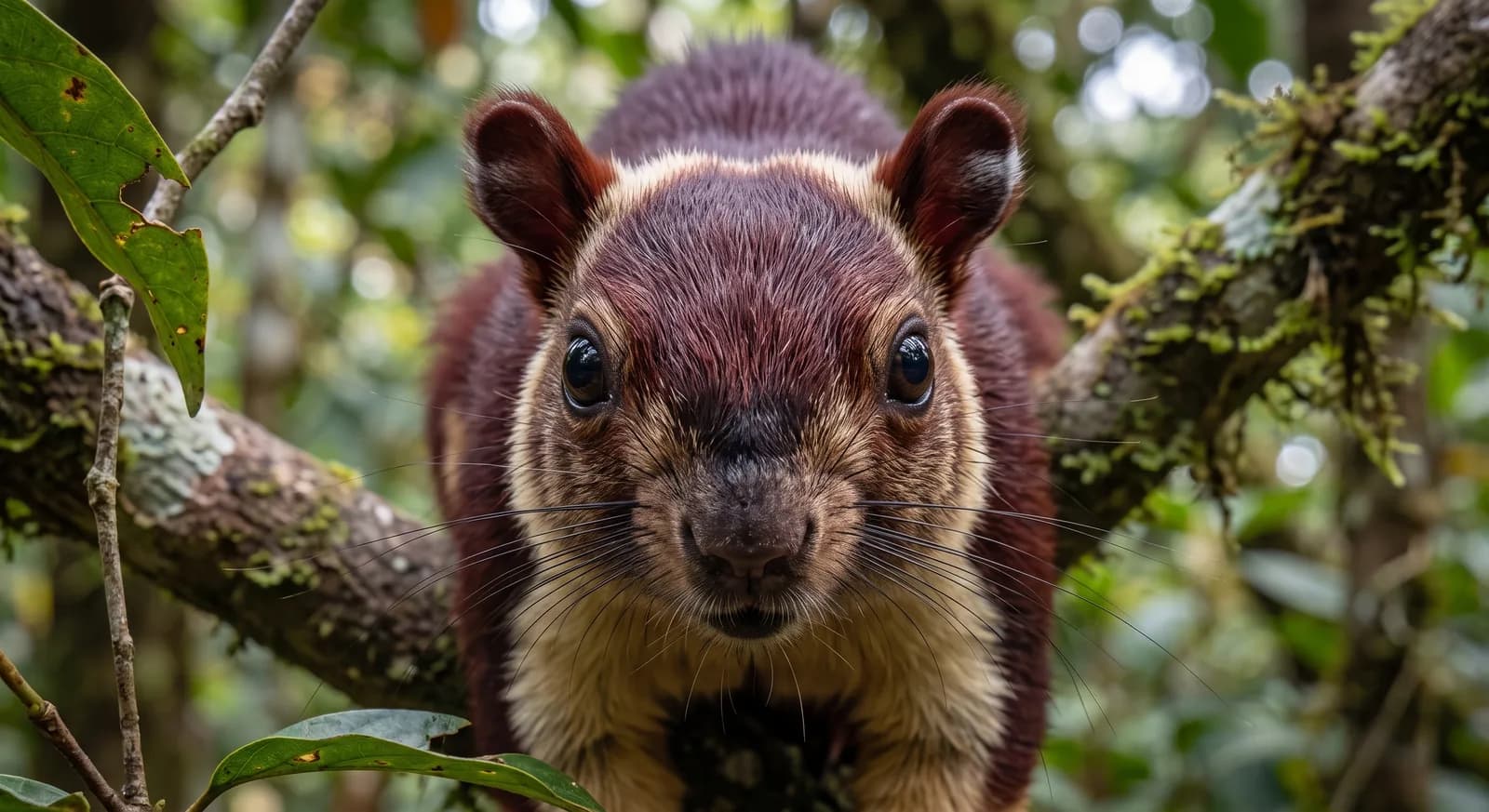 Least Concern
Indian Giant Squirrel
Ratufa indica
Pallas's Squirrel
Callosciurus erythraeus
Keep exploring
Based on what we already know about common palm civet.
Comments
Share an experience, a fun fact or a tip for seeing the common palm civet.
Be the first to comment.