Comoros
África
The Comoros are a volcanic archipelago in the Mozambique Channel, between Africa and Madagascar, and their position explains a fauna that mixes African and Malagasy influences with a high degree of endemism. Grande Comore is dominated by Karthala, one of the largest active volcanoes in the world, with an enormous crater and cloud forest on its slopes. Mohéli, the smallest and least populated island, keeps the best native forest and a marine park that protects green turtle nesting beaches, seagrass meadows with dugongs and waters through which humpback whales pass to breed. Anjouan and Mohéli are home to an enormous fruit bat that lives nowhere else and that ranks among the largest in the world, with a wingspan of almost a metre and a half.
The nature of Comoros
National animal: No official national animal; the coelacanth is the archipelago's emblematic species
Did you know?
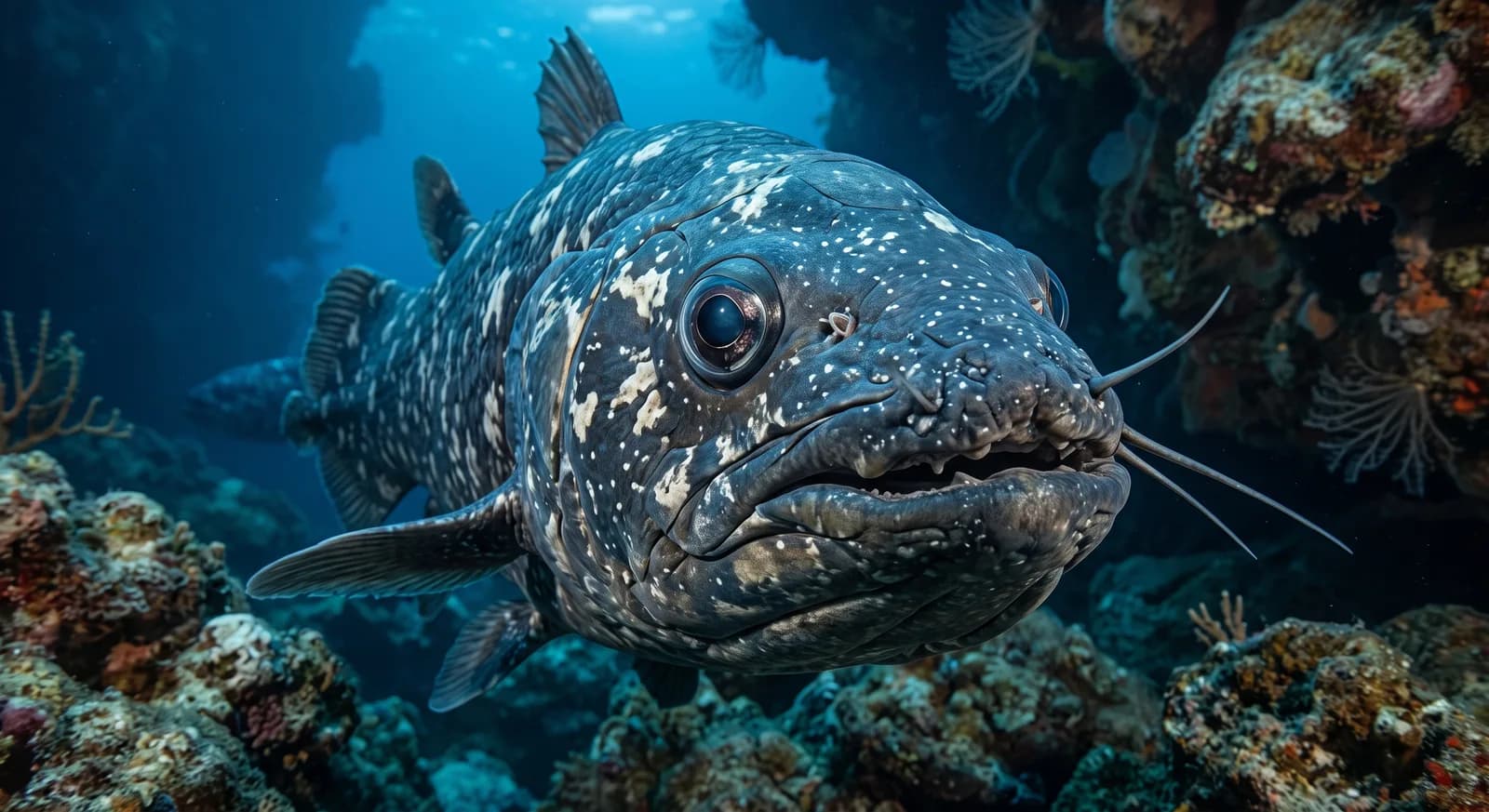
The coelacanth, a lobe-finned fish known only from fossils and believed extinct for sixty-five million years, turned out to be alive. After the specimen found in 1938 in South African waters, it emerged that its known population was concentrated on the submerged volcanic slopes of the Comoros, where local fishermen caught it occasionally without knowing that they had in their hands one of the greatest zoological finds of the century.
Biodiversity profile
Climate
- •Tropical maritimo (Af), con estacion humeda (noviembre-abril) y estacion mas fresca y seca (mayo-septiembre)
Main biomes
- •Bosque tropical humedo y bosque seco (segun exposicion e altitud)
- •Sabana y matorral en zonas de menor altitud
- •Brezal montano en las cumbres del volcan Karthala (2.361 m, activo)
- •Isla volcánica oceánica
- •Bosque de niebla de montaña
- •Arrecife de coral
- •Pradera marina
- •Playa de puesta de tortugas
- •Ladera volcánica sumergida
- •Manglar costero
Marine and coastal ecosystems
- •Arrecifes de coral que cubren del 60% (Gran Comora) al 100% (Moheli) de la costa insular
- •Manglares y praderas marinas, habitat de dugongos y tortugas marinas
Flagship wildlife
- •Celacanto (pez viviente considerado extinto hasta su redescubrimiento en aguas comorenses)
- •Murcielago frugivoro de Livingstone (En Peligro Critico, endemico)
- •Lemur mangosta (introducido desde Madagascar)
- •Dugongo
- •Zorro volador de Livingstone
- •Tortuga verde
- •Ballena jorobada
- •Delfín mular
- •Lémur mongoz
- •Rabijunco colirrojo
- •Tortuga carey
- •Mero gigante
Notable endemic species
- •Comoras es uno de los 5 puntos calientes de biodiversidad mas intensos del mundo por su numero de especies unicas en relacion a su tamaño
- •30% de las aprox. 1.000 especies vegetales nativas son endemicas
- •4 especies de aves estrictamente endemicas: autillo de Comoras, papamoscas de Gran Comora, drongo de Gran Comora y anteojitos del Karthala
- •Murcielago de Livingstone, endemico exclusivo de Anjouan y Moheli
- •Zorro volador de Livingstone
- •Autillo de Anjouan
- •Autillo de Mohéli
- •Paloma azul de las Comoras
Notable threatened species
- •Murcielago frugivoro de Livingstone (En Peligro Critico, una de las especies de murcielago mas amenazadas del mundo)
- •Autillo de Anjouan y autillo de Moheli (ambos amenazados de extincion)
- •Celacanto (Vulnerable, pez considerado un "fosil viviente")
Notable protected areas
- •Parque Nacional de Moheli (bosque tropical, sabana, manglares, arrecifes de coral y zonas de anidacion de tortuga carey y verde)
- •Parque Nacional del Karthala
- •Parque Nacional de Coelacanthe
- •Bosque de Moya en Anjouan
- •Islote de Nioumachoua
- •Parque Nacional de Mitsamiouli-Ndroudé
Main conservation threats
- •Deforestacion impulsada por expansion agricola, que degrada ecosistemas costeros ya afectados por el cambio climatico
- •Ciclones y actividad volcanica frecuente (el Monte Karthala erupciona cada 10-20 años)
- •Pesca insostenible en zonas costeras
Notable natural phenomena
- •El redescubrimiento del celacanto en aguas comorenses en 1938 es uno de los hallazgos zoologicos mas famosos del siglo XX, tras haberse considerado extinto durante millones de años
Conservation
Itsamia beach, on Mohéli, is one of the main green turtle nesting sites in the western Indian Ocean and is watched over by community associations. Deforestation of the slopes threatens Livingstone's fruit bat, reduced to a few thousand individuals.
Where and when to watch wildlife
Mohéli between July and October for humpback whales and year-round for turtles at Itsamia. The forests of Anjouan at dusk for Livingstone's flying fox. Karthala in the dry season.
Sources: Nairobi Convention - Comoros Biodiversity | One Earth - Comoros Forests | UNDP - Protecting biodiversity Comoros | Noe - Biodiversity Protection Comoros | BioDB.com - Comoros
Parks and reserves
Diving and snorkelling
Países similares
¿A dónde más podría interesarme viajar?
Misma región: África Oriental y Cuerno de África
Misma región: África Oriental y Cuerno de África
Misma región: África Oriental y Cuerno de África
Misma región: África Oriental y Cuerno de África
Especies documentadas en Comoros
123 species found
 Critically Endangered
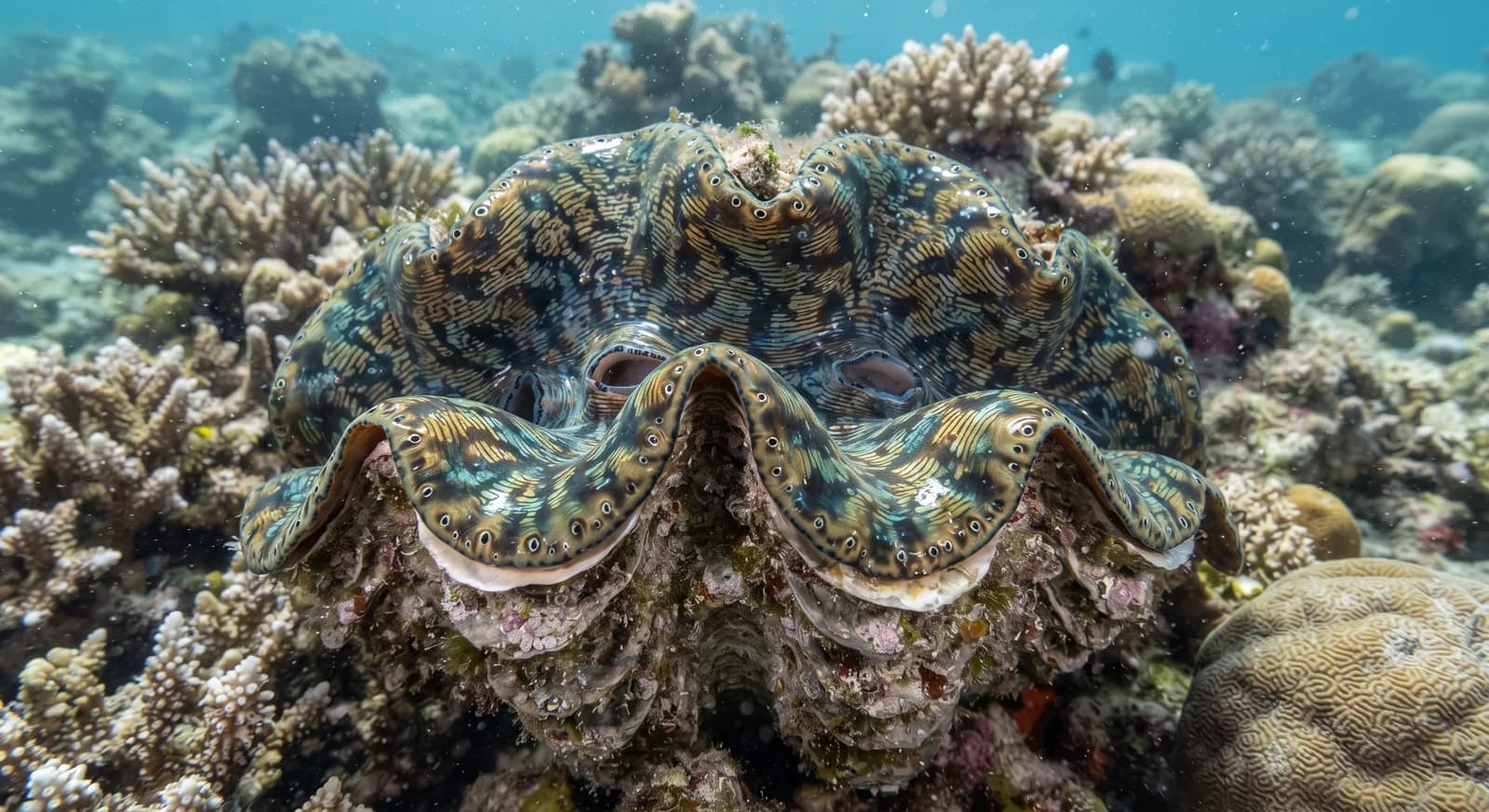
Giant Clam
Tridacna gigas
 Critically Endangered
Coelacanth
Latimeria chalumnae
 Critically Endangered
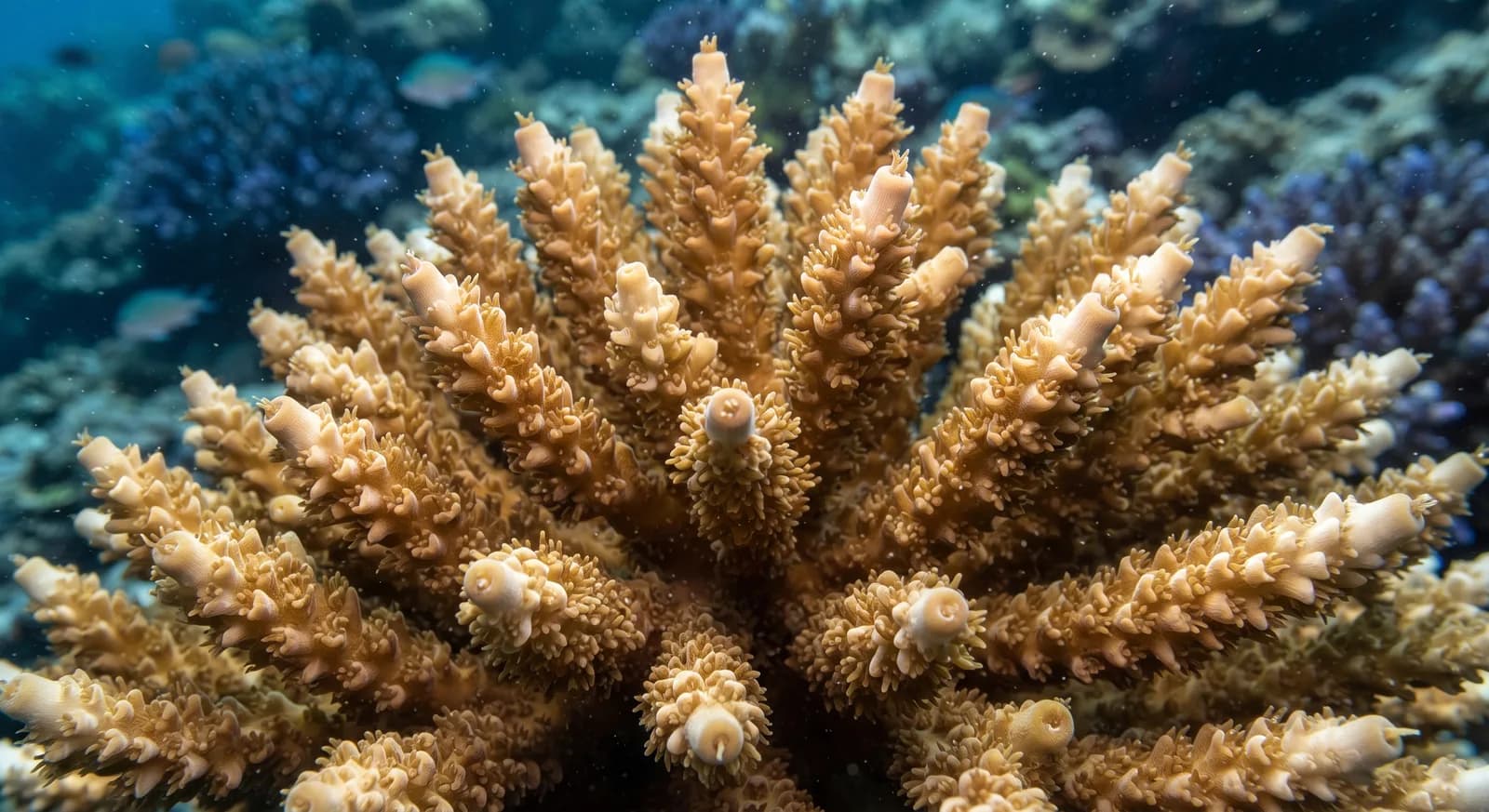
Staghorn Coral
Acropora cervicornis
 Critically Endangered
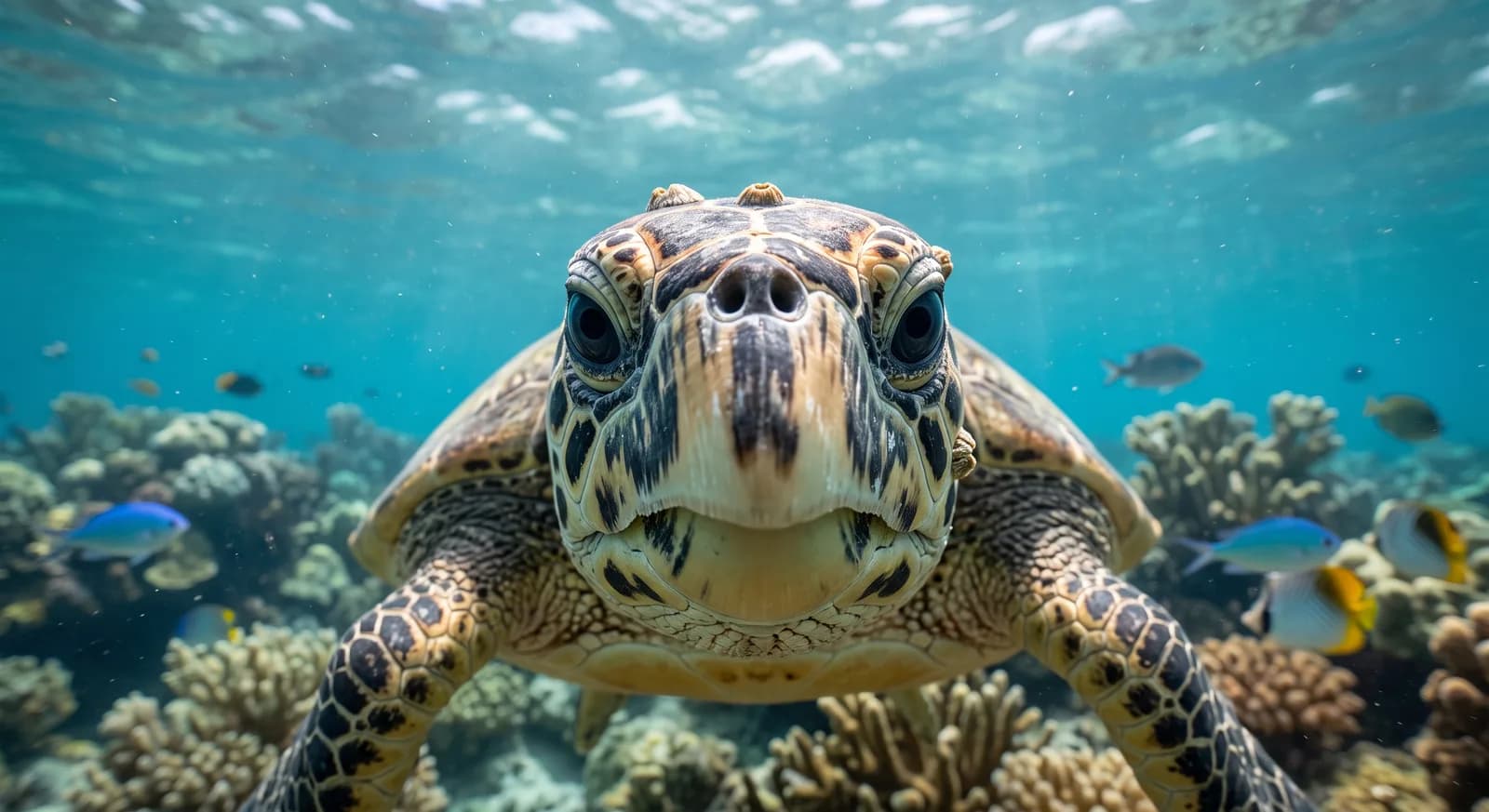
Hawksbill Turtle
Eretmochelys imbricata
 Endangered
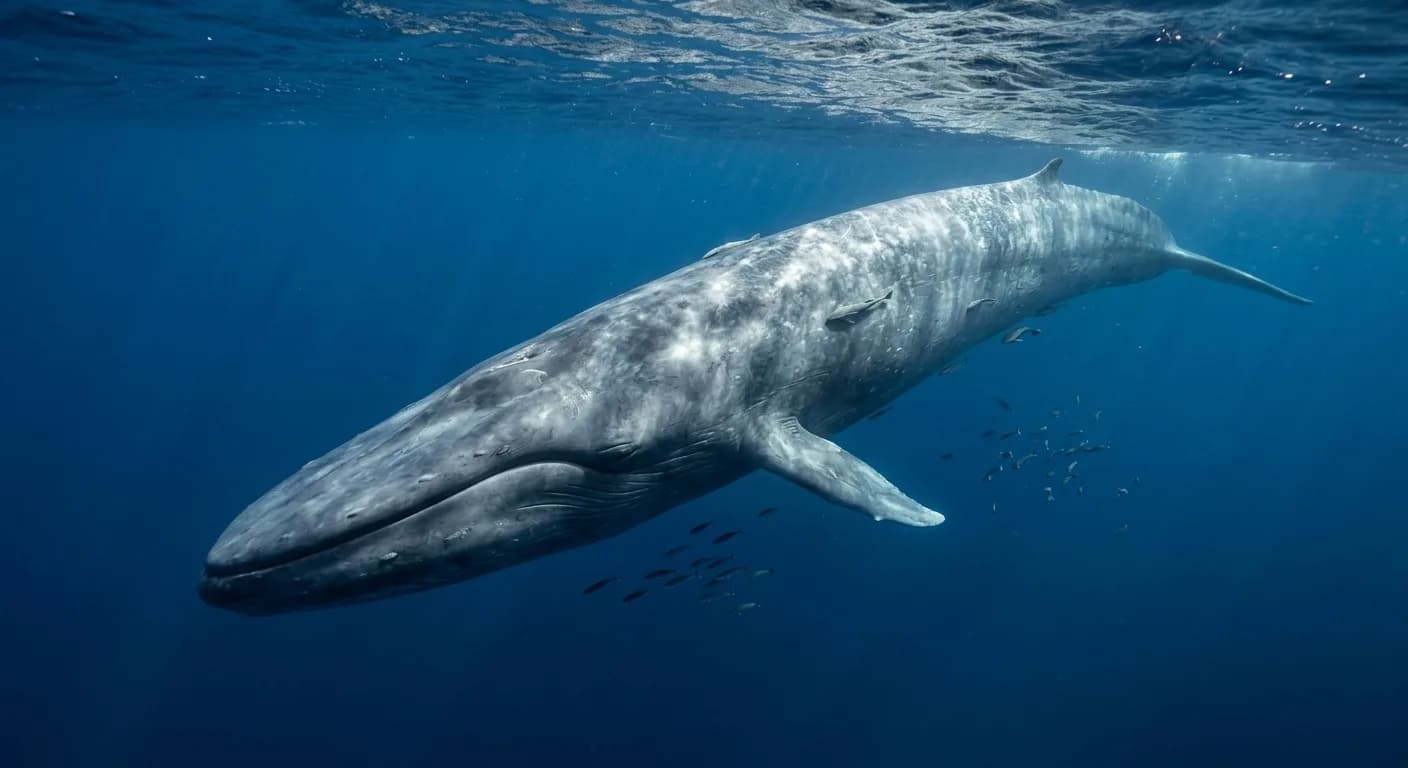
Blue Whale
Balaenoptera musculus
 Endangered
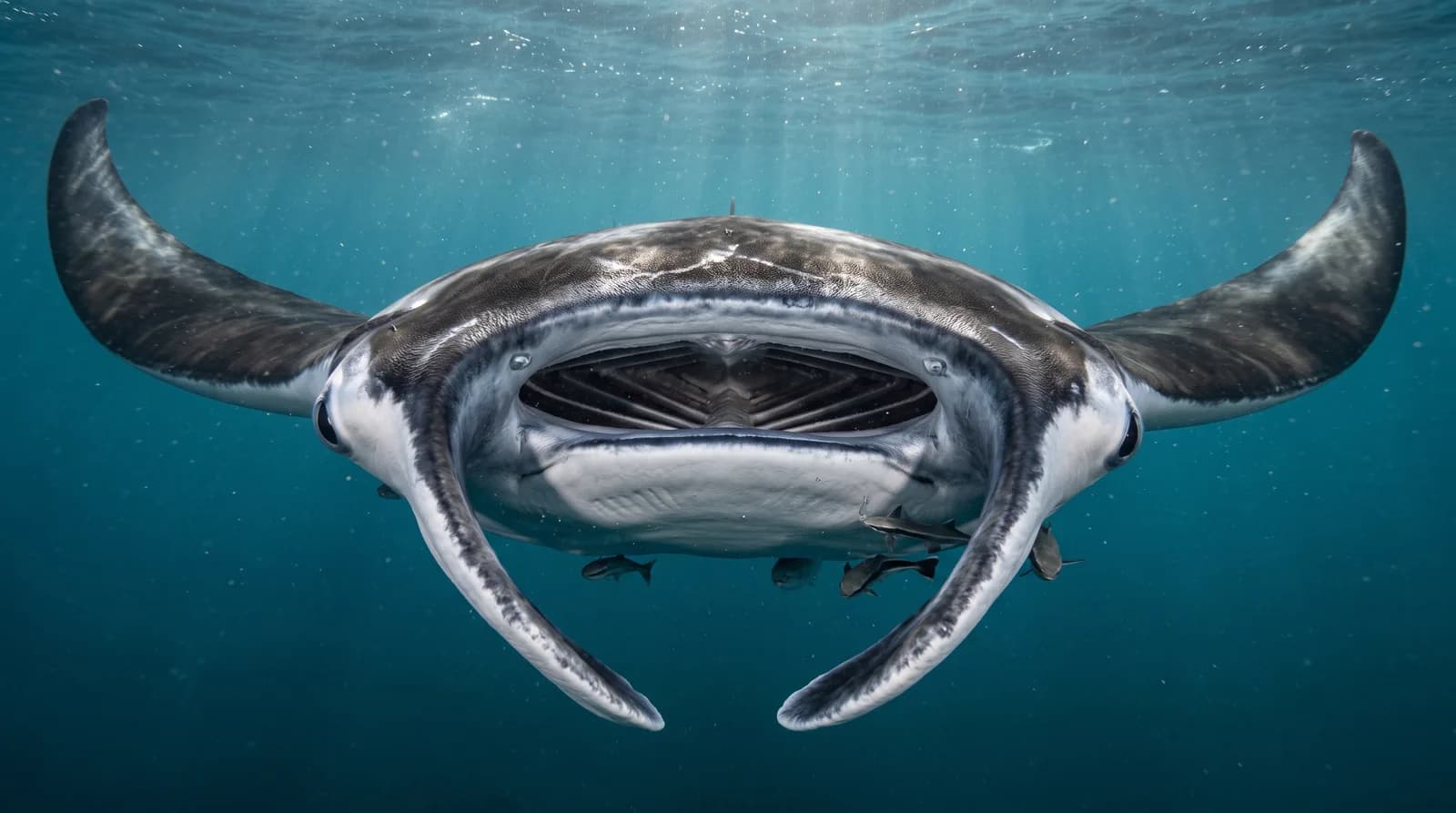
Giant Manta
Mobula birostris
 Endangered
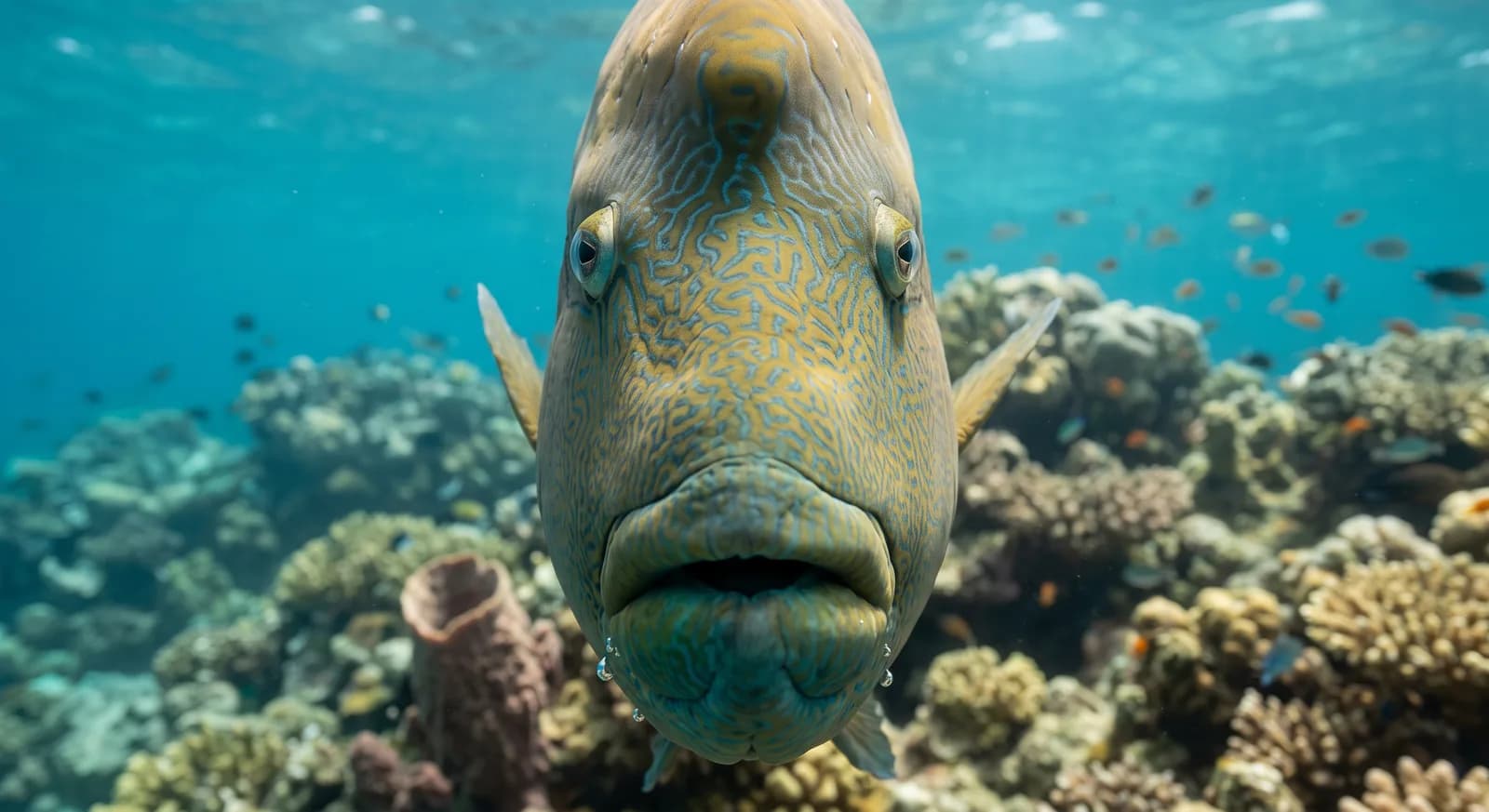
Humphead Wrasse
Cheilinus undulatus
 Endangered
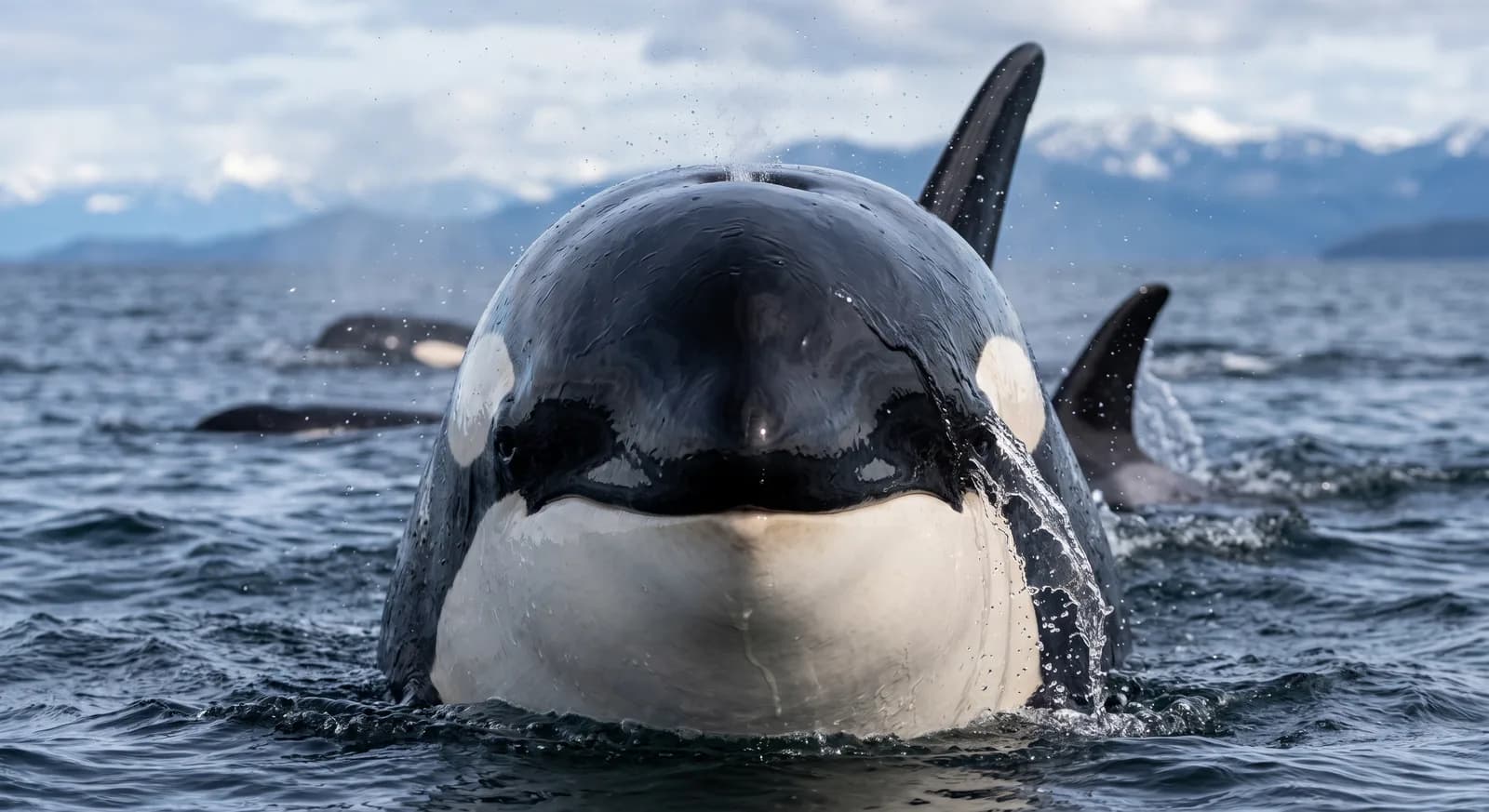
Killer Whale
Orcinus orca
 Endangered
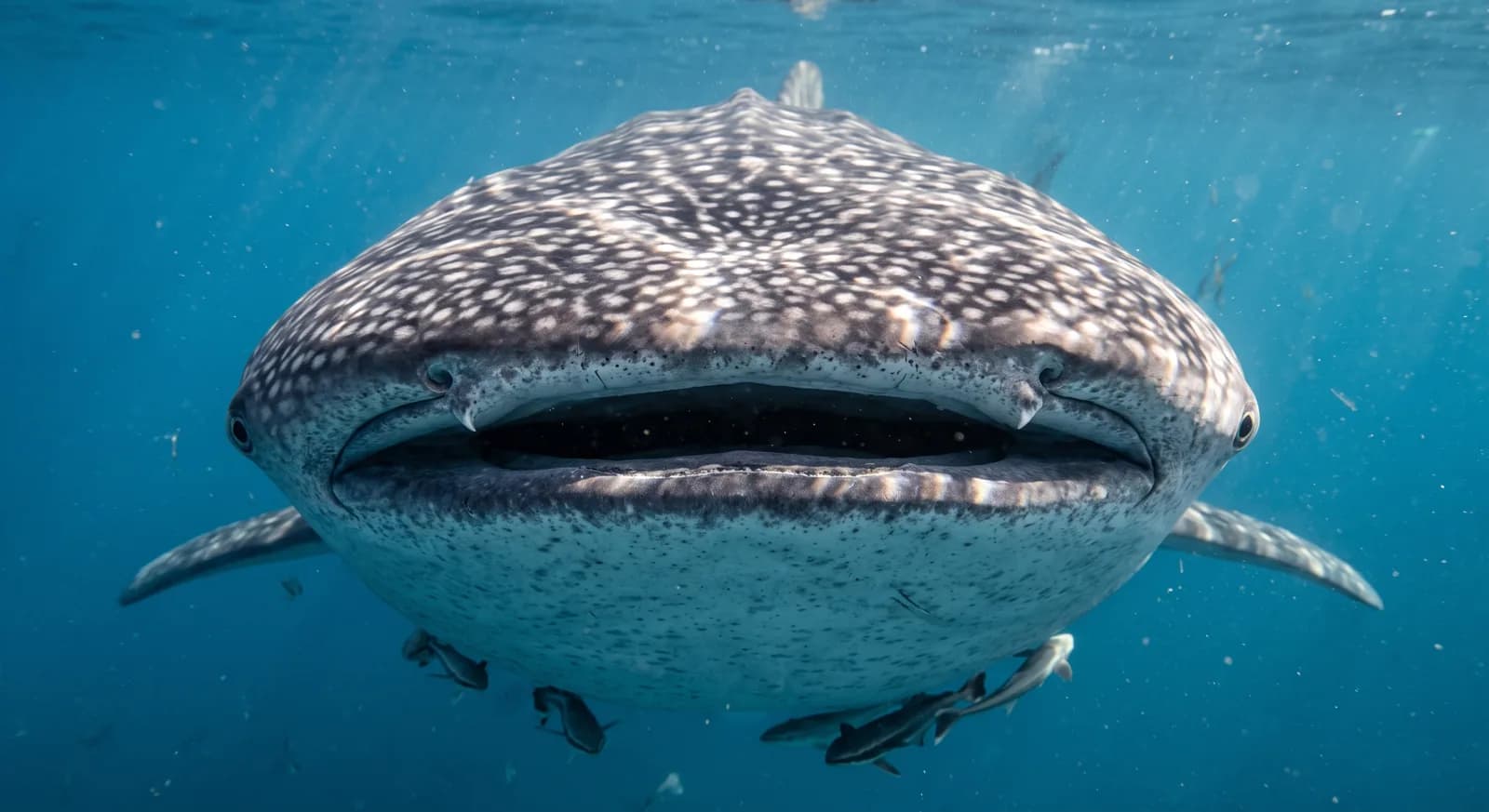
Whale Shark
Rhincodon typus
 Endangered
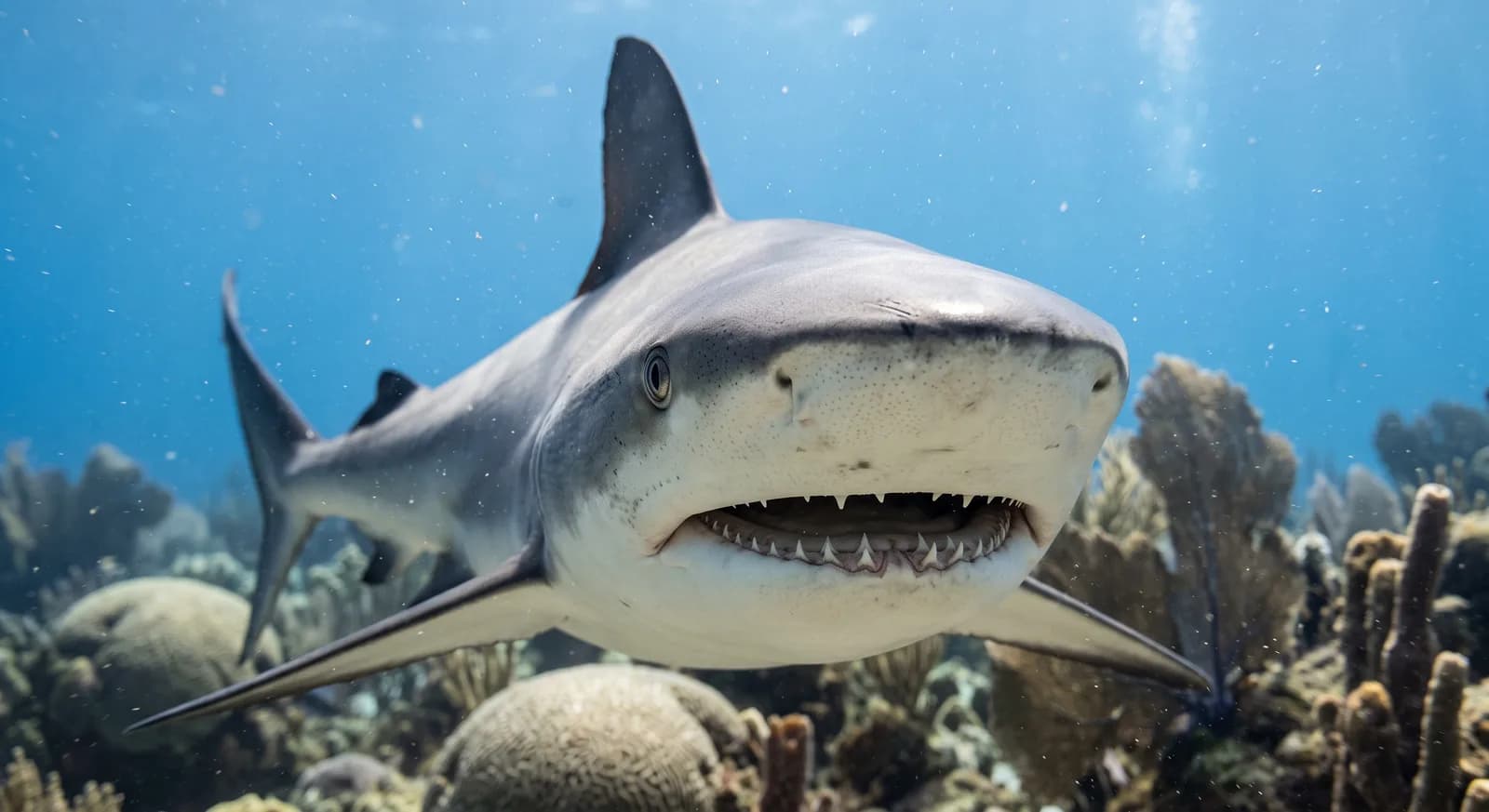
Grey Reef Shark
Carcharhinus amblyrhynchos
 Endangered
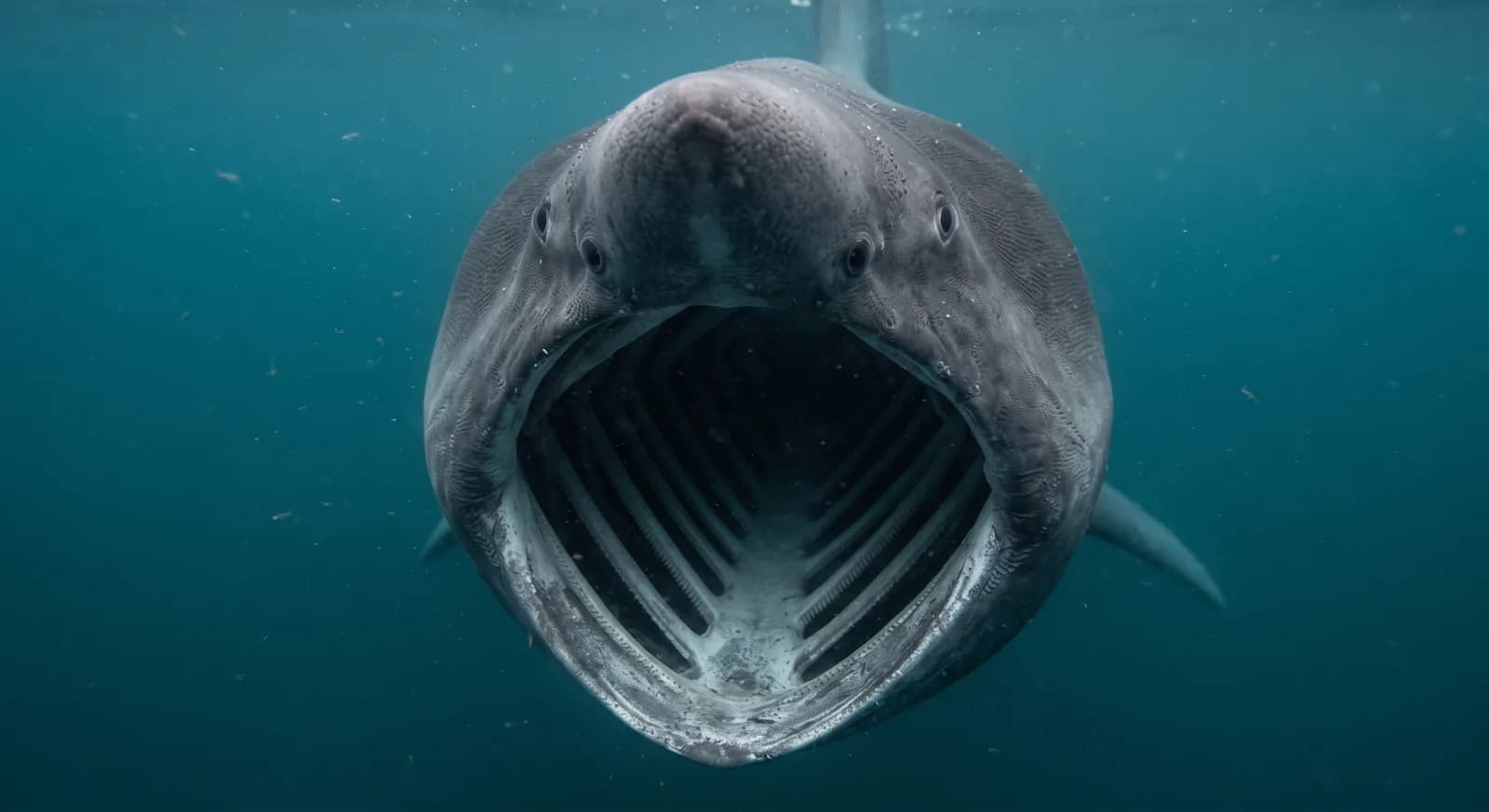
Basking Shark
Cetorhinus maximus
 Endangered
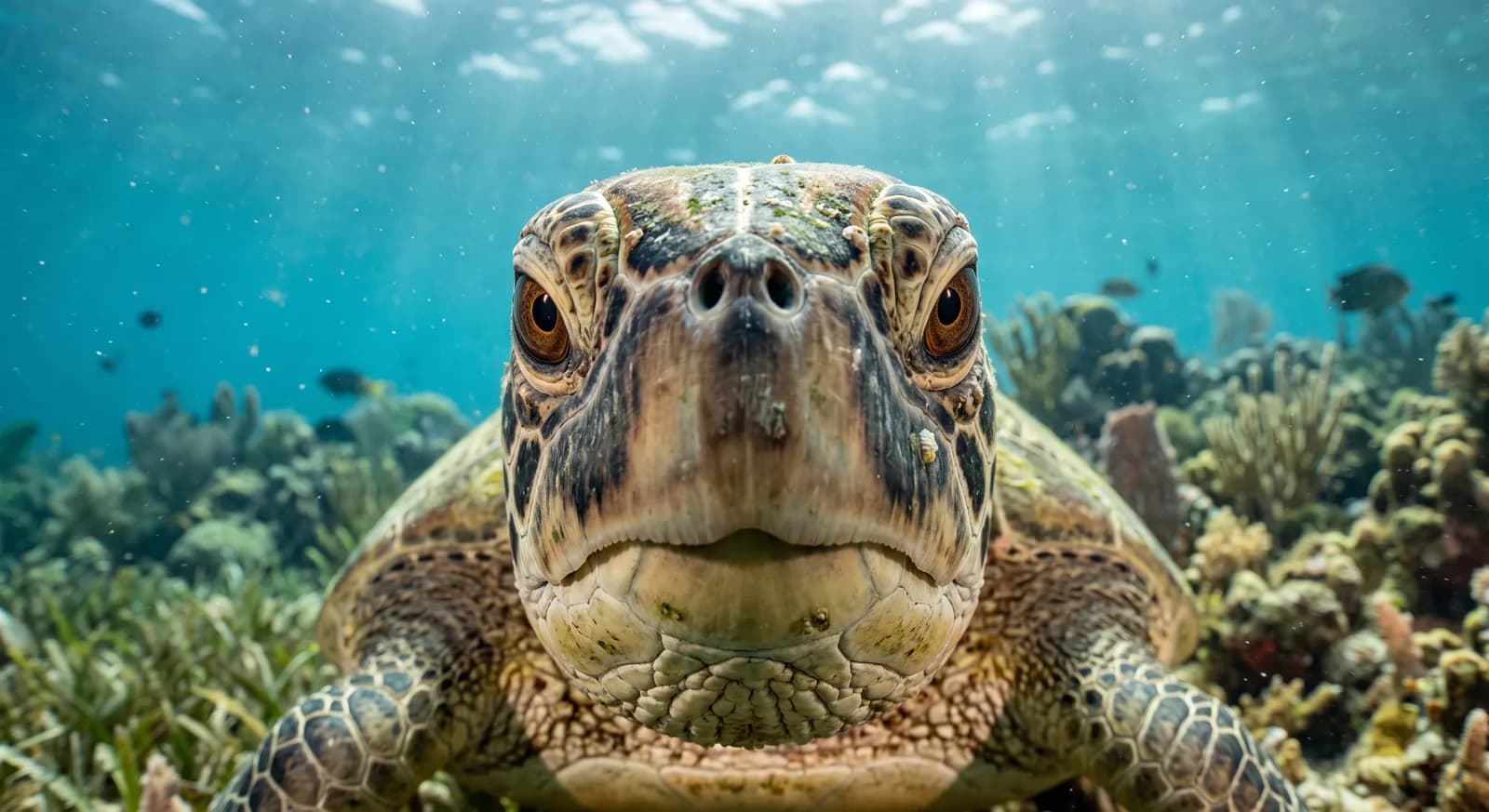
Green Turtle
Chelonia mydas
Keep exploring
Based on what we already know about Comoros.