Israel
Asia
Israel occupies the exact point where Europe, Asia and Africa meet, and through its narrow territory passes one of the busiest migratory corridors on the planet: the Rift Valley, crossed by hundreds of millions of birds every spring and autumn because they cannot cross the Mediterranean or the desert on soaring flight. Within a few kilometres you pass from the Mediterranean woodland of Carmel and Galilee to steppe, and from there to the Negev desert and the Dead Sea depression, the lowest point on the Earth's surface. The Arava and the erosion craters of the Negev hold Nubian ibex, hyraxes, striped hyenas and Arabian wolves. At the far south, the Gulf of Aqaba contributes coral reefs at the northern limit of their world distribution.
The nature of Israel
National animal: The hoopoe, chosen as national bird in 2008; the mountain gazelle is the emblematic mammal
Did you know?
When the Hula valley was drained in the 1950s to gain farmland, the cranes that used to stop there began devouring the crops. Instead of scaring them off, the decision was to feed them: every day a tractor spreads maize in an agreed area, and that has turned the restored wetland into a spectacle with tens of thousands of cranes that no longer migrate as far as Africa and spend the winter there.
Biodiversity profile
Climate
- •Mediterraneo (Csa) en el centro y norte
- •Semiarido y arido (BSh/BWh) en el sur (desierto del Negev)
- •Clima subtropical en el Valle del Jordan y el Mar Muerto
Main biomes
- •Bosque y matorral mediterraneo
- •Humedales del Valle de Hula (restaurados tras drenaje historico)
- •Desierto del Negev (sur, mas de la mitad del territorio)
- •Dunas costeras
- •Corredor migratorio del Rift
- •Bosque mediterráneo
- •Desierto del Néguev
- •Depresión hipersalina
- •Humedal restaurado
- •Arrecife de coral
- •Cráter erosivo
Marine and coastal ecosystems
- •Costa mediterranea con dunas costeras y playas de anidacion de tortugas marinas
- •Golfo de Aqaba/Eilat, con arrecifes de coral notablemente resilientes al calentamiento oceanico
Flagship wildlife
- •Gacela de montaña
- •Ibice nubio
- •Rana pintada de Hula ("fosil viviente", redescubierta en 2011 tras darse por extinta en 1996)
- •Ave migratoria en la Reserva Natural de Hula (mas de 200 especies)
- •Grulla común
- •Abubilla
- •Íbice de Nubia
- •Damán de las rocas
- •Lobo árabe
- •Hiena rayada
- •Onagro asiático
- •Buitre leonado
- •Gamo persa
Notable endemic species
- •Aprox. 150 especies de plantas endemicas de Israel o el Levante adyacente (6% del total de 2.700 especies vasculares)
- •Rana pintada de Hula, unica especie de su genero, considerada extinta durante 15 años hasta su redescubrimiento
- •Geco israeli de dedos en abanico, restringido a habitats rocosos del sur
- •Gamo persa
- •Ciprino del mar Muerto
Notable threatened species
- •Rana pintada de Hula (En Peligro Critico, poblacion extremadamente restringida y unica en el mundo)
- •Especies historicamente extirpadas del pais desde el siglo XIX por caza con armas de fuego: corzo, gamo, orix arabigo, onagro sirio, oso sirio, guepardo y avestruz, la mayoria mediante reintroduccion posterior
Notable protected areas
- •Reserva Natural de Hula (sitio Ramsar, restauracion de humedal historico)
- •Reserva Natural En Afek (sitio Ramsar)
- •Reserva del Valle del Hula
- •Reserva de Ein Gedi
- •Parque Nacional del Makhtesh Ramón
- •Reserva de Hai-Bar Yotvata
- •Parque Nacional del Monte Carmelo
- •Arrecife de coral de Eilat
Main conservation threats
- •Perdida historica de grandes mamiferos por caza no regulada hasta mediados del siglo XX
- •Presion demografica y urbanizacion sobre habitats naturales
- •Programas activos de reintroduccion de especies extirpadas en curso desde entonces
Notable natural phenomena
- •El redescubrimiento de la rana pintada de Hula en 2011, tras 15 años de considerarse extinta, es uno de los casos mas notables de "especie Lazaro" documentados en el mundo
Conservation
The country has reintroduced species named in biblical sources, such as the Persian fallow deer, the Asiatic wild ass and the griffon vulture, from the Hai-Bar breeding centre. Electrocution on power lines and poisoning still hold back the raptors' recovery.
Where and when to watch wildlife
The Hula valley between November and February for cranes. Eilat in March and April for the spring migration of raptors and passerines. The Negev at dawn for ibex and gazelles.
Sources: earth-site.co.uk - Exploring the Flora and Fauna of Israel | Grokipedia - Wildlife of Israel | jewishvirtuallibrary.org - Israel Environment Nature Flora and Fauna
Parks and reserves
Diving and snorkelling
Países similares
¿A dónde más podría interesarme viajar?
Misma región: Oriente Medio y Asia Occidental
Misma región: Oriente Medio y Asia Occidental
Misma región: Oriente Medio y Asia Occidental
Misma región: Oriente Medio y Asia Occidental
Especies documentadas en Israel
363 species found
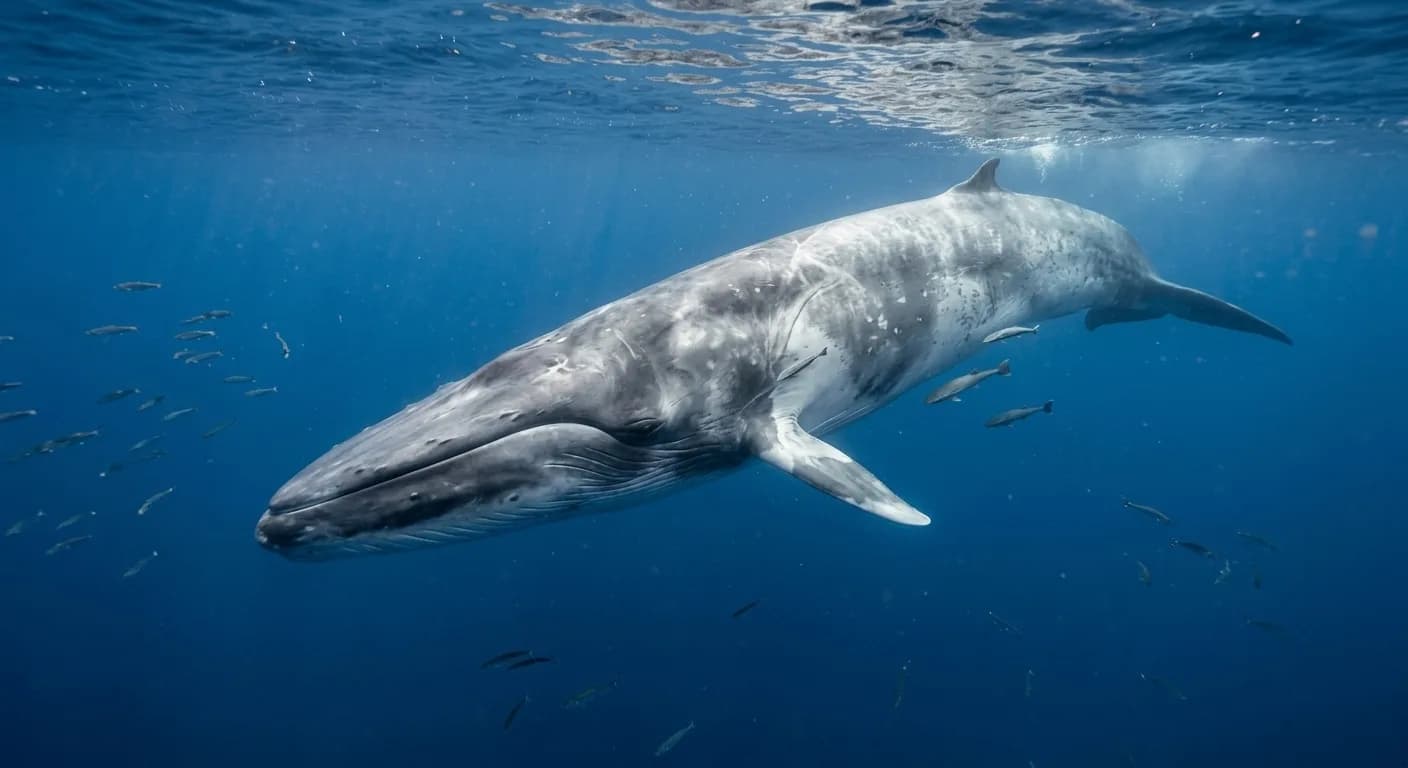 Endangered
Fin Whale
Balaenoptera physalus
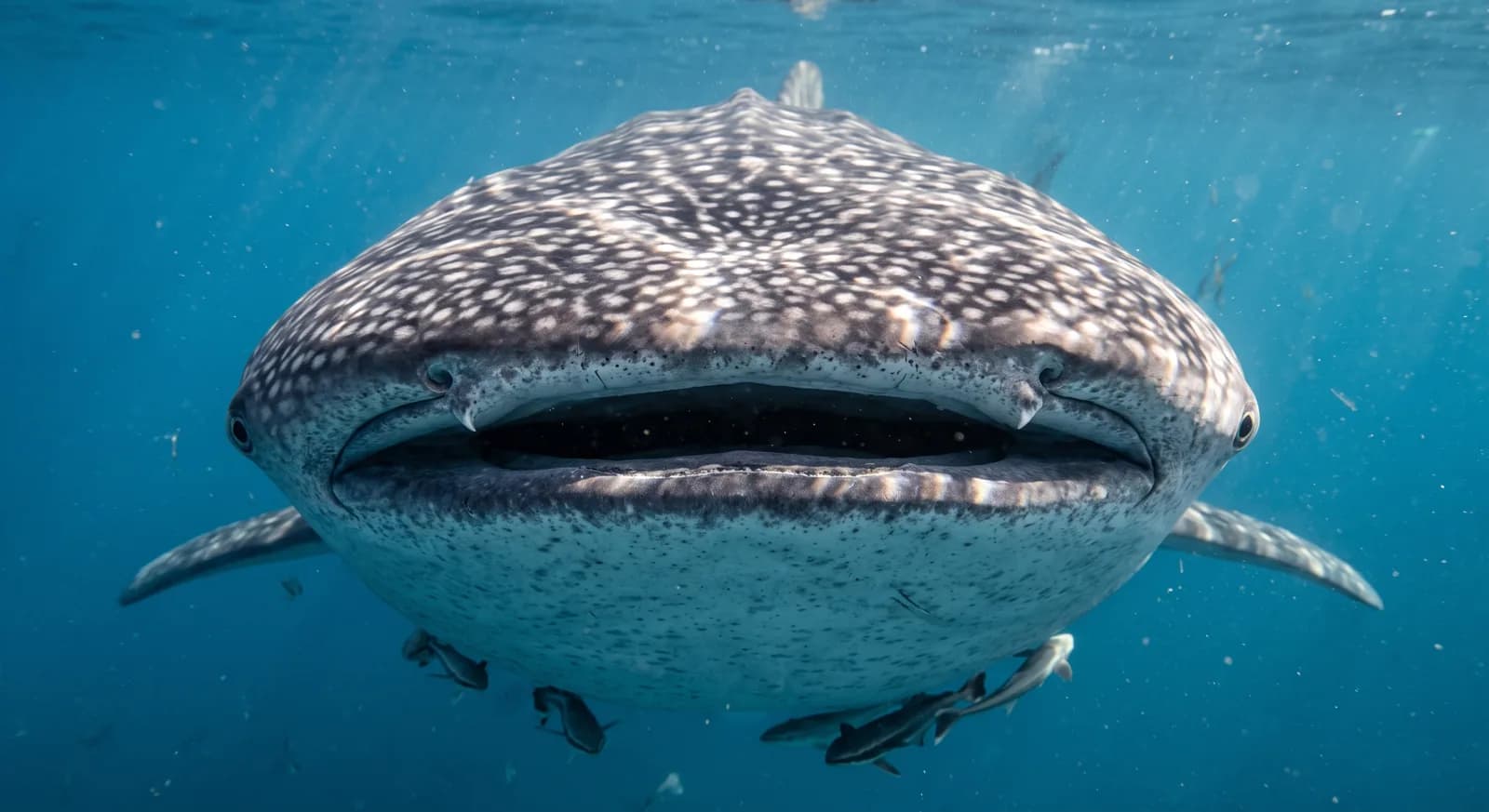 Endangered
Whale Shark
Rhincodon typus
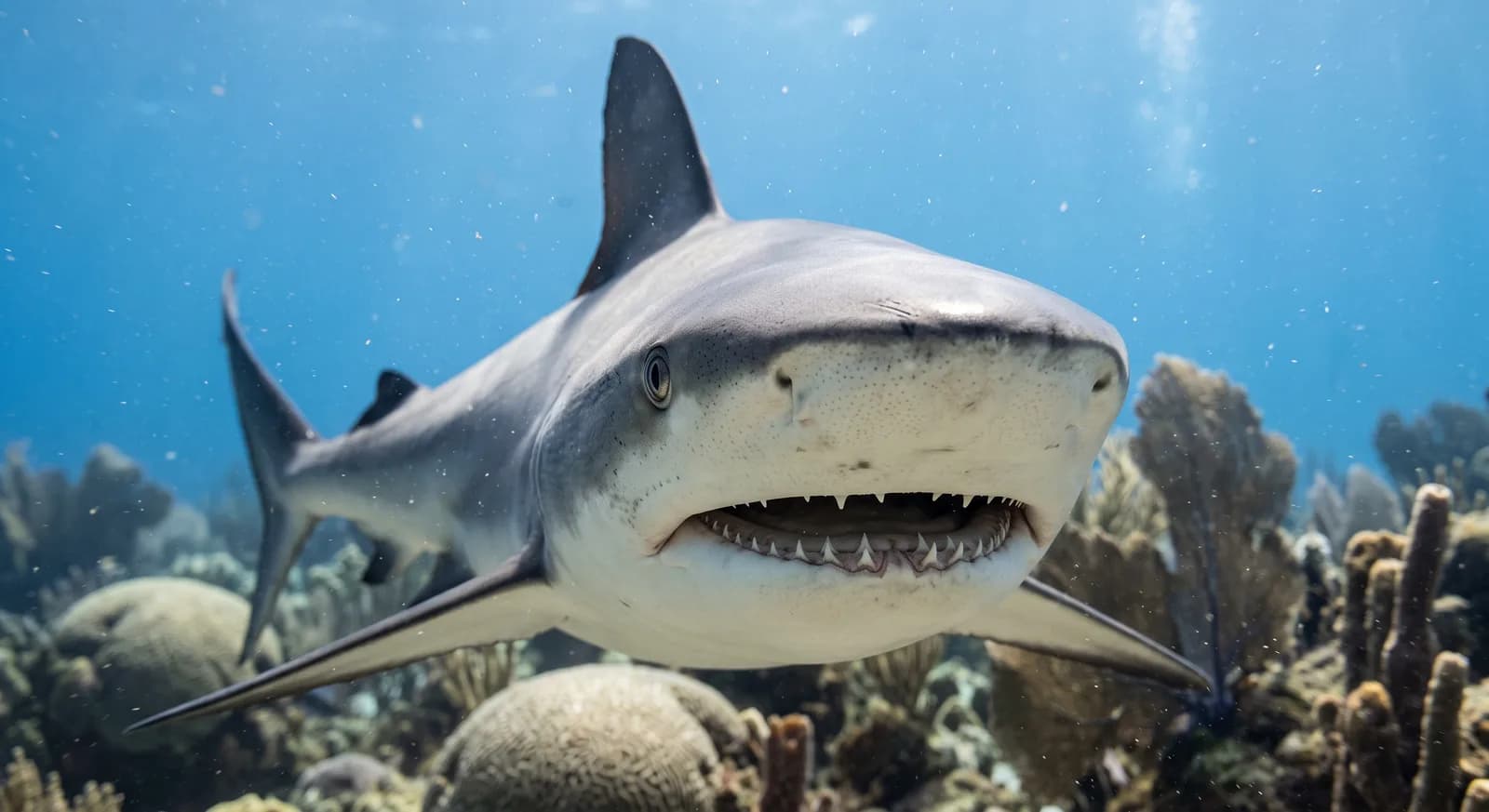 Endangered
Grey Reef Shark
Carcharhinus amblyrhynchos
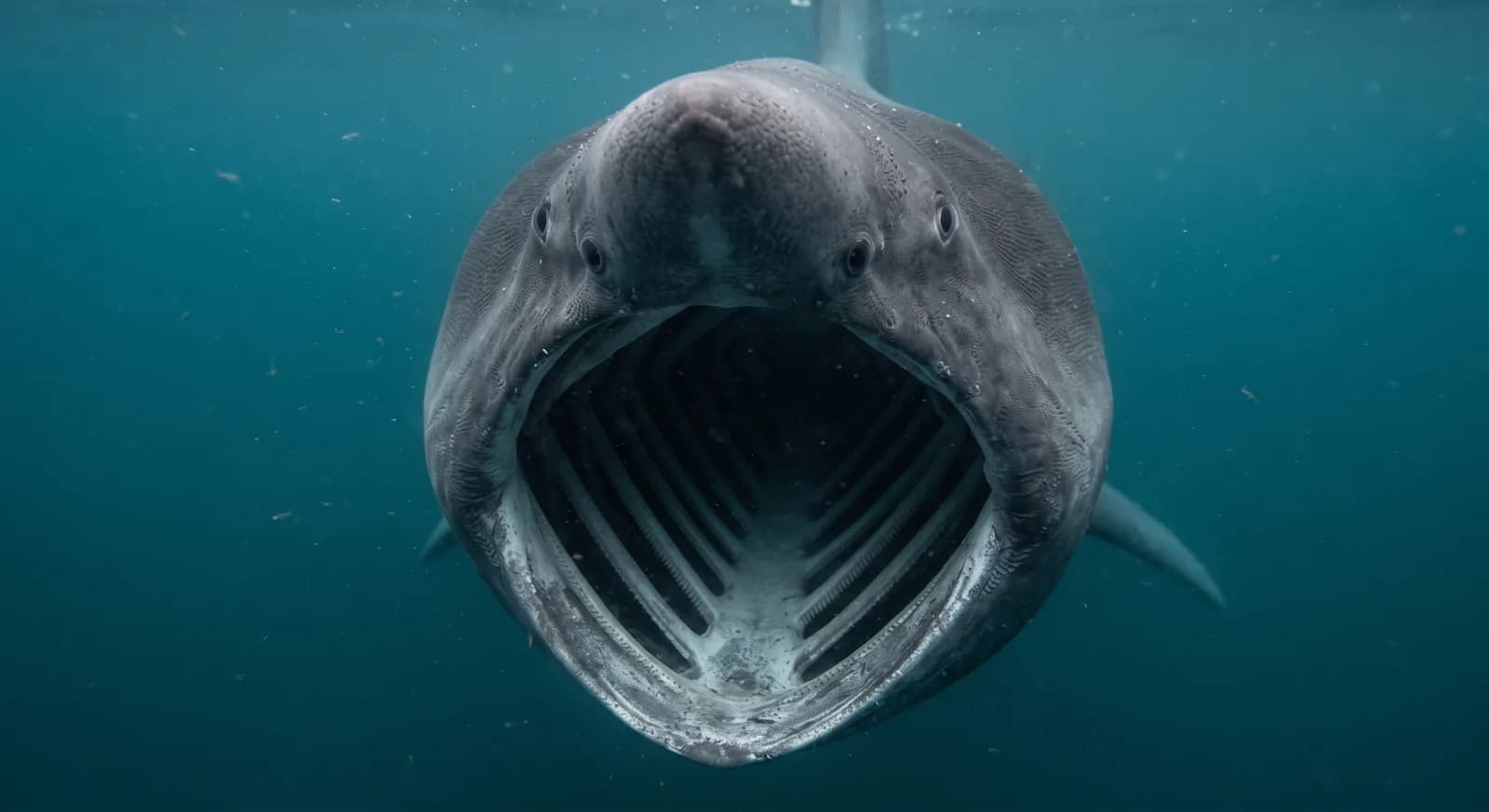 Endangered
Basking Shark
Cetorhinus maximus
 Endangered
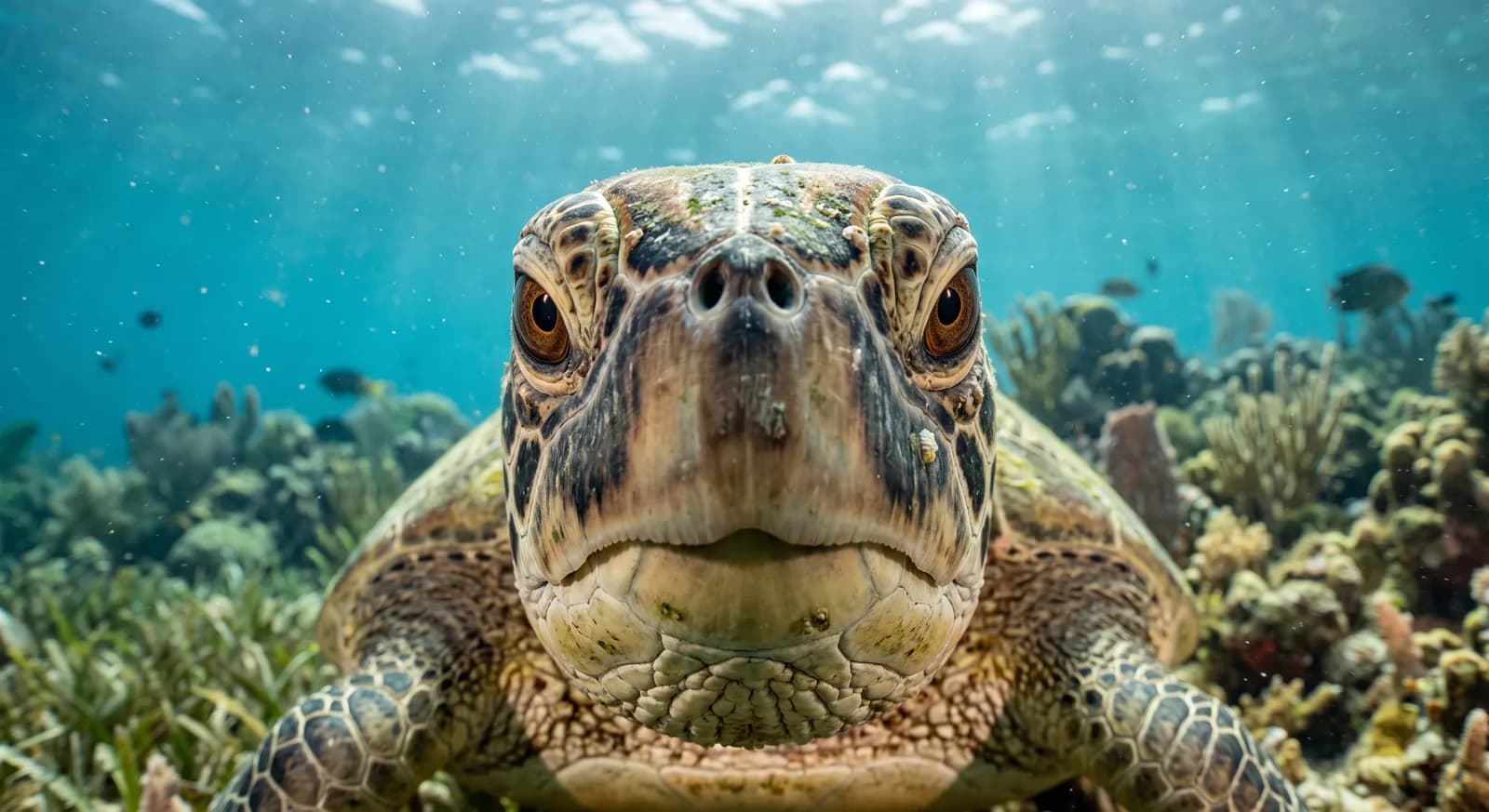
Green Turtle
Chelonia mydas
 Vulnerable
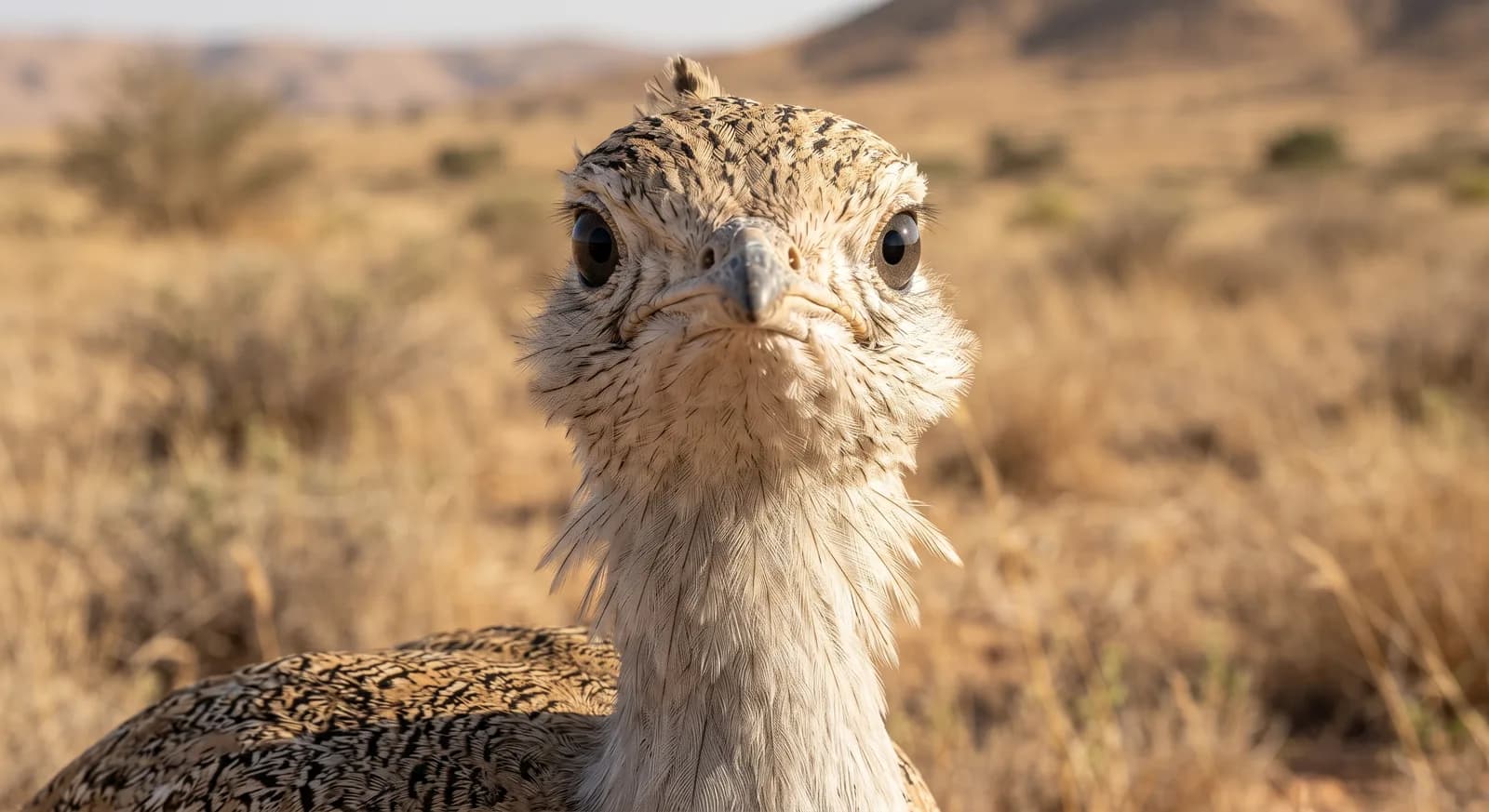
Houbara Bustard
Chlamydotis undulata
 Vulnerable
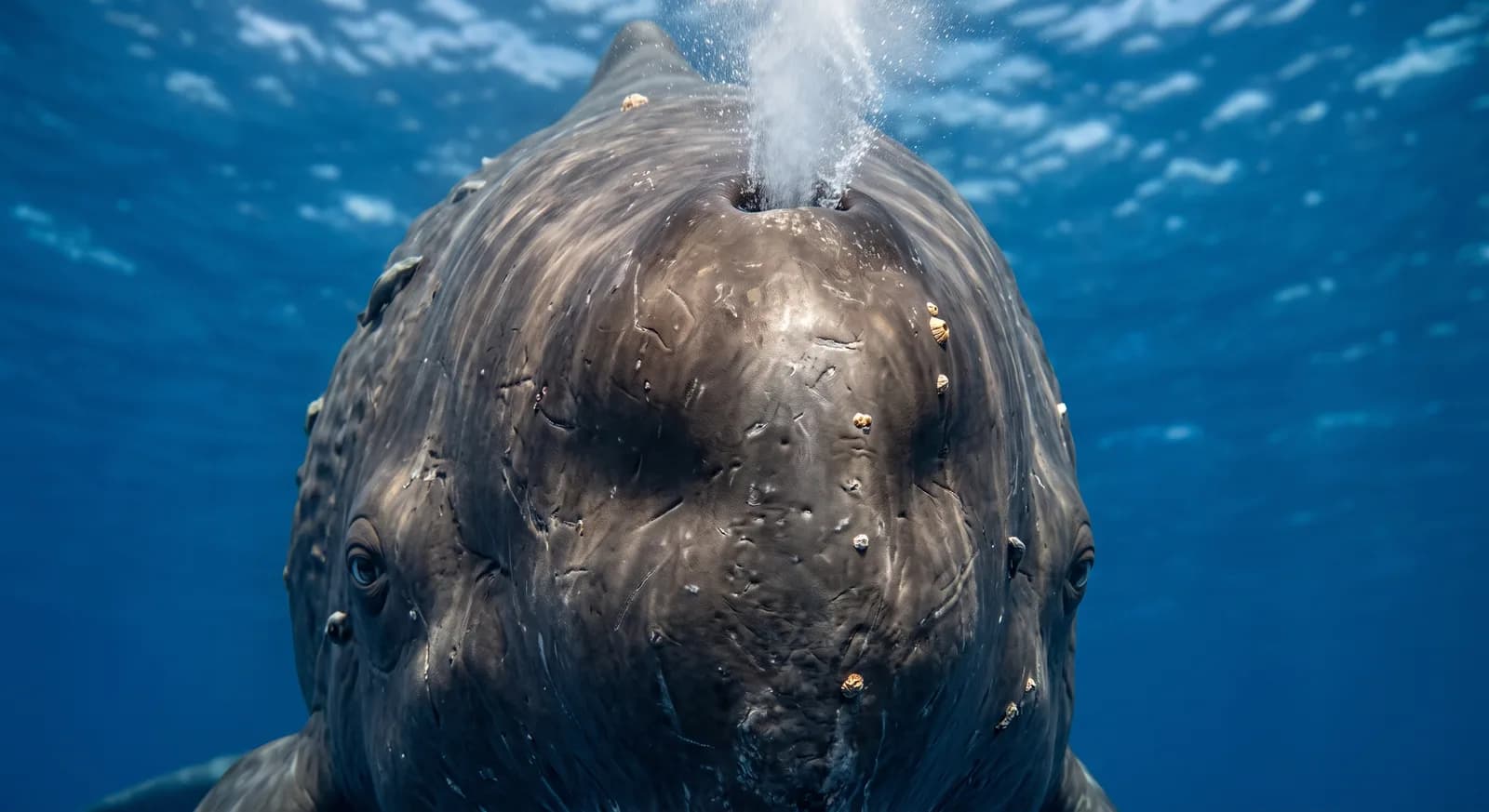
Sperm Whale
Physeter macrocephalus
 Vulnerable
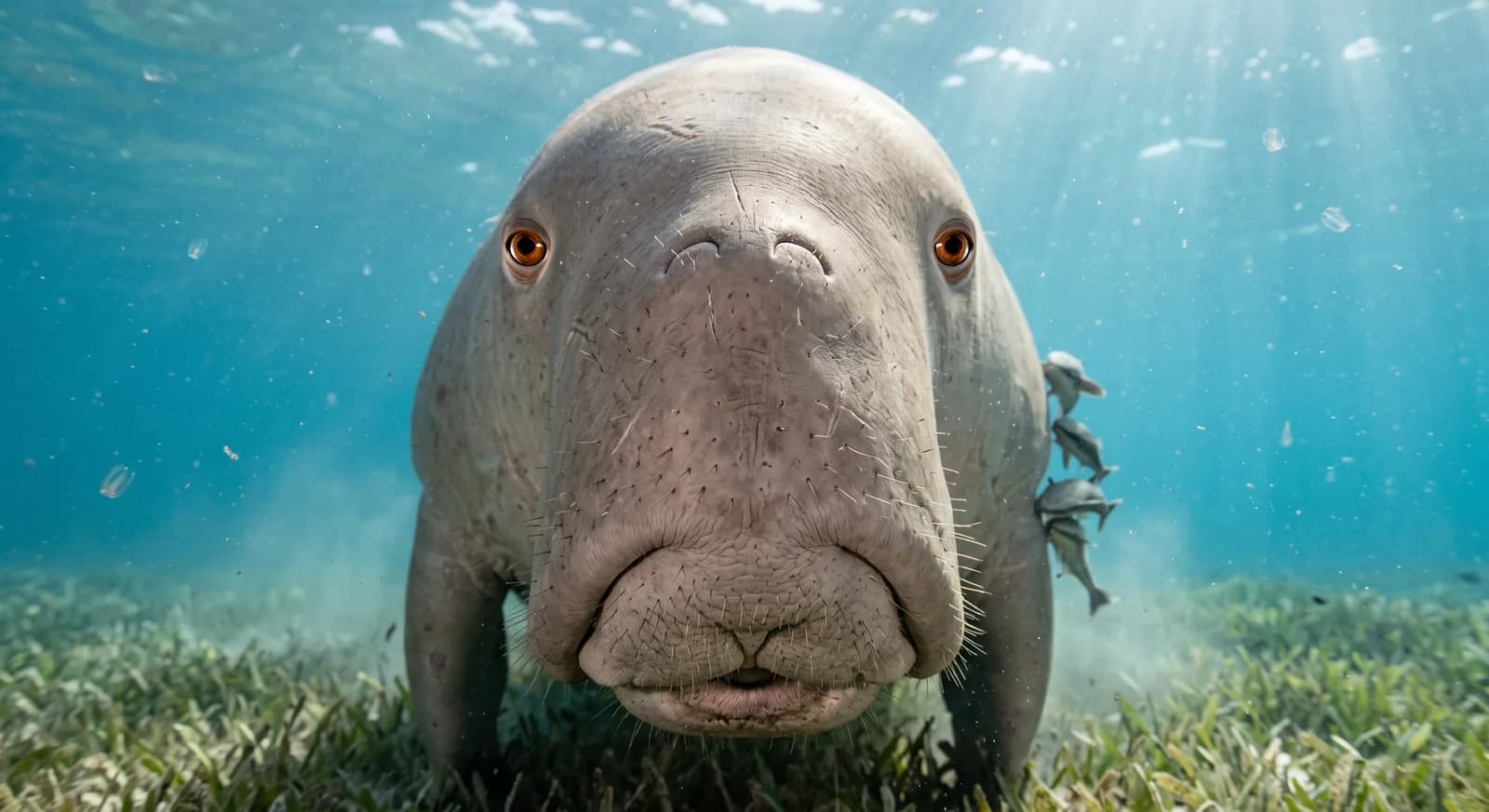
Dugong
Dugong dugon
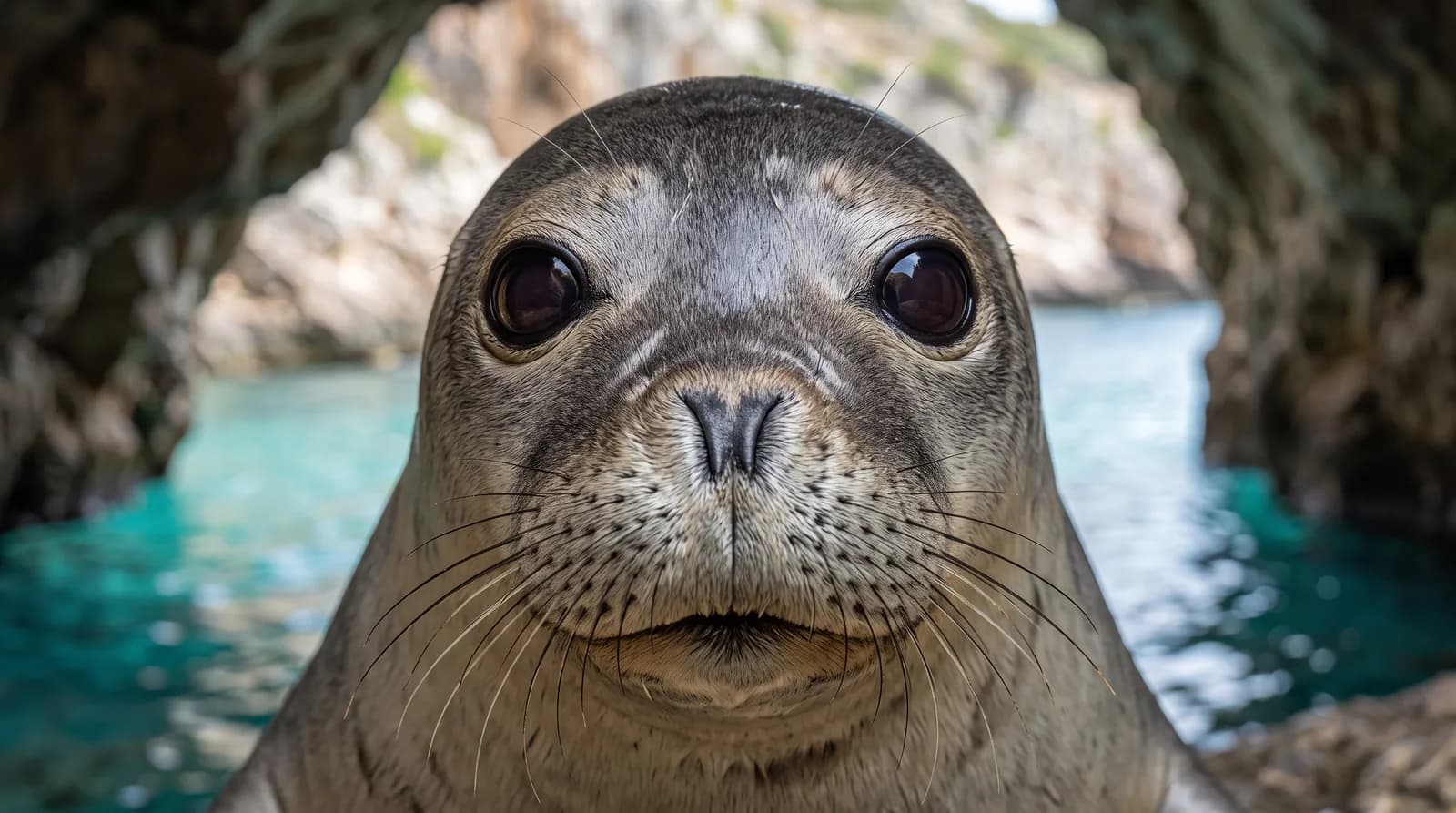 Vulnerable
Mediterranean Monk Seal
Monachus monachus
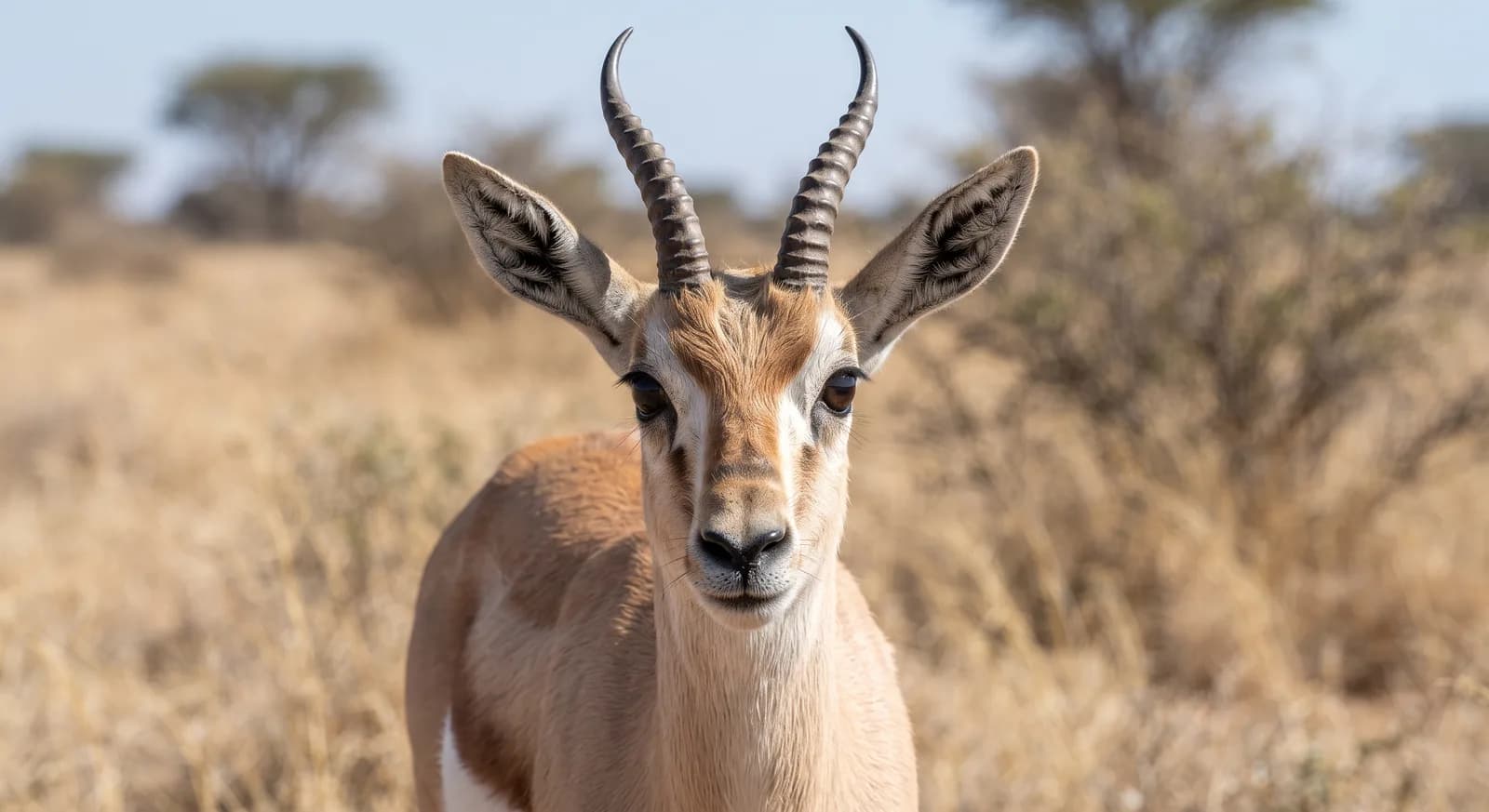 Vulnerable
Dorcas Gazelle
Gazella dorcas
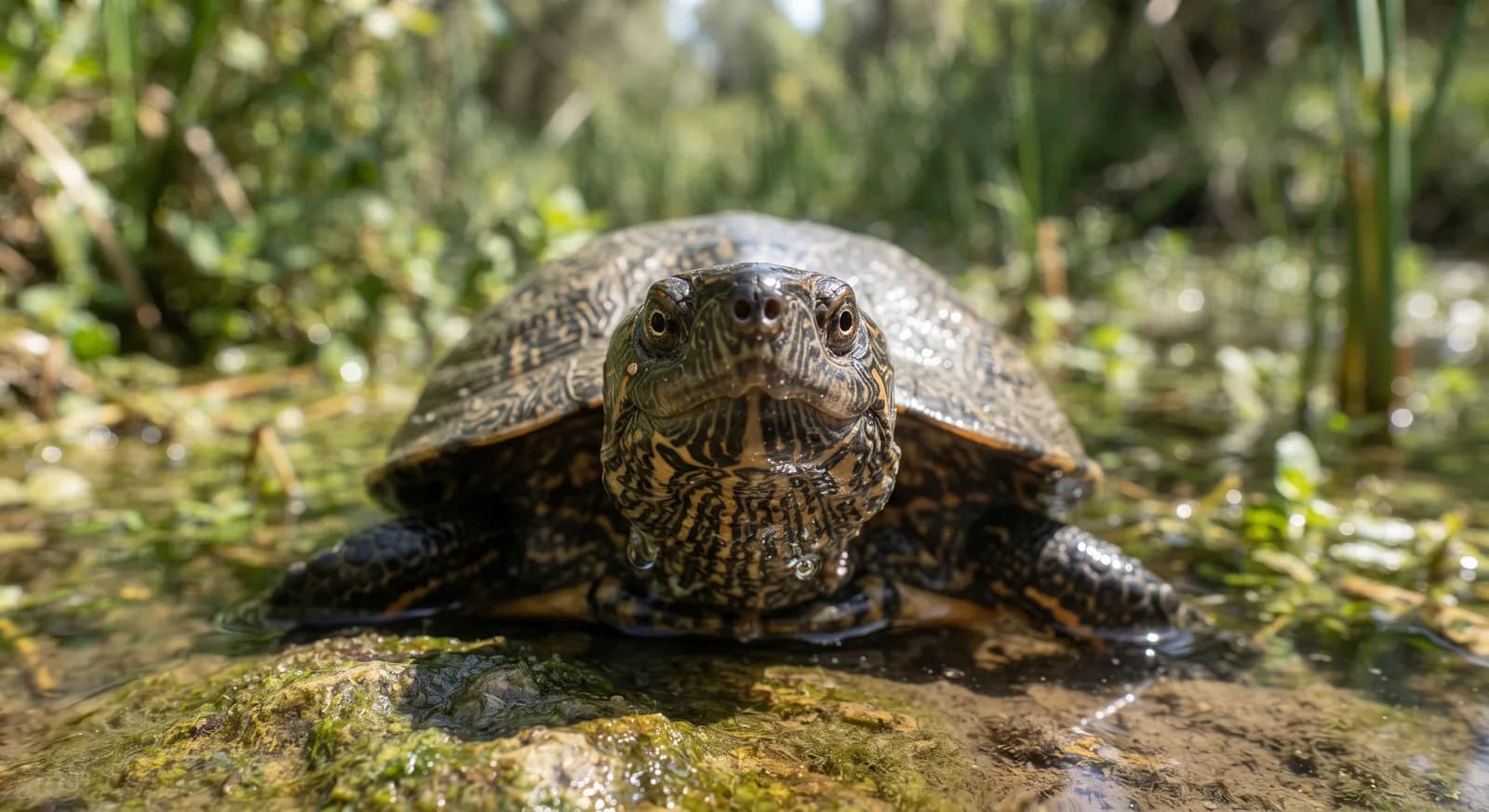 Vulnerable
Spanish Terrapin
Mauremys leprosa
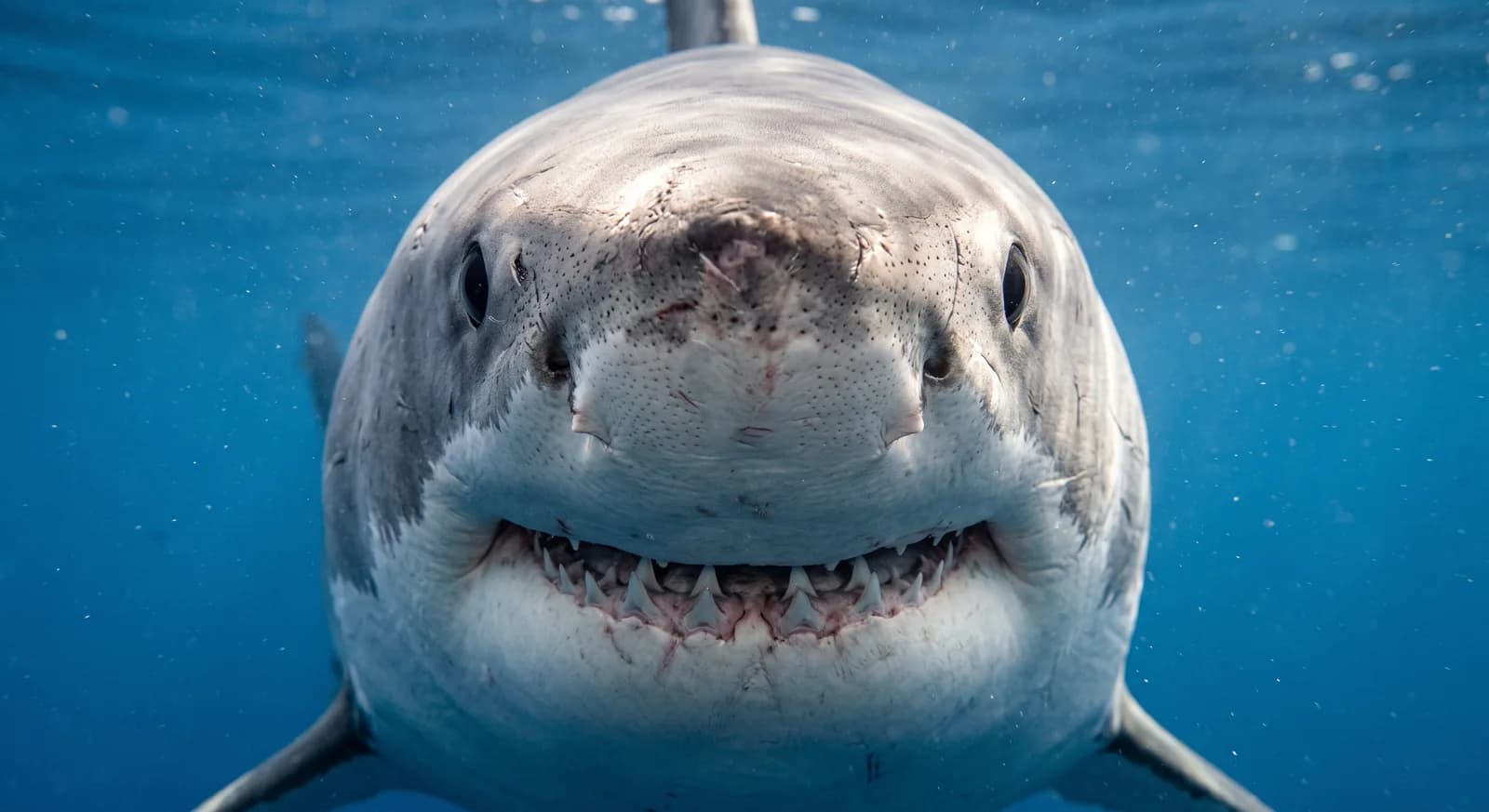 Vulnerable
Great White Shark
Carcharodon carcharias
Keep exploring
Based on what we already know about Israel.