Liberia
África
Liberia is the country that keeps the most Upper Guinean moist forest: it is reckoned to hold around forty per cent of what remains of this ecosystem, spread between Sapo national park, the Nimba and Wonegizi mountains and several forest blocks in the southeast. Sapo, the largest park in the country, is dense primary forest of emergent trees and closed understorey where forest elephants, pygmy hippopotamuses, chimpanzees, duikers and seven species of diurnal primate live. The coast, almost six hundred kilometres long, alternates mangroves, brackish lagoons and sea turtle nesting beaches. The Cavalla, Saint Paul and Cestos rivers cross the forest forming corridors where the dwarf crocodile and the spotted-necked otter survive, and the northern mountains receive rainfall that sustains cloud forest.
The nature of Liberia
National animal: No official national animal
Did you know?
The Liberian mongoose was not described scientifically until 1958 and remains one of the least known carnivores in Africa. It lives only in the forests of Liberia and neighbouring Côte d'Ivoire, and it has a diet extraordinarily odd for a carnivore: it feeds above all on earthworms, which it locates by digging through the forest floor with an elongated snout and reduced teeth of little use for tearing flesh.
Biodiversity profile
Climate
- •Tropical humedo (Af/Am), con estacion lluviosa intensa en la costa
Main biomes
- •Bosque tropical humedo (mayor remanente del Bosque Alto de Guinea, 42% del ecosistema total del hotspot se encuentra en Liberia)
- •Manglares costeros
- •Bosque húmedo primario de Alta Guinea
- •Bosque de niebla de montaña
- •Manglar atlántico
- •Laguna costera
- •Bosque de galería
- •Sabana de transición
- •Playa de puesta de tortugas
Marine and coastal ecosystems
- •Reserva de Uso Multiple Sostenible del Lago Piso (manglares costeros)
Flagship wildlife
- •Chimpance occidental (En Peligro Critico)
- •Hipopotamo pigmeo (En Peligro)
- •Loro timneh (En Peligro)
- •Colobo rojo de Africa Occidental (En Peligro)
- •Elefante de bosque africano
- •Mangosta liberiana
- •Cefalofo de Jentink
- •Cefalofo cebrado
- •Cocodrilo enano
- •Mono de Diana
- •Manatí africano
- •Tortuga laúd
Notable endemic species
- •313 especies de plantas registradas en un area de conservacion recientemente evaluada, mas de un cuarto endemicas
- •40 especies de anfibios documentadas, mas de la mitad endemicas del Bosque Alto de Guinea
- •Liberia contiene la mayor proporcion del hotspot de cualquier pais (42%)
- •Mangosta liberiana
- •Cefalofo de Jentink
Notable threatened species
- •Chimpance (En Peligro Critico)
- •Hipopotamo pigmeo (En Peligro)
- •Loro timneh (En Peligro)
- •Colobo rojo de Africa Occidental (En Peligro)
- •Duiker de Jentink (En Peligro)
- •Solo 30% del Bosque Alto de Guinea remanente en Liberia, con el 70% ya destruido por actividad humana
Notable protected areas
- •Bosque Comunitario de Normon y Tonglay (recientemente protegidos)
- •Parque Nacional Sapo (mayor area protegida de bosque tropical del pais)
- •Parque Nacional de Sapo
- •Reserva Natural del Este del Nimba
- •Parque Nacional de Grebo-Krahn
- •Bosque de Wonegizi
- •Lago Piso
- •Parque Nacional de Gola
Main conservation threats
- •Caza furtiva, mineria, agricultura de tala y quema y desarrollo comercial
- •Persistencia de amenazas pese al fin de la guerra civil, cuyo legado aun se refleja en la degradacion de habitat
- •Solo queda un estimado 30% del Bosque Alto de Guinea liberiano
Notable natural phenomena
- •El Bosque Alto de Guinea de Liberia almacena millones de toneladas de carbono, con proyectos de conservacion que buscan asegurar mas de 68 millones de toneladas metricas adicionales
Conservation
The spread of oil palm and rubber plantations and mining are the main pressures on the forest. Liberia has signed international agreements to protect a significant percentage of its forest area.
Where and when to watch wildlife
Sapo in the dry season, between November and April, for primates and forest wildlife. Lake Piso for manatees and waterbirds. The southeastern beaches between October and March for turtles.
Sources: Rainforest Trust - Save West Africa's Last Intact Forests Liberia | Rainforest Trust - The Upper Guinea Forest | CEPF - Ecosystem Profile Guinean Forests West Africa
Parks and reserves
Países similares
¿A dónde más podría interesarme viajar?
Misma región: África Occidental
Misma región: África Occidental
Misma región: África Occidental
Misma región: África Occidental
Especies documentadas en Liberia
209 species found
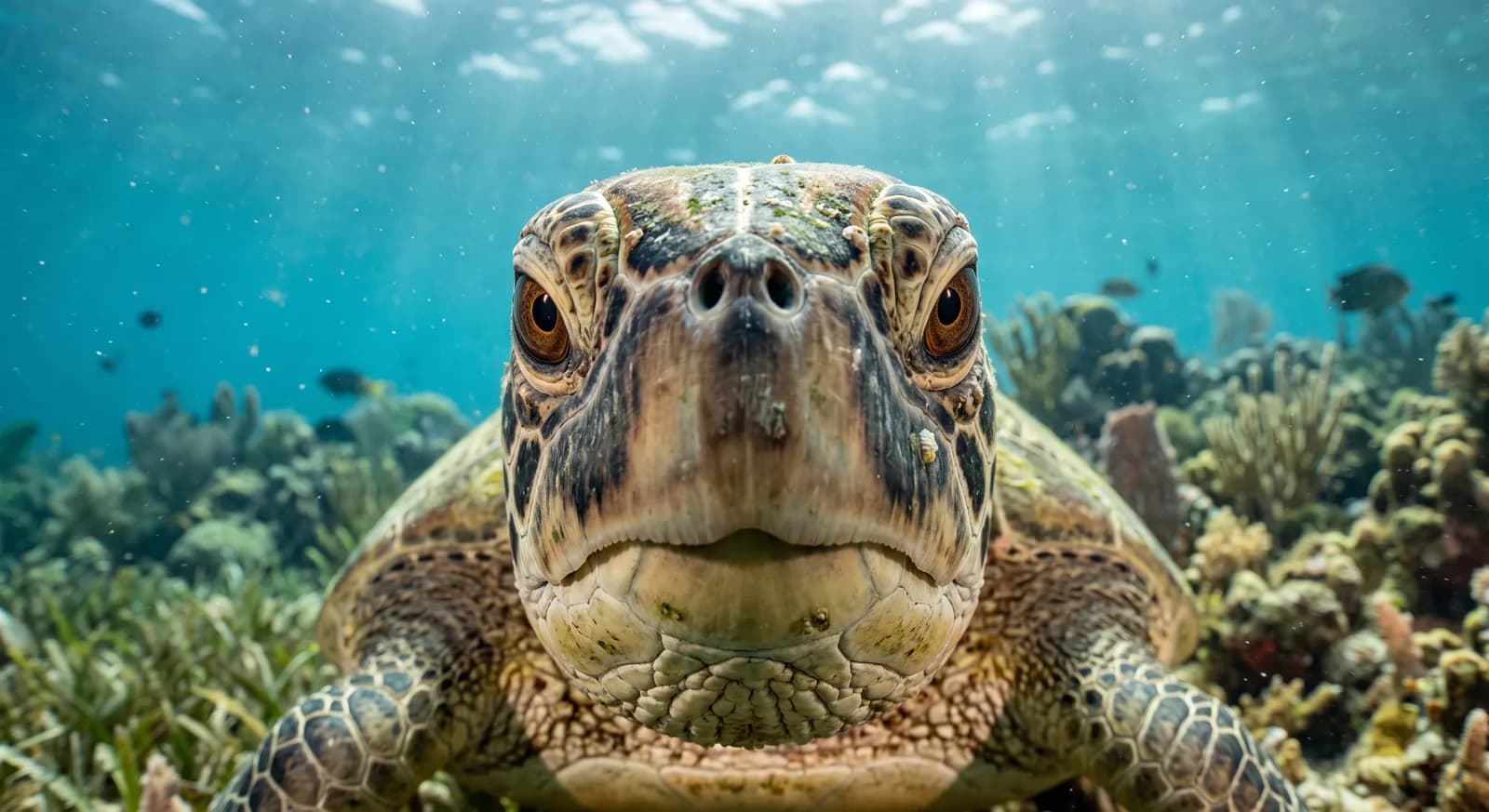 Endangered
Green Turtle
Chelonia mydas
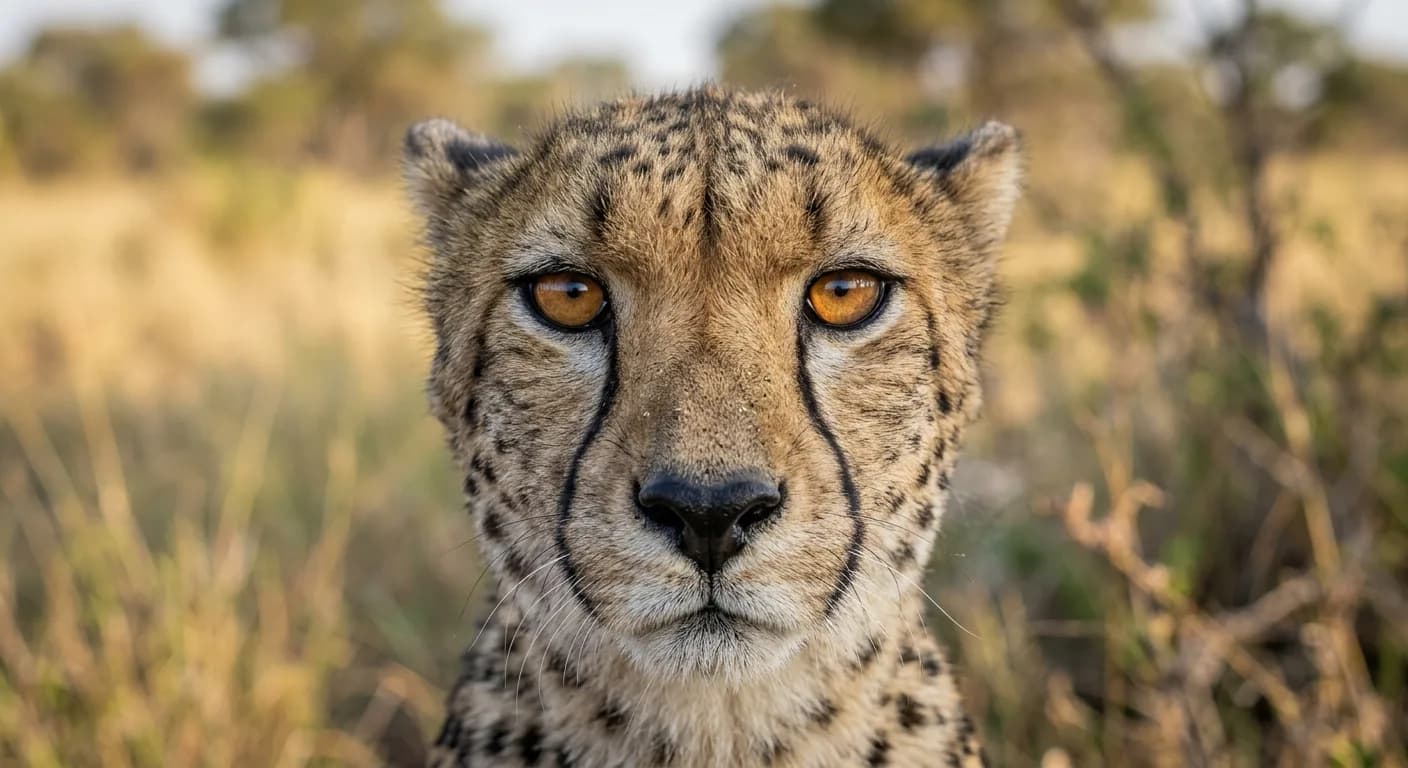 Vulnerable
Cheetah
Acinonyx jubatus
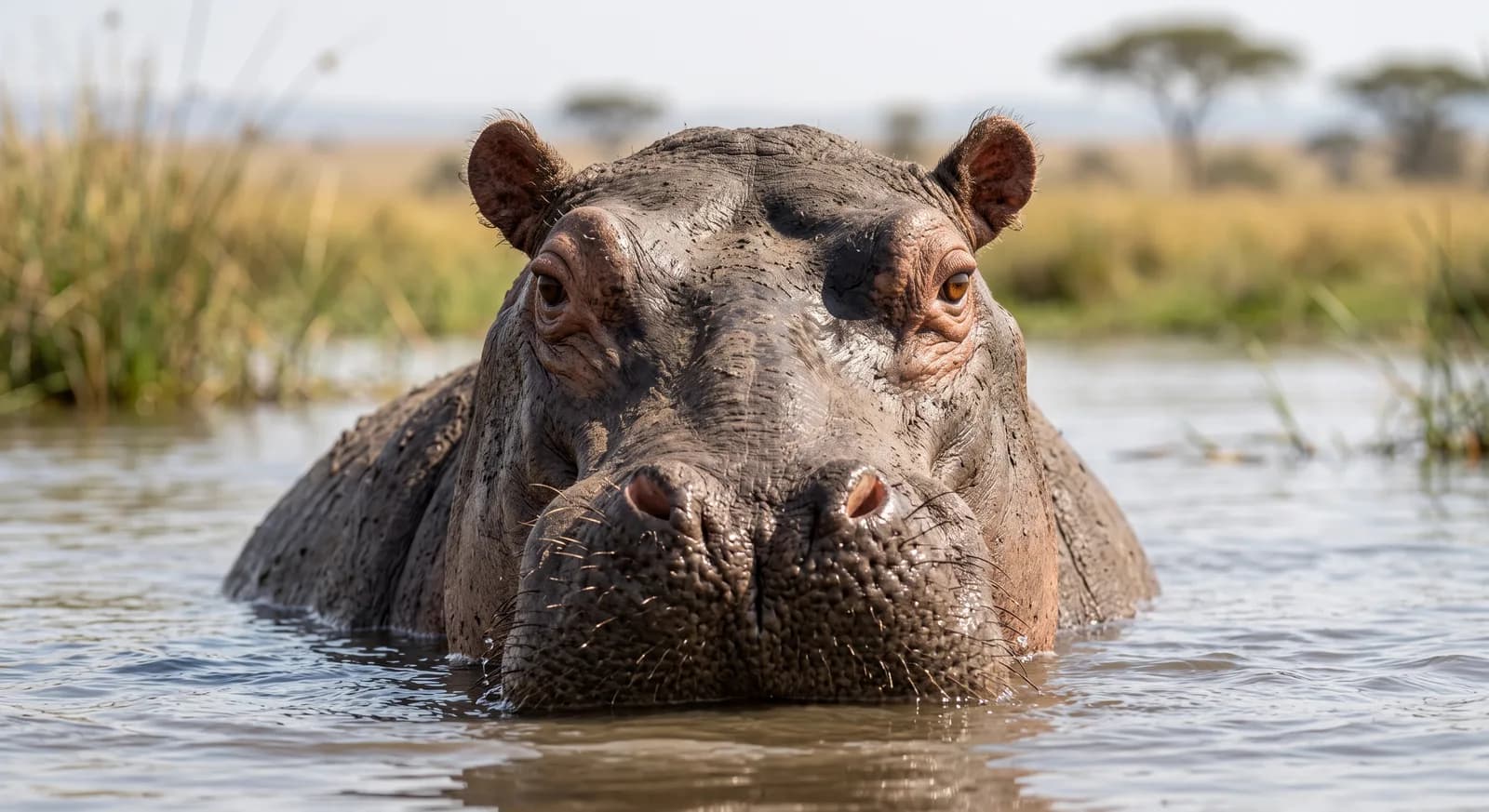 Vulnerable
Common Hippopotamus
Hippopotamus amphibius
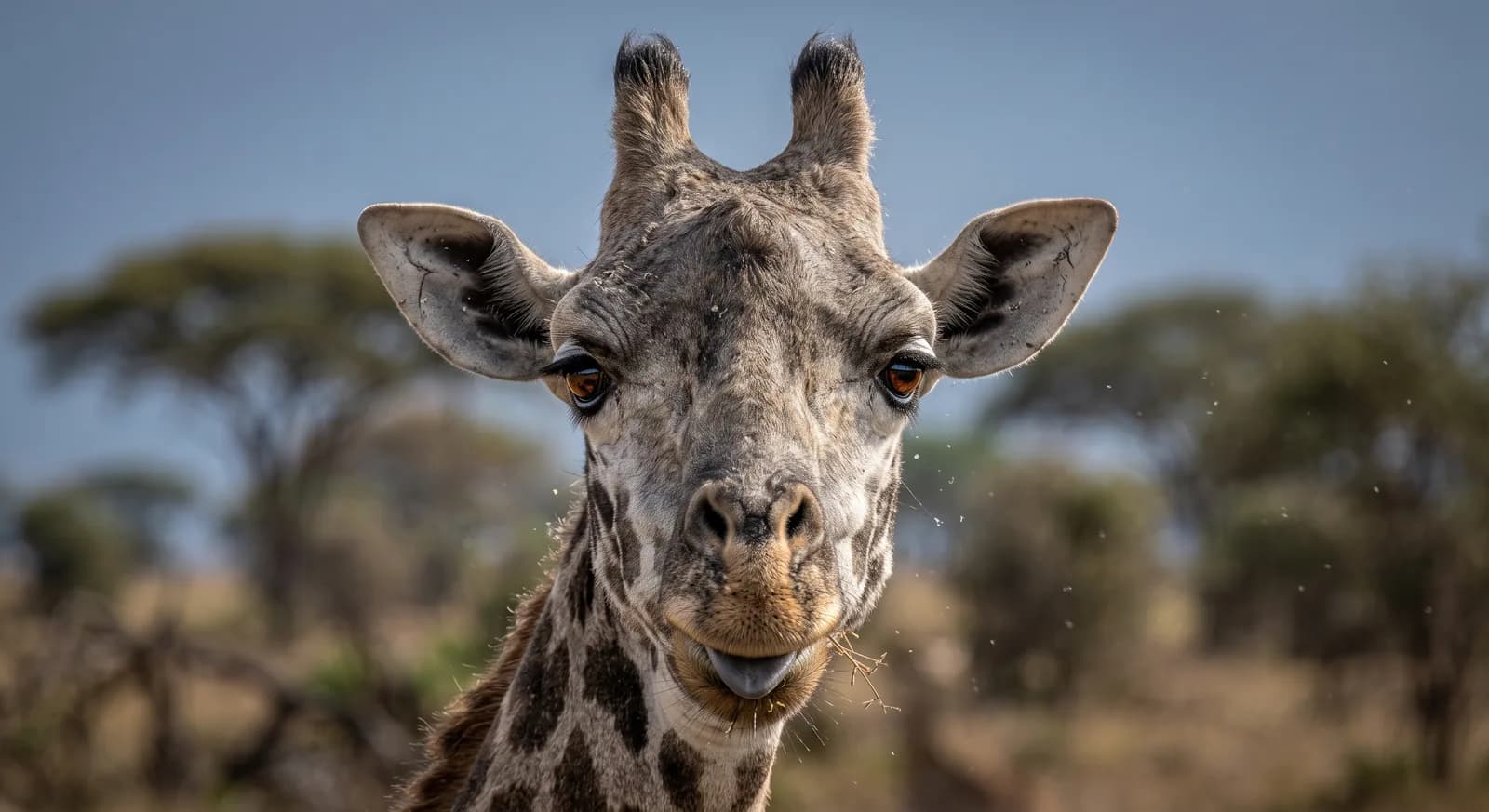 Vulnerable
Giraffe
Giraffa camelopardalis
 Vulnerable
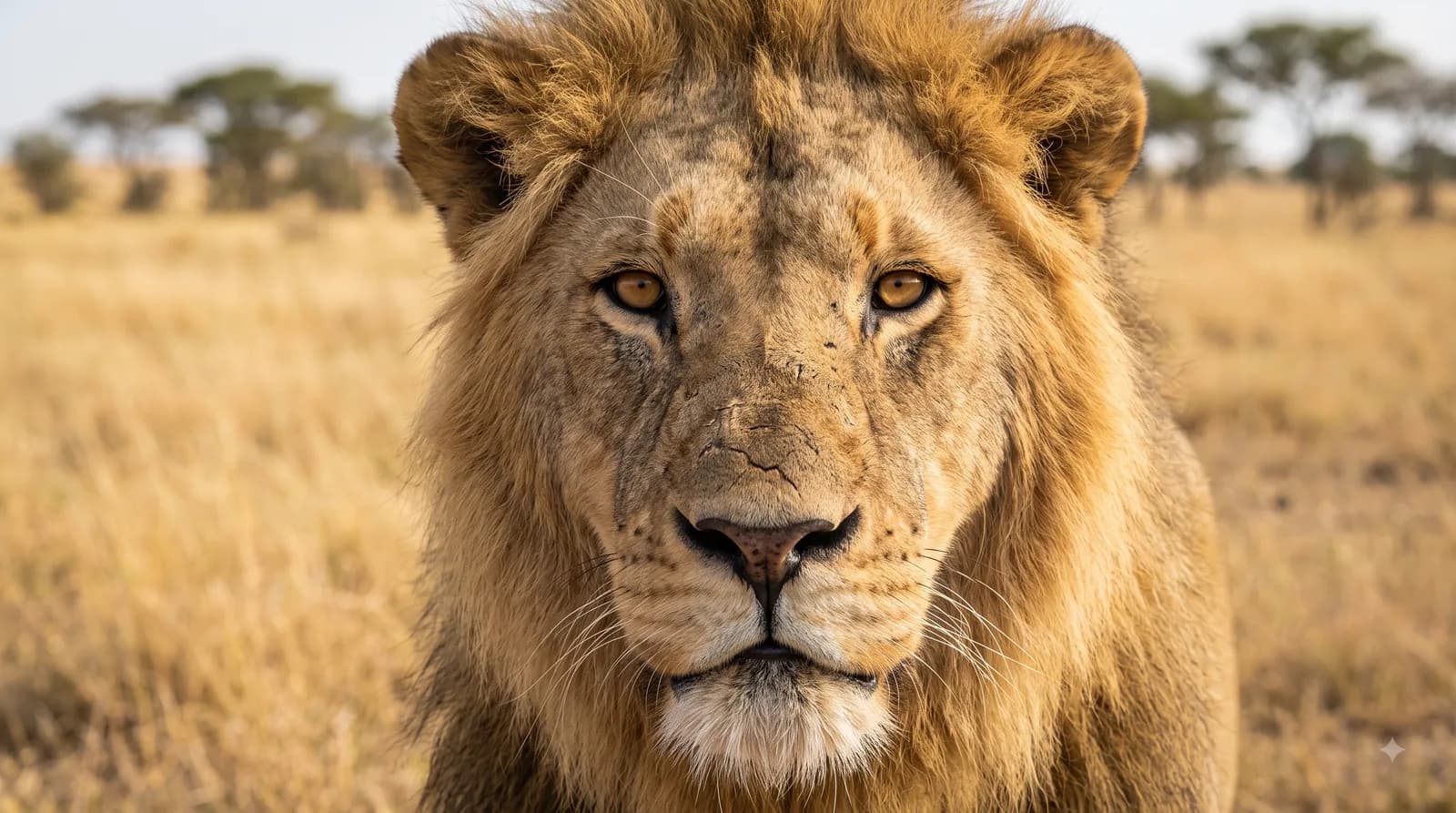
Lion
Panthera leo
 Vulnerable
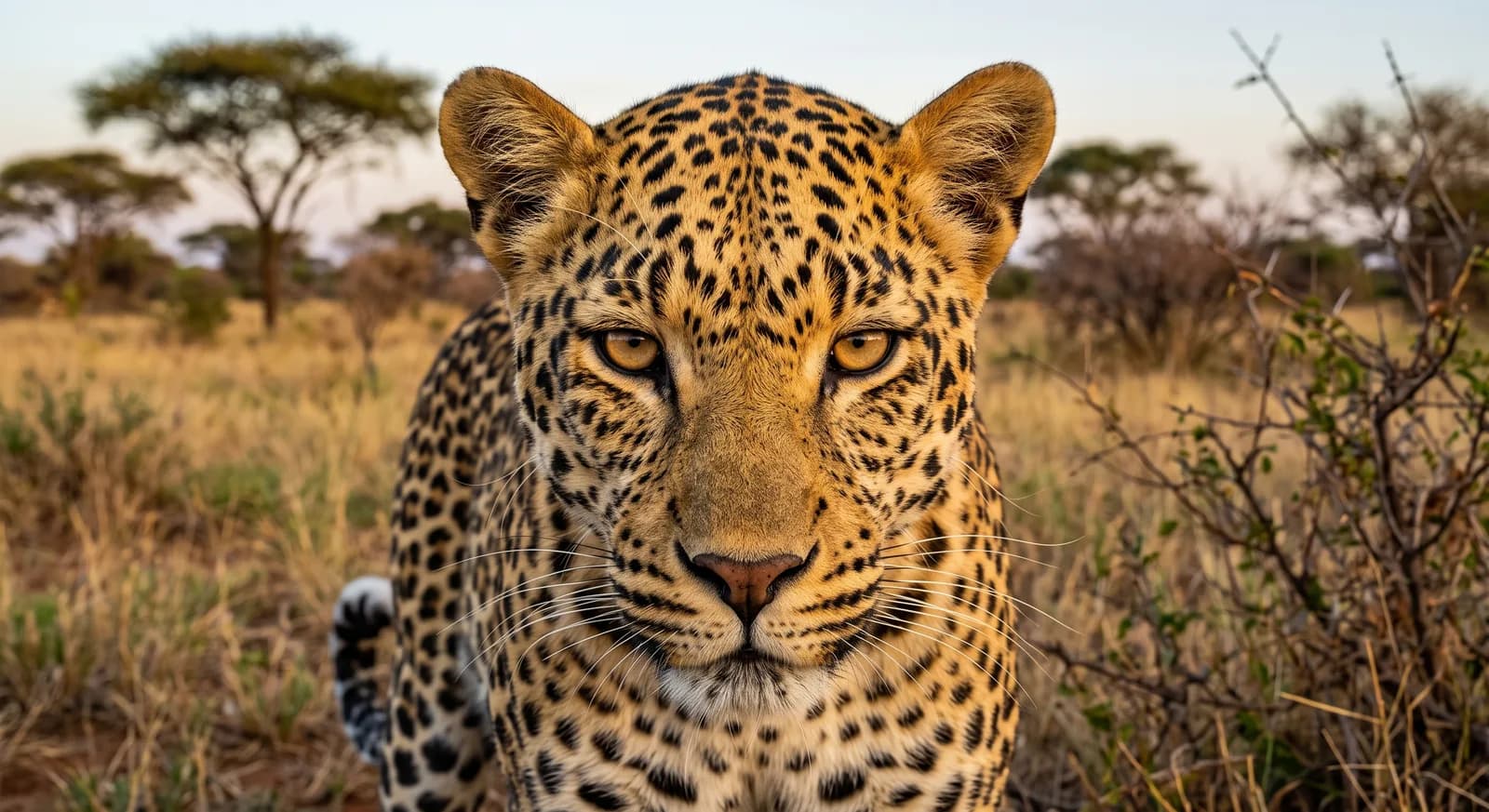
Leopard
Panthera pardus
 Vulnerable
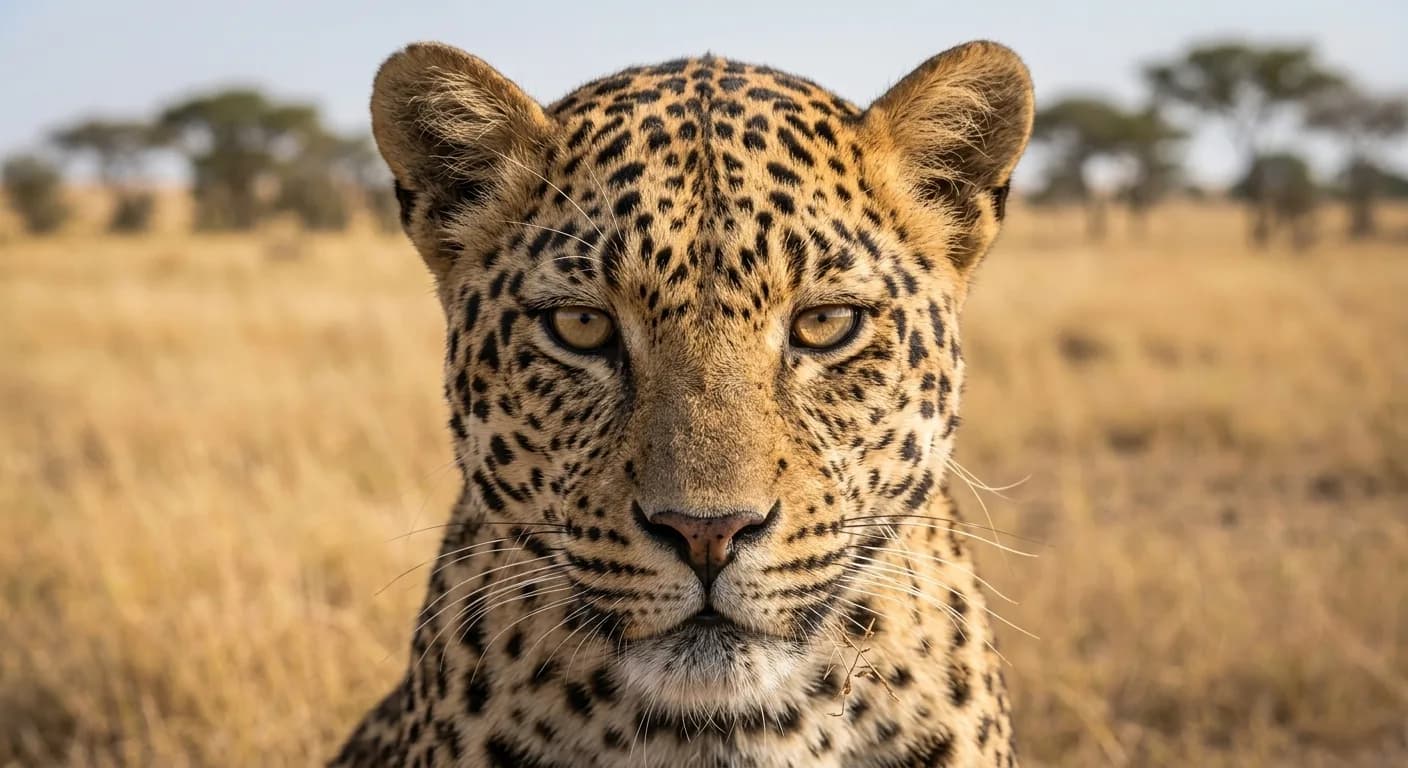
African Leopard
Panthera pardus pardus
 Vulnerable
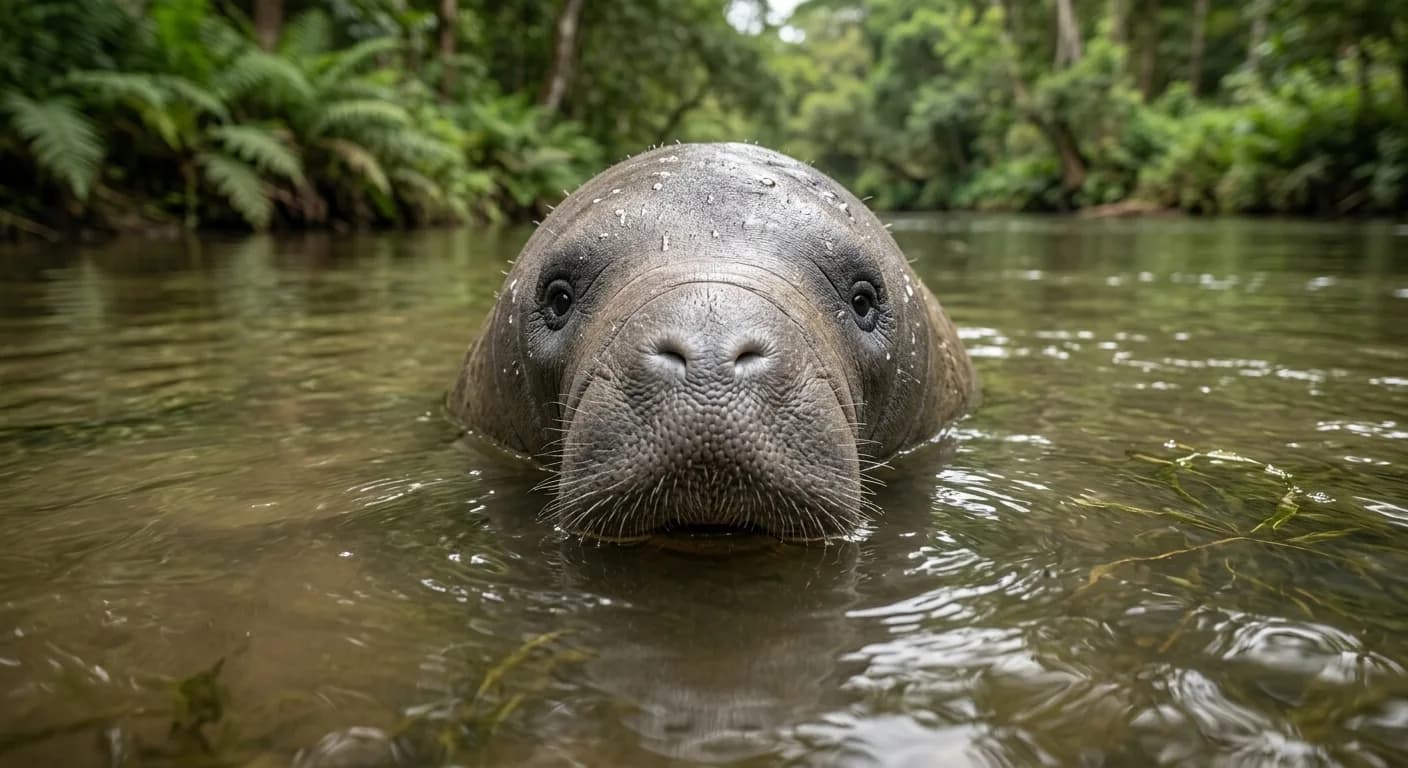
African Manatee
Trichechus senegalensis
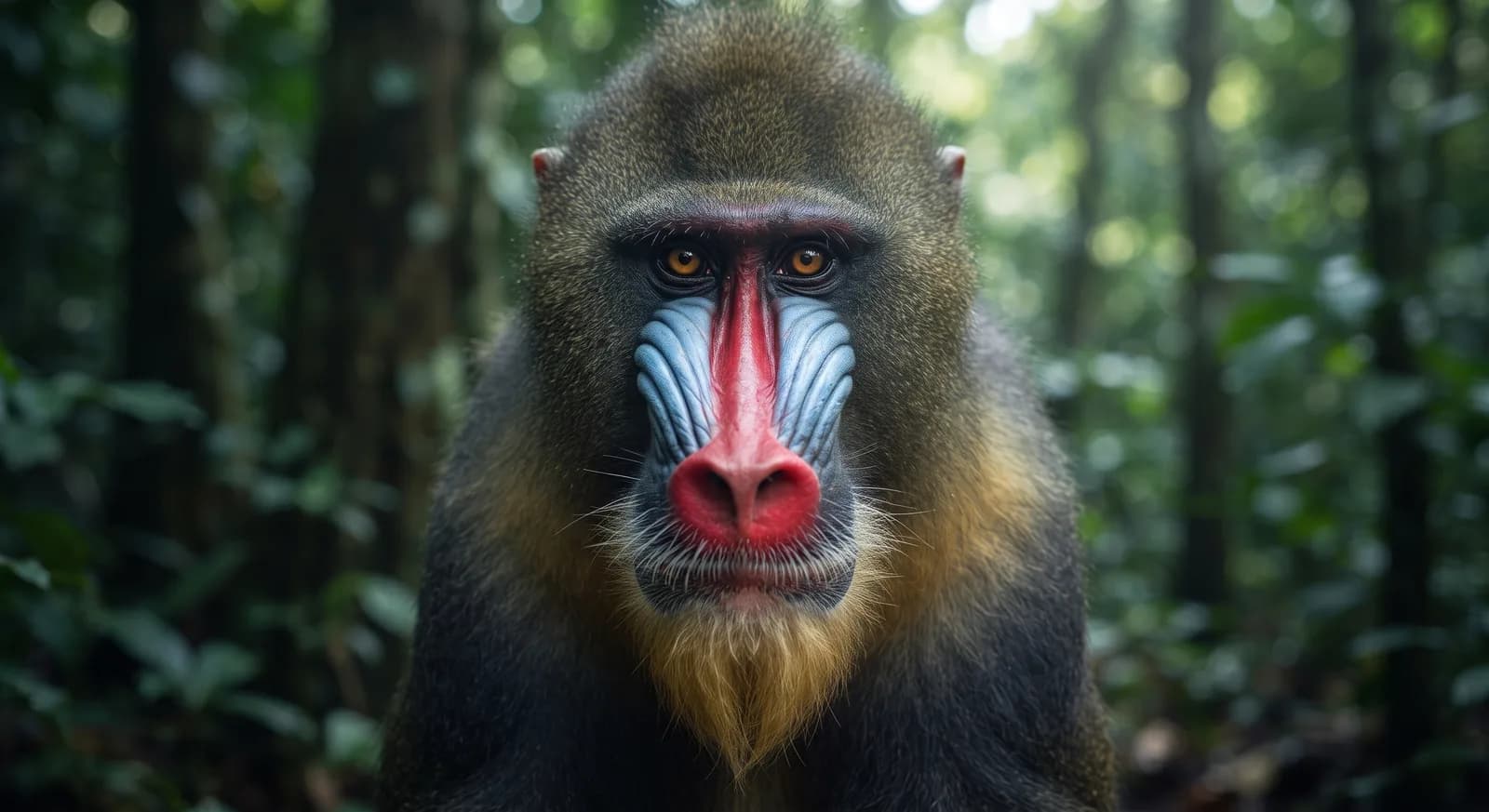 Vulnerable
Mandrill
Mandrillus sphinx
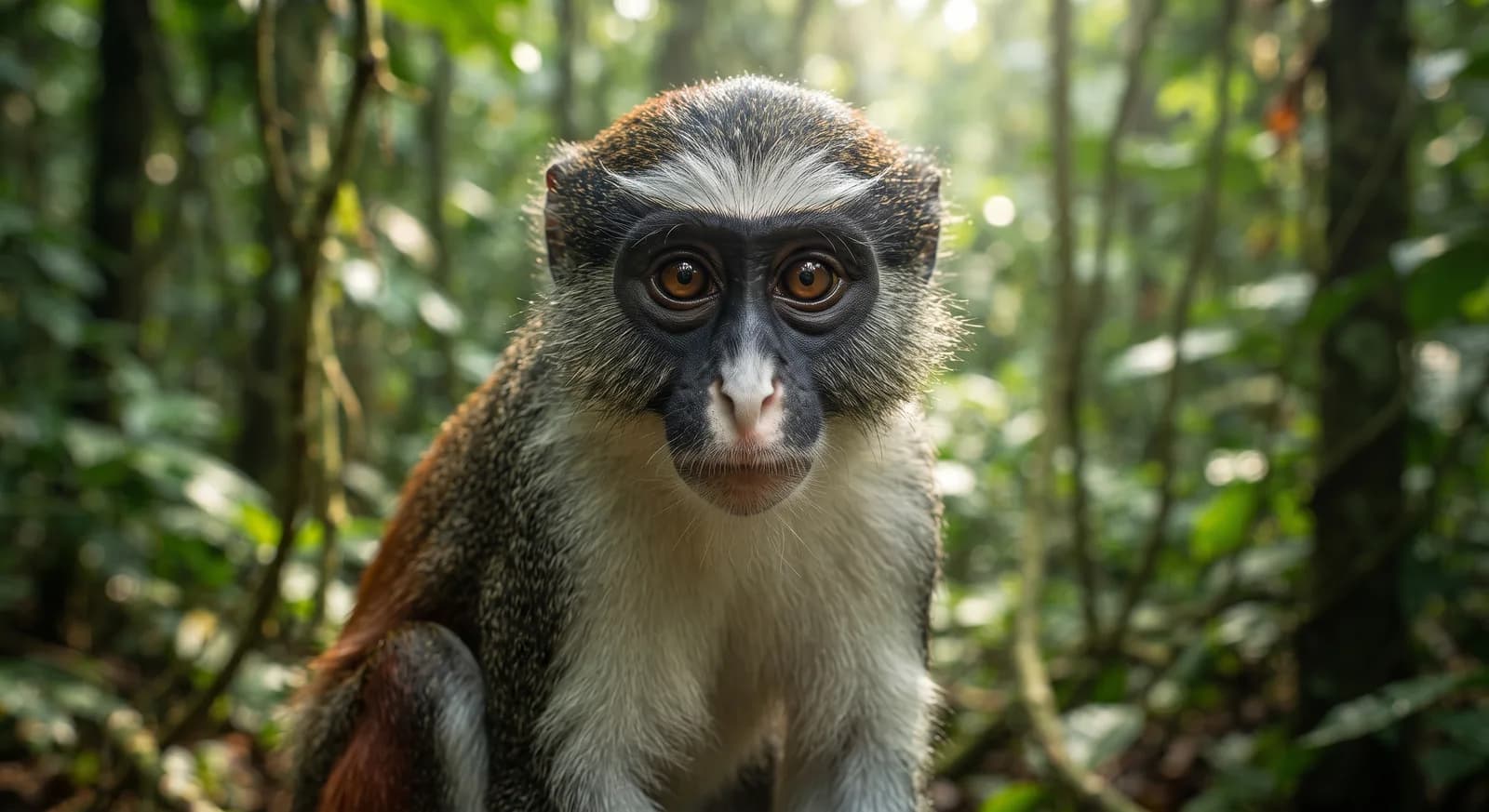 Vulnerable
Diana Monkey
Cercopithecus diana
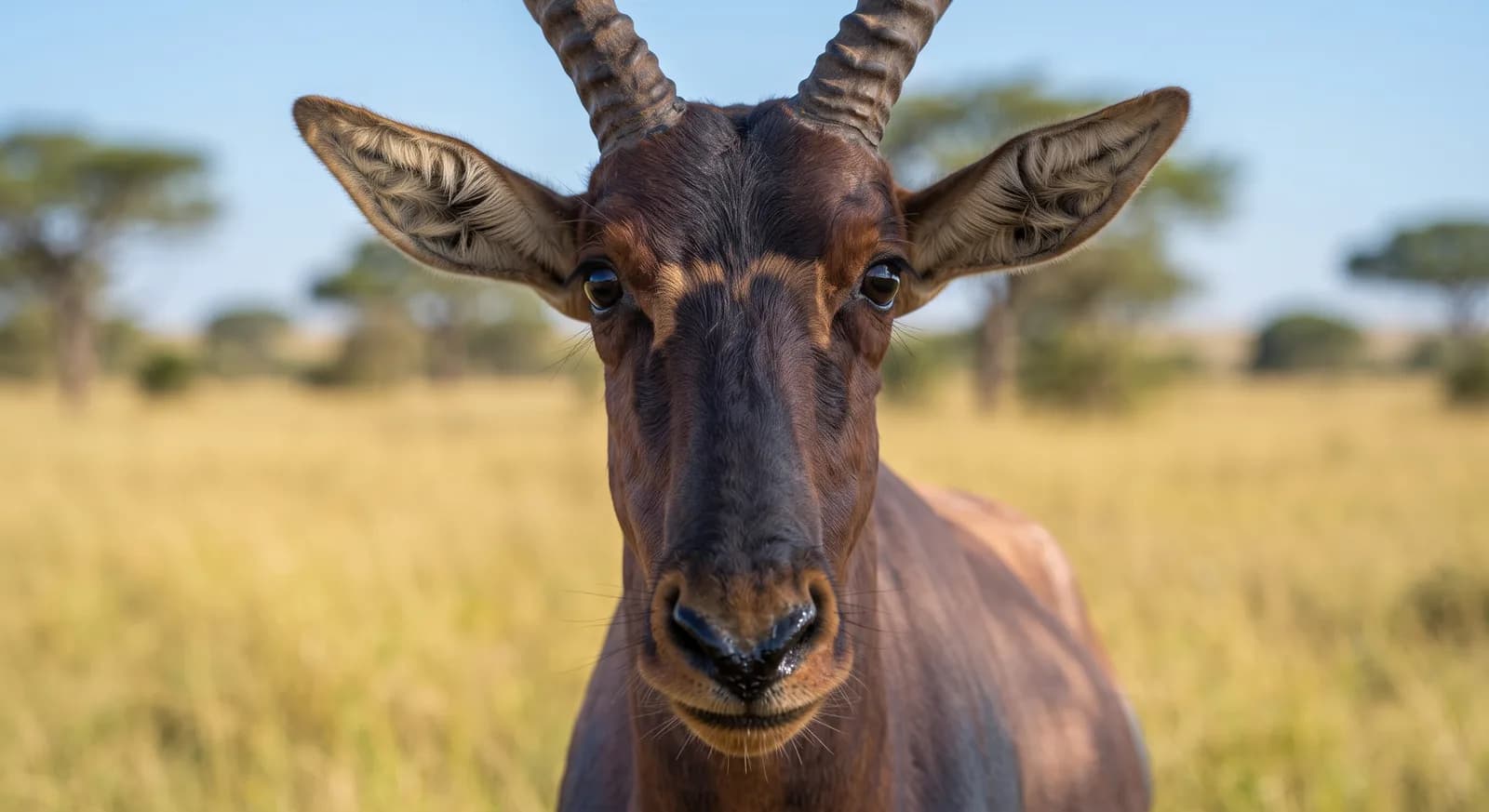 Vulnerable
Topi
Damaliscus lunatus
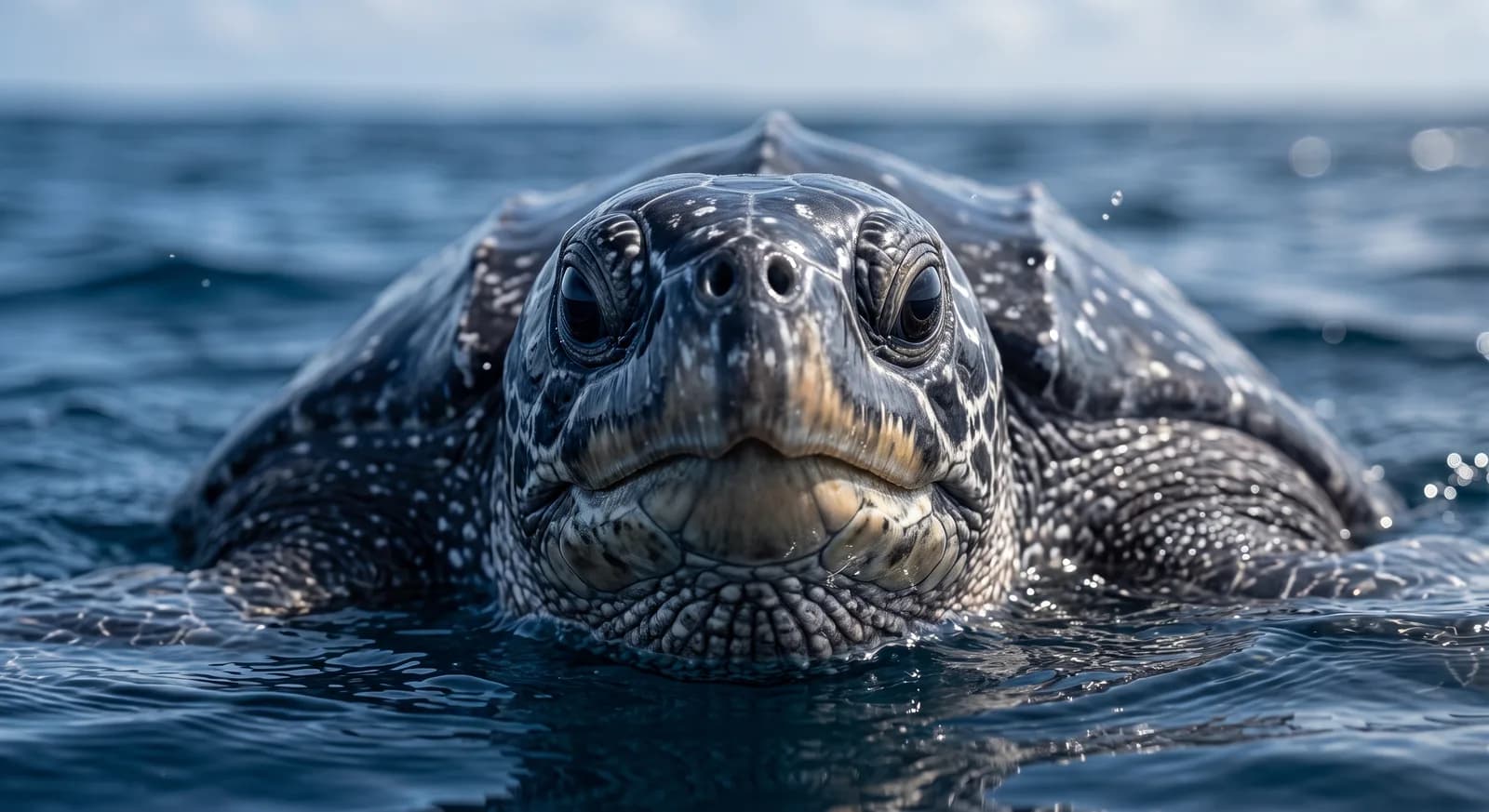 Vulnerable
Leatherback Sea Turtle
Dermochelys coriacea
Keep exploring
Based on what we already know about Liberia.