Nocturnal
Species active after dark, with senses adapted to low light.
What it means
Living by night demands different equipment: eyes with more light-sensitive cells, sharp hearing, a keen sense of smell, tactile whiskers or, in bats and some cetaceans, echolocation. In exchange you gain access to prey that stays hidden by day and avoid both the heat and the daytime predators. It is a pattern spread right across the tree of life, and it explains why many common animals are all but invisible to anyone walking about in daylight.
Species
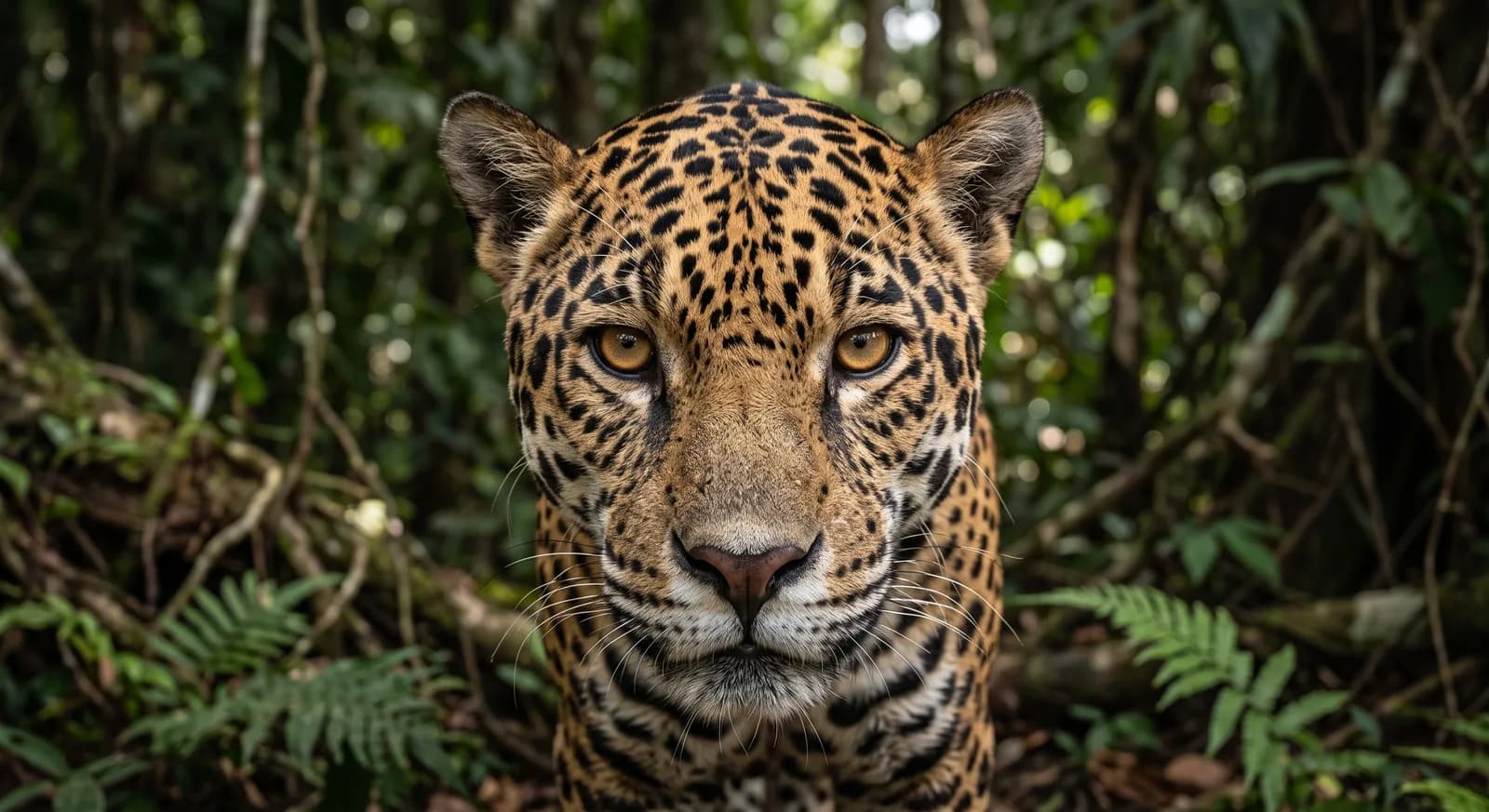 Near Threatened
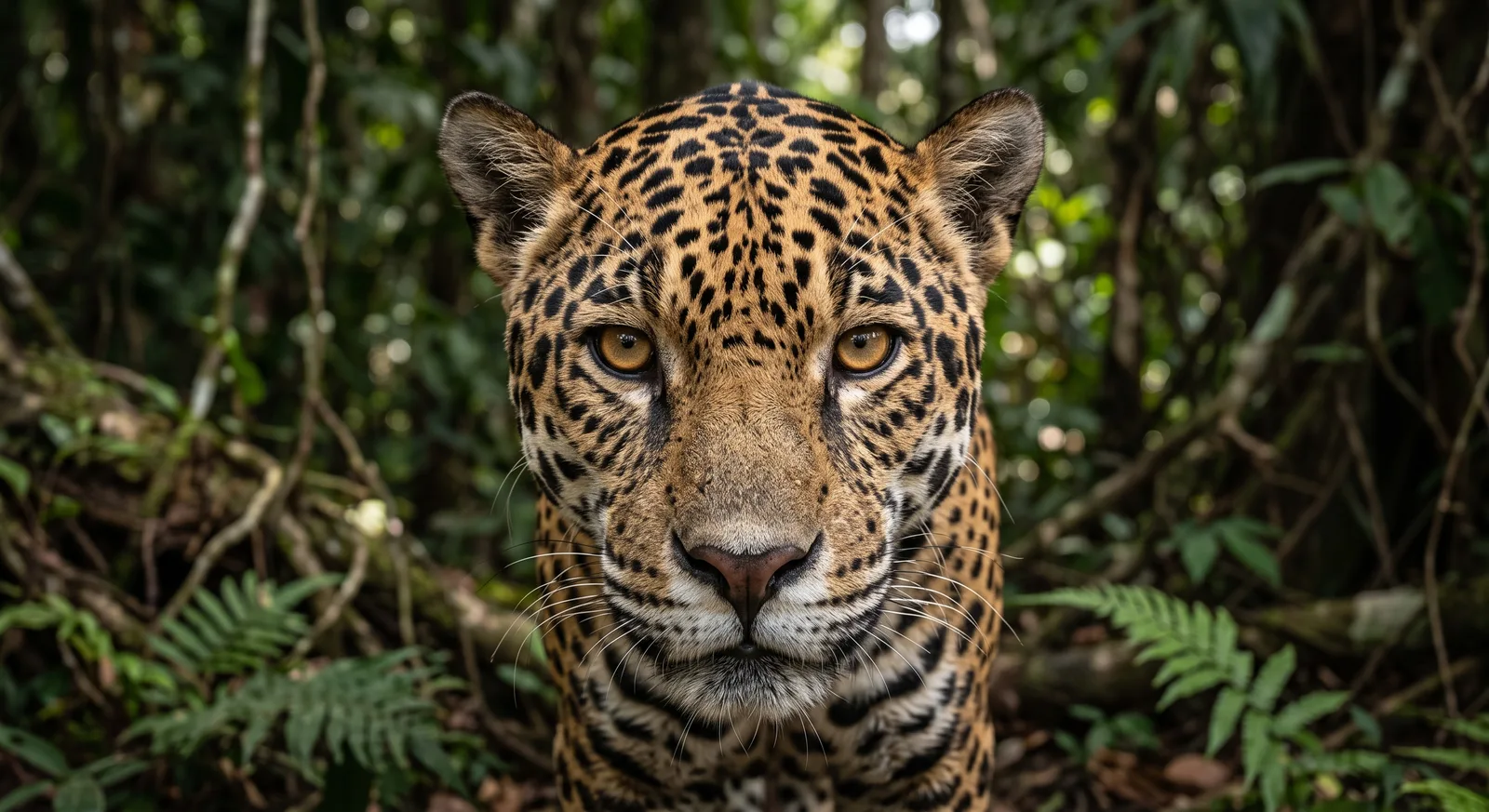
Jaguar
Panthera onca
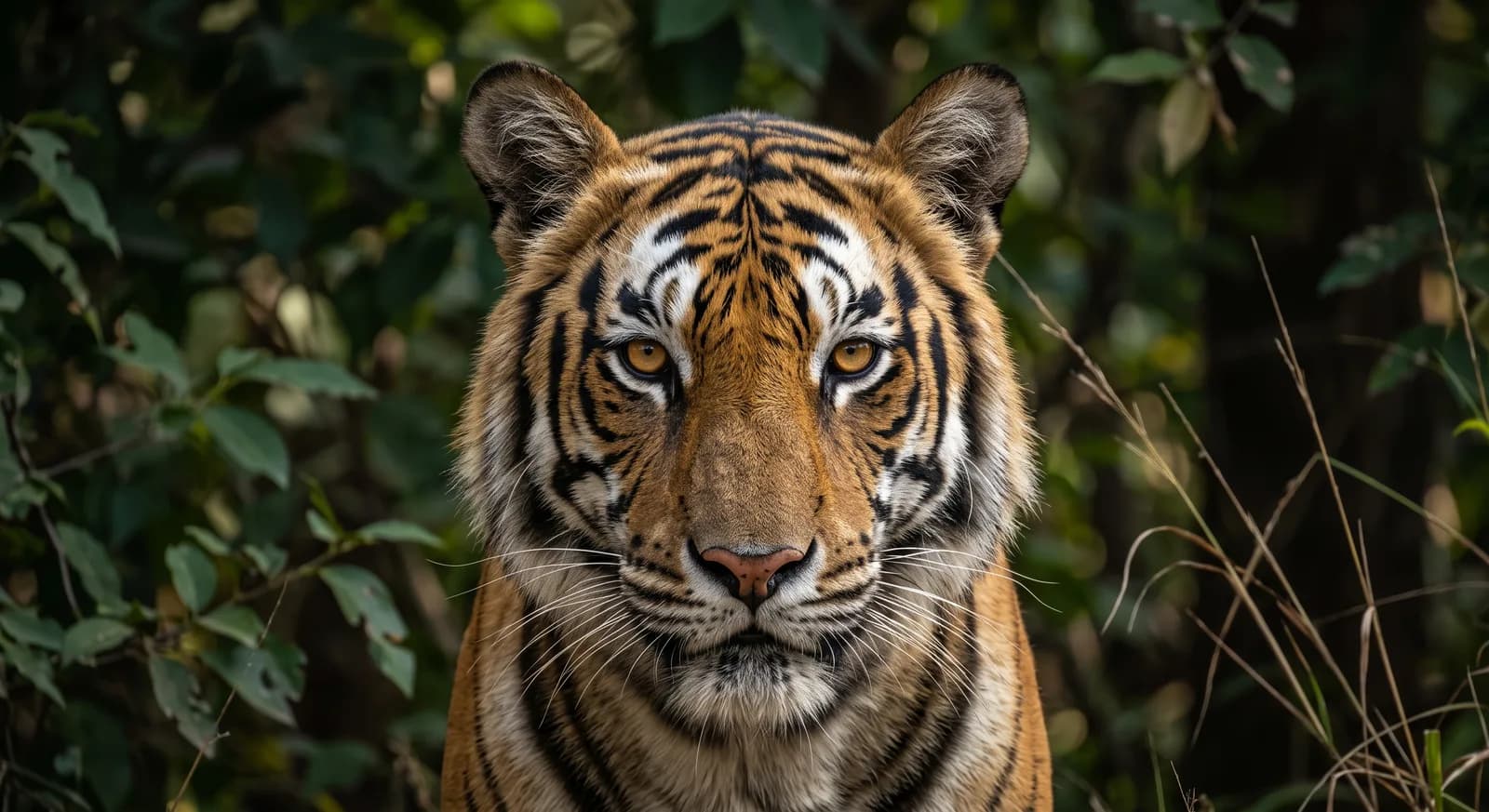 Endangered
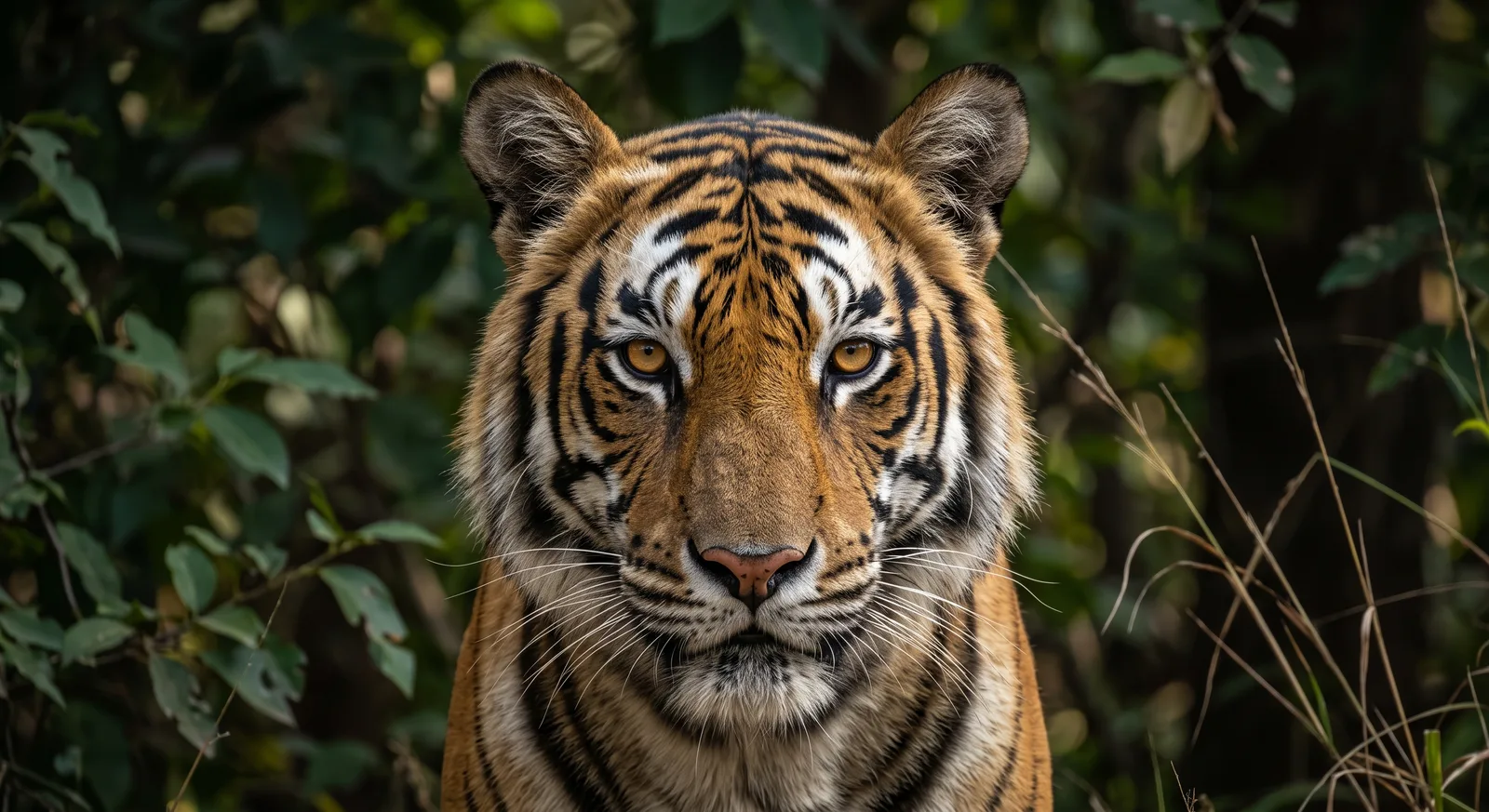
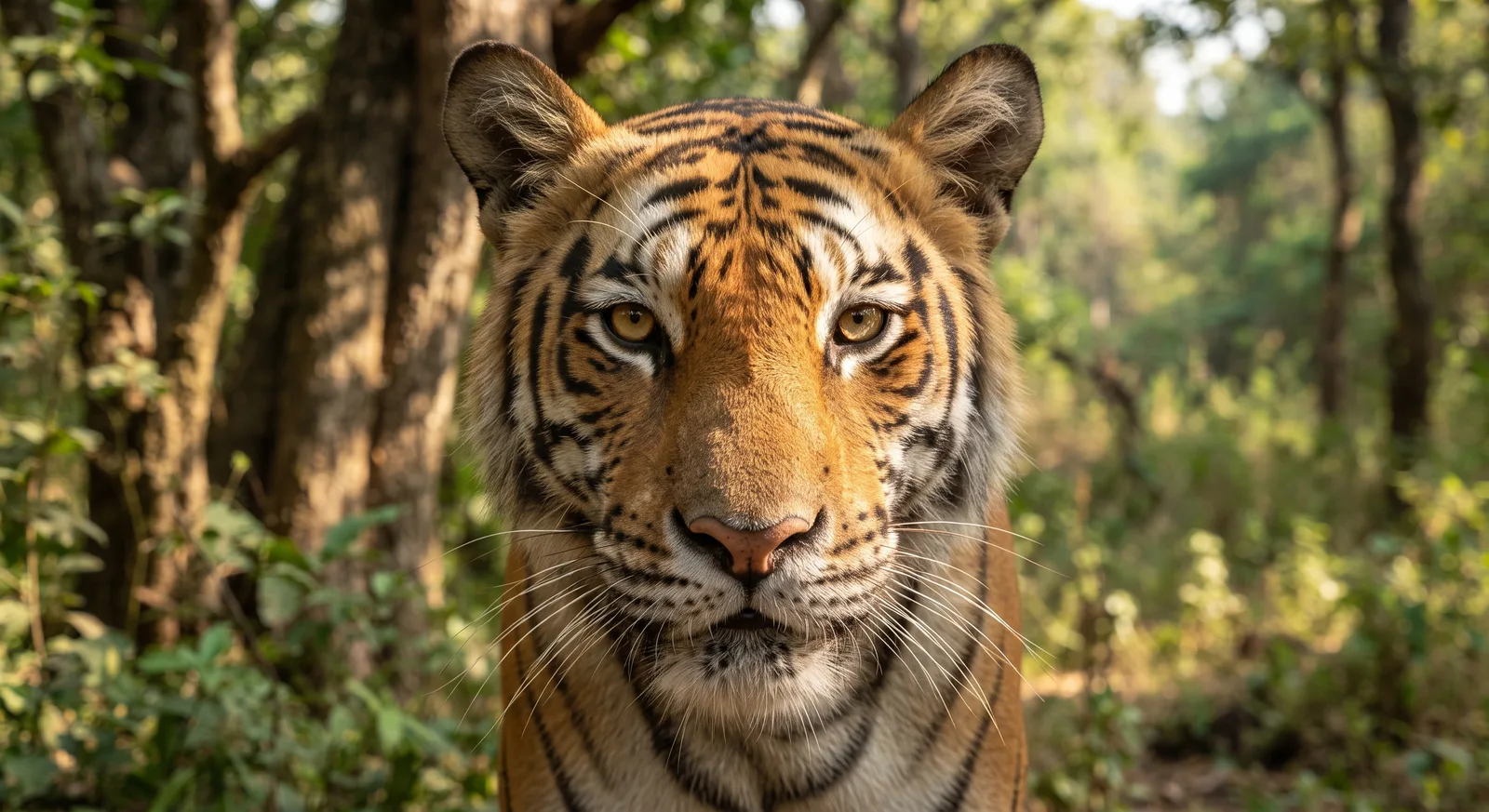
Bengal Tiger
Panthera tigris tigris
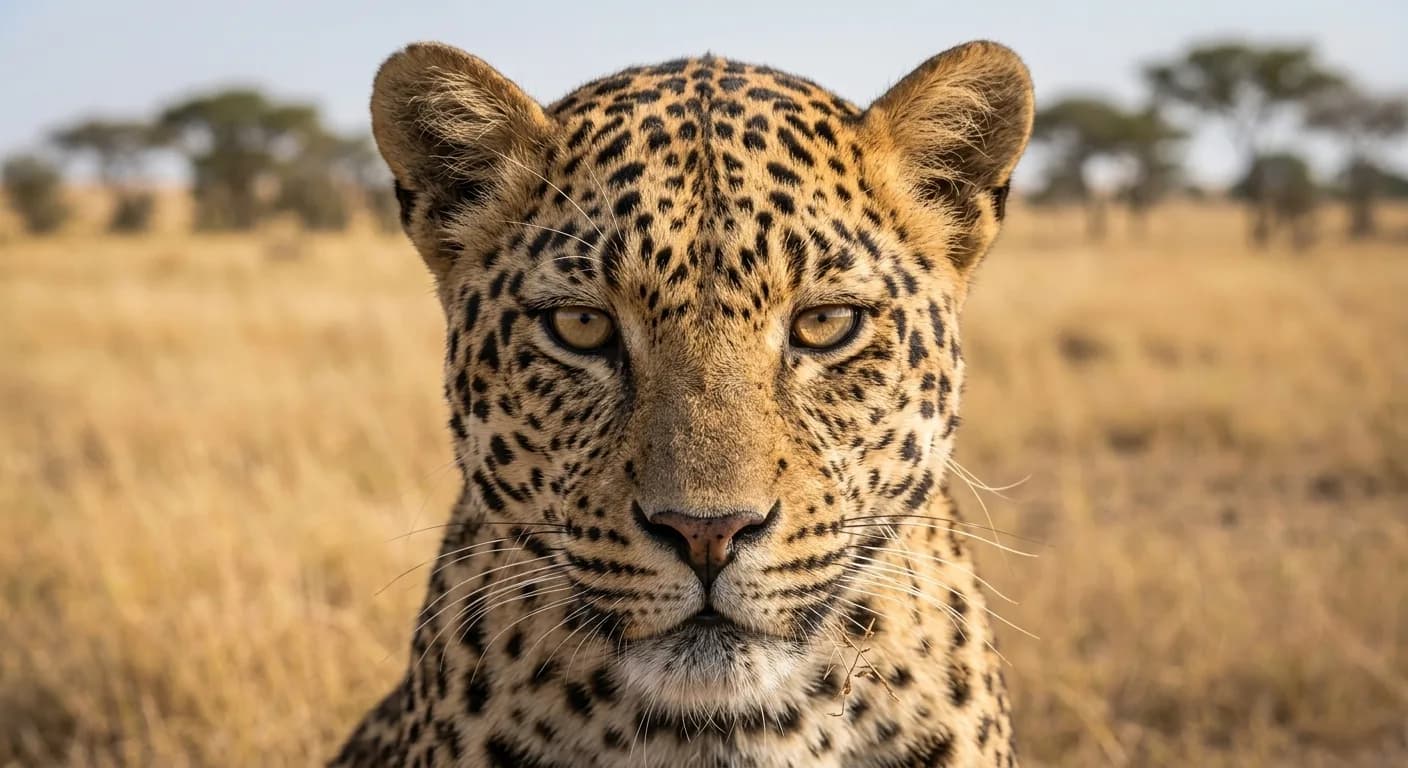 Vulnerable
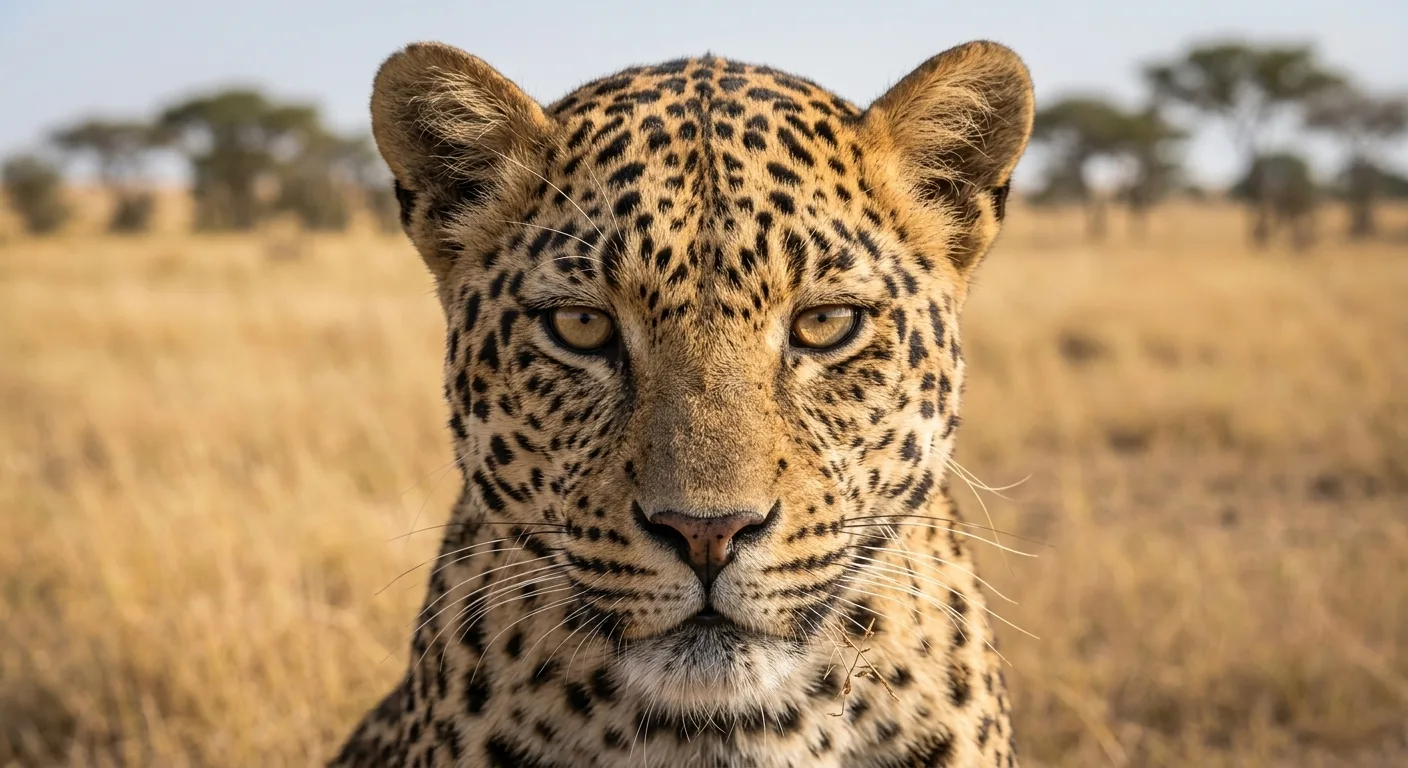
African Leopard
Panthera pardus pardus
North Island Brown Kiwi
Apteryx mantelli
Virginia Opossum
Didelphis virginiana
Brush-tailed Bettong
Bettongia penicillata
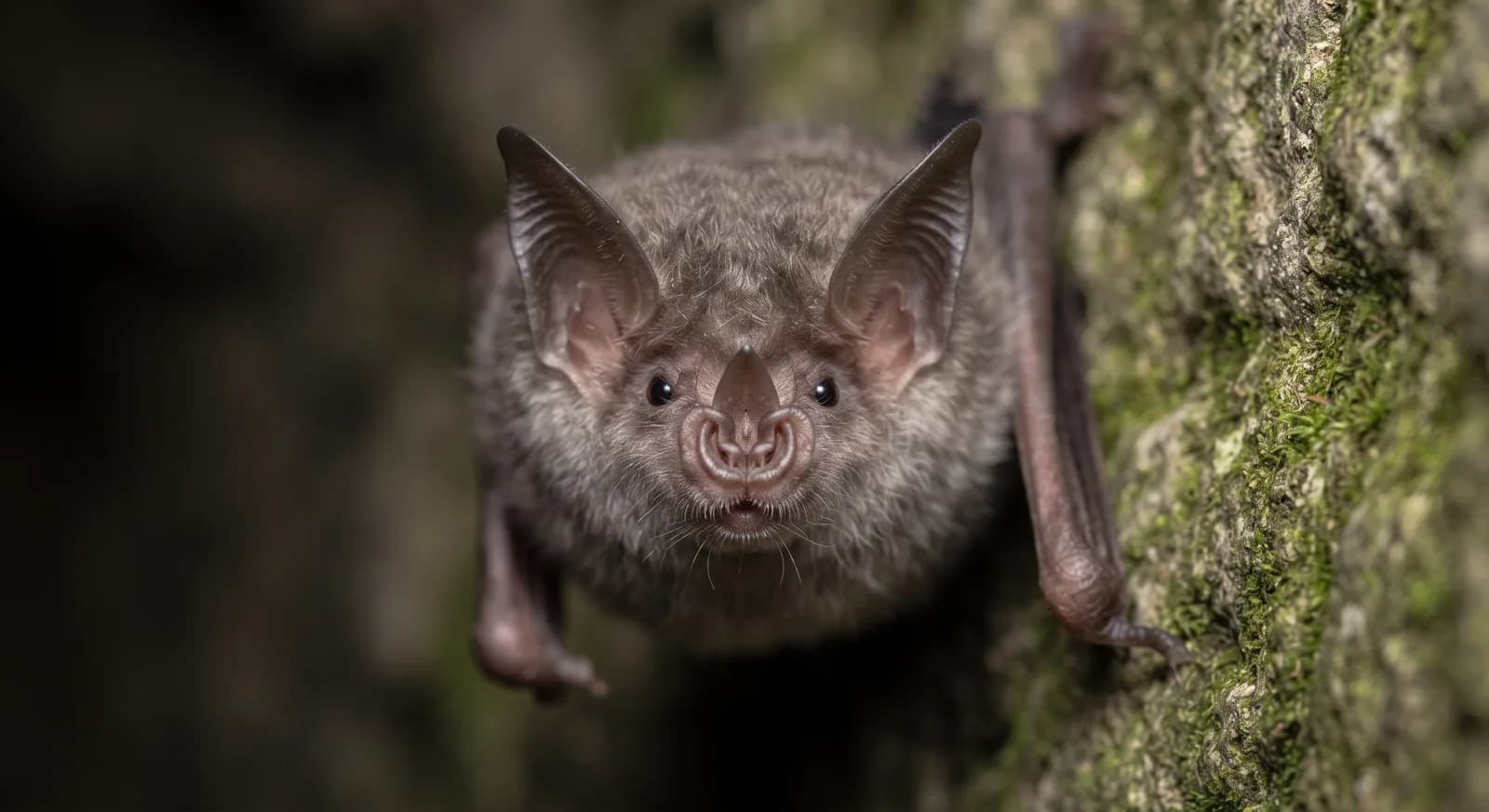 Least Concern
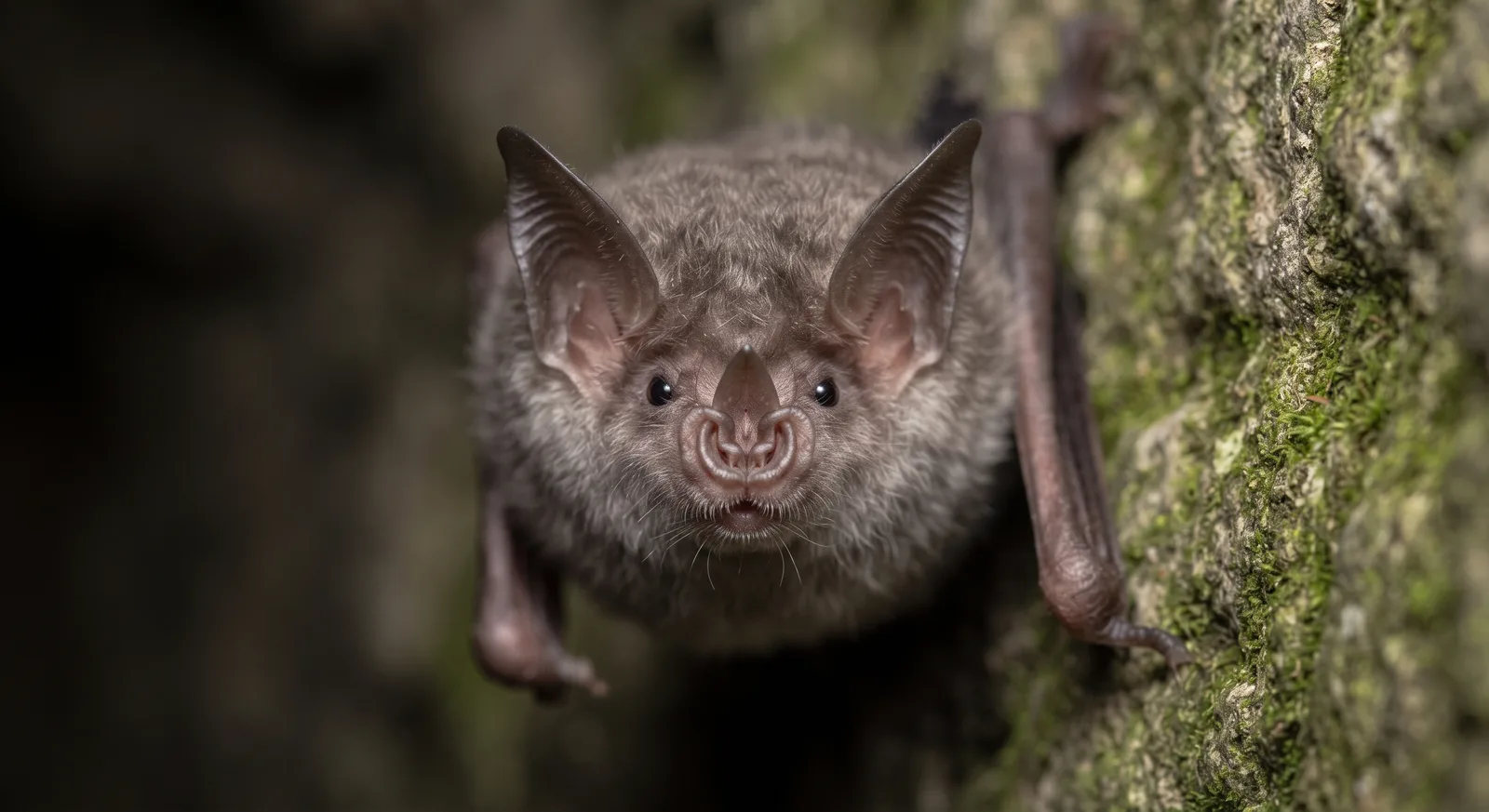
Greater Horseshoe Bat
Rhinolophus ferrumequinum
Large Flying-fox
Pteropus giganteus
Fat Dormouse
Glis glis
House Mouse
Mus musculus
 Least Concern
Wolverine
Gulo gulo
 Least Concern
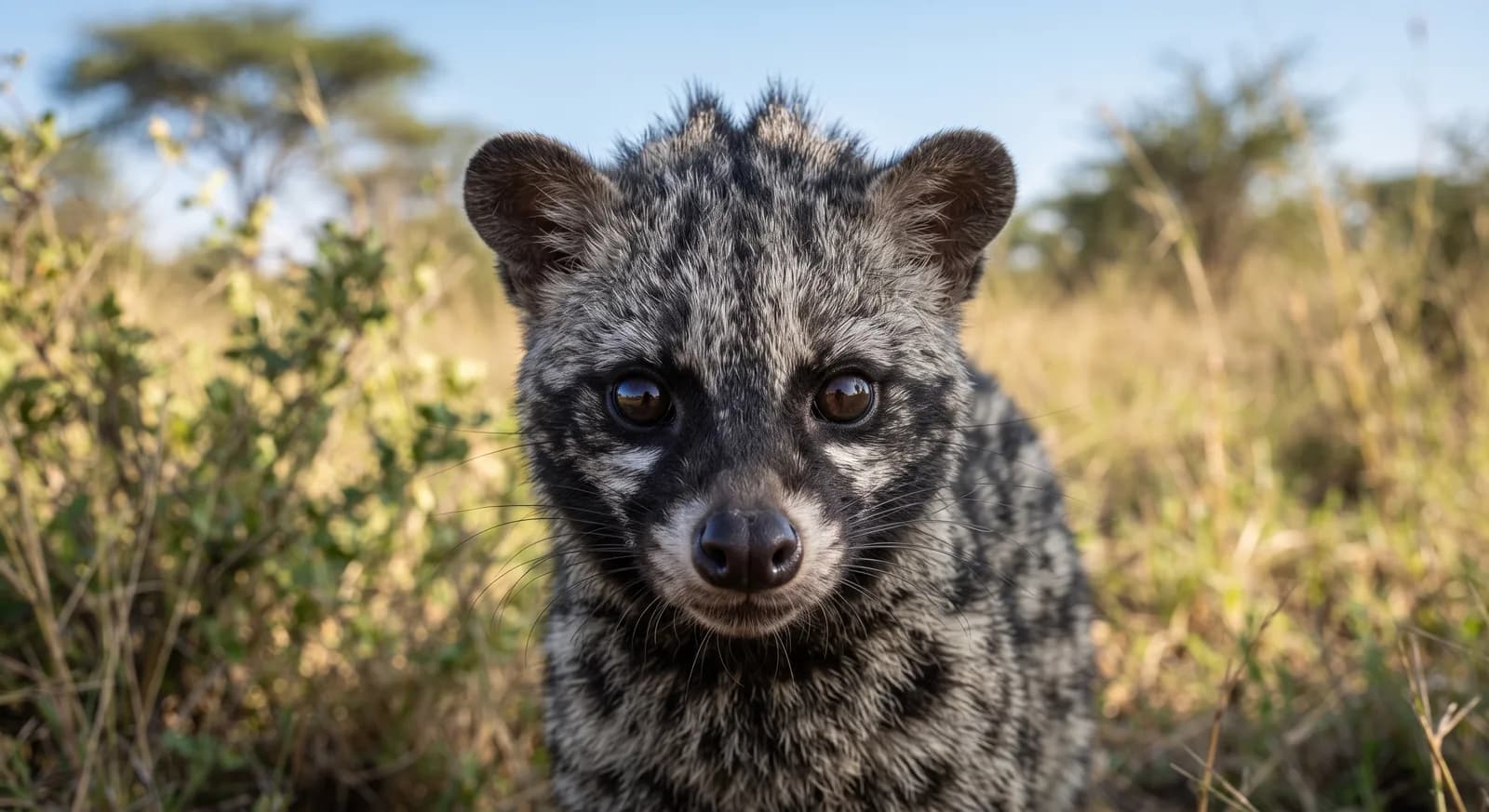
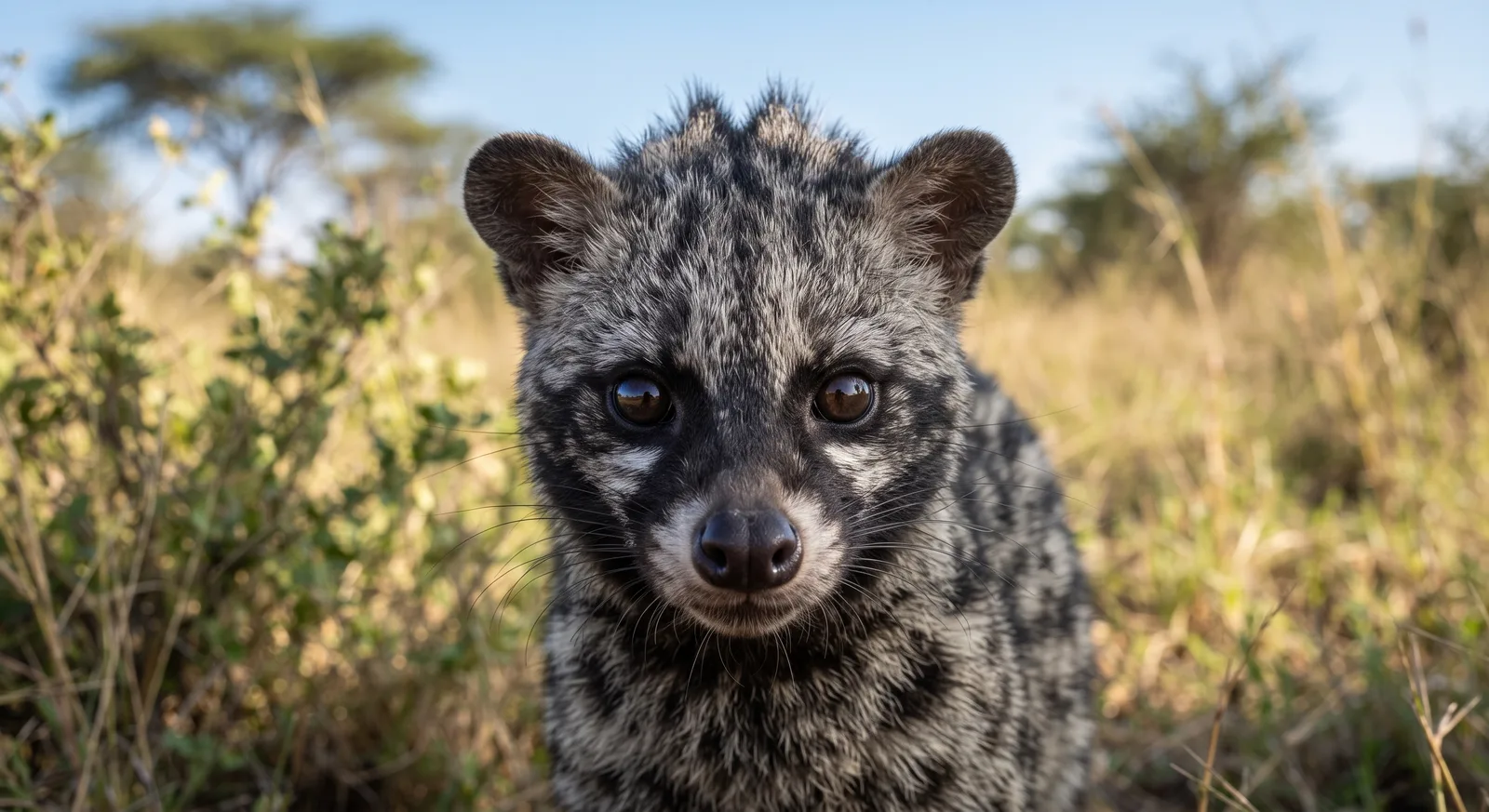
African Civet
Civettictis civetta
Aardwolf
Proteles cristata
 Near Threatened
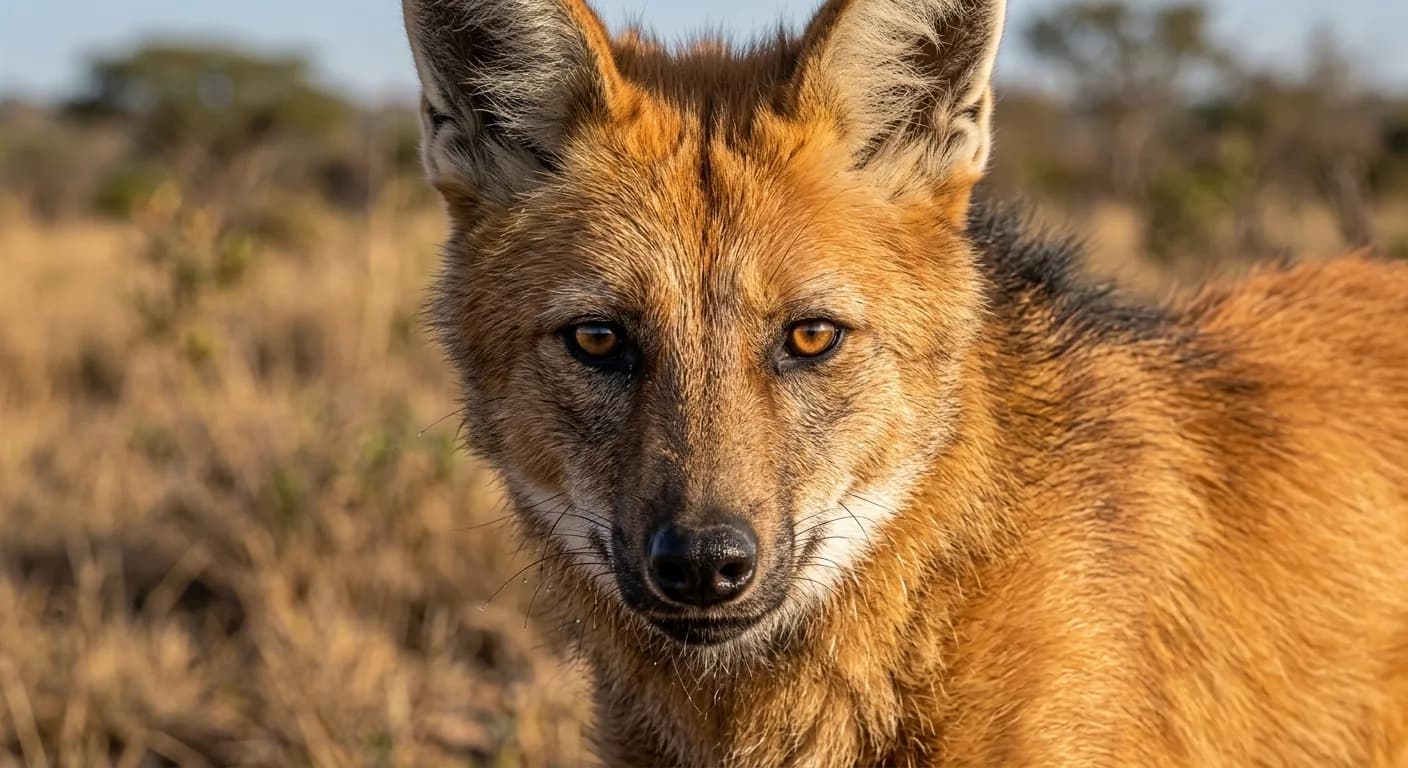
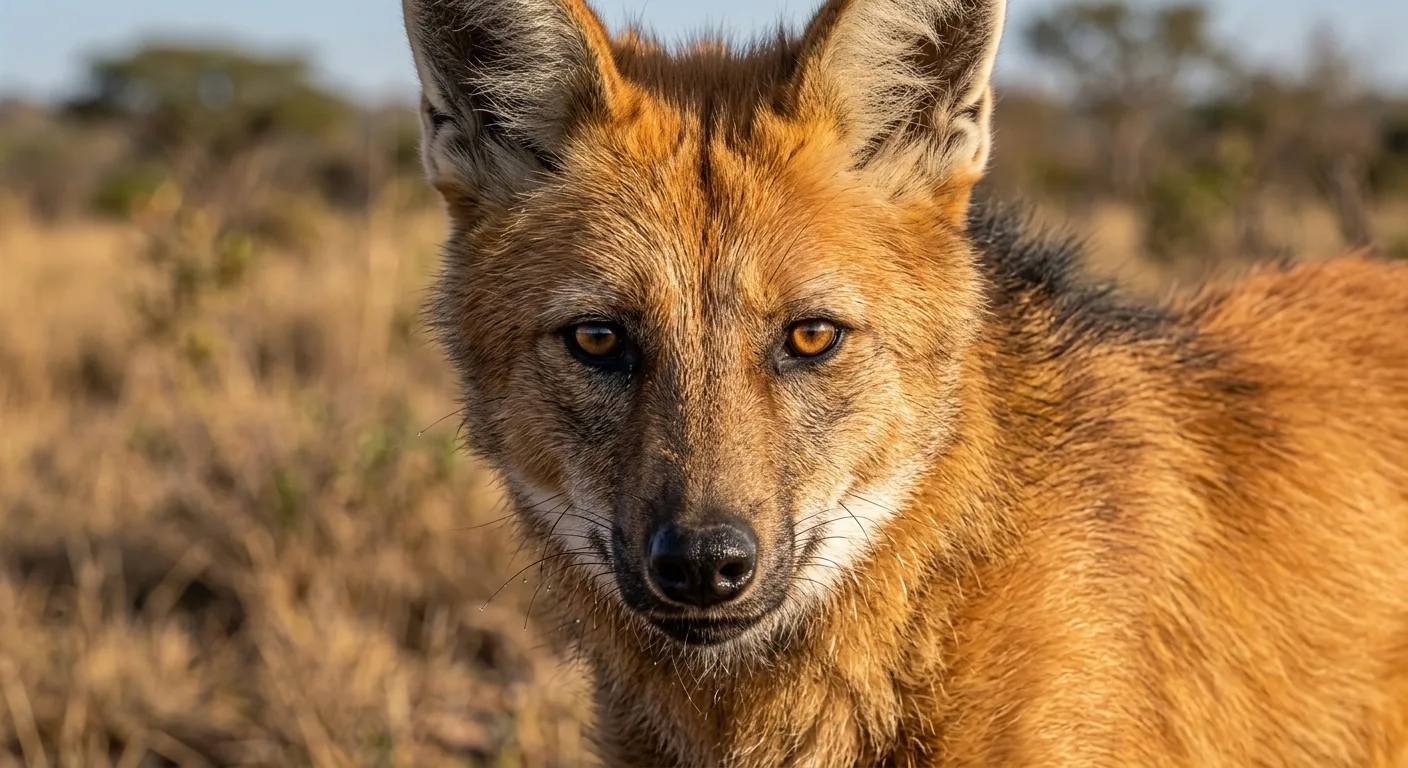
Maned Wolf
Chrysocyon brachyurus
Great Horned Owl
Bubo virginianus
Chinese Alligator
Alligator sinensis
Western Diamond-backed Rattlesnake
Crotalus atrox
Terciopelo
Bothrops asper
White's Tree Frog
Litoria caerulea
Common Starfish
Asterias rubens
 Least Concern
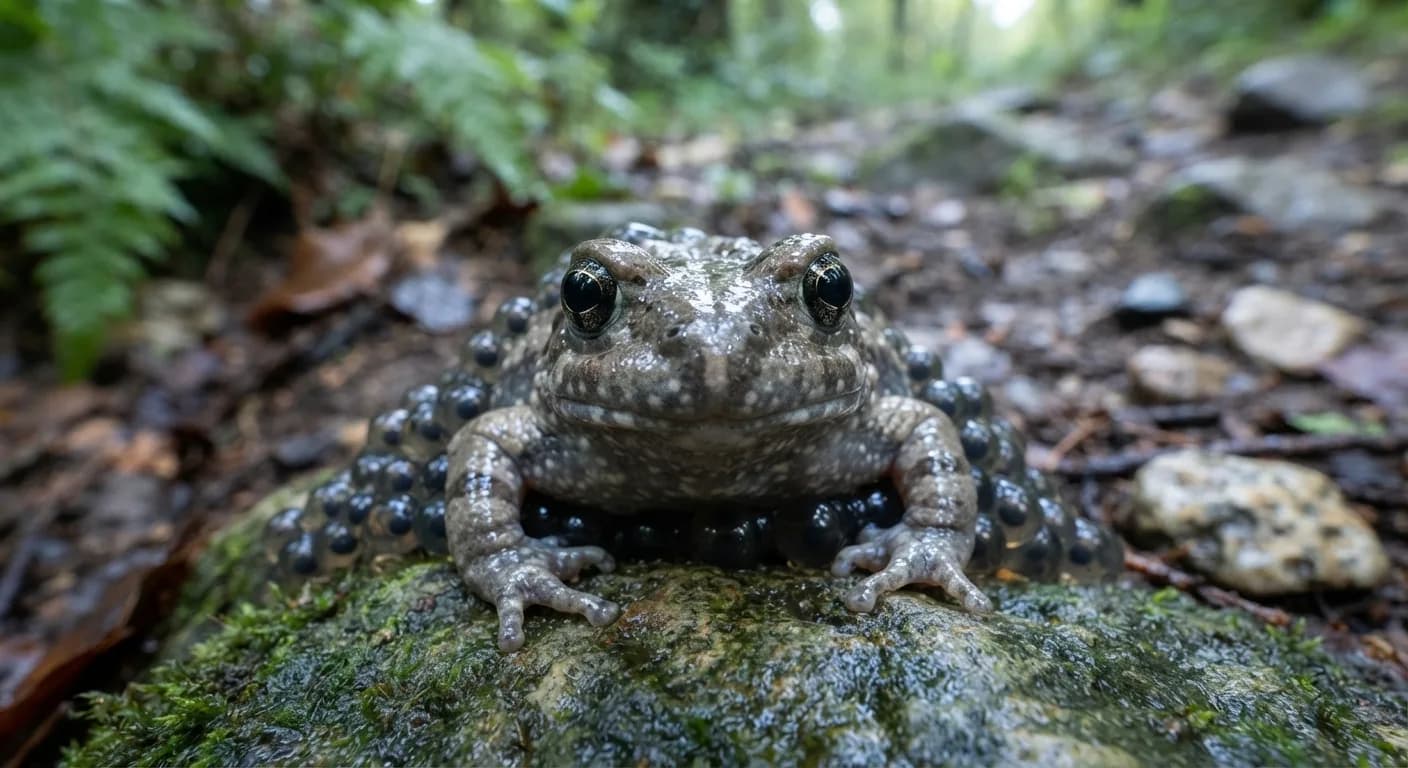
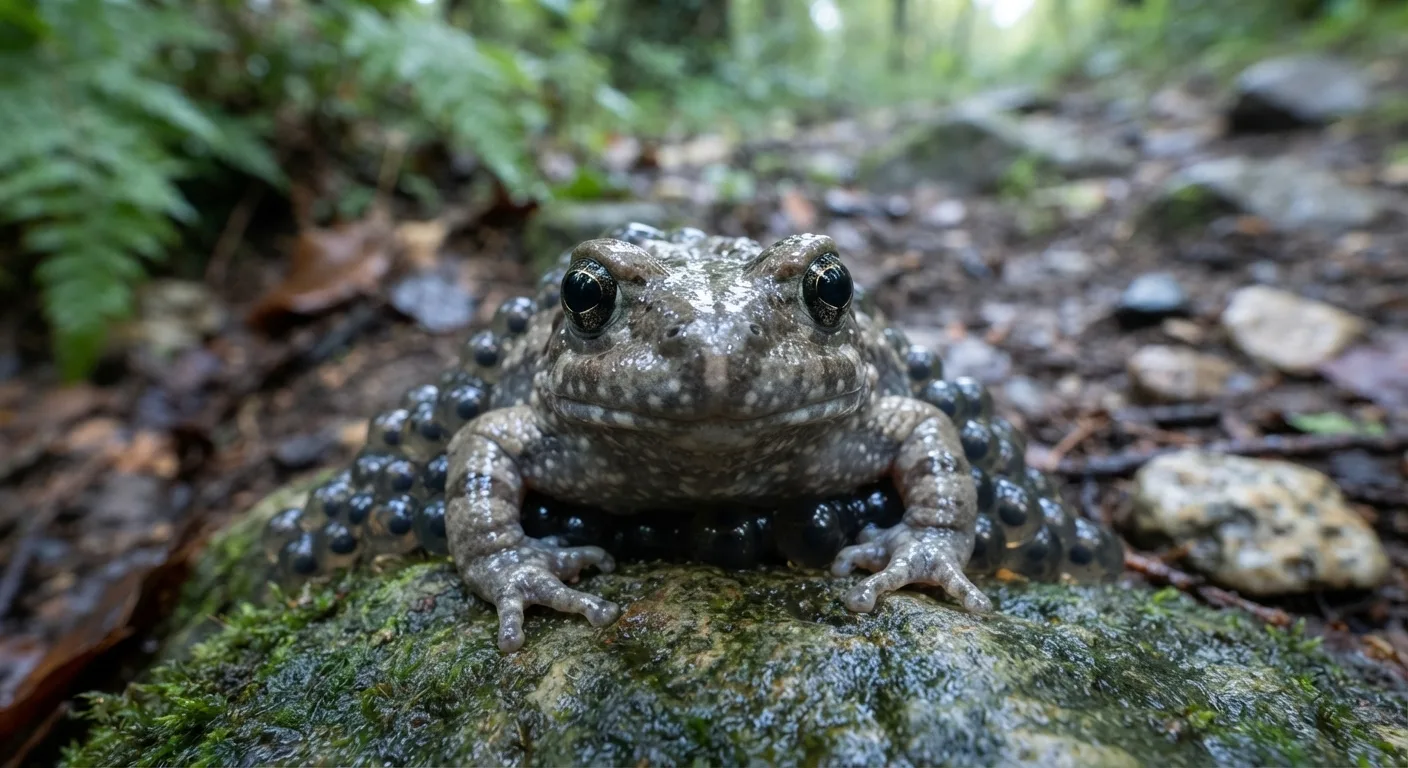
Midwife Toad
Alytes obstetricans
 Endangered
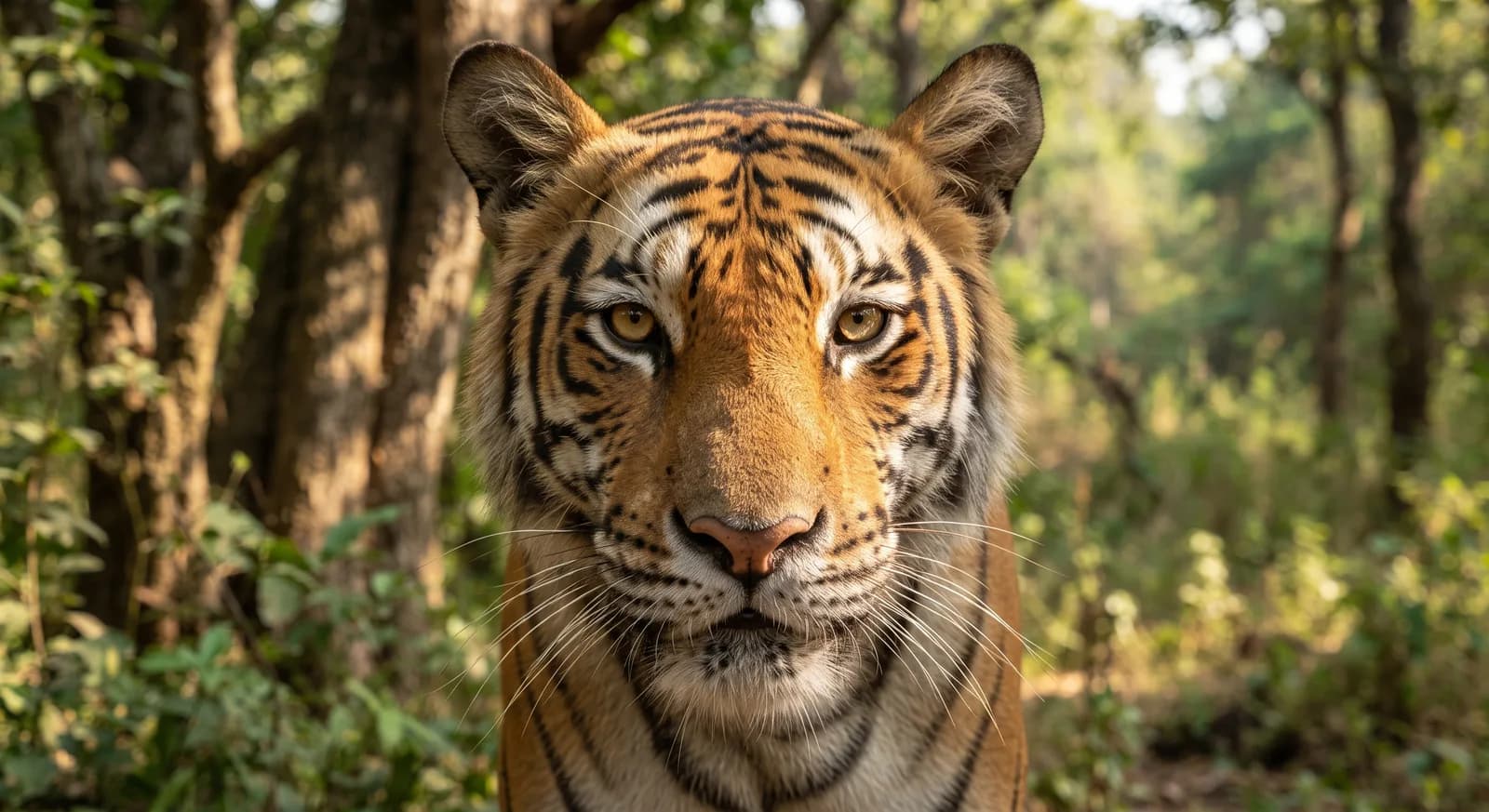
Tiger
Panthera tigris
 Near Threatened
European Otter
Lutra lutra
Mauve Stinger
Pelagia noctiluca
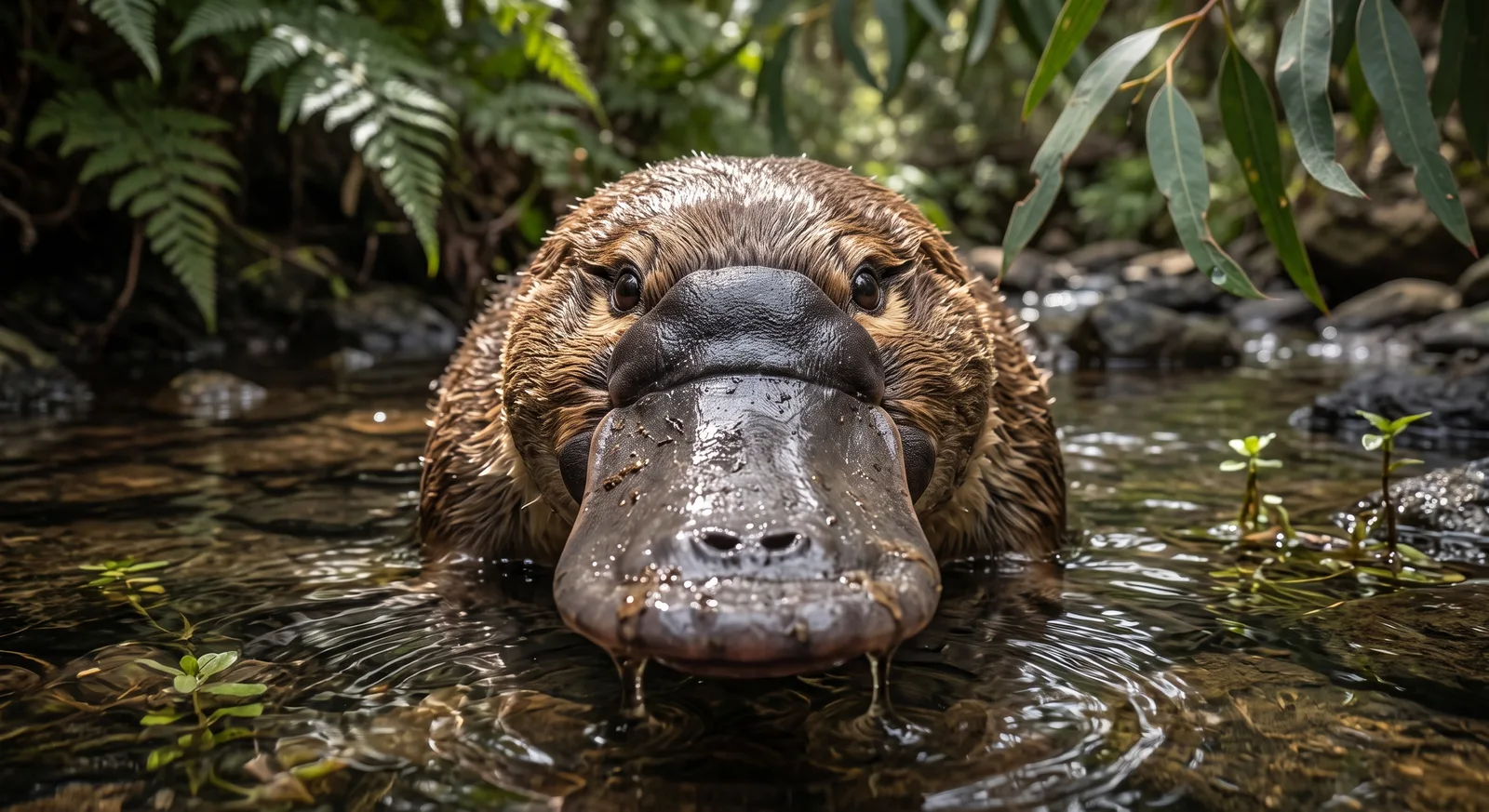
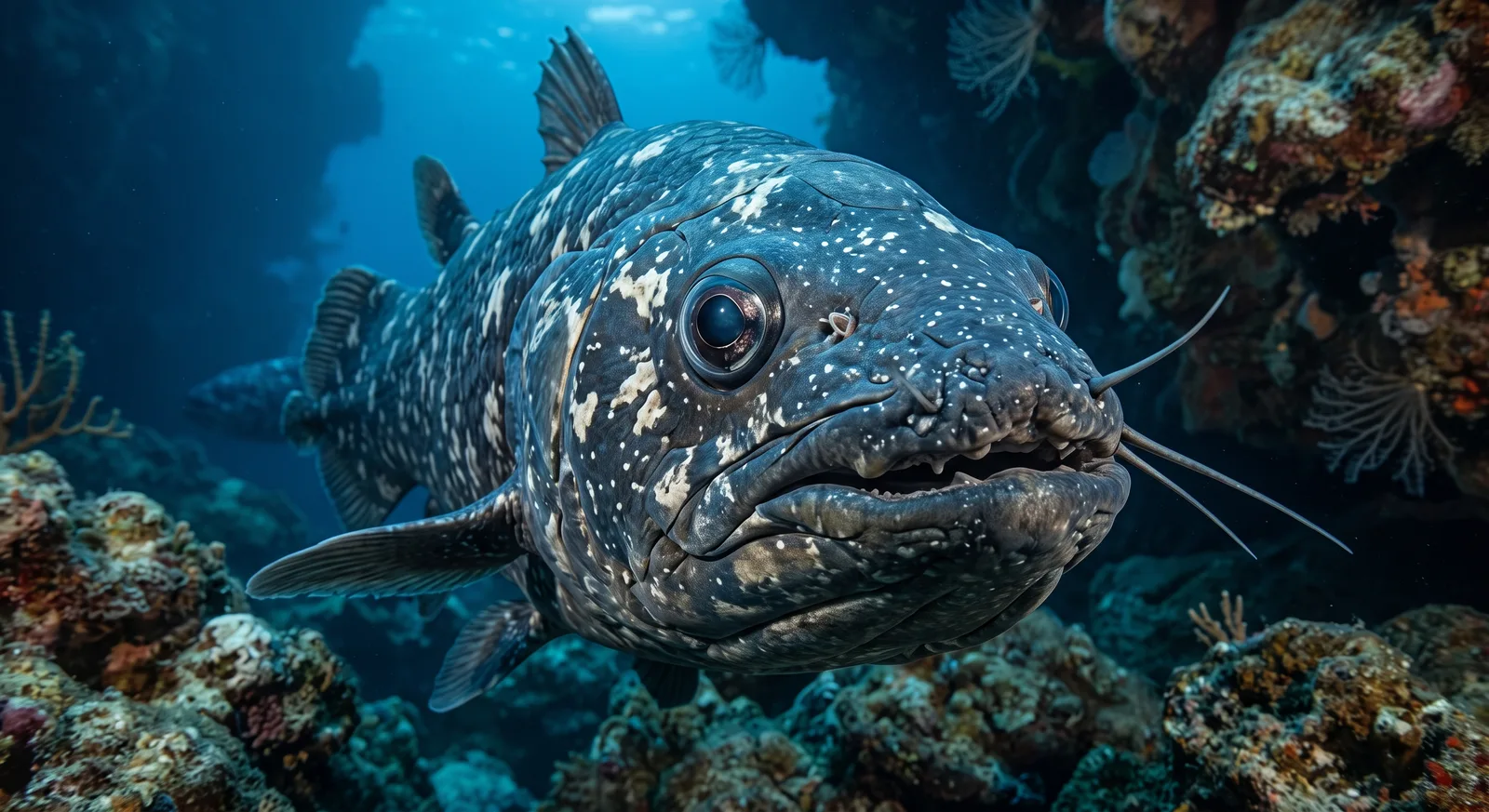
Gallery


Etiquetas relacionadas
More from Comportamiento
Keep exploring
Based on what we already know about nocturnal.
26 visitas