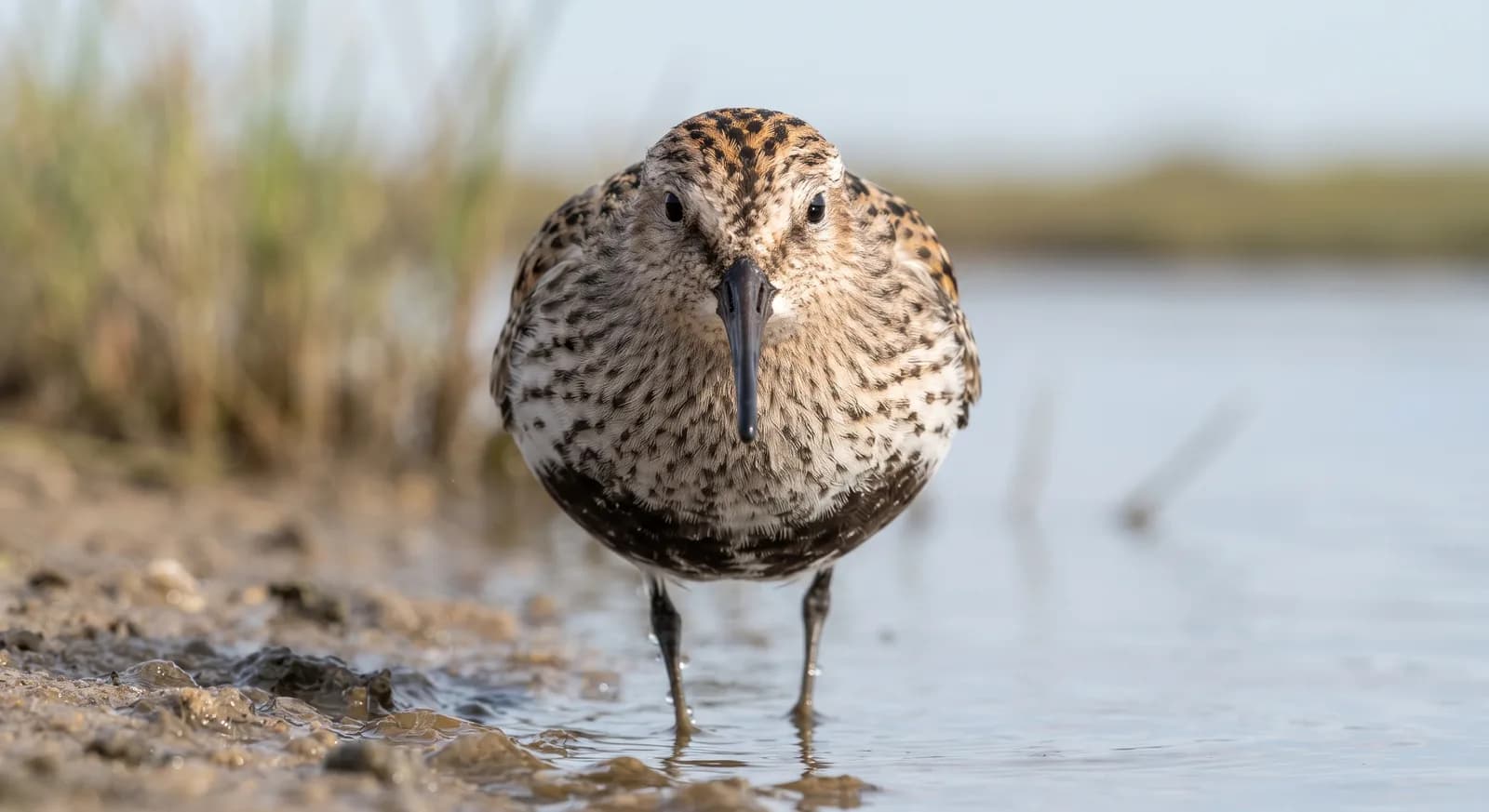
 Least Concern
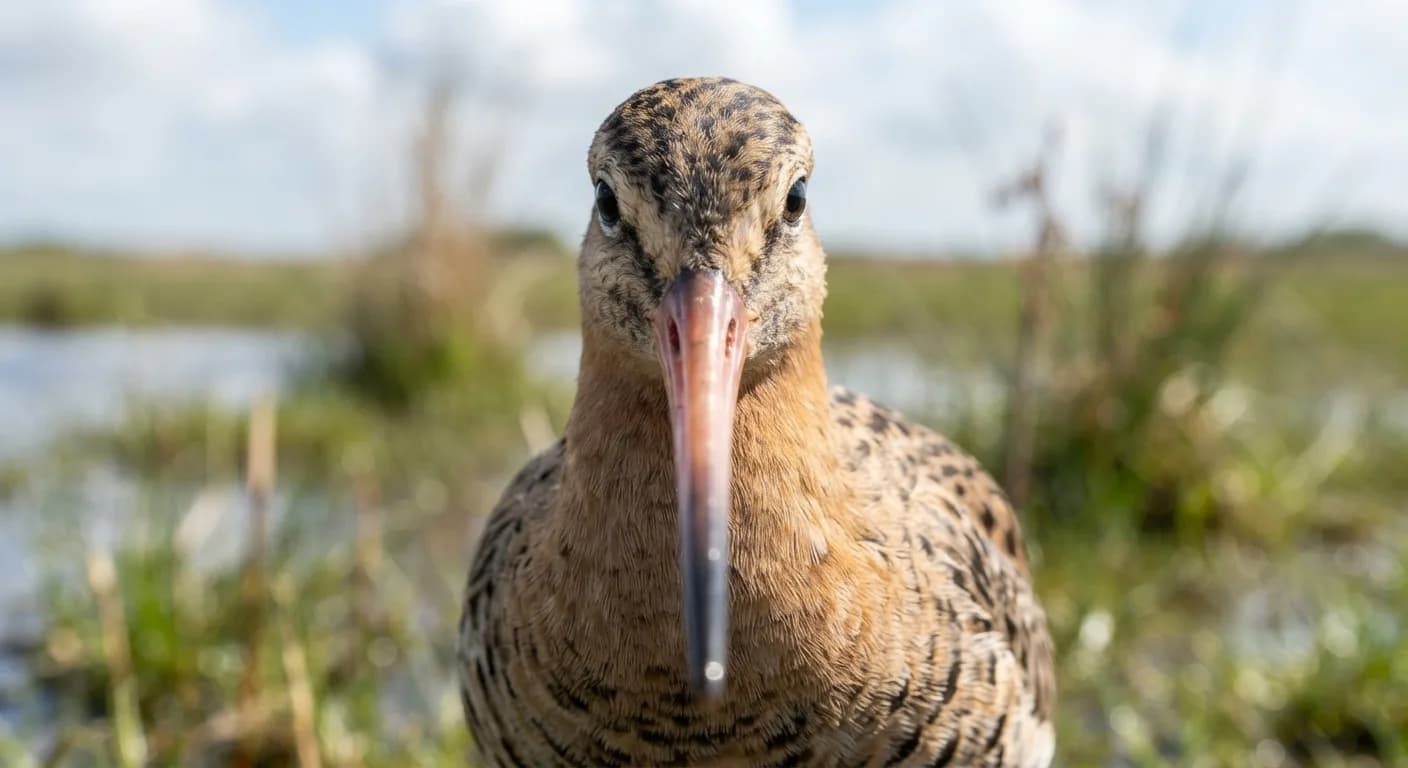
Dunlin
Calidris alpina
One of the last freshwater tidal deltas in Europe, born of a catastrophic flood in 1421.
Area
90 km²
Designated in
1994
Region
Western Europe
A freshwater tidal delta of willow woods and creeks
De Biesbosch National Park was established in 1994 across the provinces of North Brabant and South Holland, and protects some 90 km² of a labyrinth of channels, islands, reedbeds and willow woods at the confluence of the Meuse and the Waal.
Its origin is a disaster. On the night of St Elizabeth in 1421 a storm broke the dykes and the sea flooded a densely populated farming district, drowning dozens of villages and creating an inland sea. Over time the sediments laid down by the rivers formed banks, islands and channels, and so the Biesbosch was born, worked for centuries for cutting osier, rushes and reed.
It is one of the last freshwater deltas with tidal influence left in Europe: the tide is still felt in the channels, although its range was greatly reduced after the building of the Haringvlietdam as part of the Delta Plan. The park is today a benchmark for rewilding: dykes have been dismantled and polders returned to the river, and the Eurasian beaver, reintroduced in 1988 after centuries of absence, has established itself successfully. It also holds a growing population of white-tailed eagle, which began breeding again in the Netherlands precisely in the Biesbosch.
Ecosystems found in the Netherlands, where Biesbosch lies.
What is worth looking out for this month in the Netherlands?
Now is a good time: Migratory shorebird passage in the Wadden Sea (March to May and August to October (wintering October to April))
Now is a good time: Migratory shorebird passage in the Wadden Sea (March to May and August to October (wintering October to April))
Which other parks are like this one?
Same country: Netherlands
Same country: Netherlands
Same country: Netherlands
Same country: Netherlands
Based on what we already know about this park.
Climate
Temperate
Threatened:,,,,
 Netherlands