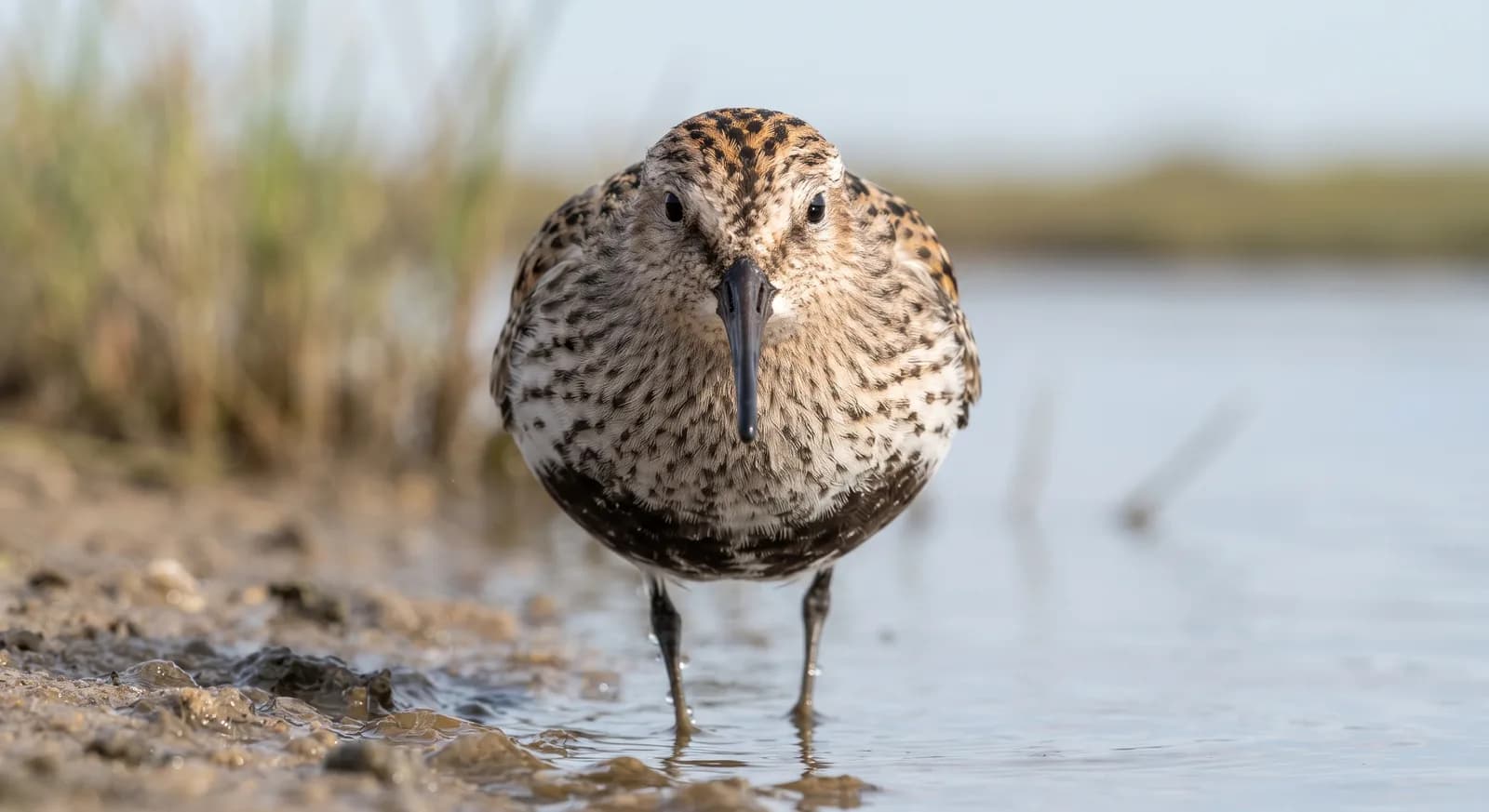
 Least Concern
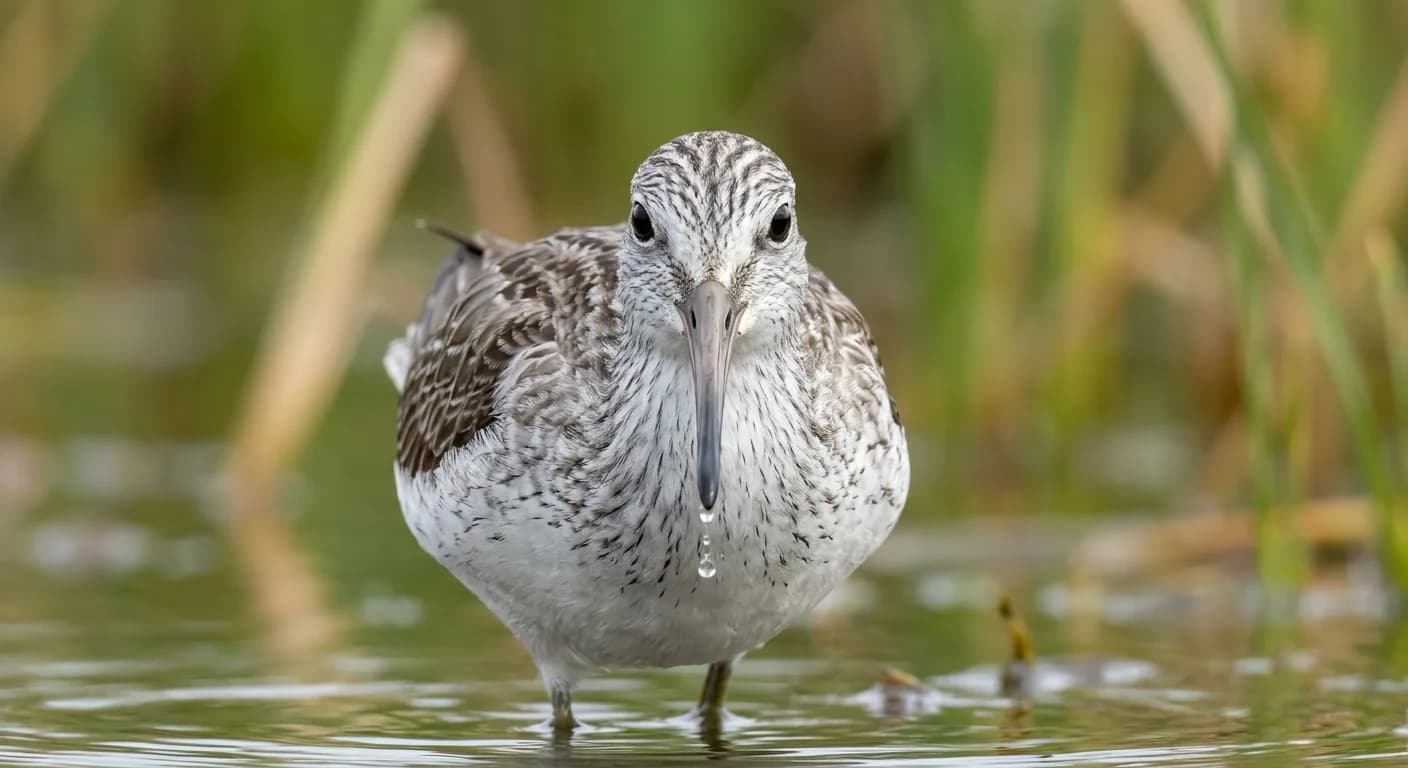
Dunlin
Calidris alpina
A car-free Frisian island with the widest beach in Europe, within the Wadden Sea World Heritage property.
Area
54 km²
Designated in
1989
Region
Western Europe
A Wadden Sea barrier island with dunes and salt marshes
Schiermonnikoog National Park was established in 1989 on the easternmost of the inhabited Dutch Frisian Islands, and protects some 54 km² covering practically the whole island except the village and the polders, together with the tidal flats and surrounding waters.
It is a barrier island in constant movement: sand is eroded in the west and deposited in the east, so that the island slowly migrates in that direction. Its beach, at the western end, is reckoned the widest in Europe. Behind it come mobile and fixed dunes, damp dune slacks with orchids, salt marshes and, on the southern side, the mudflats of the Wadden Sea.
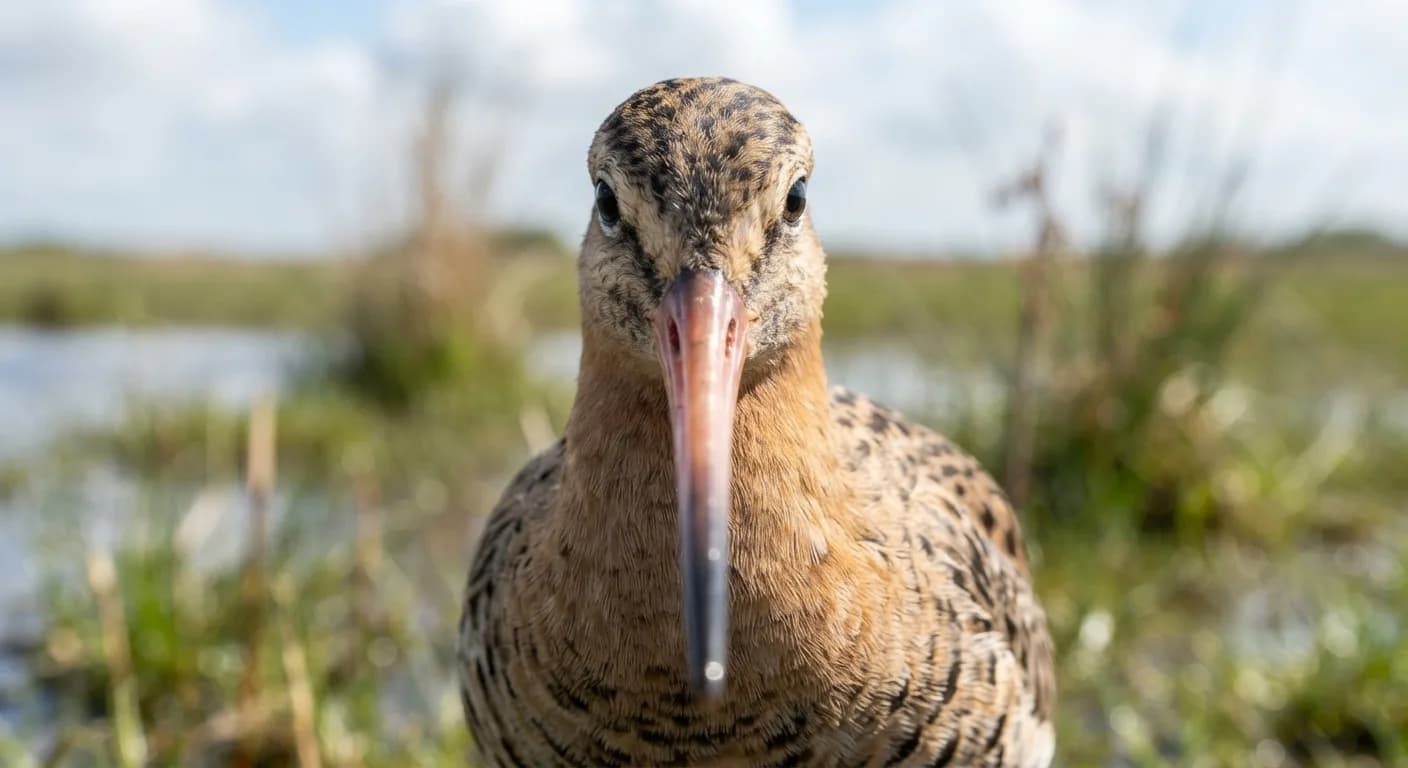
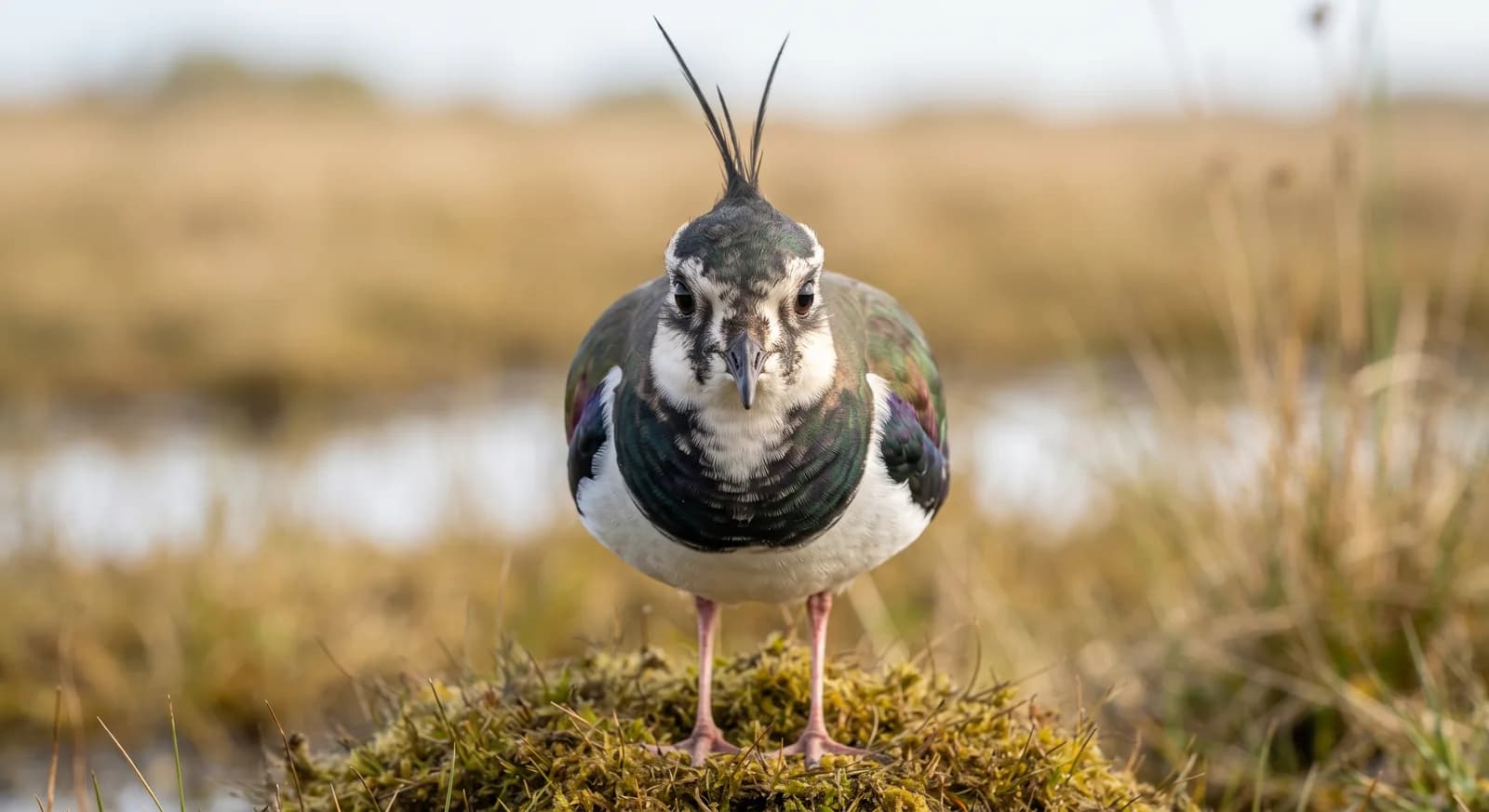
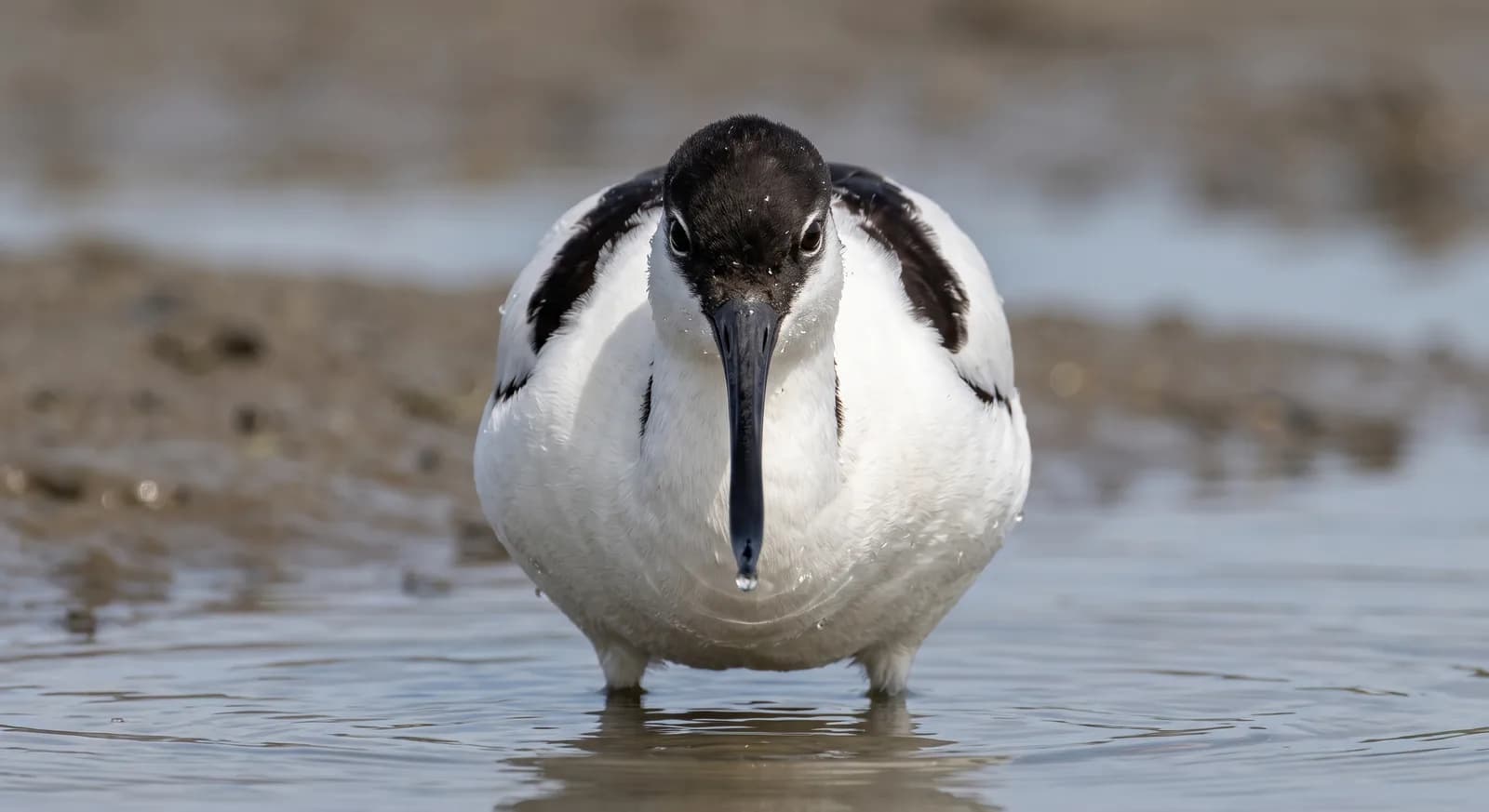
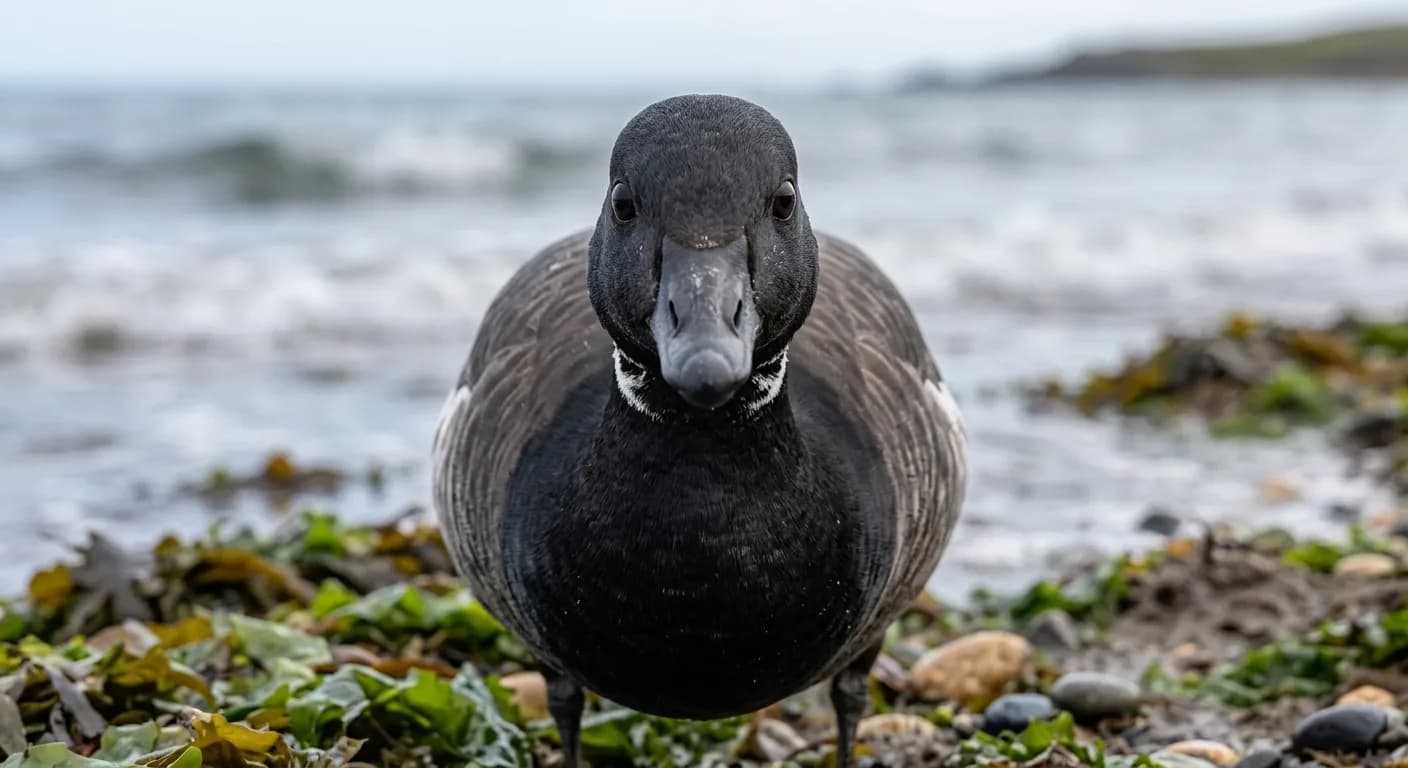
The island is closed to visitors' vehicle traffic, which gives it an uncommonly quiet character. Its principal value is ornithological: the marshes and the mudflats are a feeding and resting area for tens of thousands of migrating waders, and spoonbills, oystercatchers and several species of tern and gull breed on the island. Harbour and grey seals haul out on the sandbanks. Schiermonnikoog forms part of the Wadden Sea World Heritage property, inscribed in 2009 and shared with Germany and Denmark.
Ecosystems found in the Netherlands, where Schiermonnikoog lies.
What is worth looking out for this month in the Netherlands?
Now is a good time: Migratory shorebird passage in the Wadden Sea (March to May and August to October (wintering October to April))
Now is a good time: Migratory shorebird passage in the Wadden Sea (March to May and August to October (wintering October to April))
Which other parks are like this one?
Same country: Netherlands
Same country: Netherlands
Same country: Netherlands
Same country: Netherlands
Based on what we already know about this park.
Climate
Temperate
Threatened:,,,,,,,,
 Netherlands