Skip to content
WAnimals
  • Map
  • Species
  • Parks
  • Diving
Log inCreate account
WAnimals

The guide for travellers and animal lovers: discover, plan and share your wild adventures around the world.

Discover wildlife

  • Species
  • Ecosystems
  • Glossary
  • Tags

Explore places

  • Map
  • Countries
  • Parks
  • Diving

Plan experiences

  • Guides

Learn

  • Blog

Resources

  • About us
  • How we build our profiles
  • Help centre
  • Contact
  • Install the app

Follow us

Account

  • Log in
  • Create account

© 2026 WAnimals. All rights reserved.

Terms of servicePrivacyCookiesLegal notice
MapSpeciesParksDiving
  1. Home
  2. Species
  3. Northern Shrimp

One of the 8 shrimps on WAnimals

Malacostracans · Decapoda · Pandalidae

Northern Shrimp

Pandalus borealis

Not Evaluated

It has not yet been assessed against the IUCN criteria.

Spotted something wrong?

The northern shrimp, or northern prawn, is a decapod crustacean of the family Pandalidae, characteristic of the cold waters of the North Atlantic. In the North Pacific, the related population is often treated as a distinct species, Pandalus eous.

Size

8 cm – 16 cm

Life expectancy

8 years

Diet

Omnivore

Combines animal and plant food depending on availability.

Social structure

Solitary

Lives and hunts alone, joining others only to breed.

Ocean
12countries21parks19dive sites

Fun facts

  • It is a protandrous hermaphrodite: every individual is born and first breeds as a male, and after a few years turns into a female.
  • The female carries the eggs attached beneath her abdomen for several months before they hatch.
  • Water temperature determines the age at which they change sex, so the warming of the sea alters the structure of the population.
  • It is a protandrous hermaphrodite: all are born male, breed as such and at around two and a half years old their testes turn into ovaries and they end their lives as females.
  • The transition runs through seven stages with visible changes in the pleopods and the sternal spines.
  • That is why the females are much larger than the males: males are around 12 cm and females reach 18.
  • The size at which they change sex is not fixed. In two Icelandic populations whose biomass collapsed after 2000, the change began happening at smaller sizes, which suggests population density plays a part.
  • That makes sex-changing populations more sensitive to fishing pressure and means they cannot be managed like the rest.

Life cycle and biology

Skeleton type
Invertebrate - articulated calcareous exoskeleton (crustacean)
Habitat and environment
Cold muddy bottoms of the North Atlantic and the Arctic, from 20 to 1,300 m
Gestation / incubation
The female carries the eggs for about 164 days
Litter / clutch size
From 600 to 4,900 eggs per female, about 2,000 on average

Sources consulted: Wikipedia (es): Pandalus borealis · ScienceDirect (Hughes 1989) · Science Advances, How colonial animals evolve · Wikipedia, Zooid

Where to find it

Loading map…

Where to see it

Parks and dive sites where this species has been documented — showing 20 of 40.

Related species

Other species in the catalogue with the most in common with Northern Shrimp — same habitat, park, country, tags or family.

Shares a park
Shares a park
Shares a park
Shares a park
Shares a park
Shares a park

Keep exploring

Based on what we already know about northern shrimp.

Share an experience, a fun fact or a tip for seeing the northern shrimp.
See full glossary
This page in other languages: Español · Deutsch · Français · Português · Italiano

The pins mark the parks and dive sites where its presence is documented.
See its range on the interactive map→
VatnajökullIceland
Glacier BayUnited States
Gros MorneCanada
FundyCanada
Gwaii HaanasCanada
AuyuittuqCanada
KatmaiUnited States
KosterhavetSweden
Cape Breton HighlandsCanada
Sable IslandCanada
Scapa FlowUnited Kingdom
Farne IslandsUnited Kingdom
Lofoten (orcas)Norway
SaltstraumenNorway
Svalbard (ice diving)Norway
St AbbsUnited Kingdom
Malin HeadIreland
Block Island (Mohawk wreck)United States
Strýtan (hydrothermal chimney)Iceland
Andrea DoriaUnited States
See all 21 parks
See all 19 dive sites
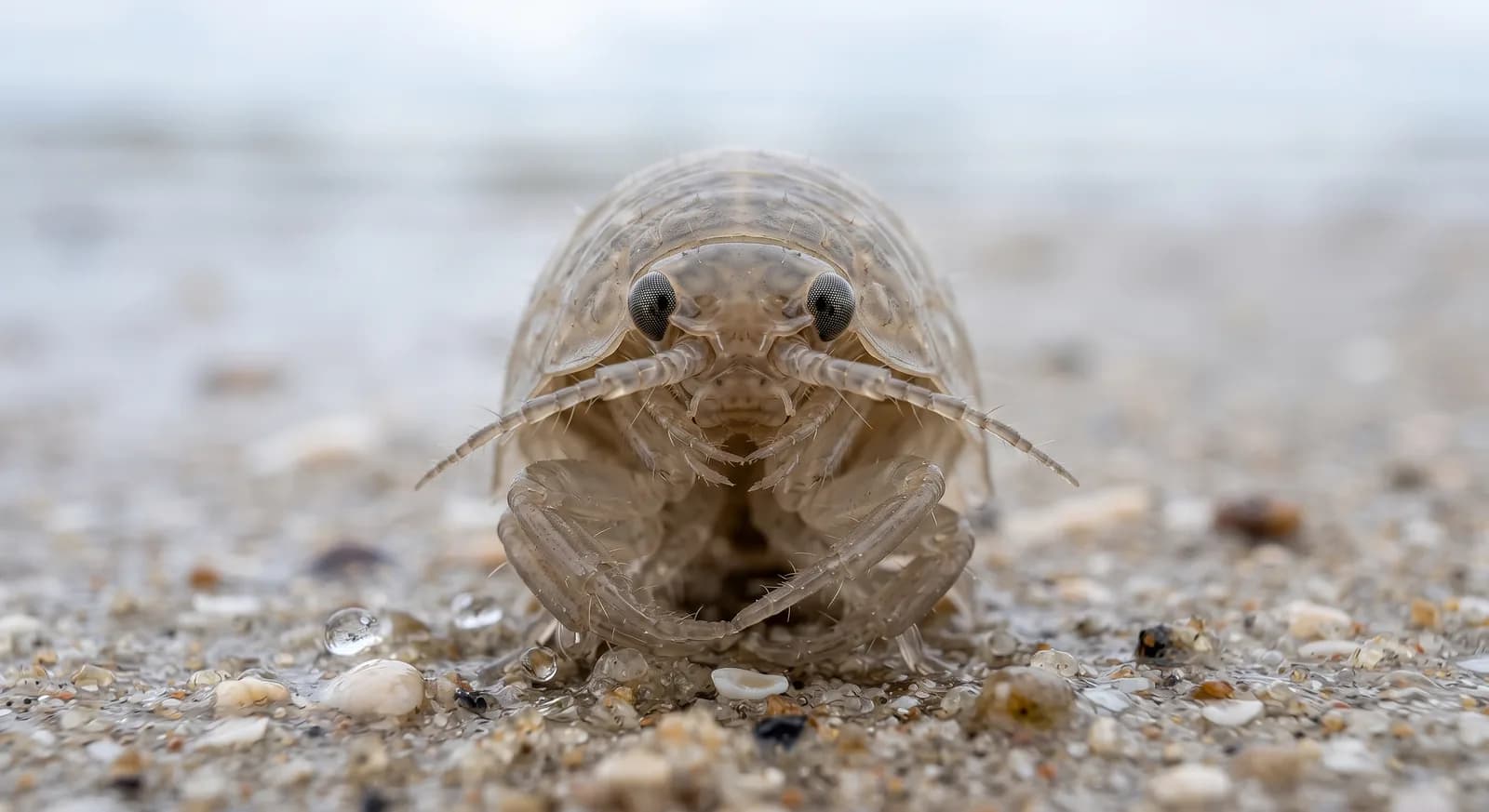
Sand HopperNot Evaluated

Sand Hopper

Talitrus saltator

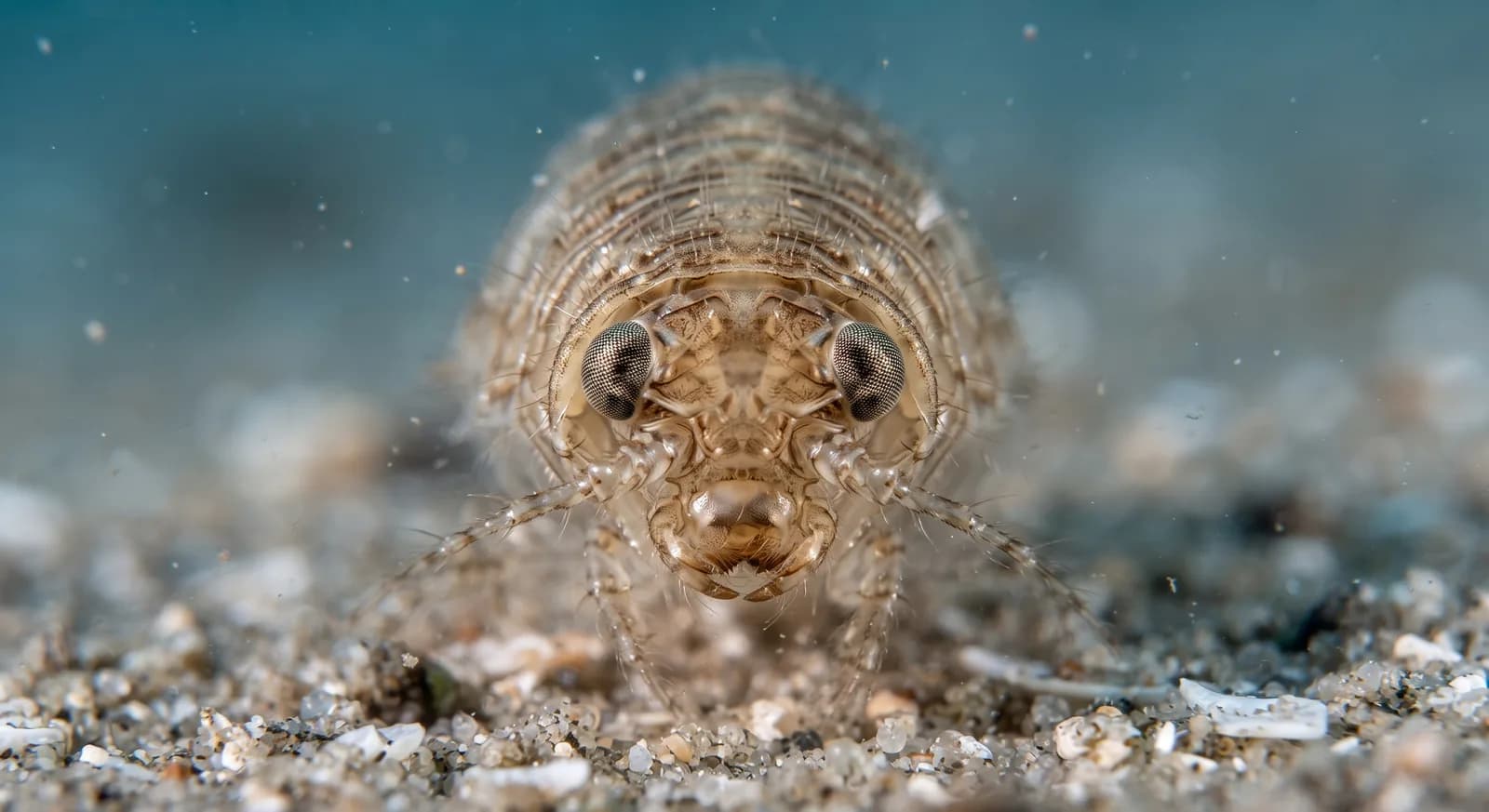
European Sand CumaceanNot Evaluated

European Sand Cumacean

Cumopsis goodsir

Not Evaluated

Linear Skeleton Shrimp

Caprella linearis

Not Evaluated

Serrated Marine Isopod

Sphaeroma serratum

Not Evaluated

Rough Barnacle

Balanus balanus

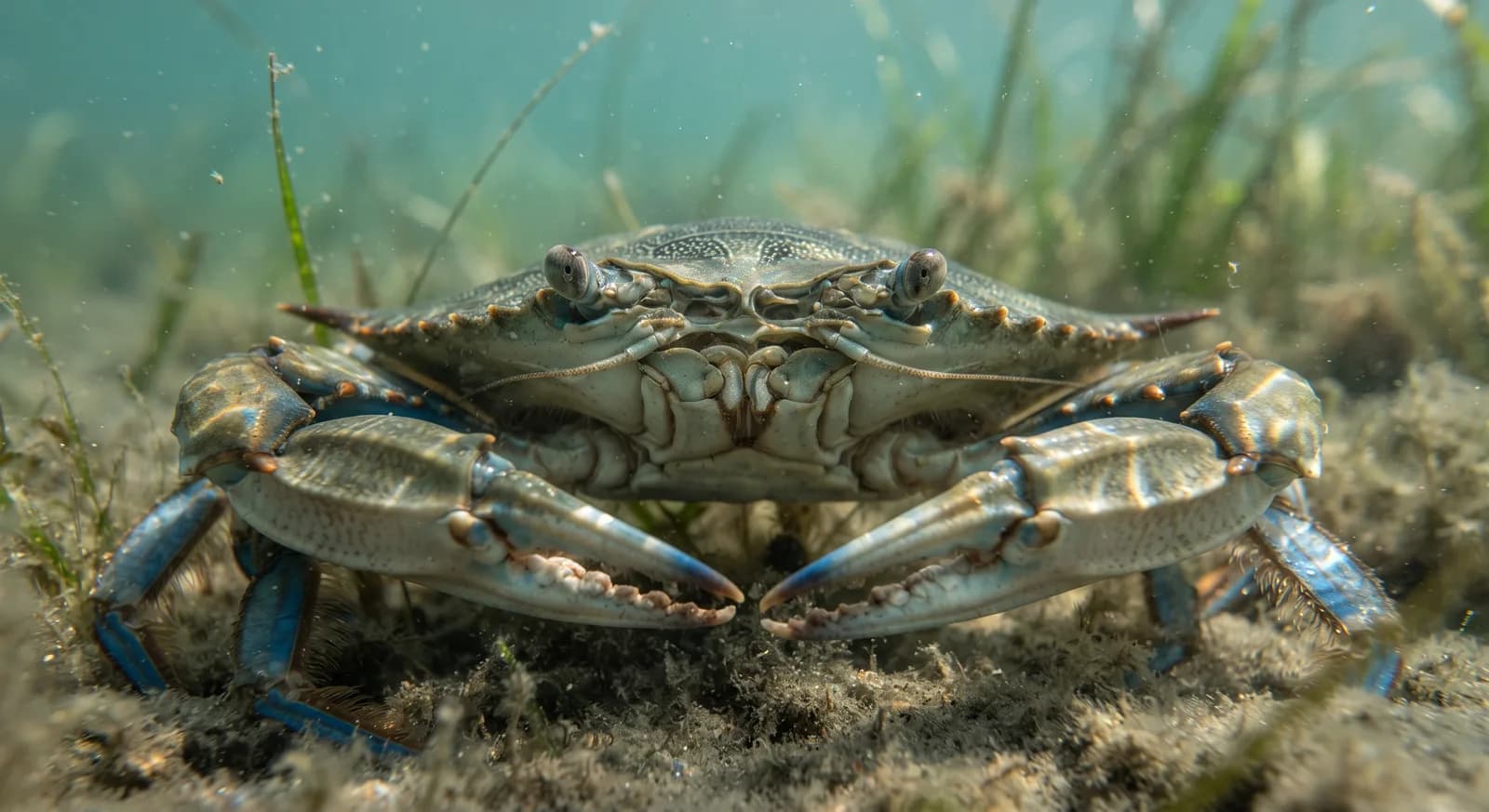
Blue CrabNot Evaluated

Blue Crab

Callinectes sapidus

CountriesCanada
ParksVatnajökullIceland
TagsOmnivore
Omnivore
Colonial
Ocean
Crustacean

Europe6

Asia3

North America3

Canada
Norway
United Kingdom
United States
Iceland
Ireland
Denmark
Iceland
Ireland
Norway
Sweden
United Kingdom
Japan
Russia
South Korea
Canada
Greenland
United States