Skip to content
WAnimals
  • Map
  • Species
  • Parks
  • Diving
Log inCreate account
WAnimals

The guide for travellers and animal lovers: discover, plan and share your wild adventures around the world.

Discover wildlife

  • Species
  • Ecosystems
  • Glossary
  • Tags

Explore places

  • Map
  • Countries
  • Parks
  • Diving

Plan experiences

  • Guides

Learn

  • Blog

Resources

  • Help centre
  • Contact
  • Install the app

Follow us

Account

  • Log in
  • Create account

© 2026 WAnimals. All rights reserved.

About usHow we build our profilesTerms of servicePrivacyLegal notice
MapSpeciesParksDiving
  1. Home
  2. Species
  3. Rough Barnacle

One of the 2 barnacles on WAnimals

Barnacles · Sessilia · Balanidae

Rough Barnacle

Balanus balanus

Not Evaluated

It has not yet been assessed against the IUCN criteria.

Spotted something wrong?

A cold-water acorn barnacle, with a conical shell of calcareous plates cemented for life to rocks, shells and ships' hulls. It lives on its back inside its fortress and pushes feathery appendages, the cirri, out through the opening to sweep the water for plankton.

Size

1 cm – 3 cm

Diet

Omnivore

Combines animal and plant food depending on availability.

Social structure

Solitary

Lives and hunts alone, joining others only to breed.

Sighting difficulty

Unknown

Ocean
17countries34parks22dive sites1same family

Fun facts

  • A barnacle is, in truth, a crustacean lying on its back kicking food into its mouth, as Louis Agassiz put it.
  • Barnacles are hermaphrodites and, being unable to move, have the longest penis in the animal kingdom relative to body size, in order to reach their neighbours.
  • The cement with which they attach is one of the strongest underwater adhesives known.
  • It is a cold-water, subtidal barnacle, unlike its intertidal relative: it is rarely left exposed to the air.
  • It filters plankton by rhythmically beating its cirri, feathery legs that it extends through the opening at the top of the shell and draws in like a net.
  • It attaches to any hard surface, including scallop shells and living lobsters, and is a regular component of the fouling on hulls and marine structures.
  • Its plated calcareous shell is so distinctive that marine archaeology uses it to date how long an object has been submerged.

Life cycle and biology

Skeleton type
Invertebrate - articulated calcareous exoskeleton (crustacean)
Habitat and environment
Rocks and shells of the cold subtidal of the North Atlantic and the Arctic

Sources consulted: Linneo (1758); Marine Life Information Network; Southward, Barnacles; ScienceDirect (Hughes 1989); Science Advances, How colonial animals evolve; Wikipedia, Zooid

Where to find it

Loading map…

Where to see it

Parks and dive sites where this species has been documented — showing 20 of 56.

Related species

Other species in the catalogue with the most in common with Rough Barnacle — same habitat, park, country, tags or family.

Same taxonomic family
Shares a park
Shares a park
Shares a park
Shares a park
Shares a park

Keep exploring

Based on what we already know about rough barnacle.

Comments

Share an experience, a fun fact or a tip for seeing the rough barnacle.

Be the first to comment.

See full glossary
This page in other languages: Español · Deutsch · Français · Português · Italiano

The pins mark the parks and dive sites where its presence is documented.
See its range on the interactive map→
VatnajokullIceland
Gros MorneCanada
AuyuittuqCanada
Wadden Sea National ParkDenmark
Wadden SeaGermany
Pembrokeshire CoastUnited Kingdom
NorthumberlandUnited Kingdom
Wrangel IslandRussia
Cíes IslandsSpain
Ria FormosaPortugal
Scapa FlowUnited Kingdom
Farne IslandsUnited Kingdom
Lofoten (orcas)Norway
SaltstraumenNorway
Svalbard (ice diving)Norway
St AbbsUnited Kingdom
Malin HeadIreland
Block Island (Mohawk wreck)United States
Strýtan (hydrothermal chimney)Iceland
Andrea DoriaUnited States
See all 34 parks
See all 22 dive sites
Not Evaluated

Acorn Barnacle

Semibalanus balanoides

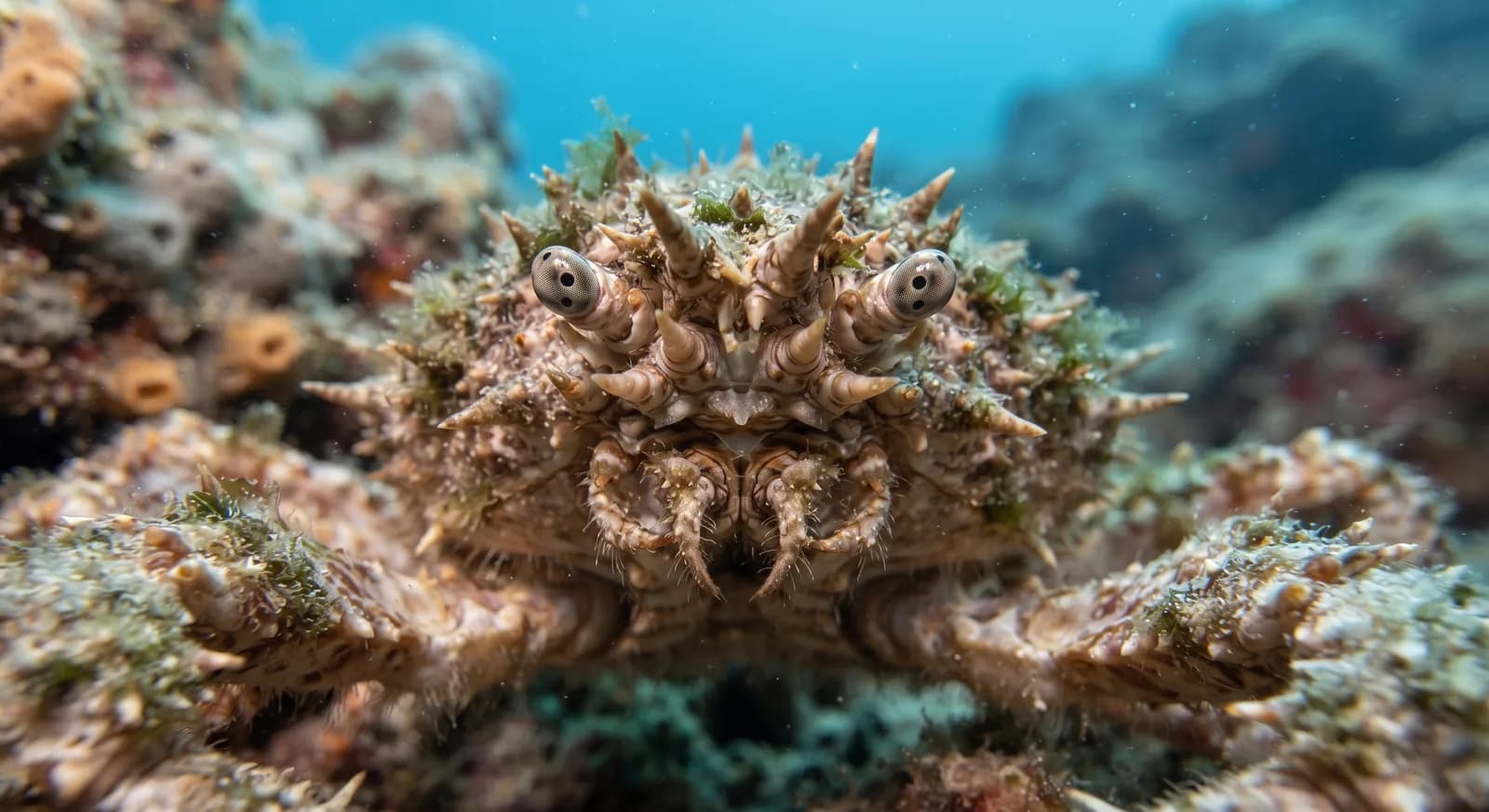
Common Spider CrabNot Evaluated

Common Spider Crab

Maja squinado

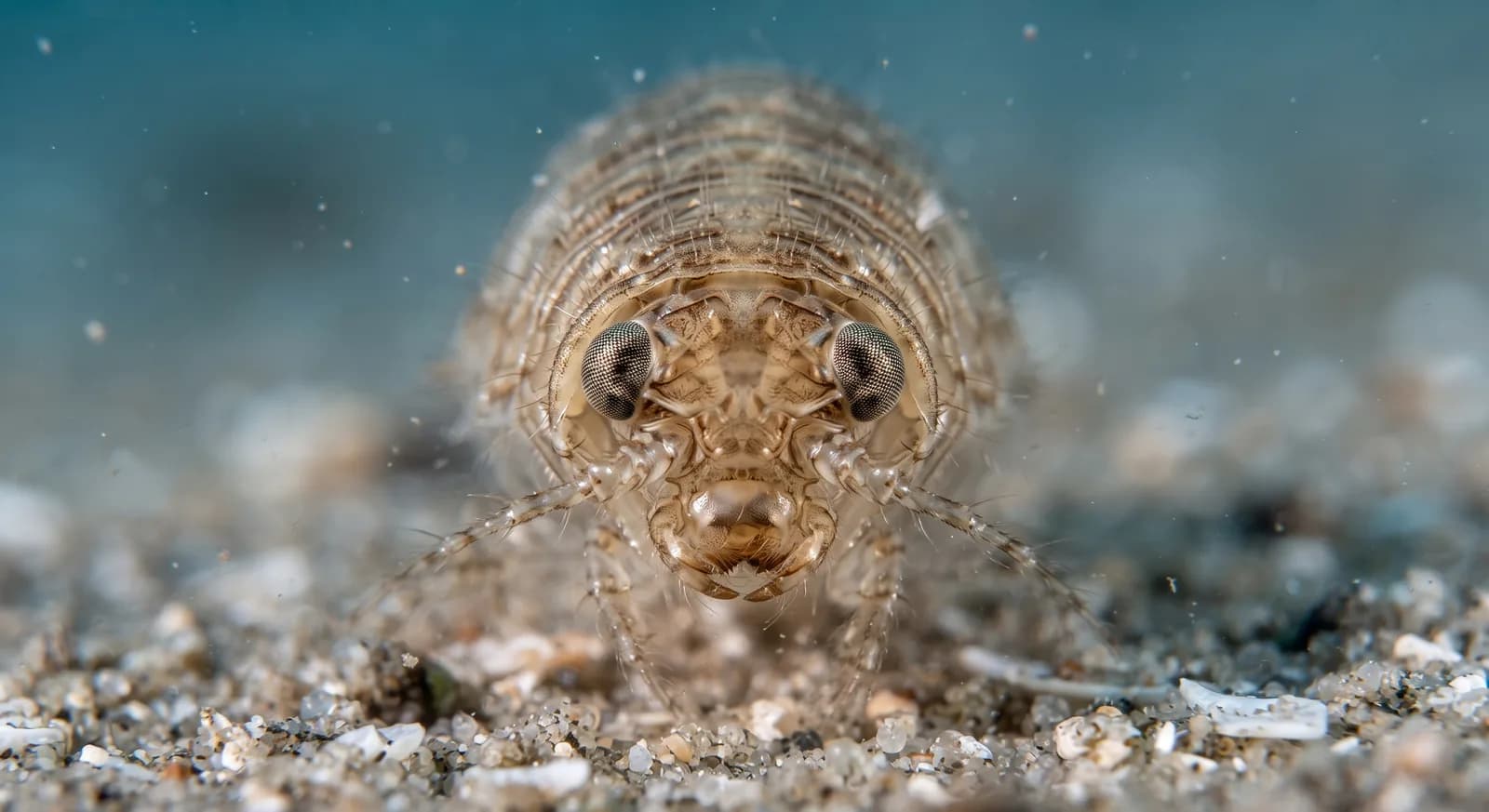
Sand HopperNot Evaluated

Sand Hopper

Talitrus saltator

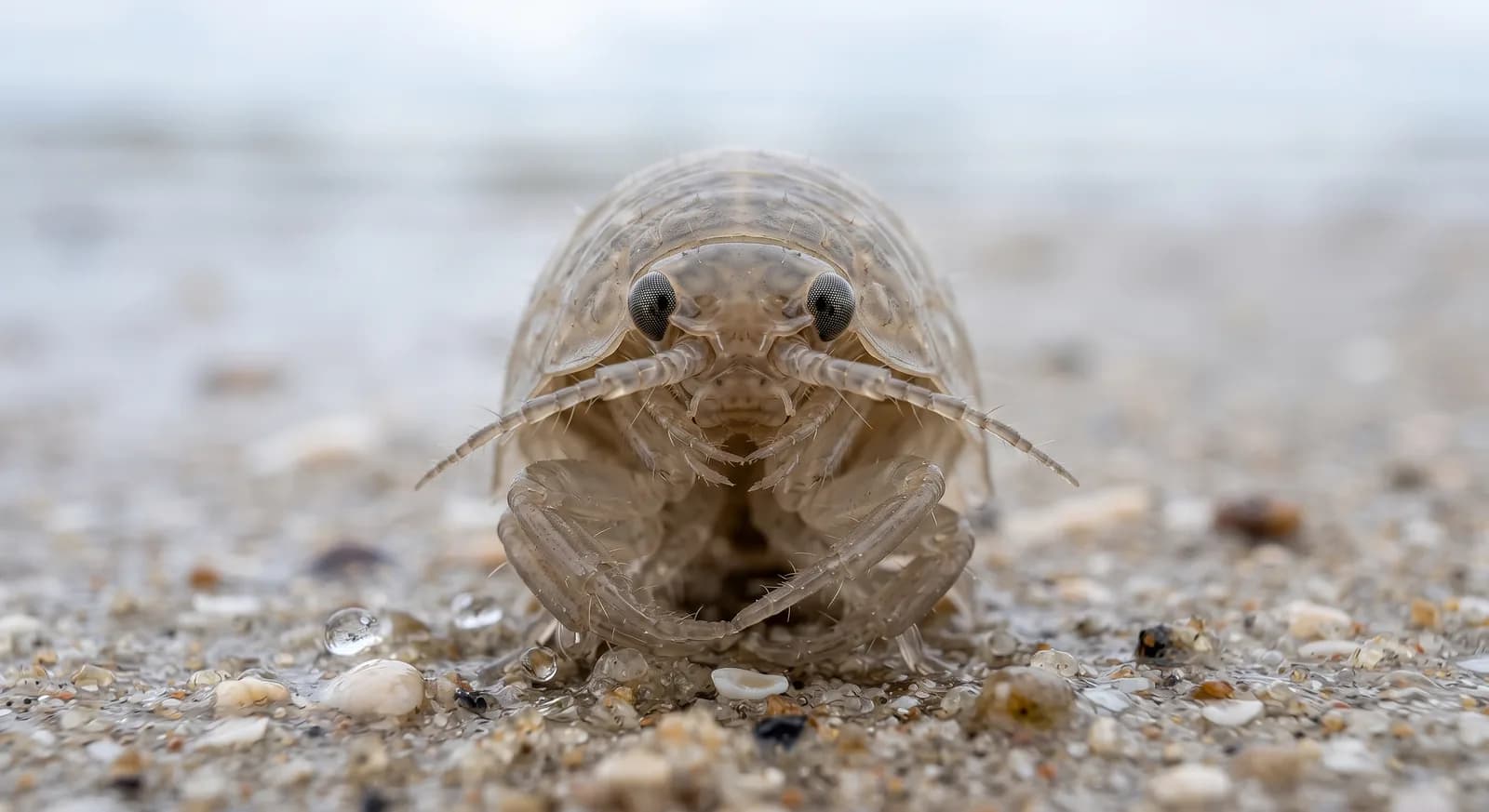
European Sand CumaceanNot Evaluated

European Sand Cumacean

Cumopsis goodsir

Not Evaluated

Northern Shrimp

Pandalus borealis

Not Evaluated

Ghost Shrimp

Caprella linearis

CountriesUnited Kingdom
ParksVatnajokullIceland
TagsOmnivore
Omnivore
Colonial
Ocean
Crustacean

Europe13

North America3

Asia1

United Kingdom
Canada
Norway
Germany
Iceland
Ireland
Belgium
Denmark
Finland
France
Germany
Iceland
Ireland
Netherlands
Norway
Portugal
Spain
Sweden
United Kingdom
Canada
Greenland
United States
Russia