Skip to content
WAnimals
  • Map
  • Species
  • Parks
  • Diving
Log inCreate account
WAnimals

The guide for travellers and animal lovers: discover, plan and share your wild adventures around the world.

Discover wildlife

  • Species
  • Ecosystems
  • Glossary
  • Tags

Explore places

  • Map
  • Countries
  • Parks
  • Diving

Plan experiences

  • Guides

Learn

  • Blog

Resources

  • About us
  • How we build our profiles
  • Help centre
  • Contact
  • Install the app

Follow us

Account

  • Log in
  • Create account

© 2026 WAnimals. All rights reserved.

Terms of servicePrivacyCookiesLegal notice
MapSpeciesParksDiving
  1. Home
  2. Species
  3. Acorn Barnacle

One of the 2 barnacles on WAnimals

Barnacles · Sessilia · Balanidae

Acorn Barnacle

Semibalanus balanoides

Not Evaluated

It has not yet been assessed against the IUCN criteria.

Spotted something wrong?

The commonest acorn barnacle of North Atlantic rocky shores, able to cover the rock completely with thousands of individuals per square metre. It settles as a larva, cements itself for life and filters plankton with its cirri every time the tide covers it. It withstands hours of drying out by closing its plates.

Size

up to 1.5 cm

Life expectancy

6 years

Diet

Herbivore

Feeds mainly on plants.

Social structure

Solitary

Lives and hunts alone, joining others only to breed.

Ocean
17countries30parks45dive sites1same family

Fun facts

  • Joseph Connell's experiments with this species and with Chthamalus in the 1950s showed how competition and drying out sort intertidal life into bands, and are one of the foundations of modern ecology.
  • It attaches to the rock with an adhesive protein that sets underwater and is being studied for developing surgical glues.
  • Before settling, the larva explores the rock with its antennae and chooses the spot partly by the presence of other individuals of its own species.
  • It is the commonest acorn barnacle on European Atlantic coasts and forms continuous bands clearly visible on the rock.
  • It has the longest penis in the animal kingdom relative to body size: up to eight times its own length. Cemented to the rock and unable to move, it needs to reach its neighbours to fertilise them.
  • That penis adapts to wave action: on heavily exposed shores it is shorter and thicker, and in sheltered places longer and thinner.
  • The larva swims free and, on settling, glues itself head-first to the rock with a protein cement so powerful that it is being researched as an underwater adhesive.
  • It is one of the key species in the classic studies of competition for space in the intertidal, alongside the mussel and the limpet.

Life cycle and biology

Skeleton type
Invertebrate - articulated calcareous exoskeleton (crustacean)
Habitat and environment
Intertidal rocks of the North Atlantic

Sources consulted: Wikipedia (en): Semibalanus balanoides · ScienceDirect (Hughes 1989) · Science Advances, How colonial animals evolve · Wikipedia, Zooid

Where to find it

Loading map…

Where to see it

Parks and dive sites where this species has been documented — showing 20 of 75.

Related species

Other species in the catalogue with the most in common with Acorn Barnacle — same habitat, park, country, tags or family.

Same taxonomic family
Shares a park
Shares a park
Shares a park
Shares a park
Shares a park

Keep exploring

Based on what we already know about acorn barnacle.

Share an experience, a fun fact or a tip for seeing the acorn barnacle.
See full glossary
This page in other languages: Español · Deutsch · Français · Português · Italiano

The pins mark the parks and dive sites where its presence is documented.
See its range on the interactive map→
Doñana National ParkSpain
CalanquesFrance
Gros MorneCanada
Port-CrosFrance
Pembrokeshire CoastUnited Kingdom
NorthumberlandUnited Kingdom
Cabrera ArchipelagoSpain
Ebro DeltaSpain
Cíes IslandsSpain
Ria FormosaPortugal
Scapa FlowUnited Kingdom
Medes IslandsSpain
Cap de CreusSpain
El Hierro / La RestingaSpain
Museo Atlántico (Lanzarote)Spain
Calanques of MarseilleFrance
Scandola Reserve (Corsica)France
Farne IslandsUnited Kingdom
Lofoten (orcas)Norway
SaltstraumenNorway
See all 30 parks
See all 45 dive sites
Not Evaluated

Rough Barnacle

Balanus balanus

Not Evaluated

Common Periwinkle

Littorina littorea

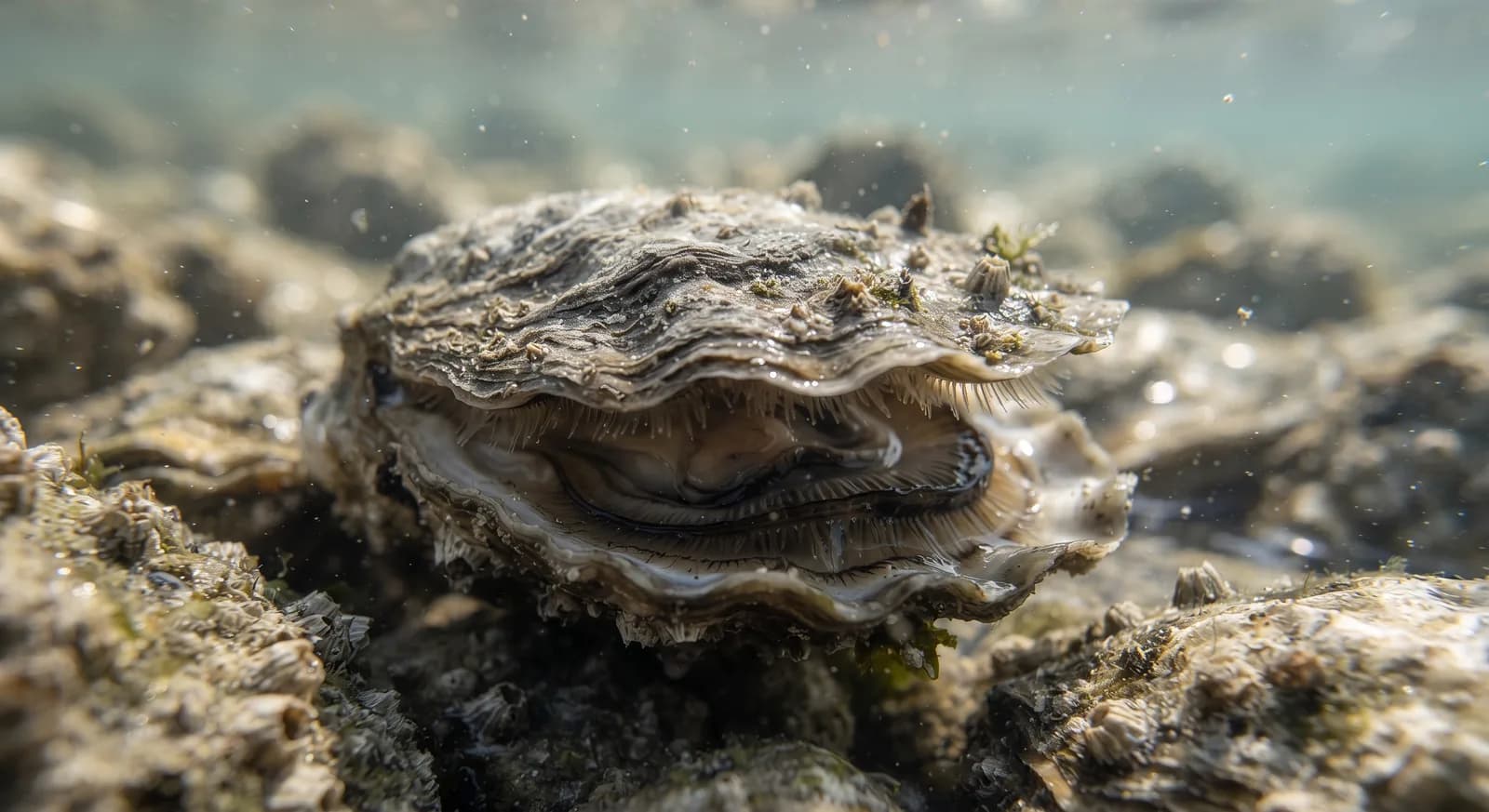
Common OysterNot Evaluated

Common Oyster

Ostrea edulis

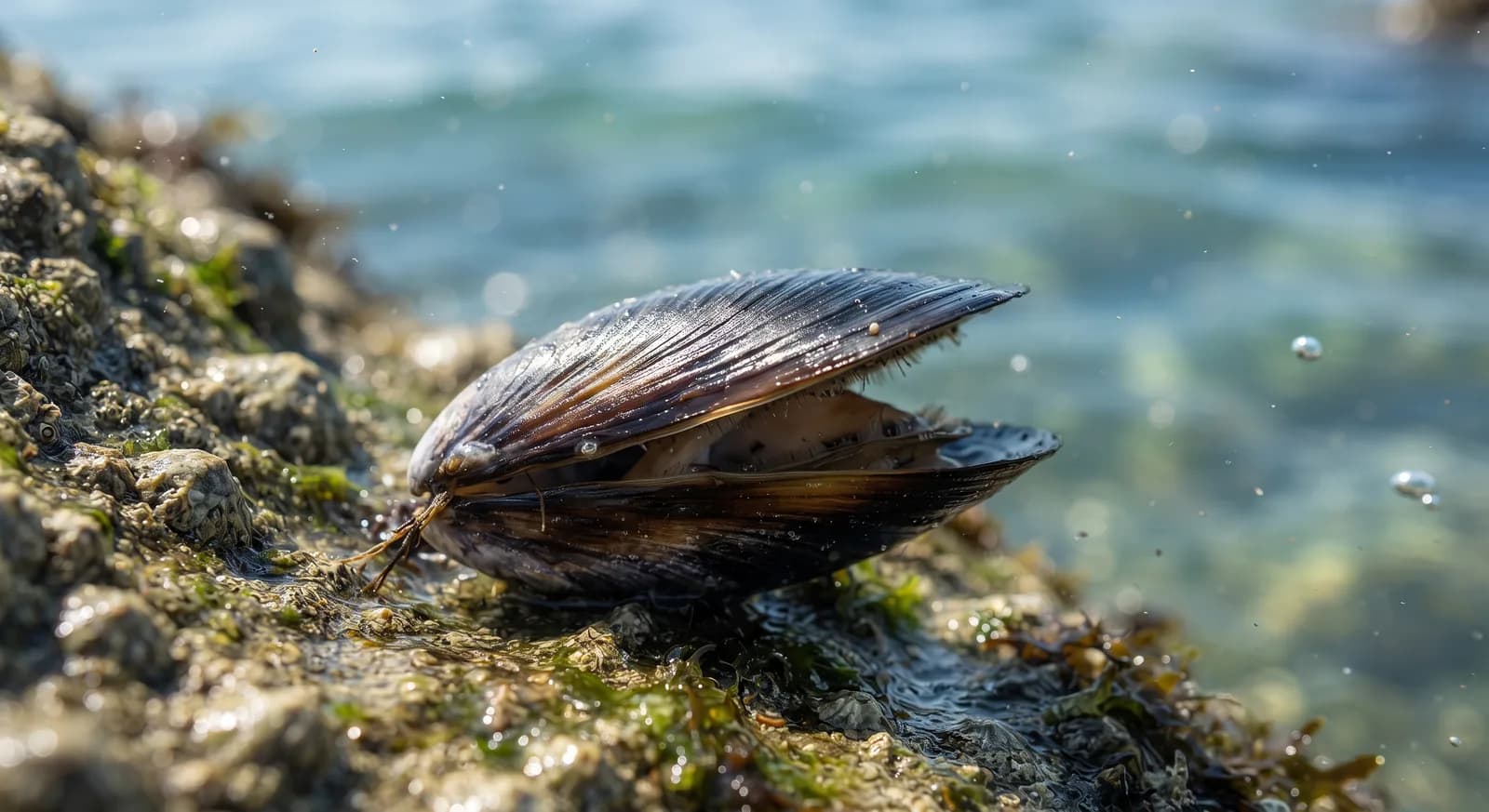
Blue MusselNot Evaluated

Blue Mussel

Mytilus edulis

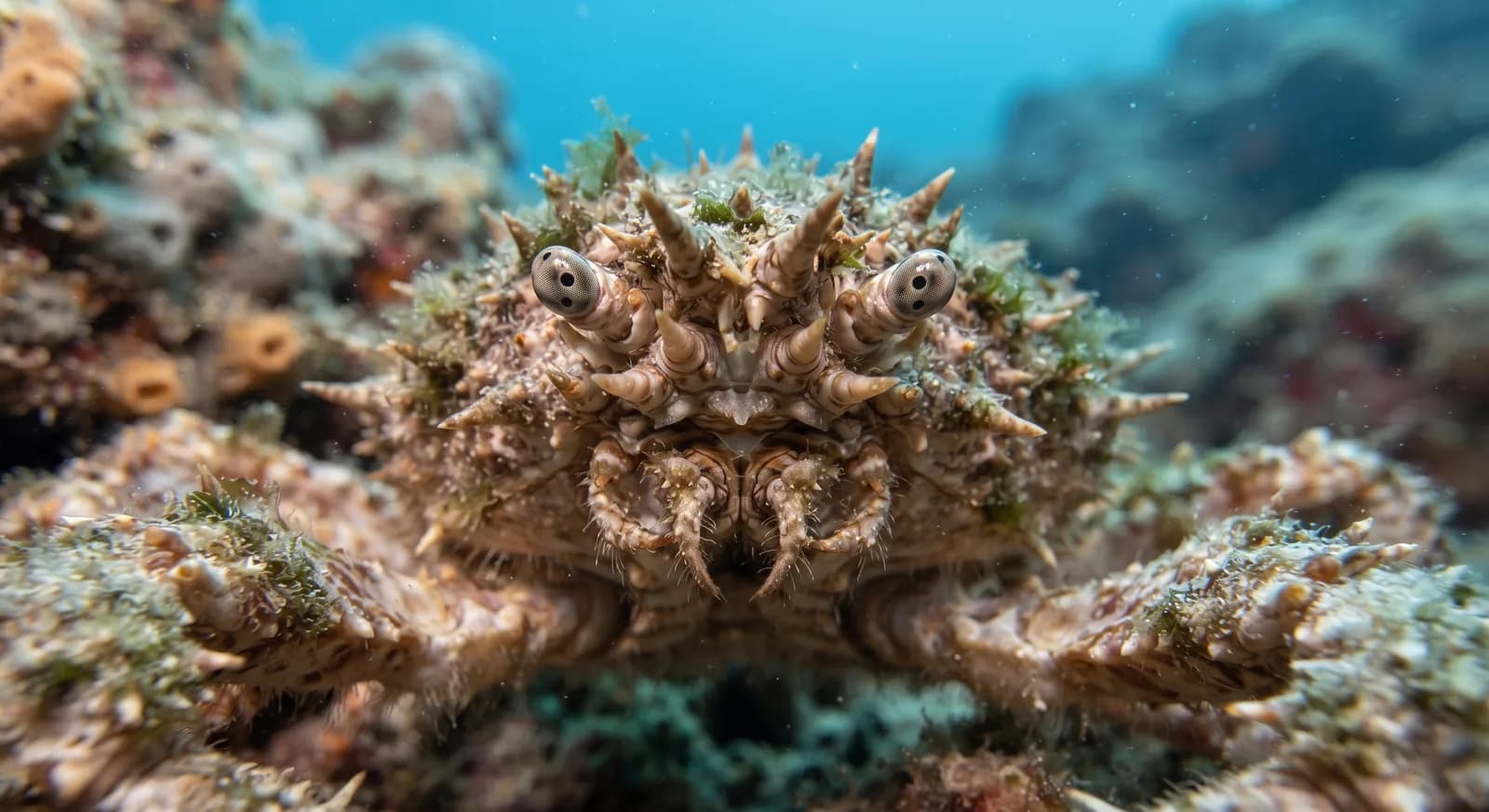
Common Spider CrabNot Evaluated

Common Spider Crab

Maja squinado

Not Evaluated

Mediterranean Hermit Crab

Clibanarius erythropus

CountriesSpain
ParksDoñana National ParkSpain
TagsHerbivore
Herbivore
Colonial
Ocean
Crustacean

Europe13

North America3

Asia1

Spain
United Kingdom
Portugal
France
Canada
Ireland
Belgium
Denmark
Finland
France
Germany
Iceland
Ireland
Netherlands
Norway
Portugal
Spain
Sweden
United Kingdom
Canada
Greenland
United States
Russia