Skip to content
WAnimals
  • Map
  • Species
  • Parks
  • Diving
Log inCreate account
WAnimals

The guide for travellers and animal lovers: discover, plan and share your wild adventures around the world.

Discover wildlife

  • Species
  • Ecosystems
  • Glossary
  • Tags

Explore places

  • Map
  • Countries
  • Parks
  • Diving

Plan experiences

  • Guides

Learn

  • Blog

Resources

  • About us
  • How we build our profiles
  • Help centre
  • Contact
  • Install the app

Follow us

Account

  • Log in
  • Create account

© 2026 WAnimals. All rights reserved.

Terms of servicePrivacyCookiesLegal notice
MapSpeciesParksDiving
  1. Home
  2. Species
  3. Pale Fox

One of the 17 foxes on WAnimals
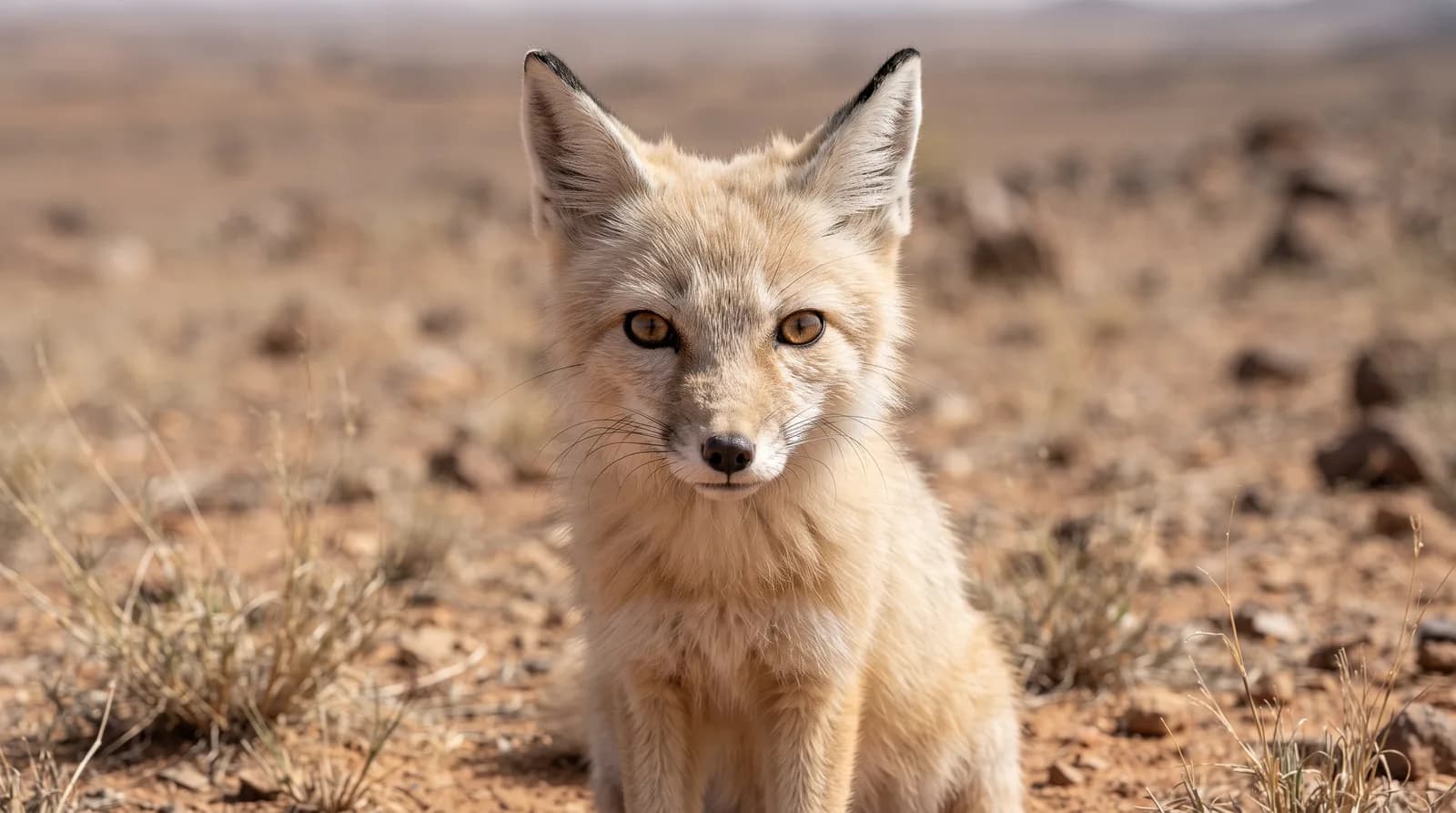
Pale Fox (Vulpes pallida)

Mammals · Carnivora · Canidae

Pale Fox

Vulpes pallida

Least Concern

The species is abundant and widely distributed; it faces no significant short-term risk.

Spotted something wrong?

The pale fox is a small canid of the Sahel, the belt of dry savannah that borders the Sahara to the south. It has very pale sandy fur, large ears and a thick tail with a black tip. It is one of the least known African carnivores: it has barely been studied in the field and most of the available data come from isolated observations. It lives in deep burrows that it digs in sandy soil and comes out at night to hunt rodents, reptiles and insects, rounding out its diet with fruit.

Weight

1.5 kg – 3.6 kg

Size

38 cm – 55 cm

Life expectancy

10 years

Diet

Omnivore

Combines animal and plant food depending on availability.

Activity

Nocturnal

Active mainly at night.

Social structure

In pairs

Usually lives in pairs, sometimes for life.

SavannaDesertGrassland
16countries10parks34same family

AI-generated images: illustrations, not photographs.

Fun facts

  • It is one of the least studied African mammals: there is almost no systematic fieldwork on its biology, and much of what is known comes from scattered observations by passing naturalists.
  • Its burrows are exceptionally deep, with up to fifteen metres of tunnel, an essential refuge in a region where the surface temperature exceeds fifty degrees.

Life cycle and biology

Skeleton type
Vertebrate - internal bony skeleton (mammal)
Habitat and environment
Dry savannah and semi-arid steppe of the Sahel, along the southern edge of the Sahara
Sexual maturity
10.3 months
Gestation / incubation
52 days
Litter / clutch size
4

Sources consulted: IUCN Red List · Animal Diversity Web · Wikipedia (es)

Where to find it

Loading map…

The pins mark the parks where its presence is documented.

Where to see it

Parks and dive sites where this species has been documented.

Related species

Other species in the catalogue with the most in common with Pale Fox — same habitat, park, country, tags or family.

Same taxonomic family

Keep exploring

Based on what we already know about pale fox.

Share an experience, a fun fact or a tip for seeing the pale fox.
See full glossary
This page in other languages: Español · Deutsch · Français · Português · Italiano
See its range on the interactive map→
Niokolo-KobaSenegal
W National ParkNiger
ZakoumaChad
Banc d'ArguinMauritania
Dinder National ParkSudan
WazaCameroon
DiawlingMauritania
Djoudj Bird SanctuarySenegal
Ennedi MassifChad
Aïr and Ténéré Natural ReservesNiger
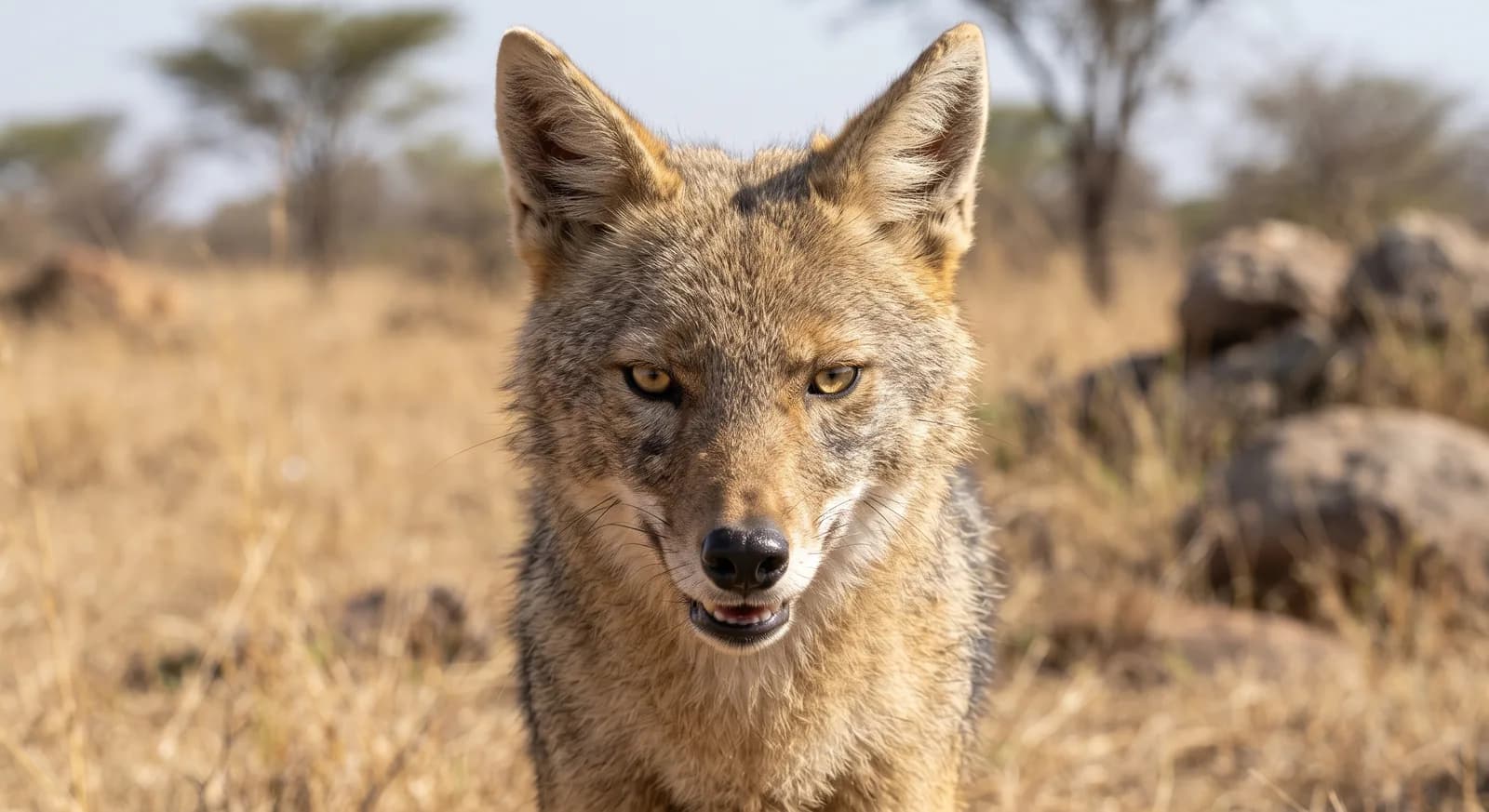
African Golden WolfLeast Concern

African Golden Wolf

Canis anthus

Least Concern

Fennec Fox

Vulpes zerda

Golden JackalLeast Concern

Golden Jackal

Canis aureus

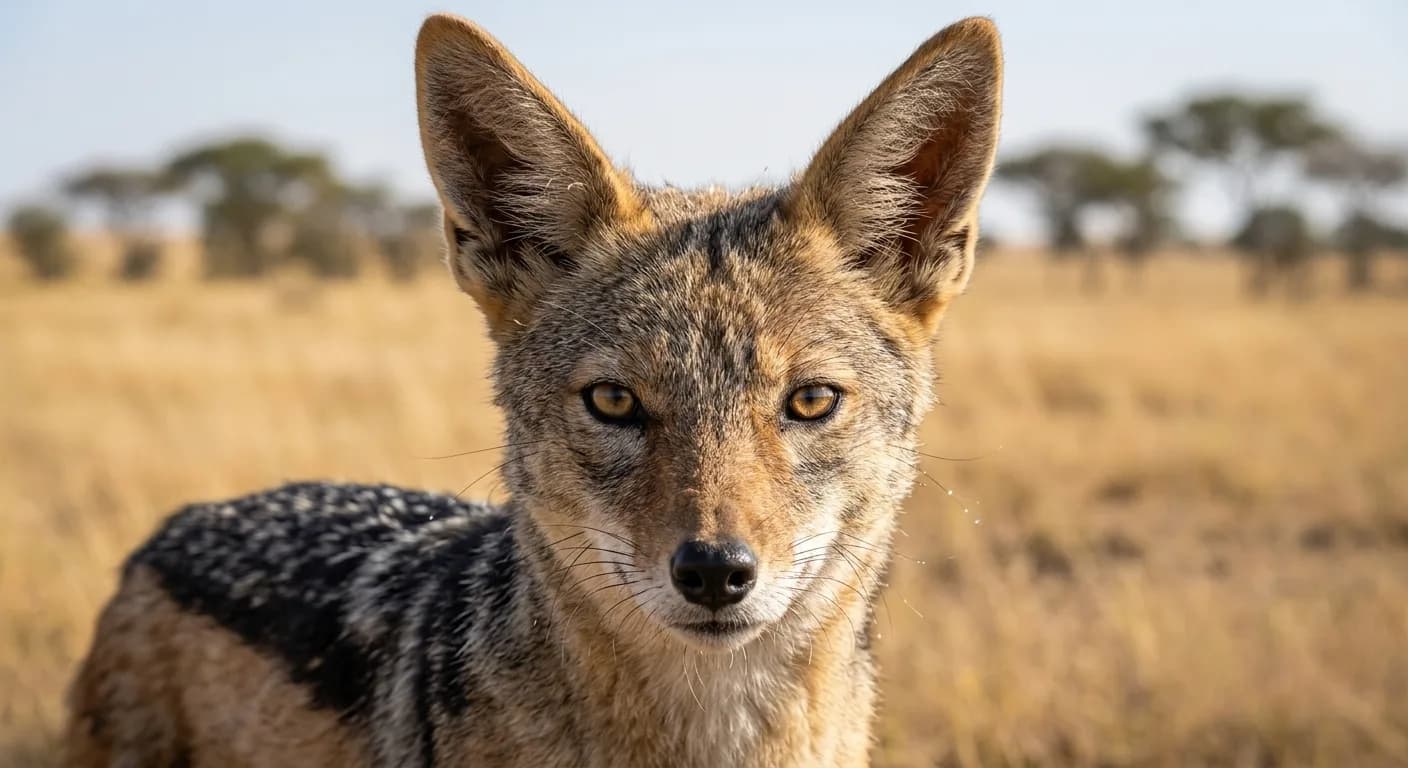
African JackalsLeast Concern

African Jackals

Lupulella mesomelas

Blanford's FoxLeast Concern

Blanford's Fox

Vulpes cana

Least Concern

Side-striped Jackal

Canis adustus

CountriesChad
ParksNiokolo-KobaSenegal
TagsOmnivore
Omnivore
Nocturnal
In pairs
Savanna
Desert
Grassland
Mammal
Chad
Mauritania
Niger
Senegal
Cameroon
Sudan
Algeria
Burkina Faso
Cameroon
Chad
Egypt
Ethiopia
Libya
Mali
Mauritania
Morocco
Niger
Nigeria
Senegal
Somalia
Sudan
Tunisia