Skip to content
WAnimals
  • Map
  • Species
  • Parks
  • Diving
Log inCreate account
WAnimals

The guide for travellers and animal lovers: discover, plan and share your wild adventures around the world.

Discover wildlife

  • Species
  • Ecosystems
  • Glossary
  • Tags

Explore places

  • Map
  • Countries
  • Parks
  • Diving

Plan experiences

  • Guides

Learn

  • Blog

Resources

  • Help centre
  • Contact
  • Install the app

Follow us

Account

  • Log in
  • Create account

© 2026 WAnimals. All rights reserved.

About usHow we build our profilesTerms of servicePrivacyLegal notice
MapSpeciesParksDiving
  1. Home
  2. Species
  3. Red-eyed Vireo

Birds · Passeriformes · Vireonidae

Red-eyed Vireo

Vireo olivaceus

Least Concern

The species is abundant and widely distributed; it faces no significant short-term risk.

Spotted something wrong?

The red-eyed vireo is an unobtrusive olive-green bird of the North American deciduous woodlands, with a marked white eyebrow and a red iris in adults. It is one of the most abundant birds in eastern North America, and its tireless singing throughout the summer day has earned it the nickname "preacher bird".

Weight

12 g – 26 g

Size

12 cm – 13 cm

Life expectancy

10 years

Diet

Insectivore

Feeds mainly on insects and other invertebrates.

Activity

Diurnal

Active mainly during the day.

Social structure

In pairs

Usually lives in pairs, sometimes for life.

Sighting difficulty

Easy

RainforestTemperate forest
10countries37parks

Fun facts

  • It is one of the most tireless birds in the world: one male was documented giving more than twenty-two thousand song phrases in a single day, and its habit of singing without pause even in the hottest hours has earned it the nickname "preacher bird".
  • It is one of the most frequent victims of the brown-headed cowbird, the North American brood parasite, and in some areas more than half the nests contain another bird's eggs.
  • Despite being extremely abundant, it is a bird almost nobody sees: it sings from the canopy and moves slowly among the leaves, and most records of it are by ear.

Life cycle and biology

Skeleton type
Vertebrate - internal bony skeleton (bird)
Habitat and environment
Mature deciduous woodland of North America; winters in Amazonia and north-western South America
Sexual maturity
12 months
Gestation / incubation
12 days
Litter / clutch size
3.5 (average)

Sources consulted: https://www.iucnredlist.org/ | https://animaldiversity.org/ | https://es.wikipedia.org/

Where to find it

Loading map…

The pins mark the parks where its presence is documented.

Where to see it

Parks and dive sites where this species has been documented — showing 10 of 37.

Related species

Other species in the catalogue with the most in common with Red-eyed Vireo — same habitat, park, country, tags or family.

Shares a park
Shares a park
Shares a park
Shares a park
Shares a park
Shares a park

Keep exploring

Based on what we already know about red-eyed vireo.

Comments

Share an experience, a fun fact or a tip for seeing the red-eyed vireo.

Be the first to comment.
See full glossary
This page in other languages: Español · Deutsch · Français · Português · Italiano
See its range on the interactive map→
Great Smoky MountainsUnited States
AcadiaUnited States
Mammoth CaveUnited States
Gros MorneCanada
FundyCanada
Wood BuffaloCanada
Point PeleeCanada
VoyageursUnited States
Isle RoyaleUnited States
CongareeUnited States
See all 37 parks
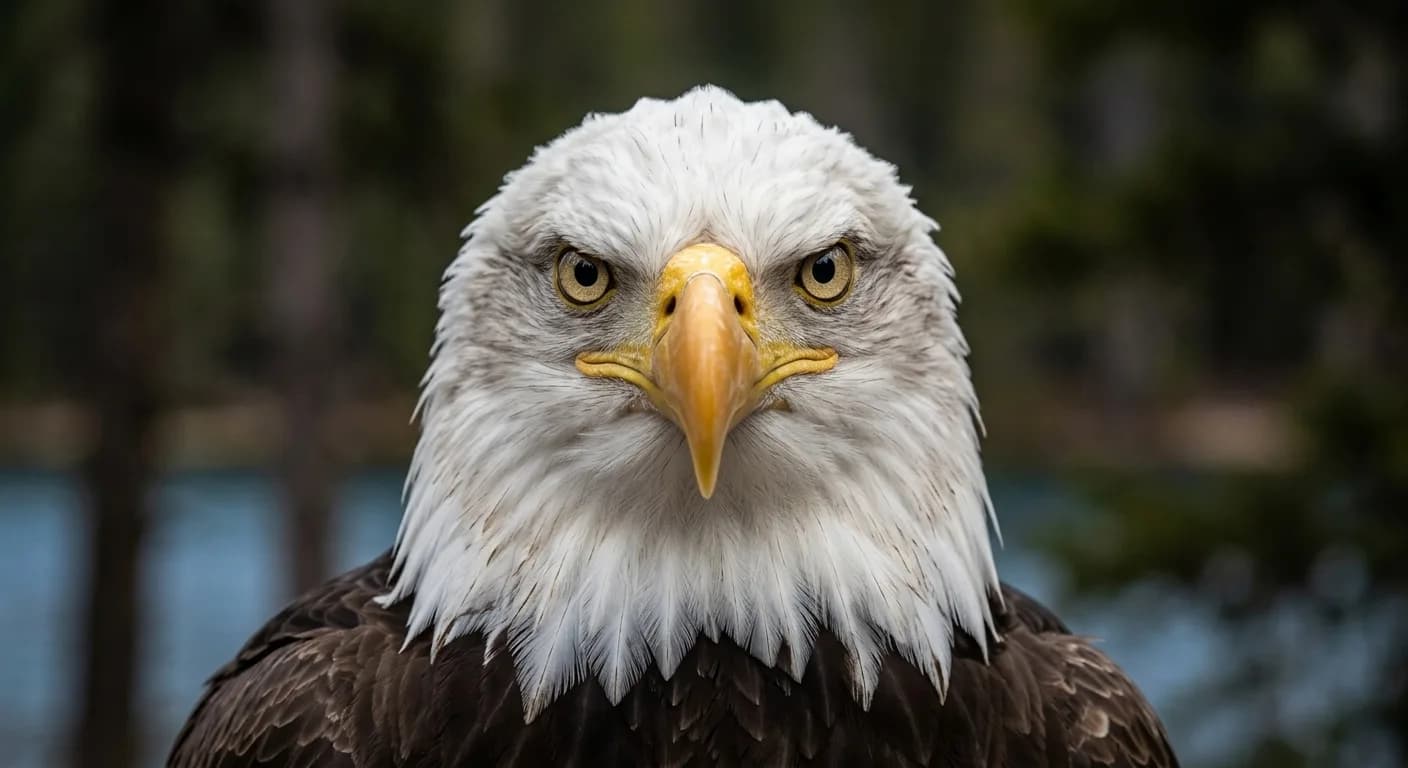
Bald EagleLeast Concern

Bald Eagle

Haliaeetus leucocephalus

Least Concern

Wood Duck

Aix sponsa

Least Concern

Mourning Dove

Zenaida macroura

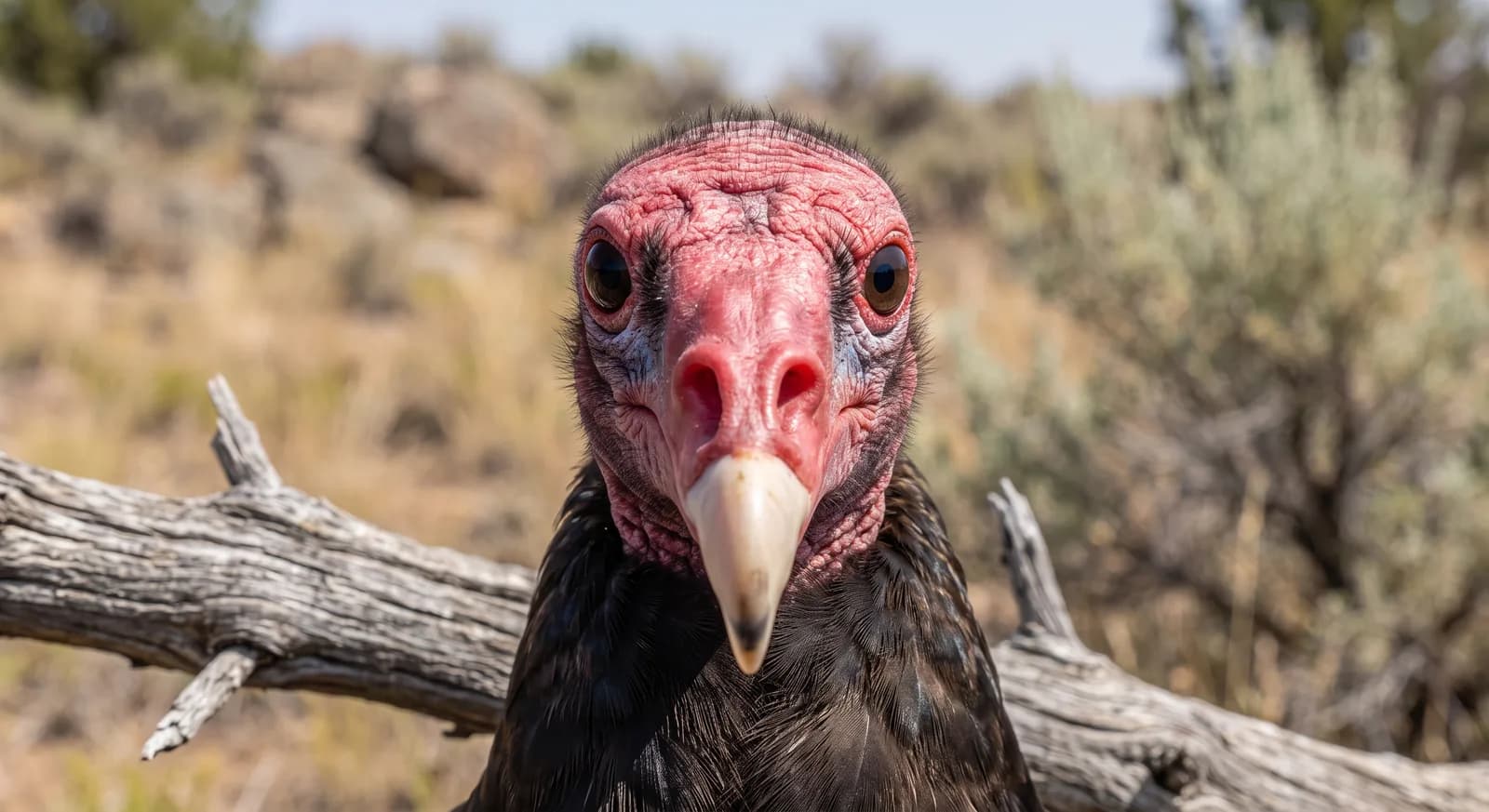
Turkey VultureLeast Concern

Turkey Vulture

Cathartes aura

Least Concern

Pileated Woodpecker

Dryocopus pileatus

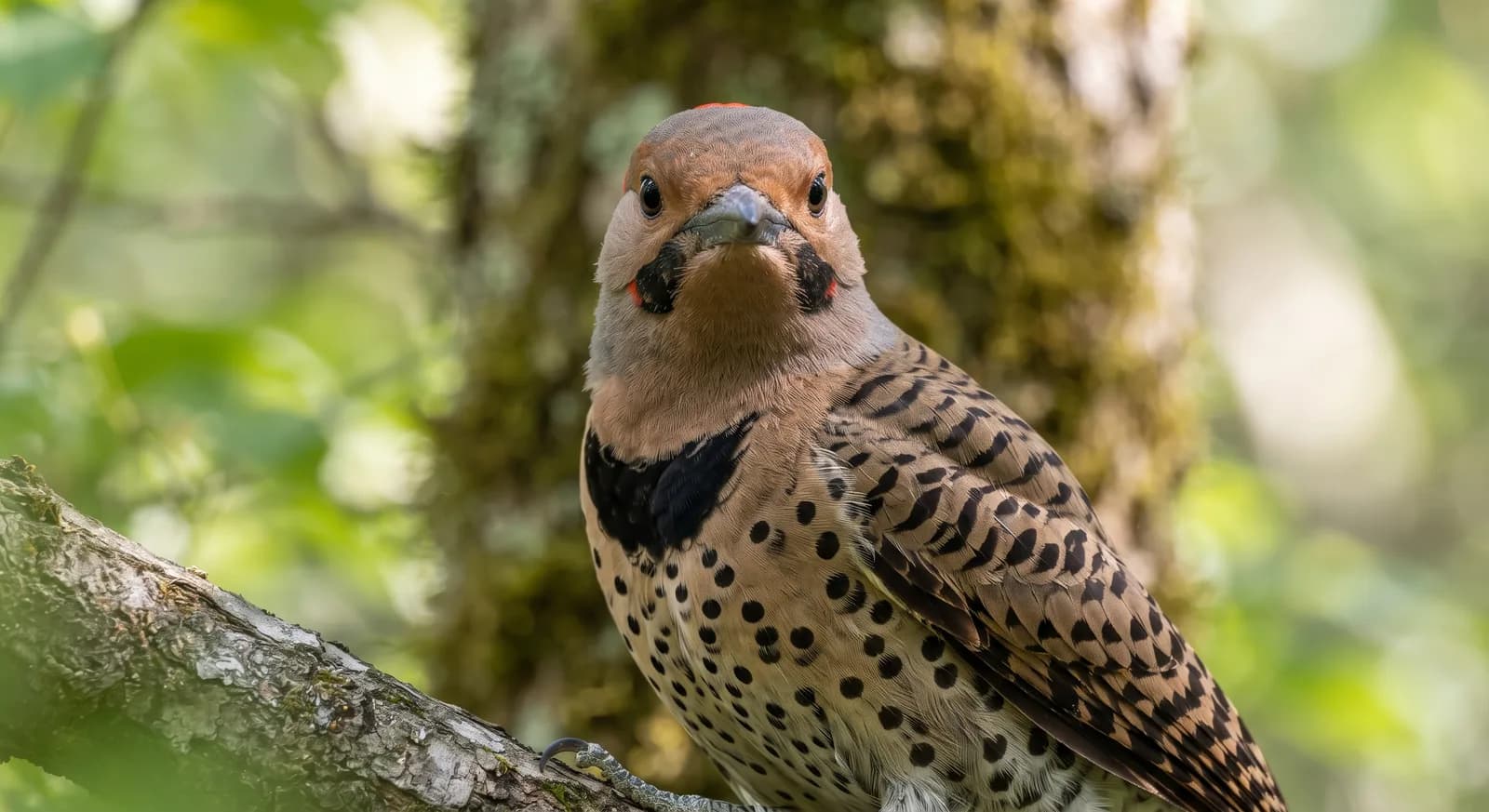
Northern FlickerLeast Concern

Northern Flicker

Colaptes auratus

CountriesCanada
ParksGreat Smoky MountainsUnited States
TagsInsectivore
Insectivore
Diurnal
In pairs
Bird
Rainforest
Temperate forest

South America6

North America4

Canada
United States
Bolivia
Brazil
Colombia
Ecuador
Bolivia
Brazil
Colombia
Ecuador
Peru
Venezuela
Canada
Mexico
Panama
United States